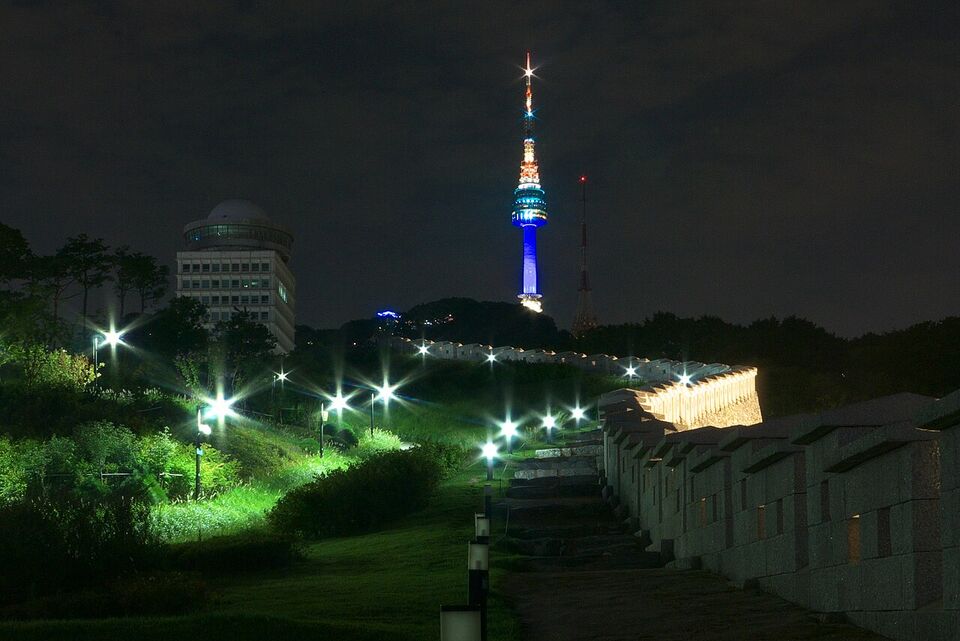
Overview: how safe is South Korea?
South Korea is one of the easier countries in Asia to travel in safely. The US State Department's advisory is Level 1, "Exercise Normal Precautions" (as of November 2026), the lowest of its four levels. Violent crime against tourists is uncommon, people leave phones and bags on cafe tables, and subways and streets are busy and well lit late into the evening. Check the advisory yourself on travel.state.gov a week before you fly, because the State Department can reissue it at any time.
What goes wrong for visitors is usually ordinary: a sprained ankle on a wet trail, a heat-struck afternoon in August, a stolen phone in a crowded market, a nightclub bill that is far bigger than the menu promised, or a typhoon that cancels the ferry to an island. This page covers each of those, the emergency numbers, how to register with the US Embassy, and calm context on the border and the occasional alerts.
Read it alongside the guides to entry rules for Americans, health and medical care and etiquette. A traveler who knows the local rules (for example, that jaywalking and drunken behavior draw attention) has fewer problems than one who relies on luck.
Emergency numbers and who to call
Save these in your phone before you land. All three work from any Korean phone, including a prepaid SIM, and the first two are free.
| Number | Who answers | Use it for |
|---|---|---|
| 112 | Police | Crime, assault, a lost child, a traffic accident with injuries, harassment |
| 119 | Fire and ambulance | Medical emergencies, fires, mountain rescue |
| 1330 | Korea Travel Helpline (Korea Tourism Organization) | English-language help 24 hours: lost items, complaints about a shop or taxi, directions to a clinic, interpretation |
| 1345 | Korea Immigration Contact Center | Visa and stay questions, weekdays 9 a.m. to 10 p.m., closed on public holidays; from abroad +82-2-1345 |
| +82-2-397-4114 | US Embassy Seoul (from inside Korea: (02) 397-4114) | Lost passport, arrest, serious injury or death of a US citizen; 24/7 emergency help |
Emergency operators in Korea are used to foreign callers and can usually bring in an interpreter by phone. Say your language ("English"), your location (a street name, a station exit or a landmark) and what is wrong. If you cannot explain where you are, hand your phone to a passerby or a shopkeeper; Koreans nearly always help.
Insider tip
Ask your hotel to write the address of your accommodation in Korean on a card, and keep a screenshot of it on your phone. It helps with taxis, with emergency services if you cannot name the street, and when your phone battery dies.
The US Embassy, STEP and the State Department
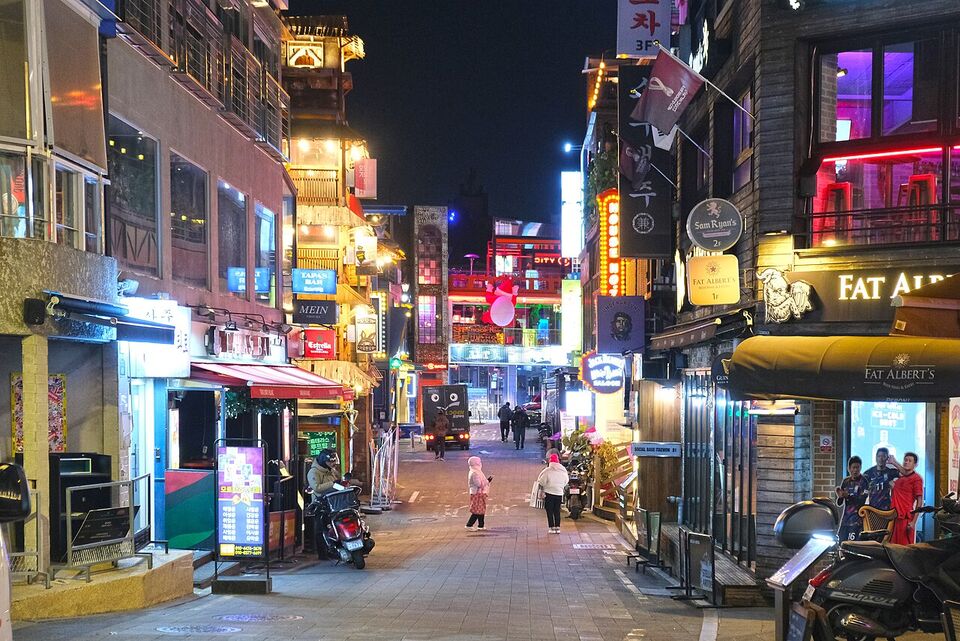
The US Embassy is at 188 Sejong-daero, Jongno-gu, Seoul, near Gwanghwamun, and is open Monday to Friday, 8 a.m. to 5 p.m. (closed on weekends; check its site for US and Korean holiday closures). The embassy's phone number is +82-2-397-4114 from abroad or (02) 397-4114 inside Korea. A US consulate also operates in Busan. From the United States or Canada, the State Department's 24-hour line is +1-888-407-4747; from abroad it is +1-202-501-4444. The embassy's website at kr.usembassy.gov carries alerts for US citizens.
Before you go, enroll in the Smart Traveler Enrollment Program (STEP) at step.state.gov. It is free, takes a few minutes, and sends you security alerts by email for the country you are visiting. It also lets the embassy reach you and your family in a crisis. Add your Korean dates and your hotel, and your emergency contact at home.
The embassy site also shows a "Worldwide Caution" notice that applies to Americans everywhere, not just Korea. It is a general reminder to stay aware, and it does not change the Level 1 rating for South Korea.
Different from home
Consular staff can replace a lost passport, help you contact family, and give you a list of English-speaking doctors and lawyers. They cannot pay your bills, get you out of a Korean criminal case, or give legal advice. If you are arrested, ask to contact the embassy; if you cannot reach it, ask the police to do it.
Crime and scams
Pickpocketing and bag-snatching exist in tourist crowds (Myeongdong, Hongdae, Namdaemun Market, the subway at rush hour) but are far less common than in many large cities. Keep your phone in a front pocket or zipped bag in a crush, as anywhere. Leaving a phone or wallet on a table to hold a seat is normal in Korea; do it only if you are comfortable with the risk, and never in a tourist-heavy spot.
Taxis
Fake taxis are not a typical problem in Korea. The more common issues are drivers who refuse short rides at busy nightlife hours, cannot find an unfamiliar address, or take a long route. Use a metered taxi (look for the roof light and the meter), pay the fare on the meter, and pay by card or cash after the ride. A ride-hailing app such as Kakao T shows the route and price estimate in advance, but a foreign card may not work in every app, so check before you rely on it. Airport taxis and the airport railroad are covered in the Incheon Airport guide.
Nightlife and bar scams
The scam most often reported to foreign visitors involves a bar, club or "hostess" lounge in nightlife areas, where a stranger or a tout on the street invites you in, and the final bill is inflated or includes charges you did not agree to. Rules of thumb:
- Do not follow touts or friendly strangers who offer a "special" place. Choose a venue yourself.
- Look at the prices on the menu before you order and ask whether there is a cover charge or a minimum order.
- Pay with your own card, with the amount visible, and keep the receipt. Do not hand your card to anyone who walks away with it.
- If a dispute starts, stay calm and call 112 or the Korea Travel Helpline at 1330. The presence of police usually ends it quickly.
Ginseng shops and phone shops
Some tourist-area shops and tour-bus stops push ginseng and health products at high prices. You are never obliged to buy, and an official-looking "tour" that ends in a sales room is a sign to walk out. Check prices elsewhere first.
A common issue with phones is the shop that sells a SIM, an eSIM or a rental phone with a bundled plan or accessories you did not ask for. Buy a data SIM or eSIM from an airport counter or a main carrier shop, ask for a total price in writing, and read the plan length. Our staying connected guide covers the choices.
Watch out
Do not hand your passport to a shop or a stranger as a "deposit" or for a photocopy you cannot watch being made. Keep it in the hotel safe and carry a color copy or a photo, unless you need it for a specific purchase such as tax-free shopping.
Alcohol, nightlife and spiked drinks
Korea has a strong drinking culture, with soju (clear distilled spirit) and beer at group dinners and late-night rounds that can run for hours. Foreign visitors have been the targets of drink spiking and of thefts from people who have fallen asleep after drinking, mostly in the party districts. The rules are the same as at home: watch your drink being poured, do not accept a drink from a stranger you cannot see being prepared, keep your card and phone on you, and go home with someone you trust. If you feel suddenly drunk or dizzy for no reason, ask a trusted person or staff for help and go to a hospital; ask a clinic to test for drugs if you suspect spiking, and call 112.
The legal drinking age is 19, and bars and clubs may ask for ID, so carry your passport or a copy. Public drinking is generally tolerated in parks and on the Han River, but check posted rules. Public drunkenness is not a crime in itself, though fights, damage and harassment are. More on drinks and customs in the drinks guide.
Late-night areas
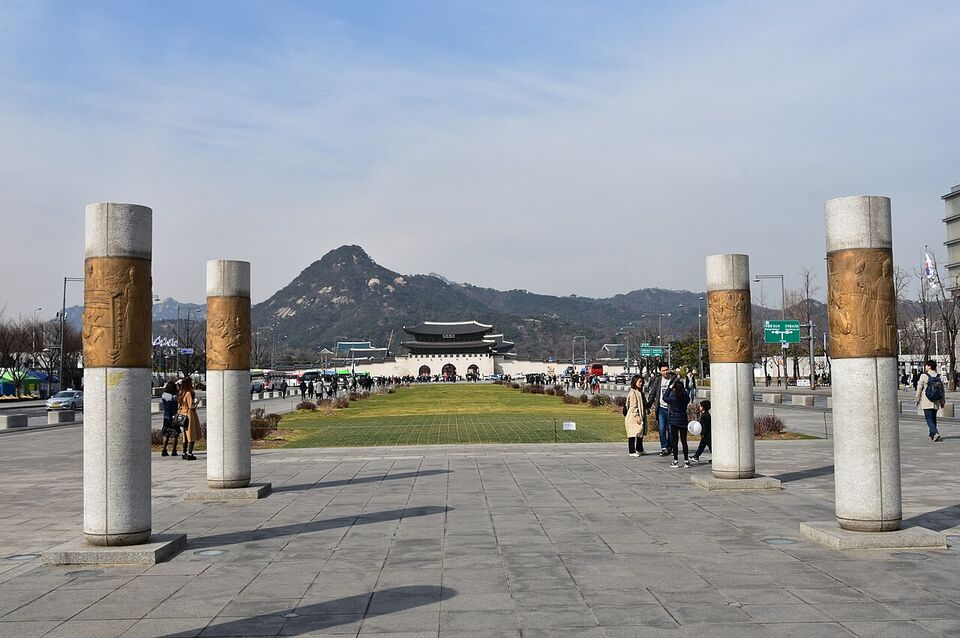
Busy nightlife districts such as Hongdae, Itaewon and Gangnam are crowded and generally safe, but they are where drinking-related problems cluster. In Itaewon, a crowd crush on the night of October 29, 2022 killed more than 150 people in a narrow alley during Halloween. Crowd management in busy areas has been a focus since. The lesson for any visitor is to avoid very narrow lanes on peak nights, leave early if a crowd tightens, and follow police and staff directions.
Women traveling alone
South Korea is widely regarded as comfortable for women traveling alone, including at night in busy areas, and many visitors do it every year. Subways run late, stations have staff, and there are 24-hour convenience stores everywhere. Still, use common sense:
- Choose accommodation with a staffed front desk and good recent reviews. A private room in a guesthouse or a female-only floor or dorm is an easy choice.
- Take a licensed taxi or use a ride app at night, and check the plate or the driver's details. Share your ride with a friend.
- Watch your drink and avoid leaving a bar with a person you have just met.
- Illegal filming with tiny cameras (a long-standing public concern in Korea) is a crime; if you find a hidden camera or feel uneasy, leave and call 112.
Women in Korea are often asked questions that feel personal to Americans (your age, whether you are married). These come from curiosity, not hostility; you can answer or change the subject. Our etiquette guide explains the social customs behind this.
LGBTQ+ travelers
Same-sex relations between civilians are legal in South Korea, and Seoul has a visible LGBTQ+ scene, including bars and venues in Itaewon and Jongno and an annual pride festival. At the same time, same-sex marriage is not recognized, there is no national anti-discrimination law, and public attitudes outside big cities are more conservative than many Americans expect. Public displays of affection of any kind are low-key in Korea. Most LGBTQ+ visitors have no trouble, but it is sensible to check current conditions with the State Department and with LGBTQ+ travel organizations before you go, and to use discretion in rural areas.
Public transport and traffic
Subways, buses and trains are safe at all hours when they run. The subway generally runs from about 5:30 a.m. to just after midnight (check your line and station; exact first and last trains vary), and late-night buses and taxis fill in after that. Seoul's night owl buses run on set routes; check the route in a map app. The getting around guide has transit-card and ticket details.
Traffic is the more real danger. Drivers can be aggressive, delivery motorbikes use sidewalks and ignore red lights, and electric scooters appear without warning. Cross at crossings and only on the green walk signal, look both ways even on a one-way street, and keep out of bike lanes. Wait for the signal when other pedestrians do, since drivers do not always yield to people on foot.
Different from home
Vehicles can turn across a crosswalk while the walk signal shows, and scooters and motorbikes can appear from either direction on a pavement. Treat every crossing as if a vehicle might not stop, even when you have the right of way. If you plan to drive, see the driving guide first.
Air quality and fine dust
Fine dust (miseomeonji), a mix of local pollution and dust and smog blown from the continent, is a regular topic in Korean weather reports. Levels are usually worst on some days in winter and spring (including the "yellow dust" season), and the sky can look hazy and gray. On bad days, people wear KF94 masks (a Korean standard similar to N95 and sold in pharmacies and convenience stores), and schools may move activities indoors. Most visitors with no health problems just notice the haze.
Check the live reading on AirKorea or a weather app. If you have asthma, a heart condition or a young child, keep your inhaler and medicine with you, plan indoor activities (museums, shopping, jjimjilbang) on bad days, and wear a KF94 outdoors. The health page has more.
Weather hazards: heat, monsoon, typhoons, earthquakes
Heat waves
July and August are hot and humid. Seoul's average high is about 84°F (29°C) in July and 86°F (30°C) in August, and individual days run hotter. The Korea Meteorological Administration issues heat advisories and warnings. Plan sightseeing for the morning, drink water, use shade and indoor air-conditioned stops, and watch for heat exhaustion (headache, dizziness, nausea). Hiking in July and August is best started at dawn.
The rainy season and floods
The monsoon (jangma) brings heavy rain, usually from late June into July, and about two-thirds of the year's rain falls from June to September. Seoul averages roughly 414 mm (16 inches) of rain in July. Flash floods and landslides can follow, and in August 2022 heavy rain flooded streets and basement homes in parts of Seoul. Stay out of underpasses, riverside paths (the Han River and Cheonggyecheon walks close when water rises) and mountain streams during heavy rain. Follow phone alerts and local staff.
Typhoons
Korea usually sees one to three typhoons a year, mostly in July to September and most likely in August, with Jeju and the south coast hit hardest. Typhoons can cancel flights, ferries, trains and cable cars, and close parks. Buy flexible tickets for August to September trips, check the Korea Meteorological Administration (weather.go.kr) if one is forecast, stay indoors when the warning is in force, and keep a day of slack before an international flight. The seasons guide and when to go guide cover timing.
Earthquakes
Korea is far from the main plate boundaries, so large earthquakes are rare, and most felt tremors are small. Stronger quakes in Gyeongju in September 2016 and Pohang in November 2017 are the best-known recent ones. If the ground shakes, drop, cover under a sturdy table and hold on; move away from windows and shelves; do not run outside during the shaking; and once it stops, leave the building by the stairs, not the elevator. Near the coast after a very strong quake, move to higher ground. Phones receive loud emergency alerts for earthquakes and other disasters, usually in Korean; an English text often follows, and translating the alert is worth a moment.
Nature and hiking safety
Korea's mountains are popular and well marked, but they are steeper and more weather-sensitive than they look. Trails near Seoul, such as Bukhansan, get crowds of hikers on weekends; higher peaks in Seoraksan and Hallasan are serious hikes in cold weather. A few practical rules:
- Start early, finish by mid-afternoon in fall and winter (it gets dark early), and bring a headlamp, water, layers and a charged phone.
- Use real hiking shoes, and poles for descents. Wet granite and fallen leaves are slippery.
- Check trail closures with the Korea National Park Service (knps.or.kr). Some trails close for part of the year for fire prevention, and others for rockfall repairs or reservations (for example, the Hallasan summit section from Gwaneumsa reopened on September 24, 2026 and requires an advance online reservation).
- On many marked trails, numbered location posts show where you are; if you see one, give the number when you call 119.
- Do not feed or approach wild animals. Watch for wasps and hornets in late summer and fall, and for ticks in tall grass.
The hiking guide covers the main routes. Beaches have lifeguards only in the summer season, and rip currents and jellyfish occur on some coasts, so swim where flags and staff are present.
Drones, photography and local rules
Drones are regulated in Korea. Large parts of central Seoul, areas around airports and military facilities, and sites near the border are reported to be restricted or no-fly zones, and flying without approval can bring fines. Check the official rules (the Ministry of Land, Infrastructure and Transport) and apply for permission if required before packing a drone. Many parks, palaces and temples also restrict drones and tripods. When in doubt, leave it at the hotel.
For ordinary photography, follow the signs. Do not photograph military installations, checkpoints or soldiers on duty where signs forbid it, and ask permission before photographing people up close. Some temples, museums and shrines ban photos inside halls. Photographing strangers in saunas or changing rooms is illegal.
Carry your passport or a copy; police may ask for ID. Medicines such as stimulants and some sleep medicines are restricted; see the health page. Illegal drugs, including cannabis, are treated very strictly in Korea. Smoking is banned in many public places, including many streets in some districts, so look for signs.
The border, North Korea and alerts
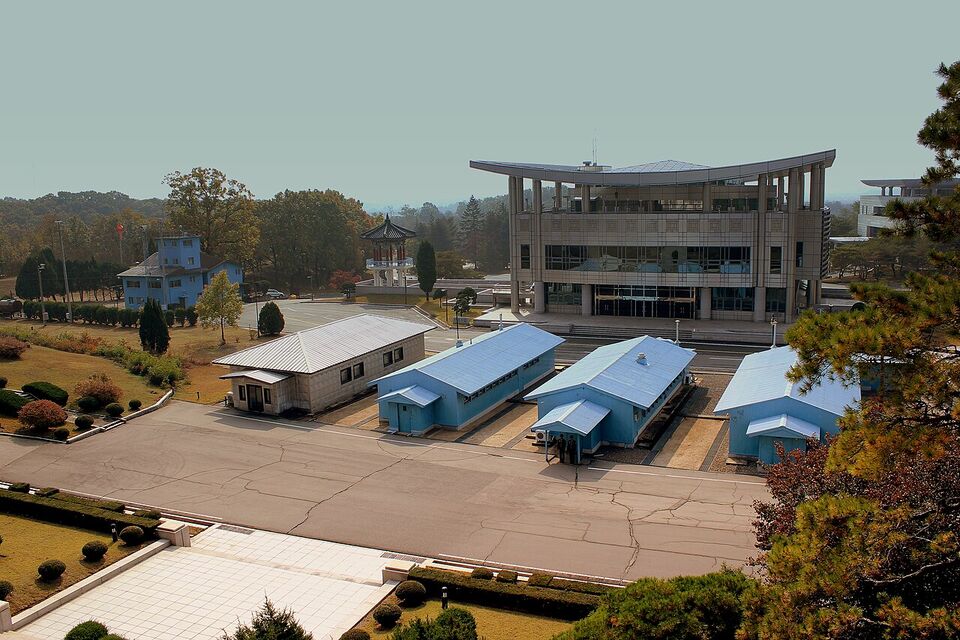
South Korea and North Korea are divided by the Demilitarized Zone, one of the most heavily guarded borders in the world, roughly 30 miles (50 km) north of Seoul at its closest, depending on where you measure. For visitors, daily life in Seoul, Busan, Jeju and everywhere else in the country feels normal. Korean residents and businesses carry on, and millions of tourists visit every year. The State Department advisory remains Level 1 (as of November 2026).
Occasionally, there are public alerts: a loud phone alert or siren about a missile launch or a test, or a civil defense drill. Koreans treat these as routine. If you receive an alert, stay calm, follow instructions from your hotel or local staff, check the US Embassy's and Korean news feeds, and keep in touch with family. Occasional large demonstrations take place in central Seoul, notably around Gwanghwamun. Avoid them, do not photograph police, and take another route.
Do not go near the border except on an authorized tour. The DMZ guide explains what tours are, what rules apply, and that tours can be canceled at short notice. Ordinary tourist tours to the Joint Security Area have not run since 2023, so ask a licensed DMZ tour operator what is open. Follow the rules of the tour, including the dress code, and do not take photographs where forbidden.
Watch out
The K-ETA site and embassy pages sometimes carry short-notice entry or health notices. Check kr.usembassy.gov and k-eta.go.kr a week before you fly, and read the entry rules page. Never use a look-alike site for the K-ETA or the e-Arrival card.
A short safety checklist
- Enroll in STEP and save the embassy number: +82-2-397-4114.
- Save 112, 119 and 1330 in your phone.
- Buy travel insurance with medical cover and evacuation (see the health page).
- Photograph your passport and store a copy online.
- Write your hotel's address in Korean on your phone.
- Check the weather alert and typhoon forecast before ferries and hikes.
- Look at AirKorea on hazy days and carry a KF94 mask in winter and spring.
- Use a metered taxi or ride app, and watch your drink.
For other questions, the FAQ has short answers, and the packing guide lists what to bring.
Add it to a route in the trip builder, or ask us to plan the hotels, trains and guides for you.