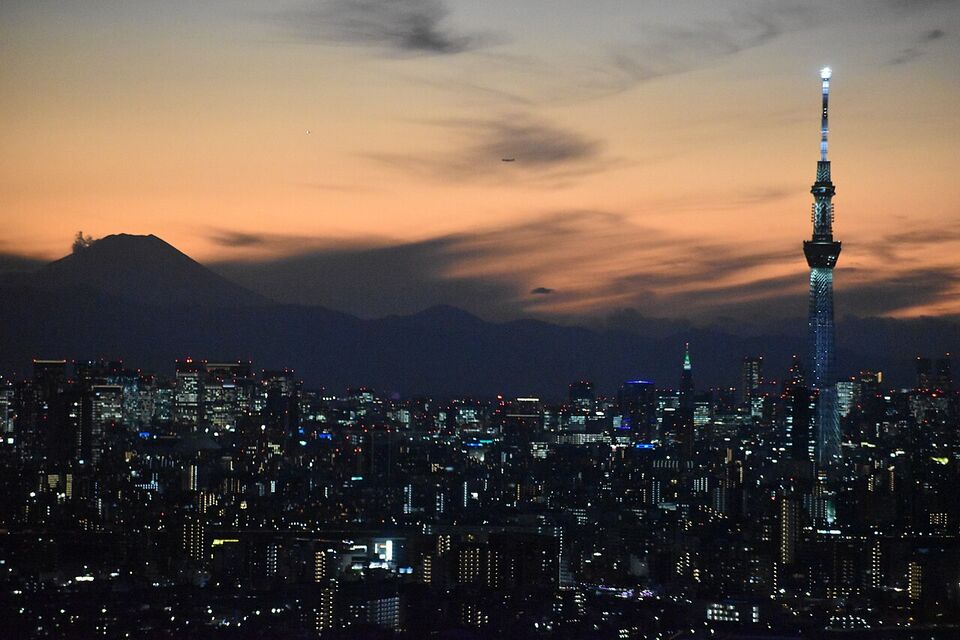
Tokyo in short
Tokyo works best when you treat it as a cluster of cities that happen to share a subway map. Pick a base on or near the JR Yamanote Line, learn two or three train lines, tap an IC card at the gate, and the rest falls into place. Most first-time visitors from the US do well with four or five days, which leaves room for the big sights, long meals and one day trip.
The city is huge but very orderly. Trains run to the minute, signs are in English, and almost everything is within a 10-minute walk of a station. The things that catch Americans out are not safety or crime (Tokyo is among the safest big cities in the world) but small mechanics: which operator runs which line, why your hotel is a 15-minute walk from the nearest exit, why restaurants may be cash only, and why the last train is gone by 1 a.m.
This page covers how Tokyo is laid out, where to stay, how to get in from the airports, and how to use the trains and taxis. For what to see, go to Tokyo Sights. For meals, ramen counters and bars, go to Tokyo Food and Nightlife. If you are still weighing cities, Tokyo vs Kyoto compares them side by side.
Different from home
Tokyo is not built around driving. Do not rent a car for the city: parking is scarce and expensive, streets are narrow, and trains go nearly everywhere. Walking 15,000 steps a day is normal, so plan for comfortable shoes and a lot of stairs in stations.
How Tokyo is laid out
Central Tokyo sits inside the loop of the JR Yamanote Line, a circle of 30 stations that takes about an hour to ride all the way around. Most of the districts visitors want are on or just inside the loop: Tokyo Station, Ueno, Akihabara, Shinjuku, Shibuya, Shinagawa and Ikebukuro. The Imperial Palace and its gardens sit at the center. Asakusa, Roppongi, Ginza and the Toyosu waterfront are off the loop and need a subway ride.
The city has no single downtown. Each hub has its own personality, its own department stores and its own night scene. Distances are bigger than they look on a map: Shinjuku to Asakusa is about 8 miles (13 km) and takes 30 to 40 minutes door to door. Grouping your sightseeing by area, rather than crisscrossing the city, is the most useful planning rule.
Neighborhoods at a glance
Shinjuku
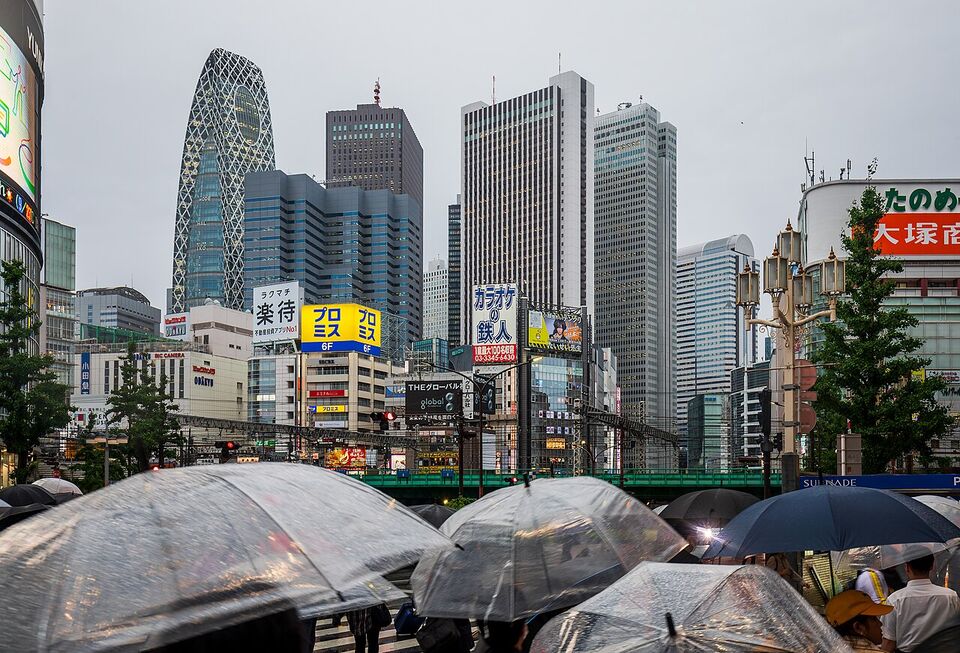
The best all-round base for a first trip. Several JR, subway and private lines meet here, plus the Narita Express and the Haneda limousine buses. West Shinjuku has the skyscrapers and government offices, the east side has department stores, and Kabukicho and Golden Gai are the nightlife districts. The station is large and confusing, so give yourself extra time on the first day.
Shibuya
Shibuya is the Tokyo of the famous crossing, fashion and late nights. It is lively and loud, with lots of mid-priced hotels, and it is a short train ride to Harajuku and Meiji Jingu. The station is under heavy rebuilding, so allow time to find your exit. See Tokyo Sights for Shibuya Sky and the crossing.
Ginza and Marunouchi
Marunouchi, in front of Tokyo Station, is quiet at night but ideal for early bullet trains and the Narita Express. Ginza, a short walk away, is the high-end shopping and dining area, with department store food halls and sushi counters. This is the most convenient base if you are heading to Kyoto by Shinkansen.
Asakusa and Ueno
Asakusa is built around Senso-ji and has the most affordable hotels near the sights, plus easy access to Skytree. Ueno has a park with the main museums, the Ameyoko market street and the Keisei Skyliner from Narita. Both feel more traditional and calm in the evening, but you are farther from Shibuya and Shinjuku.
Roppongi
Roppongi has major art museums, Azabudai Hills and Roppongi Hills, plus a late-night bar district popular with expats. It is fine to stay in, but nightlife touts here are a known problem; see Safety in Japan for the scam patterns to avoid. The subway is the way in and out.
Shimokitazawa
A walkable neighborhood of used clothing, record shops, small theaters and coffee spots. It is a good half-day or evening out rather than a base, because it has few big hotels and no direct line to Tokyo Station. Shops mostly open late in the morning and close by 8 or 9 p.m.
Yanaka
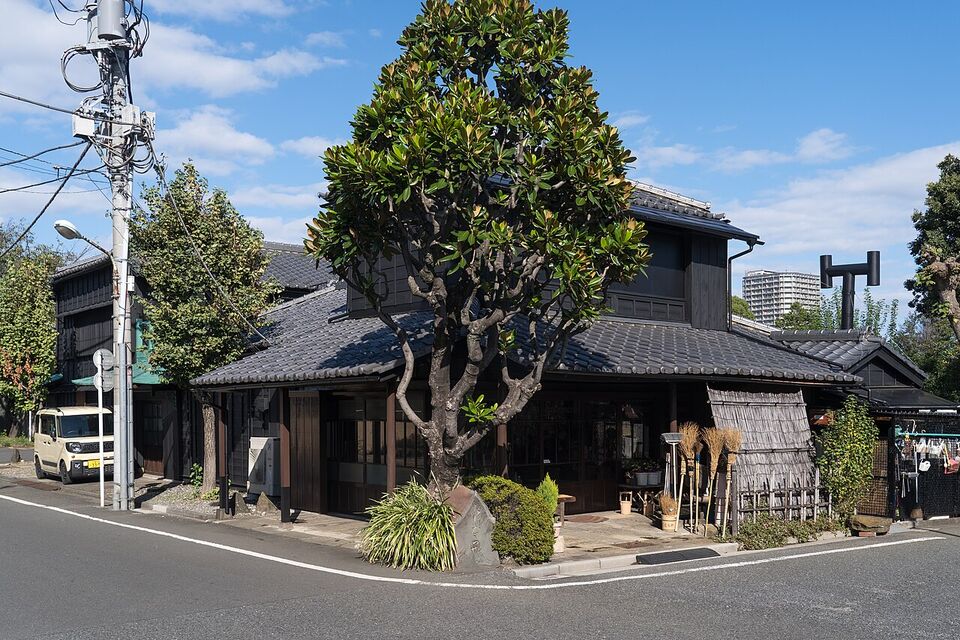
One of the few areas that came through the 1923 earthquake and wartime bombing with its old streets mostly intact. Yanaka Ginza is a short shopping street, and the lanes behind it hold temples, a cemetery and small galleries. Visit in the morning or early afternoon, since many shops close by 5 or 6 p.m.
Akihabara
Akihabara is the district for anime goods, gaming arcades and secondhand electronics. It is a good half-day stop, easily combined with Ueno or Tokyo Station. See Anime, Games and Pop Culture for what to look for and how to book hard-to-get tickets.
Where to stay by trip type
Japan's hotel rooms are small by US standards, and a standard double in a business hotel is often 150 to 200 square feet (14 to 18 square meters). Beds are usually a double or two twins, bathrooms are compact, and luggage space is limited. Book a room with the bed type you need and check the room size on the booking page. For deeper advice on room types, ryokan, capsules and apartments, see Where to Stay in Japan.
| Trip type | Where to base | Why |
|---|---|---|
| First visit, 4-5 days | Shinjuku or Shibuya | Many train lines, restaurants open late, lots of hotels at every price |
| Short stay or going on to Kyoto | Tokyo Station area (Marunouchi, Nihombashi, Ginza) | Shinkansen and the Narita Express are a few minutes away; quiet at night |
| Budget | Asakusa, Ueno or near Ikebukuro | More $ business hotels and hostels, still close to a Yamanote or Ginza Line station |
| Families | Ueno, Tokyo Station or near Shinjuku with a family room | Parks and museums, easy stroller routes, larger rooms in newer hotels |
| Food and nightlife | Shinjuku, Shibuya or Ginza | You can walk home or get a short taxi after the last train |
| Quiet, traditional feel | Asakusa, Yanaka or near Ueno Park | Temples, older streets and calmer evenings |
| Luxury and views | Marunouchi, Ginza, Roppongi or Shinjuku skyscraper hotels | High-rise rooms and large hotel restaurants, at $$$ prices |
A typical business-hotel double is in the $ to $$ range, while upscale and international-chain hotels in Ginza, Marunouchi, Roppongi and Shinjuku are usually $$$. Rates swing with the calendar: cherry blossom weeks, the Golden Week holidays (late April to early May), the Obon weeks in mid-August, and year-end all push prices up. Book three to six months ahead for those dates.
Tokyo adds a lodging tax of ¥100 (about $0.65) per person per night for rooms priced ¥10,000 to ¥14,999 and ¥200 (about $1.30) for rooms of ¥15,000 and up. Cheaper rooms are exempt. It is usually collected at check-in. A proposal to change the system to a flat 3% from 2028 exists but is not law.
Insider tip
Check the walking time from the station exit, not just the distance on the map. Large stations like Shinjuku and Tokyo have dozens of exits, and a hotel that looks 5 minutes away may be a 12-minute walk after you find the right one. Look for hotels within 5 minutes of a station and use the exit number in the hotel's directions.
From Haneda and Narita into the city
Tokyo has two main airports. Haneda (HND) is about 9 miles (14 km) from central Tokyo, with a train ride of 20 to 45 minutes. Narita (NRT) is about 40 miles (65 km) east, with a ride of 36 to 90 minutes depending on the service. Many US flights use both, so check which one your ticket says. The details of choosing between them, and of booking, are on the Flights to Japan page.
| Route | Time | Fare | Notes |
|---|---|---|---|
| Haneda: Keikyu Line to Shinagawa | 20-25 min | about ¥540 (about $3.50) | Some trains run through to Asakusa (about ¥650, about $4.15; 40-50 min); fares are from a secondary source, so check keikyu.co.jp |
| Haneda: Tokyo Monorail to Hamamatsucho | about 25 min | about ¥500-720 (about $3.20-4.60), depending on where you get off | Connects to the Yamanote and Keihin-Tohoku Lines; check the fare at tokyo-monorail.co.jp |
| Haneda: limousine bus | 30-60 min | from about ¥1,000 (about $6.40) | Direct to many big hotels, Shinjuku, Tokyo Station; traffic dependent; bus fares were revised in 2026, so check the operator |
| Haneda: taxi (flat rate) | 30-50 min | about ¥7,600 to Tokyo Station, ¥8,500 to Shibuya (about $48-54) | A 22:00-05:00 surcharge applies; check current flat rates |
| Narita: Narita Express (N'EX) | about 53-60 min to Tokyo Station | ¥3,140 to Tokyo Station (about $20); ¥3,330 to Shinjuku or Shibuya (about $21) | All seats reserved; a Tokyo Round Trip ticket is ¥5,200 (about $33) for 14 days |
| Narita: Keisei Skyliner | 36-41 min to Nippori/Ueno | about ¥2,470 to Ueno (about $16) | Check the current fare at keisei.co.jp; good for Ueno and Asakusa |
| Narita: limousine bus | 70-100 min | about ¥3,100 (about $20) | Direct to many hotels; luggage handled for you |
| Narita: Keisei Access Express | 60-80 min | about ¥1,300-1,500 (about $8-10) | Cheapest rail option; goes through to Asakusa and Haneda |
Haneda is far easier: you can be at your hotel in under an hour and the fares are low. Narita takes more time and money, and the trains stop earlier at night, so check your arrival time and the last services. JR East has noted that some Narita Express services are suspended on November 6-8, 2026, so check the operator's page if you land then.
Watch out
Do not plan a taxi from Narita to central Tokyo unless you are in a group or are arriving too late for trains. Fares for the 40-mile (65 km) trip are set by zone at the airport's fixed-fare taxis: about ¥29,000-31,000 (about $185-197) to central areas such as Tokyo Station and Ueno, and about ¥31,500-32,500 (about $201-207) to Shinjuku or Shibuya, plus expressway tolls and a 10 p.m.-5 a.m. surcharge, per the Narita Airport site. Confirm the fare with the driver before you get in.
The train system: JR, Metro and Toei
Tokyo's rail network is run by many companies, which is why the map looks overwhelming. There are three families of lines you need to know.
The JR Yamanote Line and other JR lines
JR East runs the Yamanote loop (light green trains), plus the Chuo Line (orange) cutting across the city from Tokyo through Shinjuku, the Keihin-Tohoku and Sobu Lines, and the Shinkansen. Trains arrive every two to four minutes on the Yamanote in the daytime. A JR East fare revision on March 14, 2026 raised average fares by about 7.8%, and the minimum JR East fare is now ¥160 (about $1) by ticket or ¥155 by IC card. The Japan Rail Pass works on JR lines inside Tokyo but not on subways or private lines; see Is the JR Pass Worth It?.
Tokyo Metro and Toei Subway
Two companies run the subway. Tokyo Metro operates nine lines (Ginza, Marunouchi, Hibiya, Tozai, Chiyoda, Yurakucho, Hanzomon, Namboku, Fukutoshin), and the metropolitan Toei Subway runs four (Asakusa, Mita, Shinjuku, Oedo). Each line has a letter and station numbers on signs, such as G09 for Shibuya on the Ginza Line, which is easier than reading station names. Changing between a Metro line and a Toei line normally costs an extra transfer fare (reduced by ¥70 when you tap a contactless card), unless you use a pass, so a route that mixes them can cost more than one that stays with a single operator. Apps like Google Maps and Japan Transit Planner show fares and platform numbers.
Typical subway fares run from about ¥180 (about $1.15) to ¥350 (about $2.25) for most rides in the city, depending on distance. Check the fare map above the ticket machine if you are paying with cash.
Private railways
Private lines run out to the suburbs and day-trip towns. Keio, Odakyu, Tokyu, Seibu, Tobu and Keikyu all have terminals at big stations. You will use these to reach Shimokitazawa, Kawagoe, Hakone and others; see Day Trips from Tokyo.
Insider tip
For long walks inside big stations, follow the colored line symbols on the floor and the exit numbers, and keep in mind that "Shinjuku Station" and "Seibu-Shinjuku Station" are different places. Signs are in English, but exits are a better guide than street names.
IC cards, day passes and tapping a card
An IC card is a rechargeable tap card that works on trains, subways and buses and in many vending machines and convenience stores. Suica (JR East) and Pasmo (the subway and private railways) work the same way, and cards from other regions are accepted across Japan. For more on how the cards work nationwide, see Getting Around Japan.
- iPhone users: add a Suica or Pasmo card to Apple Wallet. It works with foreign iPhones and eligible foreign cards.
- Welcome Suica: a card for visitors with no deposit, sold at JR East Travel Service Centers and dedicated machines at Narita and Haneda. It is valid for 28 days, cannot be refunded, and is topped up with cash. There is also a Welcome Suica Mobile app for iPhone with a longer validity period (180 days).
- Regular Suica or Pasmo: back on sale since March 2025, with a ¥500 (about $3.20) deposit. Stock can vary by machine.
Since March 25, 2026, you can also tap a contactless Visa, Mastercard, JCB, American Express, Diners, Discover or UnionPay card, or a phone wallet, at the gates of Tokyo Metro, Toei and many private railways (Tokyu, Odakyu, Keio, Keikyu and others). Seibu and Tobu are covered only at listed stations so far, so check before relying on it there. It does not work on JR East lines, the Keisei Skyliner or the Tokyo Monorail. Tap in and out with the same card, and no child fares apply. This is handy for short stays, but an IC card still covers more of the network.
The Tokyo Subway Ticket
The Tokyo Subway Ticket gives unlimited rides on all Tokyo Metro and Toei lines for a set time from the first use: ¥1,000 (about $6.40) for 24 hours, ¥1,500 (about $9.60) for 48 hours, and ¥2,000 (about $12.70) for 72 hours for adults. Children pay half. It is sold online as a QR ticket. It is good value if you plan to ride the subway at least four or five times a day, but it does not cover JR lines such as the Yamanote Line, so check your route. Older guides show lower prices, so use the Tokyo Metro page.
Save money
Do the math before buying a pass. Four subway rides at about ¥200 each is ¥800, so a 24-hour pass only wins on a heavy sightseeing day. A 72-hour ticket makes sense for a three-day trip centered on subway areas such as Asakusa, Ginza and Roppongi. If you will use JR lines for most trips, an IC card is better.
Taxis
Taxis are clean and safe, but expensive compared with trains. Tokyo's taxi fares rose by about 10% on April 20, 2026 (23 wards plus Musashino and Mitaka): the flat starting fare stayed at ¥500 (about $3.20), but it now covers only 1 km rather than 1.096 km, and each ¥100 (about $0.65) step covers 232 m instead of 255 m. A late-night surcharge (reported as 20%) applies from 10 p.m. to 5 a.m. A short 2-mile (3 km) ride in the daytime will be roughly ¥1,500 (about $9.60), and a 6-mile (10 km) night ride in the ¥5,000 range (about $32). These are estimates, so use them to compare, not to budget to the yen.
- Hailing: A red "empty" light means the taxi is free. The driver opens and closes the left rear door automatically, so do not touch it.
- Payment: Most taxis in Tokyo accept cards and phone wallets, but have some cash ready.
- Apps: GO is the most popular app but may require a Japanese phone number. Uber works for taxis in Tokyo.
- Tipping: Do not tip, and show the driver your destination on your phone or a card, since English is limited. See Money in Japan.
Taxis make sense for a late-night ride after the last train, from the airport with a group of three or four, or when carrying lots of luggage. For most other trips, the train is faster.
Rush hour, women-only cars and train manners
The weekday morning rush runs roughly from 7:30 to 9:30 a.m., and the evening peak from about 5:30 to 7:30 p.m. The worst are the Chuo, Saikyo, Tozai and Denen-toshi lines and the Yamanote into Shinjuku and Shibuya. Platform staff may push people in. You will not be crushed if you plan around it, but you may not get a seat or space for a large suitcase. Stay off the trains at those times if you have luggage, and move your trip to between 10 a.m. and 4 p.m. when you can.
Several lines have women-only cars on weekday mornings, marked with pink signs in English and Japanese. Examples include the Tokyo Metro Chiyoda Line (first car, about 7:10-9:30 a.m.), the Hanzomon Line (from the first train until about 9:30 a.m.) and the JR Chuo Line (first car, about 7:30-9:30 a.m.). Others run on the Saikyo Line, Tozai Line, Yurakucho Line and several private railways. Men, including tourists, should avoid those cars at posted times, though boys of elementary age and passengers with disabilities may ride. Hours and cars change, so read the platform signs.
Basic manners help you blend in: speak quietly and keep phone calls off the train, take backpacks off and hold them in front or on the rack, offer priority seats to older or disabled passengers, and line up at the marked spots on the platform. Eating on local trains is usually frowned on, though Shinkansen trains are fine for eating. For more, see Etiquette in Japan.
Last trains and getting home after midnight
Trains do not run all night. Most central lines have last departures between about midnight and 1 a.m., and the last train for a distant suburb may leave earlier. The first trains start around 5 a.m. Some last trains end at a station short of the line's terminus, so check the final train for your own stop with a trip planning app. After that you have three choices: a taxi (about ¥2,700, or about $17, for a 3-mile ride and ¥5,300, or about $34, for 6 miles at night, as a rough guide), an all-night place such as a karaoke room or a manga cafe, or a hotel. Late-night buses have mostly disappeared.
Watch out
Travelers who stay out for the "one more drink" often miss the last train by minutes. Decide when you will leave before the evening starts, and know the last departure from the station nearest your hotel. If you do miss it, walk to a main road to find a taxi rather than accepting a ride offer from a person on the street.
Practical notes for your first days
- Carry ¥10,000-20,000 (about $64-127) in cash per day. Many small restaurants, shrines and shops take only cash, and 7-Eleven and Japan Post Bank ATMs accept most US cards.
- Carry your passport at all times; the law requires foreign visitors to have it.
- Use the hotel's luggage forwarding if you are moving between hotels or going to the airport; it costs a few thousand yen per bag and saves you from rush-hour trains.
- Check the weather: summer is very hot and humid, and typhoon season runs roughly June to October. See When to Go to Japan.
- Learn the basics in Japanese Phrases, and keep the address of your hotel in Japanese for taxis.
Autumn is the other peak of the year. In 2026 the Japan Meteorological Corporation expects Tokyo's red leaves to peak around November 30, with ginkgo around November 29, so late November to early December is a good time to visit if you want color. Cherry blossoms usually reach full bloom in Tokyo around March 26 to April 1. See Cherry Blossom Season for details.
How to plan the days
A simple pattern works: one district per half day, trains in between, and a big meal in the neighborhood at night. Put long train rides in the middle of the day. On a first trip, many travelers spend one day in Asakusa and Ueno, one in Shibuya, Harajuku and Meiji Jingu, one in Shinjuku and the nightlife, one for teamLab or the waterfront, and one for a day trip such as Nikko or Kamakura. Tokyo Sights has a full three-day plan, and Plan Your Trip to Japan shows how Tokyo fits into a one- or two-week route.
Keep one flexible day. Tokyo rewards wandering, and weather, jet lag and sold-out timed tickets can all change a day's plan. Book timed tickets such as teamLab, Shibuya Sky and the Ghibli Museum before you fly (details on the sights page), and let the rest stay loose.
Add it to a route in the trip builder, or ask us to plan the hotels, trains and guides for you.