Overview: how Japan fits with its neighbors
Japan sits within a short flight of four of the best-connected cities in Asia. From Osaka, Seoul is about 2 hours in the air and Taipei about 3. From Fukuoka, Busan is about an hour away, closer than Tokyo is to Osaka by bullet train. If you have 10 days or more, adding a few nights in one of these cities is easy, usually inexpensive, and a good way to see how different the neighbors are.
This page covers the practical side: which routes make sense from Tokyo, Osaka and Fukuoka, what a ferry crossing looks like now that the fast Queen Beetle is gone, what US passport holders need for each destination, and how to build the tickets so you do not backtrack. For the basics of getting to Japan itself, start with flights to Japan and planning your trip.
A word on how we describe the numbers below. Flight times are typical gate-to-gate durations, fares move daily, and schedules change by season. Treat the prices as a way to compare options, and check airline sites for the date you want.
Flights from Tokyo, Osaka and Fukuoka
Japan has three airports that matter for onward travel: Tokyo (Haneda and Narita), Osaka (Kansai, and the smaller Itami for domestic flights only) and Fukuoka. All three have direct flights to Seoul, Busan, Taipei, Hong Kong and Shanghai, from full-service airlines and low-cost carriers. The table gives typical flying times, not a timetable.
| From | Seoul | Busan | Taipei | Hong Kong | Shanghai |
|---|---|---|---|---|---|
| Tokyo (Haneda or Narita) | About 2 hr 15 min to 2 hr 40 min | About 2 hr 10 min | About 3 hr 30 min to 4 hr | About 4 hr 30 min to 5 hr | About 3 hr |
| Osaka (Kansai) | About 1 hr 50 min | About 1 hr 30 min | About 3 hr | About 4 hr | About 2 hr 30 min |
| Fukuoka | About 1 hr 30 min | About 1 hr | About 2 hr 40 min | About 3 hr 30 min | About 2 hr |
Seoul has two airports. Incheon is the main international hub, about 30 miles (50 km) from downtown, and most flights from Narita and Kansai land there. Gimpo is much closer to the city center, and Haneda flights usually land there, which saves a long transfer. When you compare fares, check which airport is used, because a cheaper ticket into Incheon can cost you an hour and a train ride.
Japan's big carriers (JAL and ANA) fly most of these routes, alongside Korean Air, Asiana, Cathay Pacific, EVA Air, China Airlines and Starlux. Low-cost carriers (Peach, Zipair, Jeju Air, T'way, Air Busan, HK Express, Tigerair Taiwan and others) often undercut them on Tokyo, Osaka and Fukuoka routes. Low-cost fares can look cheap and then add charges for checked bags, seat selection and meals, so compare the final price, not the headline.
As a rough guide, a one-way low-cost ticket on a short route such as Fukuoka-Busan or Osaka-Seoul is often in the range of about $60 to $150, and Tokyo-Taipei or Tokyo-Hong Kong runs more. These are ballpark figures that vary widely by date, so confirm the price on the airline site before you plan around them.
Different from home
These are short international flights, so treat them like a small trip of their own: arrive at the airport about two hours before departure, carry your passport (not a copy), and expect to clear immigration both ways. Liquids over 3.4 oz (100 ml) are still restricted in carry-on bags on most of these routes.
The Shanghai question
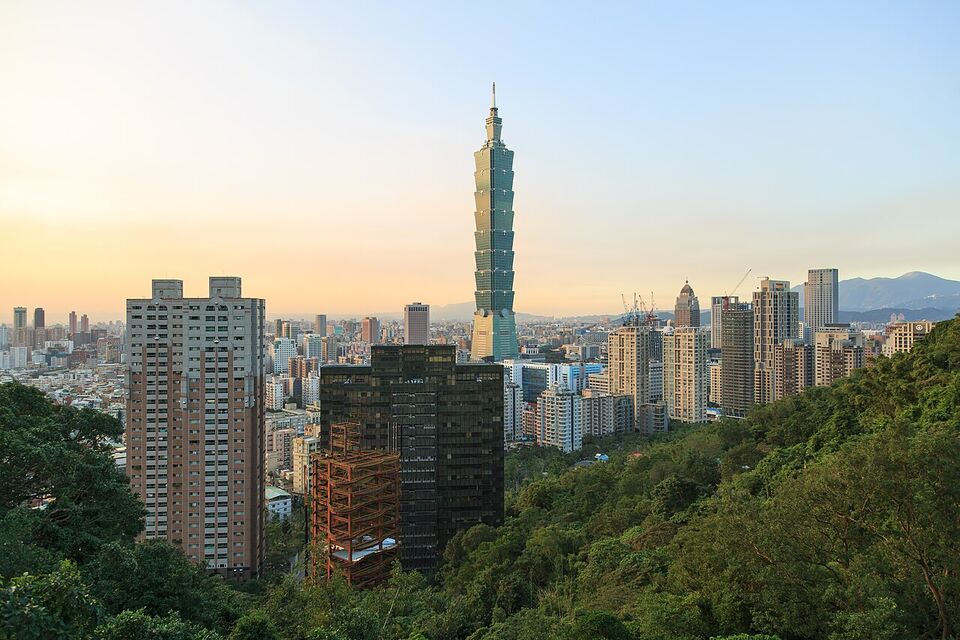
Shanghai is an easy flight on paper, but two things make it different from the other four cities. First, Japan and China have been in a diplomatic dispute since November 2025, and Chinese airlines have cut a large share of their Japan flights. One industry count reported scheduled China-Japan flights down by more than half for the summer of 2026 compared with 2025. Fewer flights means higher fares and less choice, and schedules can change late.
Second, Chinese entry rules for Americans are not the same as Korea's or Taiwan's. As of our checks, US citizens are not on China's standard 30-day visa-free list. The route that works for many visitors is China's 240-hour (10-day) visa-free transit, which requires a confirmed onward ticket to a third country or region within that time. Hong Kong, Macau and Taiwan count as third regions, so a trip such as Tokyo to Shanghai, then Shanghai to Hong Kong, then home, can qualify. The rules list approved entry ports and regions, so read the official Chinese embassy page before you book. If you do not qualify, you need a regular tourist visa, which takes planning.
Watch out
Do not assume a one-way ticket back to Japan counts as "onward travel" for the China transit rule. The onward flight must go to a different country or region than the one you came from. Confirm the rule on the Chinese embassy site, and check the US State Department's China page for its current advisory level before booking.
Fukuoka to Busan by ferry
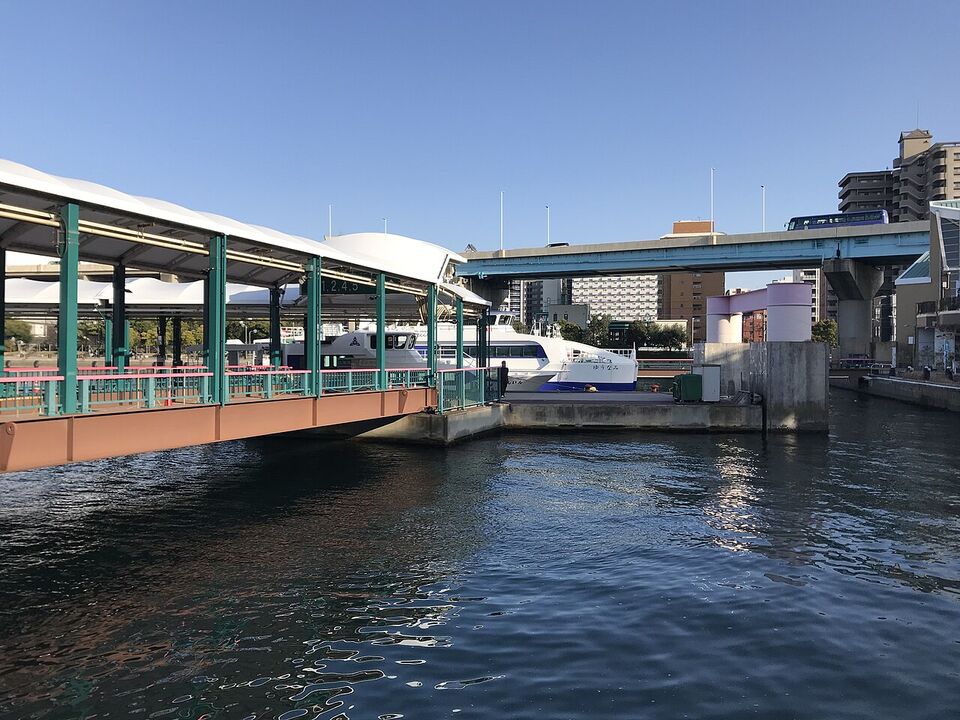
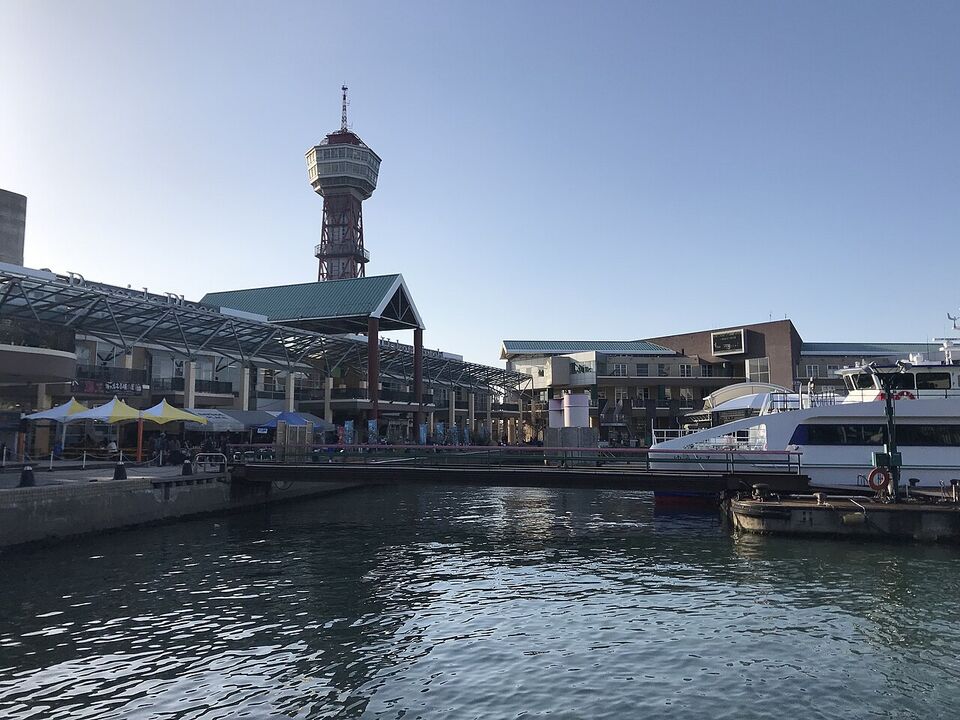
The ferry is the most memorable way to cross, and it is cheaper than most flights on the same route. Fukuoka (the port is Hakata) and Busan are about 130 miles (210 km) apart across the Korea Strait, which makes them one of the shortest international sea links in Asia.
What happened to the Queen Beetle
For years the high-speed JR Kyushu Beetle and Queen Beetle ran this route in about three and a half hours. The service stopped suddenly in August 2024 after a government inspection found problems with the operator's records and a leak in the ship. On December 23, 2024, JR Kyushu announced that the service would end permanently. If an older blog tells you to book the Queen Beetle, ignore it: it does not run and will not return.
What does run in 2026
- Camellia Line, New Camellia. A conventional passenger ship between Hakata and Busan. As of October 2026, ferry booking listings show a daytime departure from Hakata taking about 6 hours, and the return from Busan running overnight in about 11 hours 30 minutes. Cabins range from shared rooms on the floor to private cabins and suites. This is the sailing we can confirm.
- Kobee. A fast hydrofoil (about 3 hours) operated by the Korean company Miraejet has been reported between Hakata and Busan, but one major booking site no longer sells it and we could not confirm a current timetable. Treat it as a bonus if the operator's own site shows sailings for your dates, not as the plan.
- Shimonoseki-Busan ferries. Overnight ships (Kampu Ferry and Pukwan Ferry) link Shimonoseki, at the western tip of Honshu, with Busan in roughly 10 to 14 hours. This is useful if you are traveling by train through Hiroshima and Yamaguchi.
We did not find an official current fare table for the Camellia Line, so we do not quote a price. Fares depend on the cabin class and the season, and online tickets may include port and tourist fees. Check the operator's site or a ferry booking service for your date.
Insider tip
Because the westbound overnight sailing takes a long time, a common plan is to fly one way and ferry the other. Take the daytime ferry from Hakata to Busan (arrive in the afternoon), then fly Busan to Fukuoka or Osaka on the way back. Always allow extra time at the port for immigration, which is usually at the terminal about 90 minutes to two hours before departure.
Ferries are weather-dependent. Typhoons (June to October) and strong winter winds can cancel or delay crossings, so leave a buffer day if you need to be at an airport on a fixed date.
Entry rules for Americans next door
Japan lets Americans in for up to 90 days without a visa (see entry requirements). Your neighbors have their own rules, and two of them have changed recently. Always confirm on the official government site before you book, because rules change faster than guidebooks.
| Destination | Visa for tourism? | What else to do |
|---|---|---|
| South Korea | No, up to 90 days | K-ETA waived through December 31, 2026; Korea's online e-Arrival Card is the usual substitute (confirm on the official site) |
| Taiwan | No, up to 90 days | Free online Taiwan Arrival Card; passport validity of 6 months commonly advised (confirm) |
| Hong Kong | No, up to 90 days | Passport valid for the whole stay; carry proof of onward travel |
| Mainland China | Usually yes, unless you qualify for the 240-hour transit | See the Shanghai section; apply for a visa early if needed |
South Korea and the K-ETA
The K-ETA is South Korea's electronic travel authorization, which costs about 10,000 won (about $7) when you do apply. Korea has waived it for visa-free visitors, including Americans, one year at a time since 2023. The latest extension covers January 1 to December 31, 2026. Korean embassy notices and later articles we checked (through mid-October 2026) show no announcement of another extension.
What this means for you: if you are going before the end of 2026, you do not need a K-ETA. Korea's notice says exempt travelers can still apply for a K-ETA voluntarily to avoid a separate arrival card, so most visitors fill in the free online e-Arrival Card shortly before landing; confirm the current procedure on the official Korean sites. If you are traveling in 2027, check k-eta.go.kr (the only official application site) before you buy tickets, because the requirement may return on January 1, 2027. Apply only through the official site or app: unofficial services charge much more for the same thing.
Taiwan
Americans can stay up to 90 days in Taiwan without a visa. The Taiwan Arrival Card is a free online form, which you can fill in during the days before your flight (some travelers also do it at the airport with a QR code). Taiwan is commonly reported to require a passport valid for at least six months from arrival, which is stricter than Japan's rule. We could not confirm this on an official page, so check the Bureau of Consular Affairs and your expiration date.
Hong Kong
US citizens may visit Hong Kong for up to 90 days without a visa. Hong Kong is a separate immigration area from mainland China, so you will clear immigration and customs as you would for any international trip, and a Hong Kong stay does not count as entering the mainland.
Coming back to Japan
Returning to Japan from a side trip is a fresh arrival: you go through immigration again, fill in or use Visit Japan Web again, and normally receive a new period of up to 90 days. Immigration can still ask about your plans, so carry your onward ticket and know where you are staying. If you bought tax-free goods in Japan before your side trip, remember that under the refund system that started on November 1, 2026, the goods must leave Japan with you at the end of your trip, not at the start of the side trip (see money in Japan).
Open-jaw tickets from the US
An open-jaw ticket is a round trip where you fly into one city and home from another. The idea is simple: you do not retrace your steps. A traveler who spends two weeks in Japan, then continues to Seoul and flies home from Incheon, skips a flight back to Tokyo or Osaka.
There are two ways to build one:
- Multi-city fare on one ticket. Search "multi-city" on an airline or booking site: for example, Los Angeles to Tokyo, then Seoul to Los Angeles. You are then covered on one itinerary if the airline cancels or delays a connecting flight, and you can often check your bags through.
- Separate tickets. Book the transpacific flight, then add a short regional flight on a low-cost carrier. This can be cheaper, but if your first flight is late and you miss the second, the second airline owes you nothing.
The most common open-jaw pairs for Americans are Tokyo in, Seoul out; Osaka in, Taipei out; and Tokyo in, Osaka out (which skips a bullet train back). Several US airlines and the Japanese carriers fly nonstop between the West Coast, Seattle, Chicago, Dallas and New York and Tokyo; Seoul and Taipei are served by Korean Air, EVA Air, China Airlines, Starlux and US carriers too. Details on the US-Japan side are in flights to Japan.
Save money
Price a normal round trip first, then the open-jaw version. Often the difference is small, and the open-jaw saves you a regional flight or a day. Also compare adding a stopover: some Asian carriers, such as EVA Air and Cathay Pacific, let you stop in Taipei or Hong Kong for a few nights on the way to Japan for little or no extra airfare.
The JR Pass and international travel
The Japan Rail Pass covers JR trains, some JR buses and one JR ferry (to Miyajima) inside Japan. It does not cover any flight, any airline, or the Fukuoka-Busan ferry. The Haruka airport express to Kansai Airport and the Narita Express to Narita are included, so the pass helps you get to the airport, and no further.
That means a side trip changes the math on the pass. Nobody should buy a pass just to reach an airport. If you are crossing to Korea from Fukuoka, the Hakata terminal is a short walk or subway ride from Hakata Station, so a regional pass for Kyushu is usually better than a nationwide one. Our JR Pass page works through when the pass pays off, and getting around covers the alternatives.
One related cost: Japan's departure tax is now ¥3,000 (about $19) per person, effective July 1, 2026, and it is added to your airline ticket price. A side trip that leaves Japan and returns means you pay it each time you depart. It is not charged at the airport, so check that your fare shows it.
Sample routes
These plans assume you already have a Japan trip and want to add a neighbor. Pick the one that matches the end of your Japan route.
- Kyushu and Busan
Fukuoka, then Busan, then home
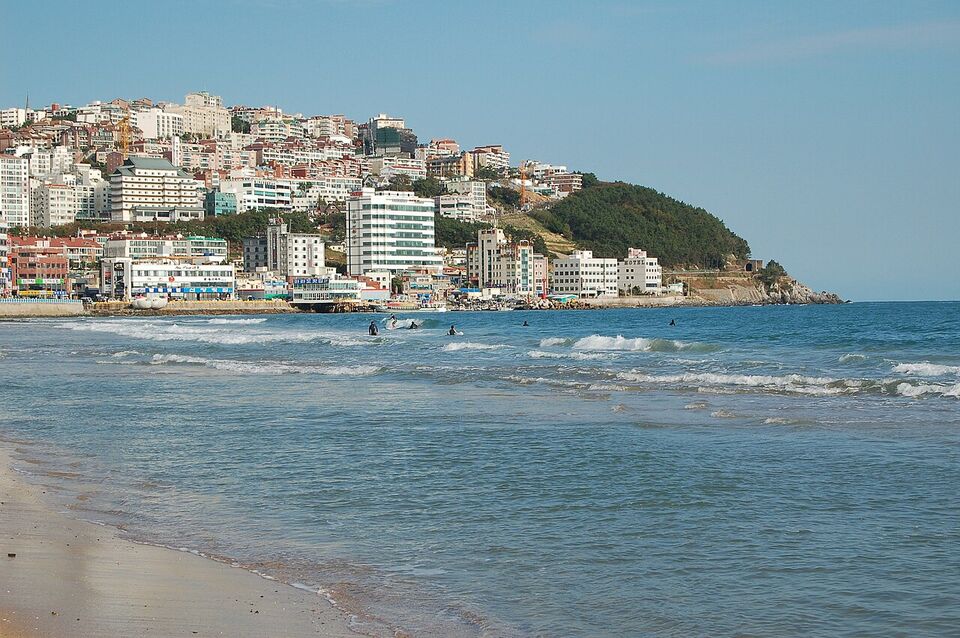
Spend a few days in Fukuoka and the rest of Kyushu (see Kyushu). Take the daytime ferry or a one-hour flight to Busan for 2 to 4 nights of seafood markets, beaches and temples. Fly home from Busan, or take the fast train to Seoul (about 2 hours 30 minutes on KTX) and fly home from there.
- Osaka and Seoul
Kansai, then Seoul
End your Japan route in Osaka, after Kyoto and Nara (see Osaka). Fly Kansai to Incheon in under two hours, spend 3 to 4 nights in Seoul, and fly home on the open-jaw leg.
- Tokyo and Taipei
Tokyo, then Taipei
Fly from Haneda or Narita to Taipei Taoyuan (about 3 hours 30 minutes to 4 hours), spend 3 to 5 nights eating in night markets and day-tripping to hot springs and the coast, then fly home. Taiwan's food and prices make it an easy contrast to Tokyo.
- Hong Kong stopover
Hong Kong on the way
Cathay Pacific and others serve Hong Kong from the US. A stopover of two or three nights on the way to Tokyo or Osaka adds a different city for little extra airfare on some tickets. Check the stopover rules when you book.
Whichever you pick, keep the jet lag in mind. Adding a flight across time zones is less of an issue between Japan, Korea and Taiwan (zero to one hour of difference, and no daylight saving), but a 14-hour gap from the US East Coast still shapes the first days. Our flights to Japan page has tips.
Practical details for the side trip
- Check that your passport is valid for at least six months past your arrival date, which satisfies Taiwan's rule and every airline.
- Register on Visit Japan Web again before you return to Japan, using your new flight details.
- Carry your onward or return ticket for each country; airlines at the check-in desk often ask for it.
- Bring cash in the local currency: the Korean won, New Taiwan dollar and Hong Kong dollar are available from airport ATMs on arrival, and your US debit card works at most of them. Confirm fees with your bank first.
- Download the local map and ride-hailing apps before you land. Google Maps works poorly in Korea for walking directions, and Naver Map or Kakao Map are better there.
- Keep your phone plan in mind: many Asia-wide eSIMs work across Japan, Korea and Taiwan (see staying connected).
- Travel insurance should cover each country you visit; the State Department notes that US Medicare does not cover care abroad.
If something goes wrong, the US embassy or consulate in each country can help with lost passports and emergencies. In Japan, the Japan Visitor Hotline is 050-3816-2787 (24 hours, English), and the Tokyo embassy number is 81-3-3224-5000.
When a side trip is worth it, and when to skip it
A side trip is worth it when you have at least 10 days, when your Japan route already ends in Osaka or Fukuoka (so the flight is short), or when you want a second culture for the same airfare. It is less worthwhile on a first trip of a week or less, where the packing, airport time and entry paperwork would eat a quarter of your time in Japan. In that case, save the neighbors for a second trip and spend the time in Japan's destinations instead.
Whichever way you go, book the Japan portion and the side trip so that a delay on one cannot wreck the other, and keep a buffer day before your flight home. Then enjoy the contrast: the same trip, a different country, a few hours from a place you already know.
Add it to a route in the trip builder, or ask us to plan the hotels, trains and guides for you.