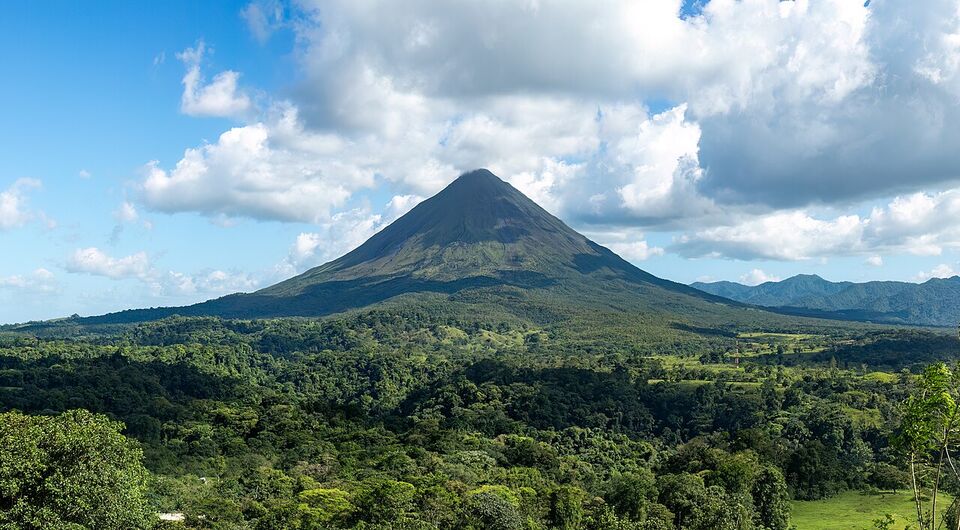
Pick Costa Rica if you want rainforest, volcanoes, wildlife and easy beaches in a country that is set up for American visitors, with a lower US advisory level and less Spanish required. Pick Colombia if cities, museums, food, music, colonial streets and mountain towns matter as much as scenery, and you are willing to plan more carefully. Families with younger children, first-time Latin America travelers and wildlife watchers lean Costa Rica; culture seekers, repeat visitors and coffee-and-city travelers lean Colombia.
The honest difference is the shape of the trip. Costa Rica is small, green and built around national parks and a few well-worn routes. Colombia is large, mountainous and varied, and its best stops sit far apart, so flights and altitude shape the plan. The State Department levels differ, so read the safety section before you decide.
| Costa Rica | Colombia | |
|---|---|---|
| Best for | Wildlife, volcanoes, cloud forest, beaches, families, first trips to Latin America | Cities, museums, colonial Cartagena, coffee towns, hiking, food and music |
| Entry for Americans | No visa; up to 180 days, set by the officer; proof of onward travel | No visa; up to 90 days, extendable to 180 in a calendar year; Check-MIG online form |
| US advisory (November 2026) | Level 2: Exercise increased caution due to crime | Level 3: Reconsider Travel; some areas Level 4 |
| Main airports | San José (SJO), Liberia (LIR, open 6 a.m. to 9 p.m.) | Bogotá (BOG), Medellín (MDE), Cartagena (CTG) |
| Currency | Colones, but tourist prices are in US dollars; US$1 = ₡445 | Pesos; US$1 = COP 3,300 |
| Spanish needed | Little in tourist areas | More; English is limited outside hotels and tourist districts |
| Beaches | Guanacaste, Manuel Antonio, Nicoya, Caribbean coast | Cartagena, Rosario Islands, Tayrona, San Andrés |
| Coffee | Tarrazú, Central Valley, Turrialba, Brunca | Salento and the Eje Cafetero; UNESCO landscape |
| Getting around | Shuttles, rental cars and slow buses; small planes for the Osa | Fly between regions; metros, ride apps and taxis in cities |
| Altitude | Mild; San José sits at about 3,400 ft (1,030 m); the coasts are at sea level | Bogotá at 8,660 ft (2,640 m); coast at sea level |
| Rainy season | May–October on the Pacific side, with November a transition month; Caribbean differs | Varies by region; two wet seasons in Bogotá and Medellín |
Nature or cities: the core difference
Costa Rica's appeal is the outdoors. A first trip usually combines a volcano and hot-springs base at Arenal and La Fortuna, a cloud-forest stop at Monteverde and a beach in Guanacaste or at Manuel Antonio. Most visitors on two weeks see monkeys, many birds and a sloth or two; big cats and tapirs are rare (see our wildlife guide). San José is mostly a gateway, with a few museums, the Teatro Nacional and coffee tours; see San José.
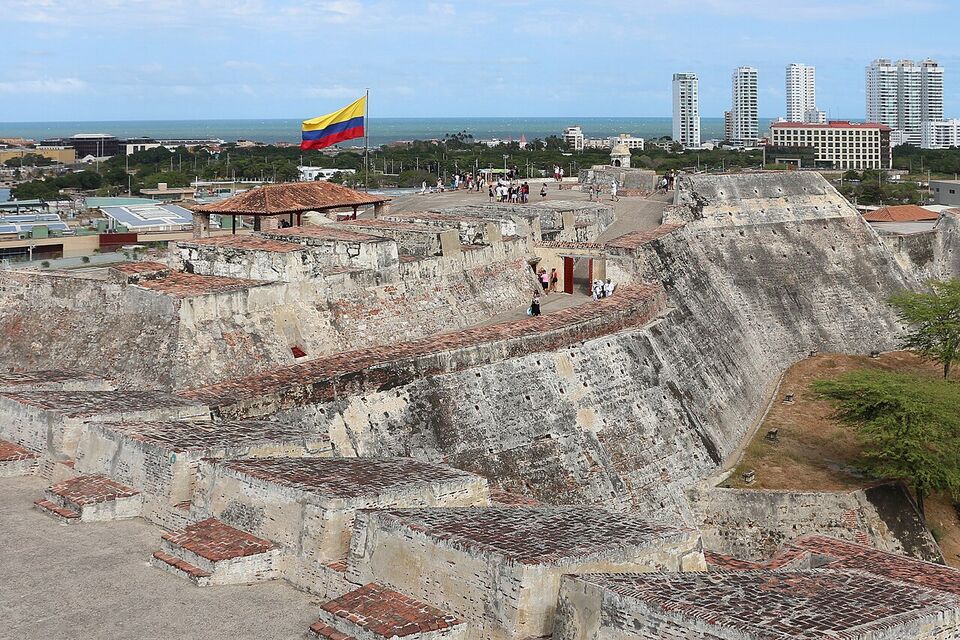
Colombia is a country of cities with scenery attached. Bogotá has the Gold Museum (COP 21,000, about $6, for foreigners, free on Sundays) and the Monserrate cable car; Medellín has its metro and Metrocable, and Cartagena has 11 kilometers (about 7 miles) of colonial walls, a UNESCO site since 1984. Add the coffee region, Tayrona and the Guatapé rock, and you get a trip built around culture first. Colombia also has real wilderness, from the Amazon to Caño Cristales, but reaching it takes flights and licensed guides. Pick the guide that matches your interests with Costa Rica by interest and Colombia by interest.
One planning rule applies to both: fewer bases beat more. Costa Rica's guide suggests 7 to 10 days with two or three bases, because mountain roads turn a 100-mile drive into most of a day. Colombia's suggests 7 days for two bases and 10 to 14 for three, because every extra stop costs most of a day. See planning Costa Rica and planning Colombia.
Flights and airports
Both countries have easy nonstops from the United States, and your home airport may decide this one. Costa Rica has two airports that matter. San José (SJO) suits Arenal, Monteverde, Manuel Antonio, the Osa and the Caribbean; Liberia (LIR) suits Guanacaste's beaches. Nonstops to SJO as of November 2026 include American from Charlotte, Dallas/Fort Worth and Miami, Delta from Atlanta, United from Houston, Newark and San Francisco, and JetBlue from Fort Lauderdale and New York JFK. Liberia is smaller and busier in the dry season, and its terminal operates only from 6 a.m. to 9 p.m. Read the end dates on seasonal winter routes. See flights to Costa Rica.
Colombia has three gateways. Bogotá (BOG) is the biggest hub; Medellín (MDE) serves Medellín and the coffee region; Cartagena (CTG) serves the coast. As listed in November 2026, American flies Miami to all three, Delta flies Atlanta to Bogotá and Cartagena, JetBlue serves Medellín and Cartagena from Fort Lauderdale, and United flies Houston to Bogotá and Medellín. New for the winter, Frontier adds Orlando to Bogotá (from December 14, 2026), Medellín (December 10) and Cartagena (December 19), and United adds Houston and Washington-Dulles to Cartagena (December 17). See flights to Colombia.
Two practical points. In Costa Rica, picking the wrong airport can add four or five hours of driving to your first day, and an open-jaw ticket (into one airport, out of the other) can save a day of backtracking. In Colombia, Bogotá's airport sits at 8,360 ft (2,548 m), so arrive prepared for altitude, and expect to fly again between regions; see domestic flights in Colombia.
Entry rules for Americans
Neither country asks Americans for a visa. The rules differ in the details, and both change with a published directive, so check the official sites close to your departure.
| Costa Rica | Colombia | |
|---|---|---|
| Visa | None; Group 1 country | None for tourism |
| Stay | Up to 180 days, set by the officer; extensions limited | Up to 90 days, extendable to 180 in a calendar year |
| Before you fly | We found no required entry form for US visitors | Check-MIG form online, 72 hours to 1 hour before travel |
| Passport | Valid for the whole trip; the stay cannot pass its expiry date | Valid for your whole stay; check your airline for longer rules |
| Onward ticket | Required; the officer asks to see it | Carry proof of onward or return travel |
| Departure tax | US$29, usually included in the ticket | Check whether your ticket includes airport fees |
| Yellow fever | Not recommended for visitors | Recommended for most of the country; Level 2 CDC notice; CDC also lists a certificate as an entry requirement, so check before you fly |
Costa Rica has no pre-approval. The officer at the desk stamps the number of days you may stay, up to 180, so read the stamp. You need proof of onward travel (a flight out, a bus ticket out of the country or a cruise passage), and an officer may ask for proof of funds of at least US$100 per month of stay. See Costa Rica entry rules.
Colombia asks you to file Check-MIG on Migración Colombia's official site (apps.migracioncolombia.gov.co/pre-registro) from 72 hours to 1 hour before you travel. The official pages state no fee, so we do not call it free: type the address yourself and leave any site that asks for a card first. The 90-day and 180-day figures come from a reference source, so confirm them on cancilleria.gov.co. See Colombia entry rules.
Watch out
If you visit Colombia first and Costa Rica next, ask about yellow fever. Costa Rica requires proof of vaccination from travelers aged nine months and older who arrive from countries on the CDC's risk list, and Colombia is on that list. Check with Costa Rica's tourism board and your airline before you book a combined trip.
Costs and money
Costa Rica prices tourism in US dollars, and the colón is near its strongest level in about 20 years, so hotels and tour operators have raised dollar prices. Our Costa Rica money guide says to plan on prices closer to a US resort area than to the rest of Central America. Travel-cost blogs, not a government, describe roughly US$45–80 per person per day for backpackers, about US$90–200 mid-range and US$275–500 luxury. A meal at a soda is roughly US$5–10.
Our Colombia money guide gives no single daily figure, because costs swing with where you sleep and how often you fly. The big costs are flights, hotel tier and tours. The low end is cheap: a Bogotá TransMilenio ride is COP 3,550 (about $1.10) and a Medellín metro ride on a Cívica card COP 3,820 (about $1.20). Hotels run in three tiers: $ under $120 a night for a double, $$ $120 to $300 and $$$ over $300, with higher prices in holiday weeks and in Cartagena.
| Sample costs | Costa Rica | Colombia |
|---|---|---|
| Park entry | Manuel Antonio US$18 (foreign adult); most parks about US$15–18 | Tayrona COP 81,000 (about $25) low season, COP 96,500 (about $29) high season |
| City sight | Museo Nacional US$11 for foreigners | Gold Museum COP 21,000 (about $6); Castillo San Felipe COP 38,000 (about $12) |
| Shared transfer | Shuttles roughly US$40–70 per person | Fly between regions; fares vary |
| Rental car | From roughly US$60 a day with insurance in high season | Only for experienced drivers on routes such as the coffee region |
| Restaurant extras | Usually 13% tax plus 10% service | Many add a suggested 10% tip, which is voluntary |
Surprises: in Costa Rica, a rental car needs mandatory liability insurance, typically US$13–25 a day, and national parks now take cards only at the entrance. In Colombia, add the San Andrés tourist card (about COP 105,000, about $32 or more) if you go, and ask your hotel about VAT, since foreign visitors have often not paid it but the rules were under review in 2026.
Safety, stated fairly
The State Department rates the two countries differently, and the sensible reading is to take each guide's own words. Costa Rica is Level 2: "Exercise increased caution in Costa Rica due to crime." The advisory says petty crime is the main threat, that armed robbery, homicide and sexual assault also occur, and it names no regions to avoid. Our Costa Rica safety summary concludes it is safe enough for most American visitors with sensible precautions. The likeliest problems are theft from parked rental cars, rip currents on beaches with no lifeguard, road accidents and mosquito-borne illness. The CDC lists a chikungunya outbreak notice for the northwest and a hepatitis A notice. See safety in Costa Rica.
Colombia is Level 3 as of November 2026: "Reconsider travel to Colombia due to crime, terrorism, civil unrest, kidnapping, and natural disasters. Some areas have an increased risk." News coverage reports a March 31, 2026 reissue that keeps Level 4, Do Not Travel, for Arauca; Cauca (except Popayán); Valle del Cauca (except Cali); Norte de Santander; and areas within 10 km (5 miles) of the Venezuela border. That list comes from news reports and may be incomplete, so read the advisory on travel.state.gov. Our Colombia safety page does not call any city or region safe or dangerous; it gives the official wording and the risks sources describe: phone snatching, overcharging, and drugged drinks tied to nightlife and dating apps. A January 2024 US Embassy alert followed eight suspicious deaths of US citizens in Medellín between November and December 31, 2023. See safety in Colombia.
In practice, Colombia's precautions are mostly city habits: phone out of sight on the street, registered taxis or ride apps, watch your drink, no dating-app meetups with strangers. A Level 3 advisory does not close the country, but it asks you to reconsider travel, avoid the Level 4 areas and carry medical-evacuation insurance. If a lower advisory level and fewer decisions matter most to you, that favors Costa Rica.
Beaches: Guanacaste vs Cartagena and Tayrona
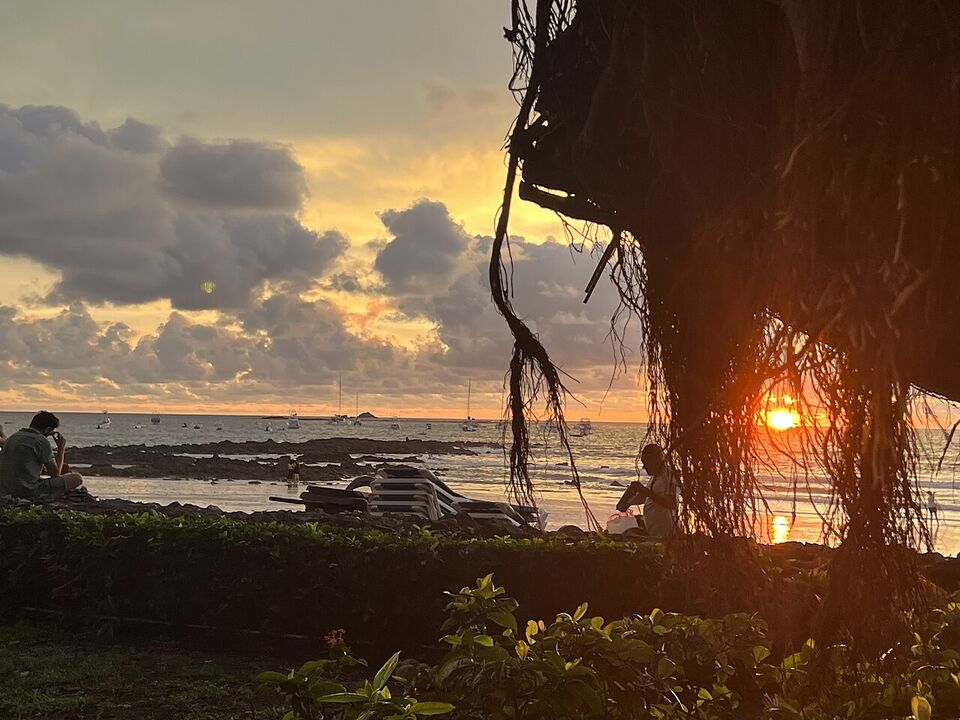
Costa Rica's Guanacaste is the strongest choice for an easy, sunny beach week. It has the country's driest climate from December to April, the biggest cluster of resorts, and Liberia's airport about an hour from the sand. Liberia has afternoon highs of about 97°F (36°C) in April. The trade-offs are that the dry season hills turn brown, crowds peak from December to April, and a strong El Niño is under way: authorities expected a much drier North Pacific this dry season, with Guanacaste worst affected for water supply, so ask your hotel before you book. See Guanacaste, Tamarindo and Costa Rica's beaches.
Colombia's Caribbean coast is a different bargain. Cartagena's own beaches in Bocagrande are urban, with high-rise hotels behind them, and most visitors who want clear water leave town. The usual day trips are Playa Blanca on Barú and the Rosario Islands, a marine national park about 12 miles (20 km) away, reached by licensed boat tour; ask what insurance and access rules apply before you pay. See Cartagena and the Rosario Islands.
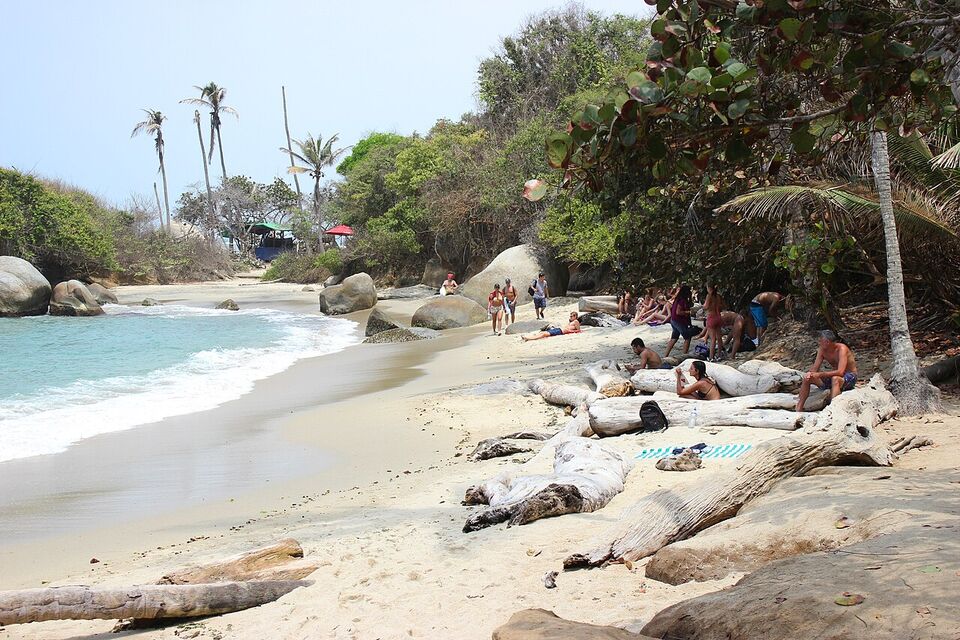
Tayrona is the wild option, not a simple beach day. Entry for foreign visitors was reported at COP 81,000 (about $25) in low season, COP 96,500 (about $29) in high season and COP 43,500 (about $13) for the Bahía Concha sector. The park requires an all-risk insurance policy, caps visitors at 6,900 a day, allows sea bathing only until 6 p.m., and closes for indigenous ceremonies: February 1–15, June 1–15 and October 19 to November 2 in 2026, with 2027 dates not published. Several beaches have strong currents and signs forbidding swimming. See Santa Marta and Tayrona and Colombia's beaches.
Both countries share a warning: many beaches have no lifeguard, no flag system and rip currents. If you want a purely relaxing resort week, Costa Rica is simpler. If you want a historic city with sea access and one national-park beach, Colombia fits. For all-inclusive island hopping, see Jamaica vs the Bahamas vs the Dominican Republic.
Coffee regions
Costa Rica's coffee is part of daily life, and the farms are close to the capital. The four regions you will see most are Tarrazú, the high mountains south of San José; the Central Valley, around San José, Heredia and Alajuela, where most farm tours are an easy day trip; Turrialba, on the wetter Caribbean-side slopes; and Brunca in the south. A typical tour lasts two to three hours, and picking runs from about November through early spring. See coffee in Costa Rica and the Central Valley.
Colombia makes coffee a destination. The Eje Cafetero covers Quindío, Risaralda and Caldas, and UNESCO listed the Coffee Cultural Landscape in 2011, including Salento's historic center. For most Americans the plan is Salento and the Cocora Valley with its wax palms, where Willys jeeps run from the town square 11 km up the valley. Allow at least three nights: getting there takes most of a day and rain can wipe out a morning. The best beans are exported, so seek a specialty cafe or a farm. See the coffee region and Colombian coffee.
Wildlife, hiking and adventure
For wildlife, Costa Rica is the easy win. Sloths and monkeys are common at Manuel Antonio, Cahuita and the Tortuguero canals, all four Costa Rican monkey species live in Corcovado National Park, and quetzals are a goal at Monteverde (never guaranteed). Adventure is packaged and abundant: ziplines, hanging bridges, white-water rafting and canyoning cluster around Arenal and Monteverde. Corcovado now requires a certified guide for every visitor, and park rules are tighter: Manuel Antonio closes Tuesdays and sells tickets online only, and Poás reopened with a daily limit and helmets. See national parks, adventure and the Osa Peninsula.
Colombia's nature is more dramatic and less packaged. Altitude changes the landscape every few hours: wax palms at Cocora, páramo above Bogotá, the Sierra Nevada and the Amazon at Leticia. Ciudad Perdida is a hard, humid trek that usually takes 4 to 6 days with a licensed guide and runs through indigenous territory. Caño Cristales shows its colors roughly from late July to November. Fees, permits and closures change often, so check before booking a remote trail. See hiking and nature, Ciudad Perdida and birdwatching.
Getting around
Costa Rica is small and slow. There is no passenger rail to the tourist towns, only a weekday commuter line in the Central Valley. Most visitors use shared shuttle vans (roughly US$40–70 per person on popular routes), a rental car, or buses, where most intercity rides cost under US$10. Drive times from San José are about 2.5 hours to Arenal, 3 to Manuel Antonio, 3.5 to Monteverde and 4.5 to Tamarindo, and rain, roadworks and slow trucks can add an hour. A short domestic flight is an option for the Osa. Uber is widely used but sits in a legal gray area, with no ride-hailing law as of mid-November 2026; red taxis, and orange ones at SJO, are the regulated option. See getting around Costa Rica, driving and car rental.
Colombia is large and mountainous, so most Americans fly between regions, use ride apps, hotel cars or registered taxis inside cities, and take a bus only for a short daytime hop such as Medellín to Guatapé. Bogotá to the Caribbean coast is a very long overland trip, so the guide says fly. The cities have metros and bus systems: TransMilenio in Bogotá, the metro, tram and cables in Medellín. Ride apps are widely used but their legal status is unclear, so confirm the plate and driver before you get in. See getting around Colombia.
Seasons and rain
Costa Rica sits close to the equator, so temperatures change little; rain and crowds decide the season. On the Pacific side, the dry season runs December to March (April is a transition month, and March is the driest and hottest), and the green season runs roughly May to November (November is a transition month), with a short dip in July and August and the rainiest weeks in September and October. The Caribbean side has no real dry season and is drier in February–March and September–October. Prices are highest in the dry season. See when to go to Costa Rica.
Colombia's weather depends on altitude more than on the calendar. The coast is hot all year with a dry season from about December to April; Bogotá has two rainy seasons (March to May, October to November) and is driest from December to February. For a coast-plus-city trip, December to February is the most reliable stretch and also the most crowded. See when to go to Colombia.
| Typical daytime high | Costa Rica | Colombia |
|---|---|---|
| Capital | San José airport 81–86°F (27–30°C) | Bogotá 65–68°F (18–20°C) |
| Hot beach city | Liberia about 97°F (36°C) in April | Cartagena 88–90°F (31–32°C) all year |
| Mountain town | Monteverde cooler and misty in any month | Medellín about 81–84°F (27–29°C) |
A strong El Niño affects both this season. Costa Rica raised its national alert to red on October 22, 2026 and warns of water shortages in Guanacaste; Colombia's weather institute expects El Niño to stay very strong into the first quarter of 2027. Expect drier and warmer weather than the averages above.
Families
Costa Rica is the easier family trip. Our family guide says the country has warm water, short distances and a tourism industry used to strollers and car seats. Resorts near Liberia suit toddlers; La Fortuna and Monteverde suit school-age kids and teens. The risks are winding roads, sun, ocean currents and afternoon rain.
Colombia works for families who plan fewer places and shorter travel days. Children usually enjoy beaches and boat rides on the coast, Medellín's cable cars, the farms and horses of the coffee region, and Bogotá's museums; the Gold Museum is free for children under 12. Problems are predictable: heat, altitude on the first night in Bogotá, and too many stops. Read the Level 3 advisory first and talk to your pediatrician. See Colombia with kids and health and altitude.
Spanish
You can travel Costa Rica with very little Spanish. Tourist hotels, tours and many restaurants have English-speaking staff, though Wikipedia reports about 10.7% of adults speak it as a second language, so a handful of phrases matter outside resorts. Ticos use usted by default, and pura vida works as hello, thanks and "all good." See the Costa Rica phrasebook.
Colombia asks for more. English is common in hotels, tour offices and tourist districts of Bogotá, Medellín and Cartagena, but much less in taxis, neighborhood restaurants, markets and small towns. Colombian Spanish is generally clear, Bogotá's especially, and usted is used widely. Learn greetings, ordering and taxi phrases from the Colombia phrasebook. If you speak no Spanish and want the lowest-friction first trip, choose Costa Rica; if you are practicing, Colombia is a good place to do it.
Choose Costa Rica if… / Choose Colombia if…
Choose Costa Rica if…
- Rainforest, volcanoes, sloths and monkeys are the trip.
- You want a lower US advisory level (Level 2) and a well-worn tourist route.
- You are traveling with toddlers or want a resort beach week in Guanacaste.
- You want to get by with little Spanish.
- You do not mind driving or shuttles on slow mountain roads.
Choose Colombia if…
- Cities, museums, colonial streets, food and music matter as much as scenery.
- You want coffee towns, wax-palm hikes and a UNESCO landscape.
- You are comfortable with a Level 3 advisory, will check the Level 4 areas on travel.state.gov and will follow city precautions.
- You will fly between regions and plan for altitude in Bogotá.
- You want to practice Spanish.