How to use this page
You can travel in Japan on English alone, especially in Tokyo, Kyoto and Osaka. But a few phrases make daily life smoother and are much appreciated. Staff in small restaurants, family inns and rural stations often know only a few words of English, and a polite attempt in Japanese changes the mood of the whole exchange.
The tables below are organized by situation, with the English first, the Japanese in script (so you can show your phone or this page to someone), and a simple pronunciation guide. Capital letters mark the syllable that gets a little more weight, but Japanese is spoken fairly evenly, so do not stress about it. If you say each syllable clearly and calmly, you will be understood.
Pronunciation in five minutes
- Vowels are short and pure: a as in "father", i as in "machine", u as in "food" (often almost silent at the end of a word, so desu sounds like "dess"), e as in "bed", o as in "go".
- Consonants are similar to English. The Japanese r is a light tap, between an English r, d and l.
- Long vowels are held twice as long. Kyoto is really "Kyoh-toh", and Tokyo is "Toh-kyoh".
- Double consonants, like the pp in kippu (ticket), have a short pause before them.
- Politeness: ending a sentence with desu or masu, or adding kudasai (please give me), makes it polite. This is the style used in all the tables below.
Pronouncing everything evenly, with no accent on the ends of words, is the best advice. Do not worry about pitch. Our etiquette guide explains the habits that go with the words, such as bowing slightly while you say thank you.
Insider tip
Download the Japanese language pack in your translation app before you leave home, so camera translation works offline. Use it for menus and signs, but for important requests, such as allergies, show a printed card or typed message in Japanese.
Greetings and polite basics
Greetings are important, and most staff in shops and restaurants will greet you with irasshaimase (welcome). You do not have to answer, but a nod and a small konnichiwa is polite. The word sumimasen is the most useful word you can learn.
| English | Japanese | Say it |
|---|---|---|
| Hello (daytime) | こんにちは | kohn-nee-chee-wah |
| Good morning | おはようございます | oh-hah-yoh go-zai-mas |
| Good evening | こんばんは | kohn-bahn-wah |
| Good night | おやすみなさい | oh-yah-soo-mee nah-sai |
| Goodbye | さようなら | sah-yoh-nah-rah |
| See you later (casual) | じゃあ、また | jah, mah-tah |
| Thank you | ありがとうございます | ah-ree-GAH-toh go-zai-mas |
| Thanks (casual) | ありがとう | ah-ree-GAH-toh |
| You're welcome | どういたしまして | doh ee-tah-shee-mash-teh |
| Yes | はい | hai |
| No | いいえ | ee-eh |
| Please (offering or asking) | おねがいします | oh-neh-gai shee-mas |
| Please (give me this) | ください | koo-dah-sai |
| Excuse me / sorry / thank you | すみません | soo-mee-mah-sen |
| I'm sorry (apology) | ごめんなさい | goh-men nah-sai |
| Nice to meet you | はじめまして | hah-jee-meh mash-teh |
| My name is ... | わたしは ... です | wah-tah-shee wah ... dess |
| I'm from America | アメリカから来ました | ah-meh-ree-kah kah-rah kee-mash-ta |
Some everyday useful questions and answers are in the next table. Note that hai (yes) often means "I hear you" and not always "I agree," so if something is important, check it twice.
| English | Japanese | Say it |
|---|---|---|
| Do you speak English? | 英語を話せますか? | eh-go oh hah-nah-seh-mas kah |
| I don't understand | わかりません | wah-kah-ree-mah-sen |
| I understand | わかりました | wah-kah-ree-mash-ta |
| Please say it again | もう一度お願いします | moh ee-chee-doh oh-neh-gai shee-mas |
| Slowly, please | ゆっくりお願いします | yook-koo-ree oh-neh-gai shee-mas |
| What is this? | これは何ですか? | koh-reh wah nahn dess kah |
| Where is ...? | ... はどこですか? | ... wah doh-koh dess kah |
| How much is it? | いくらですか? | ee-koo-rah dess kah |
| Is it OK? | いいですか? | ee dess kah |
| It's OK / I'm fine | 大丈夫です | dye-joh-boo dess |
| No thank you | けっこうです | kek-koh dess |
| Please write it down | 書いてください | kai-teh koo-dah-sai |
| Wi-Fi? | Wi-Fiはありますか? | wai-fai wah ah-ree-mas kah |
In restaurants
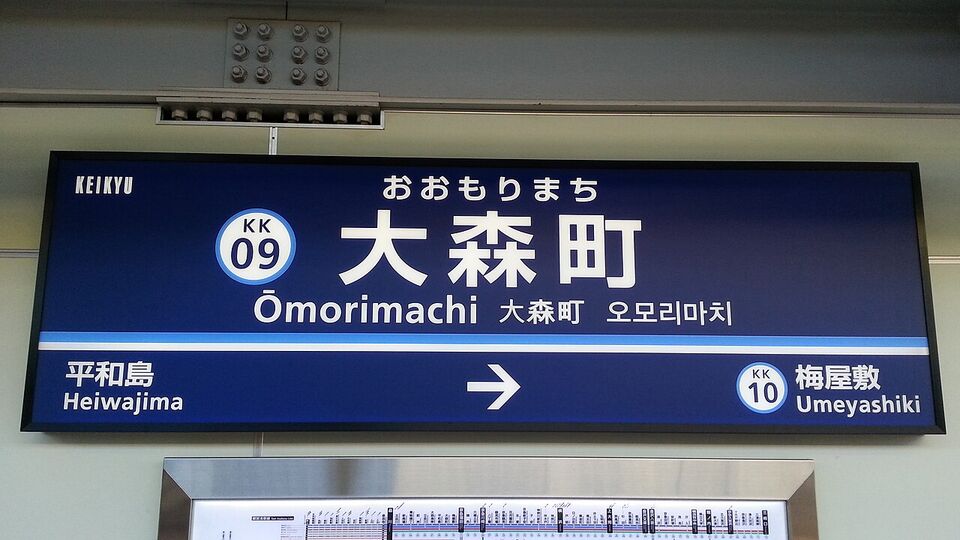
When you enter a restaurant, staff will usually ask how many people. Hold up fingers or use the phrases below. For more on how ordering works, ticket machines and manners, see our Japanese food guide.
| English | Japanese | Say it |
|---|---|---|
| A table for one, please | ひとりです | hee-toh-ree dess |
| Two people | ふたりです | foo-tah-ree dess |
| Three people | さんにんです | sahn-neen dess |
| Menu, please | メニューをください | meh-nyoo oh koo-dah-sai |
| English menu, please | 英語のメニューはありますか? | eh-go no meh-nyoo wah ah-ree-mas kah |
| I'll have this | これをください | koh-reh oh koo-dah-sai |
| What do you recommend? | おすすめは何ですか? | oh-soo-soo-meh wah nahn dess kah |
| Same thing, please | 同じものをください | oh-nah-jee moh-noh oh koo-dah-sai |
| Water, please | お水をください | oh-mee-zoo oh koo-dah-sai |
| Check, please | お会計をお願いします | oh-kai-keh oh oh-neh-gai shee-mas |
| Together or separate? | 一緒ですか、別々ですか? | iss-shoh dess kah, beh-tsu-beh-tsu dess kah |
| Can I pay by card? | カードは使えますか? | kah-doh wah tsoo-kah-eh-mas kah |
| It was delicious | おいしかったです | oh-ee-shee kaht-tah dess |
| Thanks for the meal (before eating) | いただきます | ee-tah-dah-kee-mas |
| Thanks for the meal (after eating) | ごちそうさまでした | goh-chee-soh sah-mah desh-ta |
| Beer, please | ビールをください | bee-roo oh koo-dah-sai |
| Cheers! | 乾杯! | kahn-pai |
Dietary needs and allergies
If you have a serious allergy, a printed card in Japanese is safer than a spoken phrase. These phrases help in a pinch. Japanese cooks use fish stock (dashi) in many dishes, so vegetarians should mention it. Our food guide has more on allergies, vegetarian, halal and gluten-free eating.
| English | Japanese | Say it |
|---|---|---|
| I am vegetarian | わたしはベジタリアンです | wah-tah-shee wah beh-jee-tah-ree-ahn dess |
| I don't eat meat or fish | 肉と魚は食べません | nee-koo toh sah-kah-nah wah tah-beh-mah-sen |
| No fish stock (dashi), please | だしを使わないでください | dah-shee oh tsoo-kah-wah-nai deh koo-dah-sai |
| I have an allergy | アレルギーがあります | ah-reh-roo-gee gah ah-ree-mas |
| Does this contain ...? | ... は入っていますか? | ... wah hait-teh ee-mas kah |
| I cannot eat wheat | 小麦が食べられません | koh-mee-gee gah tah-beh-rah-reh-mah-sen |
| Is this halal? | これはハラールですか? | koh-reh wah hah-rah-roo dess kah |
| No pork, please | 豚肉は抜いてください | boo-tah-nee-koo wah noo-ee-teh koo-dah-sai |
Watch out
Saying "I'm vegetarian" does not always remove fish stock, bonito flakes or pork broth, because many cooks do not think of those as meat. Name the ingredients you avoid, and be ready to choose another dish if the kitchen cannot help.
Menu words
Many menus come with photos, but these words help you decode the rest. Cooking style words are often at the end of a dish name: -yaki is grilled or pan-fried, -age is deep-fried and -ni is simmered.
| English | Japanese | Say it |
|---|---|---|
| Rice | ご飯 | goh-hahn |
| Noodles | 麺 | men |
| Meat | 肉 | nee-koo |
| Beef | 牛肉 | gyoo-nee-koo |
| Pork | 豚肉 | boo-tah-nee-koo |
| Chicken | 鶏肉 | toh-ree-nee-koo |
| Fish | 魚 | sah-kah-nah |
| Egg | 卵 | tah-mah-go |
| Vegetables | 野菜 | yah-sai |
| Tofu | 豆腐 | toh-foo |
| Soy sauce | 醤油 | shoh-yoo |
| Set meal | 定食 | teh-shoh-koo |
| Lunch set | ランチ | rahn-chee |
| Fried | 揚げ | ah-geh |
| Grilled | 焼き | yah-kee |
| Raw | 生 | nah-mah |
| Spicy | 辛い | kah-rai |
| Sweet | 甘い | ah-mai |
| Beer | ビール | bee-roo |
| Sake | 日本酒 | nee-hon-shoo |
| Tea | お茶 | oh-chah |
| Coffee | コーヒー | koh-hee |
For drink orders, such as sake grades and highballs, see our drinks guide.
Trains, taxis and signs
Stations have English signs, and ticket machines have an English button. Still, these phrases help when you ask for directions or need a taxi. Many taxi drivers speak little English, so show your destination written in Japanese on your phone or on a card. For passes and fares, see our getting around guide.
| English | Japanese | Say it |
|---|---|---|
| Where is the station? | 駅はどこですか? | eh-kee wah doh-koh dess kah |
| A ticket to Kyoto, please | 京都までの切符をください | kyoh-toh mah-deh no keep-poo oh koo-dah-sai |
| Reserved seat | 指定席 | shee-teh-seh-kee |
| Non-reserved seat | 自由席 | jee-yoo-seh-kee |
| Which platform? | 何番線ですか? | nahn-bahn-sen dess kah |
| Does this train go to Osaka? | この電車は大阪へ行きますか? | koh-noh den-shah wah oh-oh-sah-kah eh ee-kee-mas kah |
| Where do I change? | どこで乗り換えますか? | doh-koh deh noh-ree-kah-eh-mas kah |
| What time does it leave? | 何時に出発しますか? | nahn-jee nee shoo-hah-tsoo shee-mas kah |
| Next stop | 次の駅 | tsoo-gee no eh-kee |
| Last train | 終電 | shoo-den |
| Bullet train | 新幹線 | shin-kahn-sen |
| Taxi, please (to this address) | この住所までお願いします | koh-noh joo-shoh mah-deh oh-neh-gai shee-mas |
| Please stop here | ここで止めてください | koh-koh deh toh-meh-teh koo-dah-sai |
| Left / Right / Straight | 左 / 右 / まっすぐ | hee-dah-ree / mee-gee / mahs-soo-goo |
Directions are easiest to understand by pointing, and a Japanese person asked for help will often walk you part of the way. If you cannot find an address, try the nearest police box (koban), where officers have maps.
Shopping
Clerks usually say irasshaimase when you enter. Prices are fixed, and bargaining is rare except at flea markets. The tax-free system now works as a refund; see our shopping guide. Have your passport ready if you plan to claim the refund.
| English | Japanese | Say it |
|---|---|---|
| I'm just looking | 見ているだけです | mee-teh ee-roo dah-keh dess |
| Do you have this in another size? | ほかのサイズはありますか? | hoh-kah no sai-zoo wah ah-ree-mas kah |
| Can I try it on? | 試着してもいいですか? | shee-chah-koo shee-teh moh ee dess kah |
| This one, please | これをください | koh-reh oh koo-dah-sai |
| Too expensive | 高いです | tah-kai dess |
| Cheaper one? | もっと安いものはありますか? | moht-toh yah-soo-ee moh-noh wah ah-ree-mas kah |
| Is this tax-free? | 免税できますか? | men-zeh deh-kee-mas kah |
| Passport (for tax-free) | パスポート | pah-soo-poh-toh |
| A bag, please | 袋をください | foo-koo-roh oh koo-dah-sai |
| I don't need a bag | 袋は大丈夫です | foo-koo-roh wah dye-joh-boo dess |
| Can you gift wrap it? | プレゼント用に包んでもらえますか? | poo-reh-zen-toh yoh nee tsoo-tsoon-deh moh-rah-eh-mas kah |
| Cash or card? | 現金ですか、カードですか? | gen-kin dess kah, kah-doh dess kah |
| Where is the toilet? | トイレはどこですか? | toy-reh wah doh-koh dess kah |
Emergencies
In an emergency, dial 110 for police and 119 for fire and ambulance. The operator may speak limited English, so say the word "ambulance" or "fire" first, then your location. The Japan Visitor Hotline (050-3816-2787), run by the Japan National Tourism Organization, is open 24 hours in English for emergencies and general help. The US Embassy in Tokyo is at 81-3-3224-5000. See our safety guide and health guide for more.
| English | Japanese | Say it |
|---|---|---|
| Help! | 助けて! | tah-soo-keh-teh |
| Stop! / Stop it! | やめて! | yah-meh-teh |
| Call the police, please | 警察を呼んでください | keh-sah-tsu oh yohn-deh koo-dah-sai |
| Call an ambulance, please | 救急車を呼んでください | kyoo-kyoo-shah oh yohn-deh koo-dah-sai |
| I need a doctor | 医者が必要です | ee-shah gah hee-tsoo-yoh dess |
| Where is the hospital? | 病院はどこですか? | byoh-een wah doh-koh dess kah |
| I'm sick | 具合が悪いです | goo-ai gah wah-roo-ee dess |
| It hurts here | ここが痛いです | koh-koh gah ee-tai dess |
| I lost my passport | パスポートをなくしました | pah-soo-poh-toh oh nah-koo-shee-mash-ta |
| My wallet was stolen | 財布を盗まれました | sai-foo oh noo-soo-mah-reh-mash-ta |
| I'm lost | 道に迷いました | mee-chee nee mah-yoh-ee-mash-ta |
| Fire! | 火事です! | kah-jee dess |
| Earthquake | 地震 | jee-shin |
| Please call the US Embassy | アメリカ大使館に連絡してください | ah-meh-ree-kah dye-shee-kahn nee ren-rah-koo shee-teh koo-dah-sai |
Different from home
Calling 911 does not work in Japan. Use 110 for police and 119 for fire and ambulance. Hotels will call for you, and any police box (koban) can help with lost items, lost passports and directions.
Numbers and counting money
Numbers 1 to 10 are the base for everything else. Eleven is "ten-one" (juichi), twenty is "two-ten" (nijuu), and so on. The numbers 4 and 7 have two readings: yon or shi, and nana or shichi. Shi sounds like the word for death, so people usually say yon and nana.
| English | Japanese | Say it |
|---|---|---|
| 1 | 一 (いち) | ee-chee |
| 2 | 二 (に) | nee |
| 3 | 三 (さん) | sahn |
| 4 | 四 (よん/し) | yohn (or shee) |
| 5 | 五 (ご) | goh |
| 6 | 六 (ろく) | roh-koo |
| 7 | 七 (なな/しち) | nah-nah (or shee-chee) |
| 8 | 八 (はち) | hah-chee |
| 9 | 九 (きゅう) | kyoo |
| 10 | 十 (じゅう) | joo |
| 20 | 二十 | nee-joo |
| 100 | 百 (ひゃく) | hyah-koo |
| 1,000 | 千 (せん) | sen |
| 10,000 | 一万 (いちまん) | ee-chee-mahn |
Prices and yen
Prices are said in yen (en), and there are no cents. Large amounts use man (10,000) as a base, so ¥30,000 is sanman ("three ten-thousands"). Coins come in 1, 5, 10, 50, 100 and 500 yen, and notes in 1,000, 2,000 (rare), 5,000 and 10,000. Quick math: ¥1,000 is about $6.40 at our guide rate of US$1 = ¥157. For cash and ATM details, see our money guide.
| English | Japanese | Say it |
|---|---|---|
| 100 yen | 百円 | hyah-koo en |
| 500 yen | 五百円 | goh-hyah-koo en |
| 1,000 yen | 千円 | sen en |
| 2,500 yen | 二千五百円 | nee-sen goh-hyah-koo en |
| 5,000 yen | 五千円 | goh-sen en |
| 10,000 yen | 一万円 | ee-chee-mahn en |
| How much in total? | 全部でいくらですか? | zen-boo deh ee-koo-rah dess kah |
| Change (money back) | おつり | oh-tsoo-ree |
Counting people and things
Japanese uses different counters for different things. These are the ones you will use most. For a table at a restaurant, say the number of people. For items on a menu, use the general series: hitotsu (1), futatsu (2), mittsu (3), yottsu (4), itsutsu (5). If you hold up fingers, that works too.
- People: hitori (one person), futari (two), san-nin (three), yo-nin (four), go-nin (five).
- General items: hitotsu, futatsu, mittsu, yottsu, itsutsu.
- Drinks (glasses): ippai (one), nihai (two), sanbai (three).
- Tickets and flat things: ichimai (one), nimai (two), sanmai (three).
Key kanji to recognize
You do not need to read Japanese to travel, but a small set of characters (kanji) shows up on doors, in stations and at restaurants. If you recognize these, you will rarely be confused. Many signs also have English or pictograms, but these are the exceptions.
| English | Japanese | Say it |
|---|---|---|
| Entrance | 入口 | ee-ree-goo-chee |
| Exit | 出口 | deh-goo-chee |
| Emergency exit | 非常口 | hee-joh-goo-chee |
| Men | 男 | oh-toh-koh |
| Women | 女 | on-nah |
| Toilet | お手洗い / トイレ | oh-teh-ah-rai / toy-reh |
| Open / in business | 営業中 | eh-gyoh-choo |
| Closed (today) | 本日休業 / 休み | hon-jee-tsu kyoo-gyoh / yah-soo-mee |
| Preparing (not yet open) | 準備中 | joon-bee-choo |
| Push / Pull | 押 / 引 | oh-soo / hee-koo |
| No smoking | 禁煙 | kin-en |
| Station | 駅 | eh-kee |
| Free of charge | 無料 | moo-ryoh |
| No entry / prohibited | 立入禁止 / 禁止 | tah-chee-ee-ree kin-shee / kin-shee |
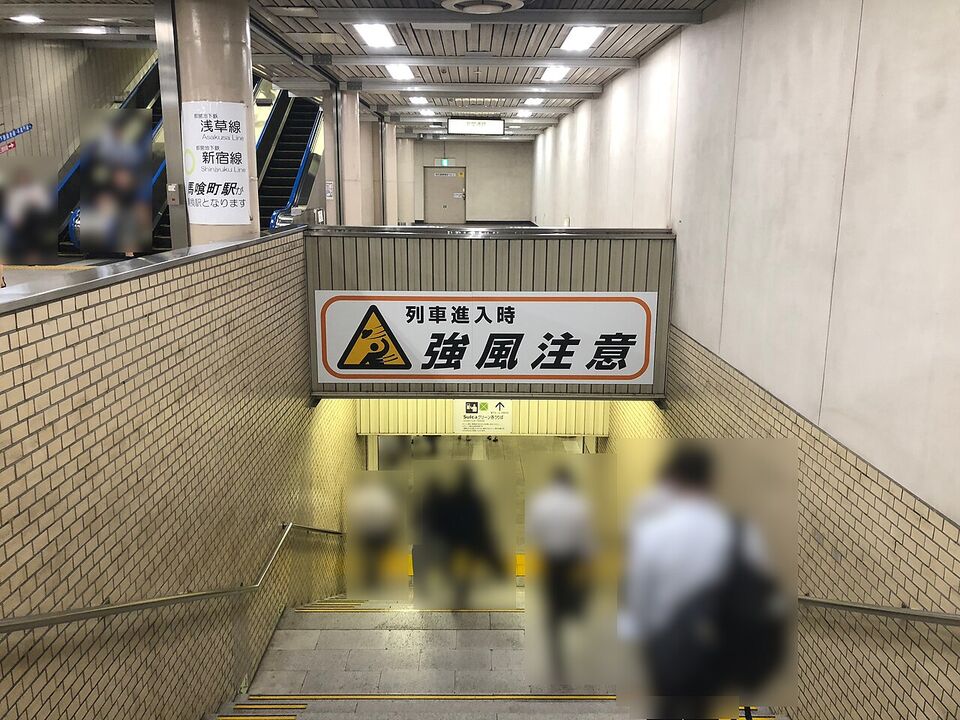
| Caution | 注意 | choo-ee |
One more tip: the characters for men (男) and women (女) are easy to remember. The man character has a field (田) on top of strength (力), and the woman character looks like a person kneeling. Another rule: signs at toilets often use blue for men and red for women, but check the characters to be sure.
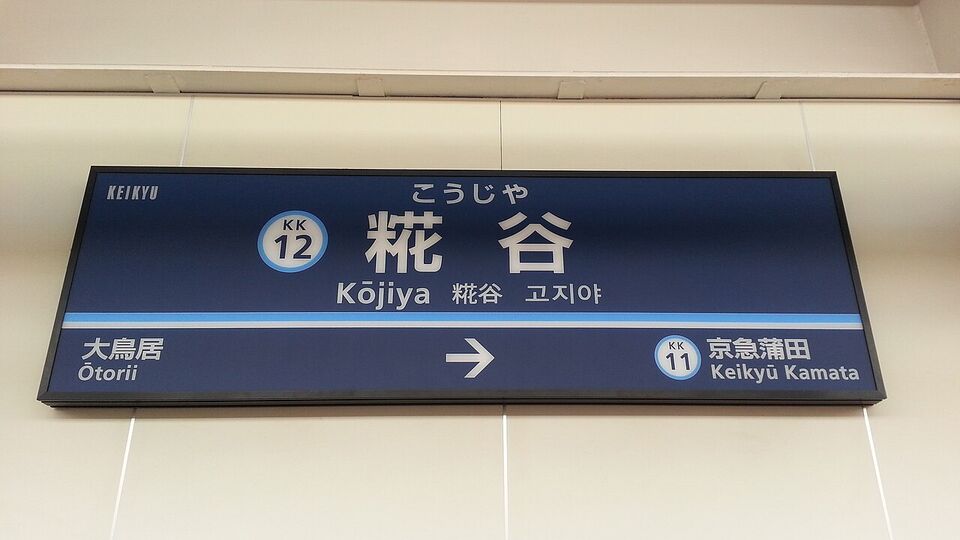
Also look for the characters on bus and train stops. Eki (駅) means station, and station names are usually shown in Japanese, English letters and sometimes a number. Compare the English letters on your ticket or app with the sign.
At the hotel
Hotel staff in cities usually speak some English, but ryokan and small inns may not. These phrases cover the most common requests. Checking in, you will usually be asked to show your passport; foreign guests are legally required to give their passport details at check-in. For where to stay, see our accommodation guide.
| English | Japanese | Say it |
|---|---|---|
| I have a reservation | 予約しています | yoh-yah-koo shee-teh ee-mas |
| Check-in, please | チェックインをお願いします | chek-koo-een oh oh-neh-gai shee-mas |
| Can you hold my luggage? | 荷物を預かってもらえますか? | nee-moh-tsu oh ah-zoo-kaht-teh moh-rah-eh-mas kah |
| What time is breakfast? | 朝食は何時ですか? | choh-shoh-koo wah nahn-jee dess kah |
| What is the Wi-Fi password? | Wi-Fiのパスワードは何ですか? | wai-fai no pah-soo-wah-doh wah nahn dess kah |
| Please send this luggage to the airport | この荷物を空港に送ってください | koh-noh nee-moh-tsu oh koo-koh nee oh-koot-teh koo-dah-sai |
| Can you call a taxi? | タクシーを呼んでもらえますか? | tahk-shee oh yohn-deh moh-rah-eh-mas kah |
| The air conditioner is not working | エアコンが動きません | eh-ah-kohn gah oo-goh-kee-mah-sen |
Apps and other help
A translation app with camera mode, a map app with train times and a notes app with your hotel's address in Japanese will cover most problems. Hotels will write the address of your next destination in Japanese if you ask. For a taxi, hand the driver a printed address or the hotel's business card. When in doubt, point, smile and say sumimasen. See our staying connected page for SIM and data options.
Add it to a route in the trip builder, or ask us to plan the hotels, trains and guides for you.