Overview: South Korea works well with children
South Korea is an easy country for families, and it is better than many Americans expect. Cities are clean, public transport is cheap and clear, and a lot of the entertainment is built for kids: big theme parks, aquariums, science museums, indoor playgrounds, beaches and well-marked walking trails. Parents are welcome in restaurants and shops, and locals are generally warm toward small children.
The challenges are mostly about planning. The flight is long, summers are hot, the food can be spicy, and old neighborhoods have stairs. This page covers what works at what age, how to get around with a stroller, baby facilities, food, lodging and the mistakes that tire families out. For the basics of the trip, start with Plan Your Trip to South Korea, and for the city that most families use as a base, read Seoul.
A word about paperwork. Each child needs his or her own passport. US citizens are exempt from K-ETA through December 31, 2026. For travel from January 1, 2027, check k-eta.go.kr before you book. Complete the online e-Arrival Card before you land, using only the official site, e-arrivalcard.go.kr. Our Entry Rules for Americans (K-ETA) page has the details.
What works at which age
Kids' needs change a lot between a baby, a preschooler and a teenager, so it helps to pick the trip around the youngest child's limits.
Babies and toddlers (0 to 3)
The trip is mostly about comfort: naps, feeds and short outings. Pick one anchor per day (a park, a mall, a short museum) and leave plenty of unplanned time. Korean malls and department stores are the easy choice, because they have elevators, air conditioning or heating, nursing rooms and restaurants. Parks in Seoul, such as the Han River parks, are good for a stroll and a picnic. A baby carrier will get you into places where a stroller will not go.
Preschoolers (4 to 5)
This age loves animals and rides. Aquariums, zoos, indoor playgrounds and the gentler theme park rides are ideal. Keep outings short, mix indoor and outdoor, and build in a rest after lunch. Many preschoolers tire out on long palace walks, so keep those to an hour or so and use the free hanbok perk (see below) as a reason to go.
School-age kids (6 to 12)
This is the sweet spot. Kids can walk a few miles, enjoy the big theme parks, try a hands-on museum, climb a small mountain or a fortress wall and spend a day at the beach. It is also the age that gets the most out of the culture: dressing up in hanok and hanbok, making a craft, or watching the guard ceremony.
Teens
Teens often enjoy the shopping, street food, cafés and K-pop and K-drama culture. Give them a say in the plan, and let them run a day. See K-pop and K-drama and Shopping and K-Beauty for ideas, and Seoul Neighborhoods for areas like Hongdae and Seongsu that suit teenagers.
Theme parks
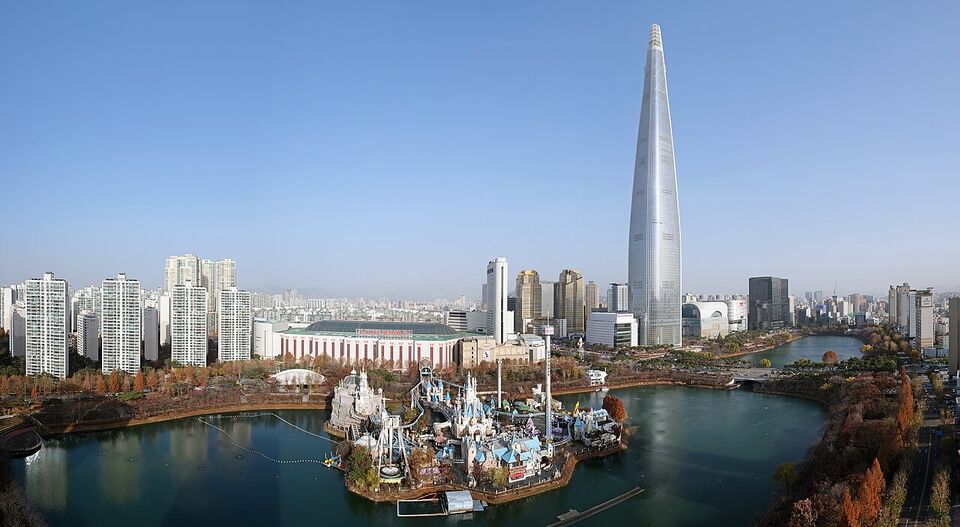
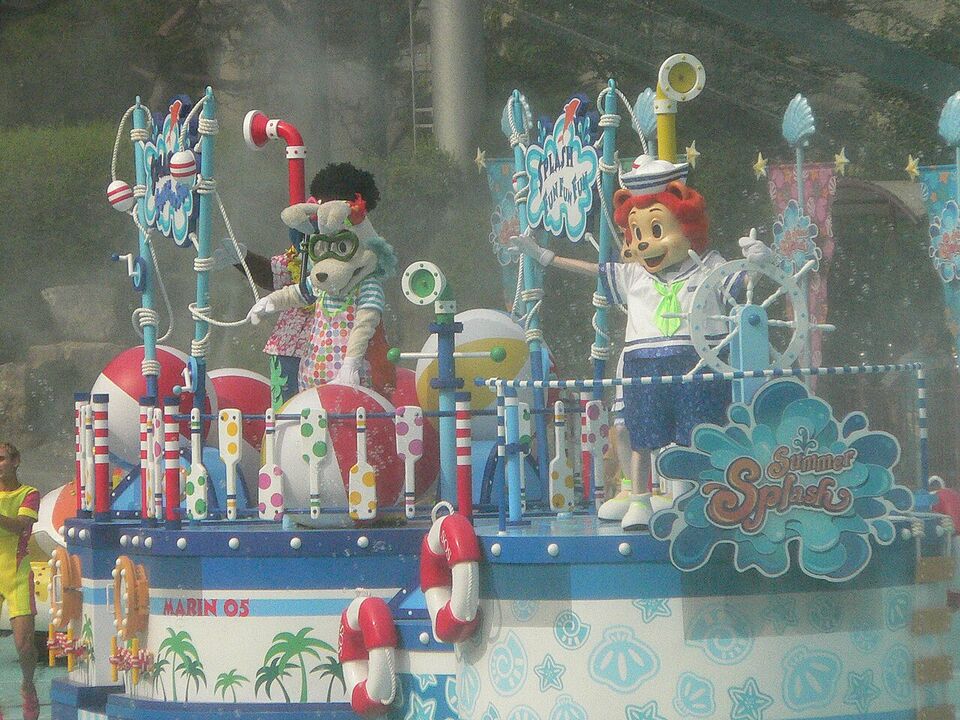
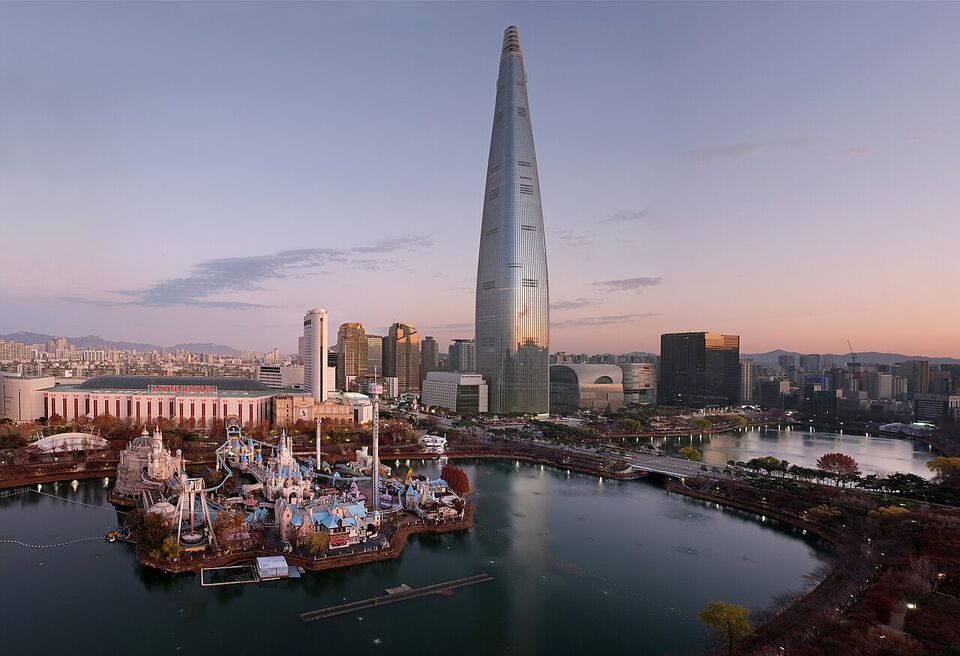
Lotte World in Seoul is the easiest park for a first trip. It combines an indoor park (Adventure) and an outdoor park (Magic Island) on the Seoul subway network, so the weather rarely wrecks the day. Published information says it is open all year, usually from 10 a.m. to 9 p.m., with parades at about 2 p.m. and 7 p.m. except on Mondays; confirm on lotteworld.com. Some Magic Island rides close in cold, heat, wind or rain.
Published one-day ticket prices are about ₩62,000 (about $47) for adults, ₩54,000 (about $41) for teens and ₩47,000 (about $35) for children, with babies under 48 months at about ₩15,000 (about $11). After 4 p.m. an adult ticket is about ₩50,000 (about $38). Prices change, so check lotteworld.com before you buy, and look for family or online discounts. Lotte World Adventure also has a skating rink on its third basement level, and the Lotte World Aquarium is in the nearby mall.
Everland, in Yongin south of Seoul, is the country's largest amusement park, and it is close to the Korean Folk Village, so the two can be combined in a long day trip. Legoland Korea Resort is in Chuncheon. We could not confirm 2026 prices or hours for either, so check the official sites and read Day Trips from Seoul for how to reach them.
Save money
Go on a weekday outside school holidays, and buy tickets online ahead of time. Children's Day, May 5, is a public holiday, and many attractions are packed with local families that day, so avoid it unless you want the festival atmosphere.
Zoos, aquariums and science museums
Aquariums
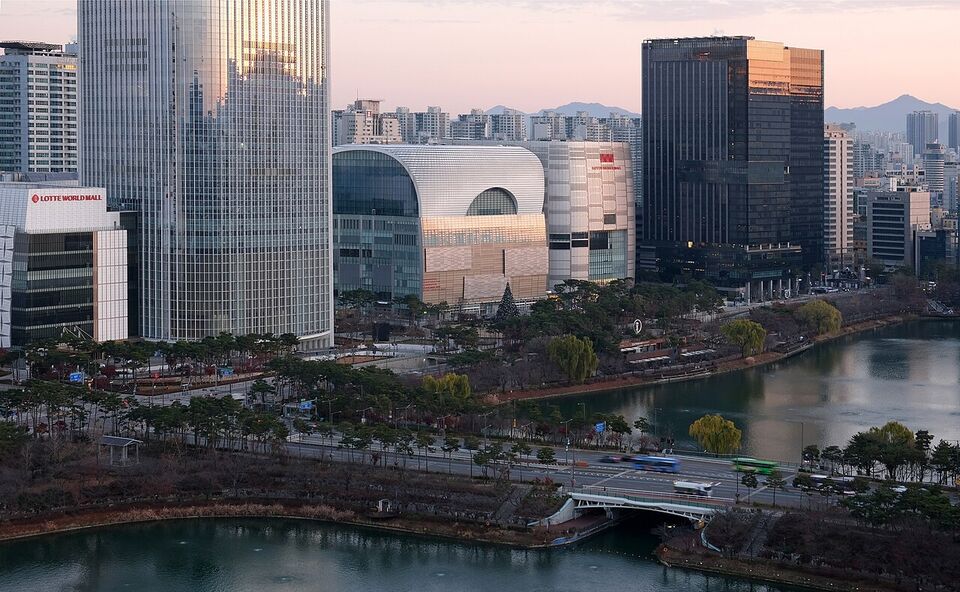
Aquariums are a safe bet for rain, heat and cold. In Seoul, the COEX Aquarium is in Gangnam and the Lotte World Aquarium sits in the Lotte World Mall. In Busan, Sea Life Busan Aquarium is near Haeundae Beach. In the south, Hanhwa Aqua Planet is a large aquarium in Yeosu. Prices and hours change, so check each site, and read Busan for how to combine an aquarium with the beach.
Zoos
The Seoul Zoo, in Seoul Grand Park south of the city, and the zoo at Everland are the two big options near the capital. Both involve a lot of walking, with hills, so a carrier or a light stroller helps, and summer midday heat is hard on little ones. Check each site's hours and ticket rules.
Science and children's museums
The War Memorial of Korea in Seoul has a children's museum, and other Seoul museums, including the National Museum of Korea, have kids' areas and workshops. Science museums such as the National Science Museum in Daejeon and the one in Gwacheon near Seoul are good for rainy days, though they may need reservations for some halls and have a weekly closing day. Hours and closed days change, so check each museum's official site and keep the plan flexible.
Indoor playgrounds and rainy days
Korea is full of indoor play spaces. The most common are kids cafes (키즈카페), which are paid play areas with ball pits, slides and soft climbing frames. You usually pay by the hour or by a set time per child, shoes come off (socks are required), and parents often pay a smaller fee or buy a drink. They are a good way to burn energy on a rainy or very hot or cold day, and also a way to meet local families. Large malls and department stores also have kids' floors, play areas and nursing rooms. Prices and age rules vary by place, so check before you go, and look for English signs or ask the front desk.
Museums, aquariums, and malls are the other standard rainy-day answers. In a monsoon-like jangma spell in July, plan the day around indoor sights, and see When to Go to South Korea for the seasons.
Beaches and water
Haeundae and Gwangalli in Busan are the best-known city beaches, with promenades, sand and plenty of cafés and restaurants behind them. Gangneung and Sokcho on the east coast and Jeju's beaches are good for a family holiday in summer. The swimming season is short, usually July and August, and lifeguards, flags and rules apply, so follow the posted signs. Summer weekends are very crowded.
Jeju is a favorite family destination, with beaches, short walks, a lava tube, museums and a drive-yourself pace. See Jeju Island, and read Busan for the city options. Some resorts have indoor water parks, and winter snow play makes Skiing and Winter in South Korea a family option too.
Hiking and walking with kids
South Korea is a hiking country, but not every trail suits children. Good family choices are short, well-marked and paved or stepped:
- Namsan in Seoul. A wooded walk or a cable car up to N Seoul Tower. The lower levels of the tower are free, and tickets for the upper levels cost extra, with a 30 percent discount for children aged 3 to 12 and free entry under 3.
- Seongsan Ilchulbong on Jeju. A volcanic crater with a short, steep climb to the rim and a big view. Most school-age kids manage it, and a carrier is better than a stroller.
- Hallasan on Jeju. The shorter trails, Yeongsil (3.7 km, about 2.3 miles) and Eorimok (4.7 km, about 2.9 miles), do not go to the summit and are long enough for older kids. Only the Gwaneumsa and Seongpanak trails lead to the summit. The Gwaneumsa section from Samgakbong to the summit reopened on September 24, 2026 and needs an advance online reservation; check the Hallasan National Park site for the Seongpanak rule. Do not plan to take younger kids to the top.
- Seoraksan near Sokcho. The park has easy valley walks and a cable car, but high trails close at times, so check knps.or.kr. See Sokcho and Seoraksan and Hiking in South Korea.
In Seoul, the Cheonggyecheon stream walk through the center and the Han River parks are flat and free, with playgrounds, bike rentals and convenience stores. Many families buy instant noodles or order delivery chicken for a picnic by the river.
Culture and sights kids tend to like
Palaces can work if you keep them short. Gyeongbokgung is free for visitors wearing hanbok (traditional Korean clothing), and rental shops nearby make dressing up part of the outing. The palace holds a changing-of-the-guard ceremony, which is a good fit for children, though you should check the current times and the weekly closed day on royal.khs.go.kr. Gravel and long distances make strollers hard, so bring a carrier. Our guide to Things to Do in Seoul has the full list.
Other kid-friendly choices include the Korean Folk Village in Yongin, with traditional houses and craft demonstrations, Nami Island, a car-free island park with trails and bikes, and the Suwon Hwaseong fortress walls. In Jeju, the haenyeo (women free divers) can be seen at small demonstrations and seafood stalls. A templestay is possible for older children, but many programs have age rules, so see Temples and Temple Stays and ask the temple.
The Bukchon hanok area has rules for visitors: tourists may enter the quietest alleys only from 10 a.m. to 5 p.m., so go in the morning with kids and keep voices low, since people live there.
Attractions by age: a quick table
Use this as a starting point. Ages are our suggestions, not official limits, so check each site for height, age and ticket rules.
| Attraction | Best for | Why it works | Watch for |
|---|---|---|---|
| Lotte World (Seoul) | Ages 3 and up | Indoor and outdoor rides, rain-proof | Crowds on weekends and holidays |
| Everland (Yongin) | Ages 4 and up | Rides, zoo area, big park | A long day trip, lots of walking |
| COEX or Lotte World Aquarium | All ages | Indoor, easy with strollers | Timed tickets on busy days |
| Seoul Grand Park zoo | Ages 2 and up | Large zoo with hills | Hills and heat in summer |
| Han River parks | All ages | Flat, free, picnics and bikes | Summer sun and mosquitoes |
| Gyeongbokgung (with hanbok) | Ages 5 and up | Dress-up, ceremony, free in hanbok | Gravel, closed day, hot summer |
| Namsan and N Seoul Tower | Ages 4 and up | Short walk and views | Hills and lines at sunset |
| Haeundae and Gwangalli (Busan) | All ages | Sand, promenade, aquarium nearby | July-August crowds |
| Seongsan Ilchulbong (Jeju) | Ages 6 and up | Short climb, crater view | Steep steps, wind, tickets and hours |
| Hallasan short trails | Ages 8 and up | Forest walks, no summit | Weather and trail rules |
Getting around with a stroller and kids
Seoul's subway is an easy way to move with children. Stations have elevators and wide gates, and trains have spaces for strollers and wheelchairs. The catch is that elevators are sometimes far from the platform exits, and rush hours are crowded. Tips that help:
- Bring a compact, folding stroller and a carrier. The stroller covers malls and flat stretches, and the carrier handles palaces, hills, stairs, markets and old alleys.
- Avoid rush hour. Weekday mornings and evenings are packed, and a stroller in a crowded train is stressful. Midday and weekend mornings are easier.
- Use a transit card. A T-money card works on the subway, buses and in many convenience stores. The adult subway fare was about ₩1,550 (about $1.20) as of mid-2025, and young children generally ride free or at a reduced fare, with age rules set by the operator, so check the Seoul Metro site. See KTX, Buses and Subways.
- Use KTX for longer trips. Trains are comfortable and have room for strollers and luggage. Reserve seats early for holidays, and check child fares and age rules on letskorail.com, since we could not confirm them.
- Know the airport transfer. The AREX train runs from Incheon Airport to Seoul Station in about 43 minutes on the express and 53 minutes on the all-stops train (fares have risen since 2022, so check arex.or.kr). See Incheon Airport Transfers.
Insider tip
Priority seats on trains are for older people, pregnant women and people with small children, but they are often taken. Stand near the stroller space at the end of a car, and do not be shy about asking for a seat for a child.
Baby facilities: nursing rooms, diapers and formula
Large malls, department stores, major attractions and many stations have nursing rooms with a changing table and often a sink and hot water. Look for signs with a baby or mother symbol, and ask the information desk. Women's restrooms in malls and attractions usually have changing tables, and some places have family restrooms. Smaller restaurants and older sights may have none, so bring a changing mat.
Diapers, wipes and formula are sold at pharmacies, convenience stores, big supermarkets and department store food floors. Brands and sizing differ from home, and the best choice is to bring enough of any specialty formula or sensitive-skin products for the first days and buy the rest locally. Baby food pouches and puree jars are sold in supermarkets. Korea has strict limits on meat, dairy, fruit and plants, so check customs.go.kr before packing powdered formula, baby food or snacks, and declare food if in doubt. When you return, CBP restricts anything with meat, so check cbp.gov.
For health matters, keep routine vaccines up to date and check cdc.gov/travel for the current notices, which list measles precautions for infants 6 to 11 months. Carry your child's prescriptions in the original labeled containers. Pediatric care exists in hospitals and clinics, but it can be busy, and our Health and Medical Care page covers how to find a doctor. Medical help: 119 for an ambulance, and the 1330 Korea Travel Helpline answers in English.
Kid-friendly food, and how to handle spice
Korean food is more child-friendly than its reputation. Most meals come with rice, soup and many side dishes, and kids can eat plain rice, steamed egg (gyeran-jjim), seaweed and the milder side dishes. Kimchi is usually spicy, but it is a side, and no one will mind if the kids skip it.
- Mild favorites: bulgogi (marinated beef), galbi (marinated ribs), japchae (glass noodles), gimbap (seaweed rice rolls), mandu (dumplings), jjajangmyeon (noodles in black bean sauce), Korean fried chicken and hotteok (sweet filled pancake).
- Often spicy: tteokbokki (rice cakes in chili sauce), kimchi jjigae (stew), budae-jjigae and most noodle soups, though some places offer a mild version.
- Ask for less heat. Say an maepge haejuseyo (please make it not spicy), or point to a picture of the mild version. Barbecue restaurants cook at the table and are fun for kids, but check for hot-pot style and chili marinades.
Convenience stores are a great resource for families, with rice balls, bananas, yogurt, milk and instant noodles. Many restaurants have high chairs, but not all, and some small restaurants have floor seating, which is easier with small children if they are used to it. See Korean Food for more, and note that tipping is not customary, so you do not need to figure a percentage.
Family hotel rooms, hanok stays and heated floors
Hotels in Seoul often have family rooms or interconnecting rooms, and many have rooms with Korean-style floor bedding (ondol) that sleep three or four people. Apartment-style hotels, with small kitchens and washing machines, are a good choice for stays of four nights or more. We suggest that you book early in peak seasons, because visitor numbers hit records in 2026 and hotels fill up. Our Where to Stay in South Korea guide has the neighborhoods and tiers, such as $ for under $120 a night and $$ for $120 to $300.
Heated floors. Ondol is Korea's underfloor heating system, found in many homes, restaurants, hanok and guesthouses. It is cozy in winter, and it suits kids who play on the floor. Check the temperature by hand before you put a baby down, because the floor can be very hot near the heat source, and turn it down in summer. Many rooms have a thermostat.
Hanok stays. A hanok has sliding doors, raised thresholds, floor bedding and sometimes shared or small bathrooms, so it is best for older kids and a short stay. Guests in local guesthouses in Bukchon are excepted from the daytime visiting hours. Ask the host about stairs, noise rules and baby gates, and choose a hanok in Jeonju (see Jeonju) or Seoul that has a private bathroom.
Safety, taxis and car seats
South Korea is a low-crime country, and the State Department advisory is Level 1: Exercise Normal Precautions (as of November 2026); check travel.state.gov before you go. The big risks for children are traffic and crowds. Delivery scooters can appear on sidewalks, and busy nightlife streets and big events get very crowded, so keep young children by the hand and avoid packed alleys at night. Our Safety in South Korea page has emergency numbers: 112 for police, 119 for fire and ambulance, and the 1330 Korea Travel Helpline in English.
Car seats are the most common practical problem. Taxis rarely provide car seats, and a child on a lap is not safe. If you will use taxis often, bring a light travel booster or seat, or lean on the subway and KTX. If you rent a car, ask the rental company to include a seat, and check the current rules for child seats in Korea with the rental firm or on the Korea Road Traffic Authority site (koroad.or.kr), since we could not confirm the age limits. Read Driving in South Korea before you rent.
Seoul treats its tap water to drinking standards, but many locals drink filtered or bottled water, and families often prefer the same, especially for infants. Wear sunscreen in summer, and check airkorea.or.kr on days with fine dust, when it is best to choose indoor activities.
Jet lag and rest
The flight takes about 13 to 14 hours from the US West Coast and 14 to 15 hours from the East Coast and Midwest, so check your airline. Korea is 14 hours ahead of New York in US winter and 13 hours ahead in US summer time, and Korea does not change its clocks, so the gap moves when the US changes its clocks. A flight to Korea crosses the date line, so you usually arrive a day later than you leave.
Kids adjust faster when you help them:
- Keep the first day light: an easy lunch, a short walk in daylight and a normal local bedtime.
- Allow short naps at first, then push the nap toward the local schedule over two or three days.
- Stay outside in the morning light, which helps reset the body clock.
- Plan a quiet morning on day two and no early starts or tight bookings for the first two days.
- Ask your pediatrician before using melatonin or other sleep aids for a child.
- Keep snacks, water and a change of clothes in your day bag, and a small comfort toy for the plane and hotel.
Build a rest hour into every day, especially for kids under 6. Korean cities are busy and loud, and a hotel break at midday, with the heated floor or air conditioning, can save the afternoon.
Seasons, holidays and a sample plan
Spring (April and May) and fall (late September to October) are the best times: mild, with blossoms or colors. Summer is hot and humid, with Seoul's August daily highs averaging about 86°F (30°C), a rainy spell called jangma in late June and July, and typhoons from August to September. Winter is cold and dry, which is good for snow, ice and indoor fun, and spring can bring fine dust on some days. See When to Go to South Korea and Cherry Blossoms and Fall Colors.
Holidays matter with kids. Seollal (February 6-8, 2027) and Chuseok (September 14-16, 2027) bring heavy travel and closures, and Children's Day (May 5) is a public holiday with crowds at parks and zoos. Korean school vacations in summer and winter also bring crowds to resorts and attractions. See Festivals and Holidays.
- Days 1-2
Land softly in Seoul
Keep the first two days light: a Han River park, a mall with a play area and an early dinner. Add an aquarium or an indoor park, and do not book timed tickets for day one.
- Day 3
Palace and hanbok
Go in the morning for the palace and hanbok, then rest in the afternoon. Add a short walk on Namsan if energy allows.
- Day 4
Theme park day
Lotte World or Everland, with a mid-afternoon break and an early night.
- Days 5-7
Busan or Jeju
Fly or take the KTX to the coast for beaches, an aquarium and easy walks. See Busan and Jeju Island, and keep the pace slow.
Mistakes to avoid
- Packing the schedule. Two or three activities a day is plenty. Leave room for rest, snacks and playgrounds.
- Visiting in the summer heat. July and August are hot and humid. If you must go, choose indoor sights in the middle of the day and start early.
- Counting on a stroller everywhere. Palaces, hanok villages, markets and mountains need a carrier.
- Ignoring holiday crowds. Check the holiday calendar, and book trains and hotels early.
- Not checking prices and hours. Child fares, attraction hours and closed days change, so check the official sites before you go.
Pack for kids with the South Korea Packing List list, and compare costs on South Korea Trip Budget Calculator.
Add it to a route in the trip builder, or ask us to plan the hotels, trains and guides for you.