Overview
Belfast is the capital of Northern Ireland, which is part of the United Kingdom, not the Republic of Ireland. That one fact explains most of what is different for an American: the currency is the pound, the entry paperwork is British, road signs use miles, and your phone may treat the city as a separate country. The city itself is compact, walkable and easy to enjoy in two or three days.
The headline sights are Titanic Belfast (the museum on the slipway area where the liner was built), a political murals and "black taxi" tour of the west of the city, the pubs and restaurants of the Cathedral Quarter, the Victorian Crown Liquor Saloon, St George's Market and the Ulster Museum. Belfast is also the best base for the Giant's Causeway, about 60 miles (100 km) up the coast: see our Giant's Causeway and Causeway Coast guide for that trip.
This page uses pounds: £1 = US$1.33 is the rate we use across the guide, so every price is "about" and your card rate will differ a little. Belfast sits in Northern Ireland, so the euro prices in our Dublin pages do not apply here. For a fuller picture of money on both sides of the border, see our money guide.
The time is the same as Dublin (Greenwich Mean Time in winter, one hour ahead in summer), and the electrical sockets are the same Type G as in the Republic, at 230 V, so one adapter covers both. If you are building a trip around both countries, our regions guide shows how the guide divides the island.
What changes for an American in Northern Ireland
The list is short but each item can catch you out on the day. Read it before you cross from Dublin or fly into Belfast.
- Money. Pounds sterling, not euros. Plan to pay mostly by card or phone and carry a little sterling cash. Titanic Belfast says it can only accept sterling notes for cash and gives change in sterling.
- Entry rules. Northern Ireland is in the UK, so UK rules apply (see the ETA section below).
- Roads. You still drive on the left, but speed limits and distances are in miles and mph, unlike the kilometers and km/h of the Republic.
- Phones. You are on UK networks. Near the border, a phone can latch onto an Irish network by mistake. Ask your carrier how it bills roaming in each country, and see our phones and power guide for options.
- Emergency number. Dial 999 (112 also works).
- Bank holidays. Northern Ireland follows UK dates, not Irish ones. In 2026 these include Easter Monday on April 6 and Monday July 13 (the July 12 substitute). There is no St Brigid's Day holiday here.
Different from home
Never assume "Ireland" means one set of rules. Crossing the land border from the Republic has no checkpoint, but you change country, currency and speed units without noticing a sign. Look at the road signs: miles and mph mean you are in Northern Ireland.
Do Americans need a UK ETA for Belfast?
Yes, in law. Northern Ireland is part of the UK, and gov.uk says most visitors from the USA need an electronic travel authorisation (ETA) rather than a visa. It costs £20 (about $27), lets you stay in the UK for up to 6 months, and each person travelling needs one, including babies and children. British and Irish passport holders do not need one. Apply only on the official gov.uk service, because other websites imitate it and may charge more.
What happens in practice is more relaxed. There are no immigration checks on the land border between the Republic and Northern Ireland, and the Irish Times reported in February 2026 that the ETA is unenforced there, so a tourist driving north is very unlikely to be asked for it. But the same report said strict checks at boarding for UK flights and ferries began on February 25, 2026. If you fly or take a ferry to Britain, or fly into Belfast from Britain, you will be asked.
Our advice is simple: get the ETA before you leave the US if there is any chance you will enter the UK, even only for a day trip. Apply well ahead in case an application is slow. We could not confirm from a fetched official page that an ETA stays valid for two years across multiple trips, so check the current terms on gov.uk. The wider entry picture is in our entry requirements guide.
Watch out
An ETA is a UK permit and does not replace your passport. (US citizens do not need an ESTA to fly home, but a companion on another passport usually does.) Carry your passport when you cross into Northern Ireland, even though nobody may ask for it. If you rent a car in the Republic, tell the rental company you plan to drive north (see the car section below).
Getting to Belfast from Dublin
Belfast is about 105 miles (170 km) north of Dublin, and the trip is one of the easiest on the island. Flights are rarely worth it; the train, a coach or a car all take about two hours.
By train: the Enterprise
The Enterprise is a cross-border express jointly run by Irish Rail and Northern Ireland Railways, and it is the option we suggest for most visitors. Irish Rail says it runs up to 15 trains a day between Dublin and Belfast, and the Enterprise runs from Dublin Connolly station. Journey time is roughly two hours. Fares change with demand and how early you book, and we could not confirm a current fare, so check irishrail.ie and book ahead for the best price. Irish Rail also revised its autumn timetable in 2026 for leaf-fall delays, so check the timetable for your day. At Christmas, expect no trains on December 25.
By bus or coach
Dublin Express now runs coaches to Belfast from Dublin city and Dublin Airport, which suits arrivals who want to go straight north without going into town. We could not confirm the fare or timetable, so check dublinexpress.ie. Other coach operators serve the route as well. Allow about two hours or a little more, with traffic.
By car
The drive is about two hours on the M1 and A1 without stops. Check first whether your rental company allows Northern Ireland trips: some include them, others charge a cross-border fee, and a rental guide quoted around 30 to 35 euros (about $34 to $39) at some firms, so ask when you book. Without that permission your insurance may not cover you north of the border. Read our car rental guide and our guide to driving on the left before you go, and remember that distances switch to miles. Parking in central Belfast is paid; allow for it in your plan.
By air or sea
Belfast has two airports. Belfast International (BFS) is about 15 miles (24 km) west of the city and has the longer-haul links. Belfast City Airport sits on the lough shore close to the center, with short flights within the UK. If you fly into Dublin and plan to go north, see our Dublin Airport guide and our guide to flights for how to connect. The ferry links from Belfast to Scotland are covered in our guide to Britain and beyond.
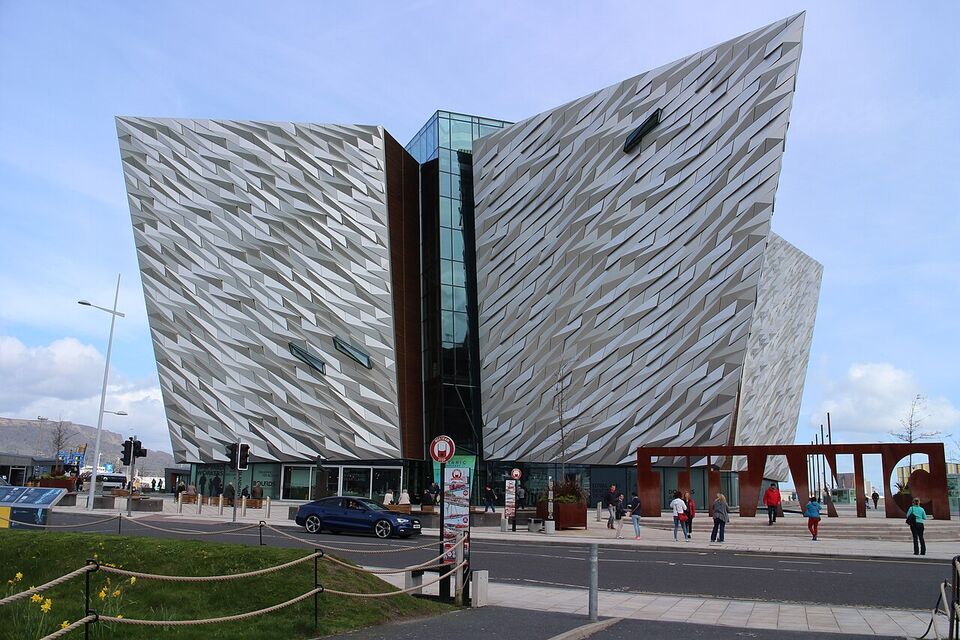
Titanic Belfast
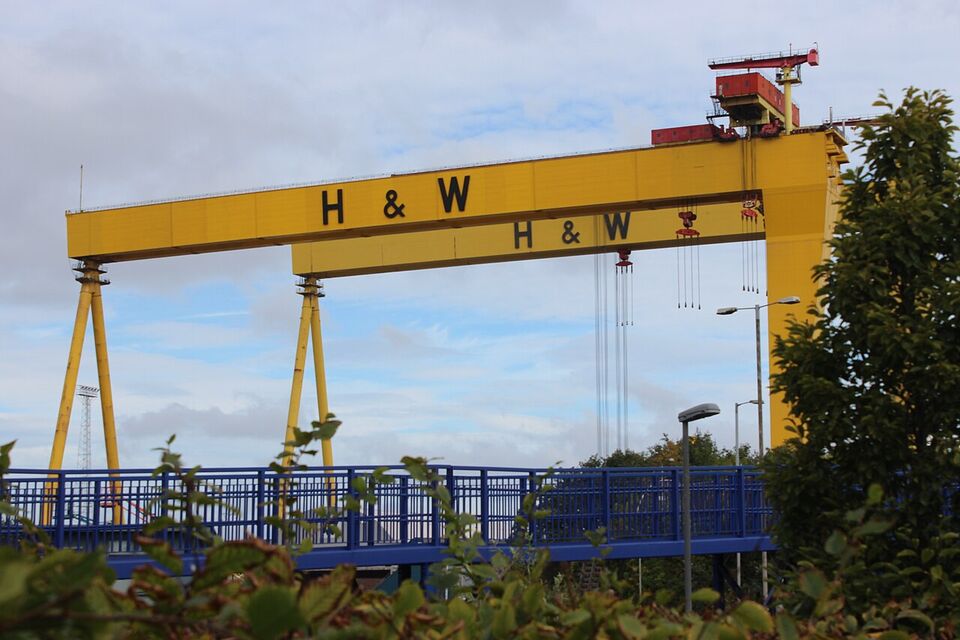
Titanic Belfast is the city's main attraction: a museum on the site where RMS Titanic was designed and launched in 1911, in the revitalized Titanic Quarter by the harbor. The Titanic Experience takes you through galleries on the shipyard, the ship, its sinking and the aftermath, with timed entry every 10 minutes. Allow about half a day if you add the SS Nomadic, the tender that served Titanic in France and now sits beside the building.
| Ticket | Online | Walk-up |
|---|---|---|
| Titanic Experience, adult | £24.95 (about $33) | £26.95 (about $36) |
| Child 5-15 | £11 (about $15) | £13 (about $17) |
| Family | £62 (about $82) | £68 (about $90) |
| Student or senior 60+, Monday to Friday only | £21.95 (about $29) | £23.95 (about $32) |
| Anytime Ticket, adult | £39.95 (about $53) | £41.95 (about $56) |
Under 5s are free. A Seasonal Late Saver ticket, sold only at the box office and not in July or August, costs £20 (about $27) for adults and £11 (about $15) for children: it starts you in the Launch gallery and covers 8 of the 10 galleries in the last hour before closing. A Discovery Tour costs £20 to £22 (about $27 to $29). Prices on the official page are undated, so confirm them at titanicbelfast.com before you buy.
Hours and holiday closures
From November 2026 the museum opens 9:50 a.m. to 5 p.m. daily, with the SS Nomadic from 11 a.m. to 4:30 p.m. Last admission to the Titanic Experience is 1 hour 40 minutes before closing. The dates to know over the holidays:
- December 6, 2026: closes at 3 p.m.
- December 24-26, 2026: closed.
- December 27-31, 2026: 9:45 a.m. to 6 p.m.
- January 1-3, 2027: 9:50 a.m. to 6 p.m.
- January 12, 2027: closed.
Insider tip
Book a morning slot online. The first hour is usually the quietest, and you will still have the afternoon for the city. Bring a card: if you pay cash, it has to be sterling notes.
Black taxi and political murals tours
Belfast's political murals are among the most visited sights in the city, and the standard way to see them is a "black taxi" tour. A local driver takes you in a London-style cab through the republican Falls Road and the loyalist Shankill Road, explaining the murals, the Troubles of roughly 1968 to 1998 and the "peace walls" that still separate some neighborhoods. The walls are owned by the Department of Justice, and some have gates that are open by day.
Tours are run by individual drivers and small companies. Many are led by people who grew up through the conflict, and some offer a joint view of both communities. Ask when you book which perspective the tour takes, how long it lasts (usually around 90 minutes) and whether you walk or stay in the taxi. We could not confirm current prices, so compare a few operators and book a day or two ahead in summer.
How to approach the tour respectfully
- Treat the murals as commemorations of people who died, not as scenery. Some memorialize victims of violence.
- Listen to more than one account if you can. Two guides can give two different stories of the same wall, and both are real to the people who tell them.
- Do not photograph residents or children without asking, and do not stand on doorsteps for a better angle. People live on these streets.
- Avoid jokes and flag-waving or wearing sports shirts that could be read as taking a side. A green or an orange jersey, or a Union Jack, can mean something to local people.
- It is common to sign a peace wall with a message if your guide invites you. Follow the guide's lead.
The politics here are not settled. Unionists and loyalists generally want Northern Ireland to remain in the UK; nationalists and republicans generally want a united Ireland. Many people do not fit either label. As a visitor you do not have to take a side, and the most useful thing you can do is ask questions and listen. More on manners is in our etiquette guide.
Watch out
Expect parades, bonfires and road closures around July 11 and 12, the "Twelfth" period, with a bank holiday on Monday July 12, 2027. Most visitors are not affected, but hotels fill, some shops close, and areas near bonfires and parade routes are best avoided. Check local news and ask your hotel. Late-night street gatherings are not the place for a casual visit.
The Cathedral Quarter, the Crown Bar and the pubs
The Cathedral Quarter is the old warehouse district around St Anne's Cathedral, now Belfast's main area for bars, restaurants and live music. Belfast was named a UNESCO City of Music in 2021, and you will find sessions and gigs in small pubs most nights. The lanes (known locally as "entries") are narrow and cobbled, and the area is pleasant for an evening stroll. For how pubs work in general, see our pubs and music guide.
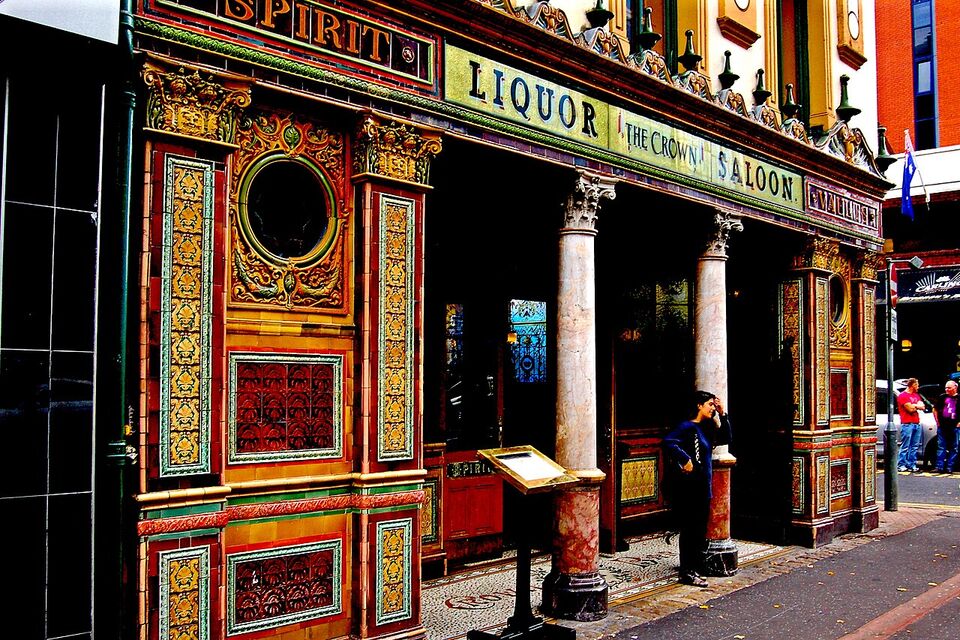
The Crown Liquor Saloon on Great Victoria Street is a Victorian gin palace dating from the 1880s and 1890s, restored by the National Trust, with carved wood, tiles, stained glass and private "snugs" with doors. It is a working pub, so go for a drink rather than a tour, and expect a queue on a Saturday. Opening hours vary; check before you plan around it.
Other pub-hunting advice is practical. Drinking age is 18. Buy a round if you are in a group and are asked to join in. Do not discuss the conflict in a pub unless the person you are talking to raises it. Table service is not universal; at many pubs you order at the bar.
St George's Market and the Ulster Museum
St George's Market is a Victorian covered market and the last survivor of Belfast's old markets. It now sells food, crafts and street food, with live music at busy times. It runs on weekends (traditionally Friday to Sunday, with a different focus each day), so check days and hours on belfastcity.gov.uk before you plan a late breakfast around it. Go hungry: it is a good lunch stop, and a plain stall is cheaper than a restaurant.
The Ulster Museum is in the Botanic Gardens in the university district, a short bus ride or about a 30-minute walk from the center. It covers art, natural history and local history, and it has been free to enter, but we could not confirm that for 2026, so check its website. The Botanic Gardens, with the Victorian Palm House, are next door and free.
If you only have one cultural day, our suggestion is Titanic Belfast in the morning and the Ulster Museum or the markets in the afternoon.
Game of Thrones tours
Much of the HBO series was filmed in Northern Ireland, and Belfast has several tours. Day tours leave the city for the Dark Hedges (the Kingsroad), the coast at Ballintoy and the forest and castle sites around County Down. Many pass the Giant's Causeway too, so read what is included. The studio where the interiors were shot sits in the Titanic Quarter, and there is a separate studio tour south of the city at Banbridge; we could not confirm whether it is running in winter 2026, so check before you book.
These tours are long, usually a full day, and weather changes plans. The Dark Hedges are on the Bregagh Road, beside a private estate, and storms since November 2023 have taken 13 trees. If the trees are your goal, see our Giant's Causeway and Causeway Coast guide for how to combine them with other stops by car or tour.
Where to eat
You will eat well without a reservation at lunch. Look for an Ulster fry (bacon, sausage, eggs, soda bread and potato farl) at breakfast, fish and chips, hearty stews, and seafood from the loughs and coast. Many places in the city center and the Cathedral Quarter do both traditional and modern Irish cooking. For a general view of Irish dishes and drink, see our food guide.
Book dinner on Friday and Saturday, and for any evening when a big event or the Christmas market is on. Tipping is not mandatory: check the bill for a service charge, and add something for good table service. We do not name individual restaurants in this guide unless we can confirm they are open in 2026, so check recent listings from visitbelfast.com for current options.
Christmas in Belfast, 2026
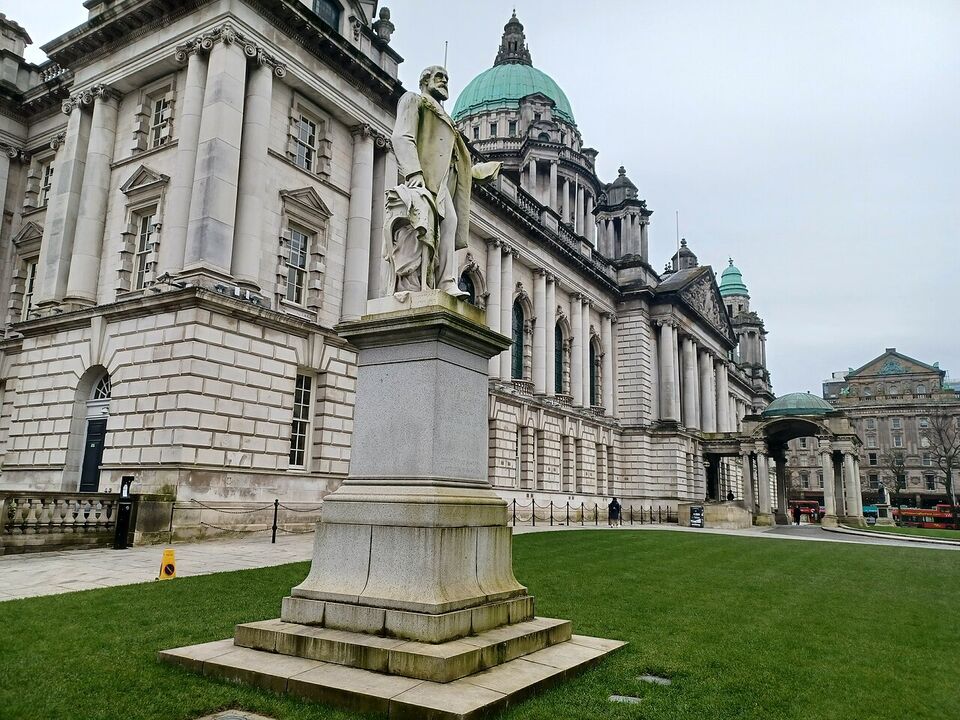
The Belfast Christmas Market opens at City Hall on Saturday, November 14, 2026 and runs to December 22. The switch-on of the lights is also on November 14, from 6:30 to 7:30 p.m. outside City Hall. The council says the tickets are all allocated, with only wheelchair-accessible platform places left via the Visit Belfast Welcome Centre. Daily market hours are not confirmed, so check before you go. Rooms near City Hall fill in December.
Where to stay
For a first visit, we suggest the city center, within a short walk of City Hall, the Cathedral Quarter and the main bus and train links. The Cathedral Quarter puts you near the pubs and restaurants, though it can be loud on weekend nights. The Queen's or university area around Botanic Gardens is calmer, with cafes and the Ulster Museum, and a short bus ride from the center. The Titanic Quarter suits a night before an early flight or if the museum is your main goal.
Hotels are priced as tiers here: most mid-range city-center hotels fall into $$ ($120 to $300 a night for a double), with smaller guesthouses at $ (under $120) and a few luxury addresses at $$$ (over $300). Rates rise around major events such as the Christmas market, rugby weekends and the Fleadh Cheoil music festival, which returns to Belfast in early August 2027. We could not confirm dates and prices, so check a few weeks ahead. For help choosing between city and country, see our where-to-stay guide.
Safety and sensitivities
Belfast is a normal modern UK city, and visitors generally have trouble-free stays. Use the same care you would anywhere: keep an eye on your bag, avoid walking alone late at night in unfamiliar areas and use licensed taxis. The US State Department advisory for the UK is on travel.state.gov; check it before you travel. General advice on safety across the island is in our safety guide.
The sensitivities are about history, not crime. Flags, murals and kerbstones painted in colors mark territory in some neighborhoods. Learn the basics before you go, and follow your guide in neighborhoods you do not know. It is normal to ask a local what a symbol means; it is less normal to say what you think it should mean. If a conversation turns heated, step out of it politely.
- Apply for a UK ETA on gov.uk (£20, about $27 each).
- Carry sterling and a card that works without a foreign-transaction fee.
- Tell your rental company you will drive into Northern Ireland.
- Book Titanic Belfast and your murals tour a day or more ahead.
- Check your phone plan covers the UK as well as Ireland.
- Check holiday closures: Titanic Belfast is closed December 24-26, 2026.
A two-day plan
- Day 1
Titanic and the city
Book an opening slot at Titanic Belfast and add the SS Nomadic. Return to City Hall and the center for lunch, then visit St George's Market if it is open that day. Spend the evening in the Cathedral Quarter, with a stop at the Crown Liquor Saloon.
- Day 2
Murals and museums
Book a black taxi tour for the morning, covering the Falls and Shankill roads. After lunch, go to the Botanic Gardens and the Ulster Museum. If energy remains, climb a hill or take the train out of town. Dine in the Cathedral Quarter or near your hotel.
- Optional day 3
The Causeway Coast
Take a full-day tour or hire a car for the Giant's Causeway, Carrick-a-Rede, Dunluce Castle and the Dark Hedges. See our Giant's Causeway and Causeway Coast guide for the route and the winter caveats.
Weather and when to go
Belfast is mild and damp. Climate averages from the Newforge weather station (1991-2020) show January highs of 47°F (8°C) with lows of 36°F (2°C), July highs of 67°F (20°C) with lows of 53°F (12°C), and about 156 rain days and 37 inches (939 mm) of rain a year. November averages 51°F (11°C) by day and 40°F (4°C) at night. Pack a waterproof layer in any season. Winter days are short, with daylight of roughly 7.5 hours in mid-December, so plan outdoor sights for the middle of the day.
Summer is the easiest time for coastal trips; winter is quieter, with markets in December and some seasonal closures on the coast. For more on seasons across the island, see our when-to-go guide and our festivals guide.
Add it to a route in the trip builder, or ask us to plan the hotels, trains and guides for you.