Which currency do you need?
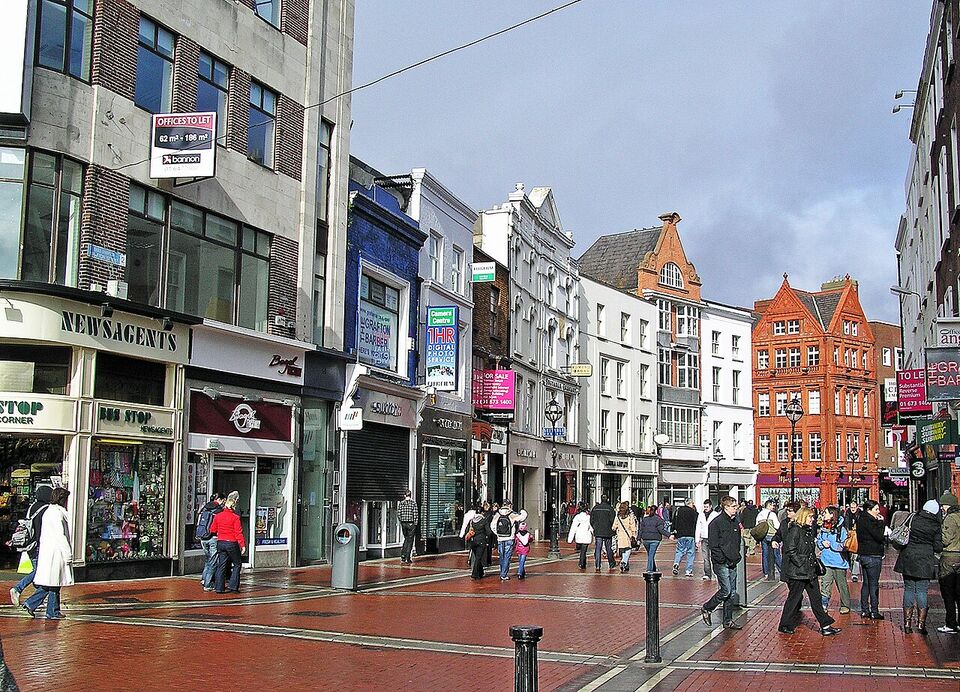
Two currencies circulate on the island of Ireland, and the border between them is invisible. The Republic of Ireland uses the euro (€). Northern Ireland, which is part of the United Kingdom, uses pound sterling (£). The rule is simple: if you are in a county with a Republic address (Dublin, Galway, Kerry, Cork, Clare, Donegal and the rest), pay in euros. If you are in Belfast, Derry or the Antrim coast, pay in pounds.
US dollars are not the local currency, so do not plan to spend them or bring a roll of them to change. Plan to pay in euros in the Republic and in pounds in Northern Ireland. At Titanic Belfast, for example, the ticket office says it can only accept pound sterling notes, and gives change in sterling.
On this site, prices in the Republic are written in euros first, with a dollar figure after: €21 (about $24). Prices in Northern Ireland are written in pounds, then dollars: £20 (about $27). We use €1 = US$1.12 and £1 = US$1.33 throughout. The euro rate sits inside the range of recent European Central Bank reference rates, which ran from about 1.108 to 1.127 dollars per euro between November 2 and 12, 2026. The pound rate is a fixed figure we use across the site, so treat it as a rough guide. Your bank or card network will use the rate of the day, plus any fee.
Different from home
Prices on Irish menus, shelves and signs include sales tax (VAT). The price you see is the price you pay, apart from any service charge on the bill. There is no "add tax at the register" surprise as in the US.
How the "about" rule works
Every dollar figure on this site is an approximation, written with "about" and rounded. We multiply the euro amount by 1.12 and round sensibly: €21 becomes about $24 and €6.08 becomes about $7. When a rate moves a few cents, an amount like that moves by a few cents, not by a dollar. For planning, you can use a shortcut: add about one-eighth to a euro price to get dollars, so €40 is roughly $45. For pounds, add about a third: £30 is roughly $40.
Exact amounts matter when you book, because your card issuer converts at its own rate. Check the live rate on your card issuer's app before you commit to a big purchase. If a price in this guide matters to your budget, confirm it on the venue's official site, which we link where it helps.
Cards and contactless
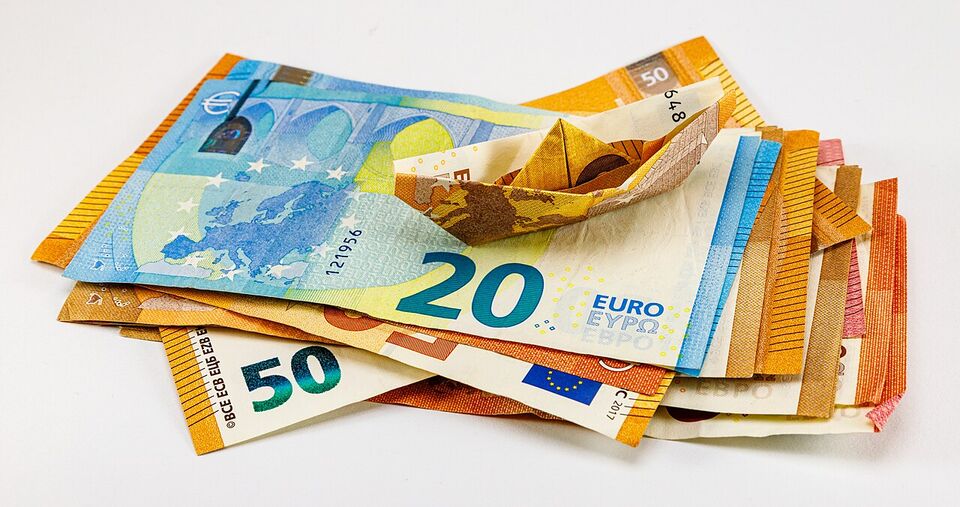
You can live almost entirely on a card in Ireland. Contactless payment (tap a card or a phone) is common in shops, cafes, pubs, buses and trains, in cities and in most small towns. Visa and Mastercard are accepted widely. American Express and Discover are accepted less often, so carry a Visa or Mastercard as your main card. Contactless limits and the rules for tapping a US card vary by bank, and we have not confirmed a current figure, so ask your issuer.
Before you leave, do four things:
- Tell your bank or card issuer where and when you are traveling, in the app or by phone, so fraud systems do not block your card on day one.
- Ask what foreign transaction fee each card charges, and bring the one with no fee (or the lowest fee) for daily use.
- Confirm your four-digit PIN works abroad. Some unattended machines, such as fuel pumps, car parks and ticket machines, ask for a PIN. If a chip-and-signature card is refused at an unmanned kiosk, a human cashier or a second card is the fix.
- Carry two cards from different networks, stored apart, in case one is lost, blocked or declined.
Mobile wallets (Apple Pay and Google Pay) are accepted wherever contactless works, and they are convenient if you want to leave the physical card in a hotel safe. Titanic Belfast lists standard credit and debit cards, Apple Pay and contactless as accepted, which is typical of a large Northern Ireland attraction.
When you need cash
Cash still matters for small things: a coffee at a stall, a parking meter, a tip, a market, a farm shop or a rural bus where the driver has no reader. We suggest carrying about €50 to €100 (about $56 to $112) in small notes and coins, replenished from an ATM as needed. Our advice is a guideline, not a rule; for many travelers the card is enough. Cash is also how most Irish people tip, according to national research (see the tipping section).
ATMs and the exchange-rate trap
An ATM (in Ireland, often called a cash machine or "hole in the wall") is the simplest way to get euros. Use machines attached to a bank branch, and use your debit card. Withdraw larger amounts less often, because many US banks charge a fee per withdrawal and the Irish operator may also charge one. We have not confirmed a current Irish ATM fee, so check with your bank. Avoid standalone machines in tourist areas that look unaffiliated with a bank.
Dynamic currency conversion: say no
When you pay by card or take cash out, a screen may ask whether you want to be charged in euros or in US dollars. This is called dynamic currency conversion (DCC). It looks helpful, because you see the dollar amount. It is usually a way for the merchant or machine operator to apply its own exchange rate and a fee, and the rate is typically worse than the one your card issuer uses.
The rule is the same everywhere on the island: always pay in the local currency. In the Republic, choose euros. In Northern Ireland, choose pounds sterling. If a clerk tells you the machine only allows dollars, ask them to cancel and try again, or use a different payment method.
Watch out
If you take a rental car, the shop or the rental company may ask you to approve a hold or a charge on your card. Read the currency line on the receipt as well as the total, and decline conversion into dollars. The same goes for hotels that offer to charge your card "in your home currency."
Exchanging cash
Exchange counters at airports and in tourist areas usually offer weaker rates and add fees. If you want a small amount of euros for arrival (a taxi, a bus ticket, a first coffee), order it from your bank before you leave or take it from an ATM after you land. For pounds, plan on taking sterling out of a machine in Northern Ireland, or carrying a small amount from the Republic if you cross the border by road.
What things cost
Prices below are typical figures we could confirm or reasonably estimate in November 2026. They change, and prices in tourist districts run higher. Where a figure comes from a travel-blog estimate instead of an official source, we say so and show it as a range. See our budget guide for daily plans built from these numbers.
| Item | Typical price | US$ (at €1 = US$1.12) | Notes |
|---|---|---|---|
| Pint of stout, national average | €6.08 | about $7 | Central Statistics Office, November 2025. Dublin averages more; an undated study found Guinness about €2 more in Dublin than in Westmeath |
| Pint in Temple Bar on St Patrick's Day 2025 | up to €10.45 | about $12 | A peak-day high, not an everyday price |
| Pub lunch | roughly €12 to €18 | about $13 to $20 | Travel-blog estimate; check locally |
| Mid-range restaurant dinner, per person | roughly €35 to €55 | about $39 to $62 | Travel-blog estimate; drinks extra |
| Coffee | Varies | n/a | Expect to pay more in central Dublin than in a small town |
| Taxi, Dublin Airport to the city centre | about €30 to €45 | about $34 to $50 | Metered; more on evenings, weekends and bank holidays |
| Dublin bus, Luas or DART, 90-minute adult fare | €2.00 | about $2 | Rises to €2.30 (about $3) in January 2027 on many routes |
| Car hire, per day | about €25 to €50 off-peak; €40 to €80 peak | about $28 to $56; $45 to $90 | Typical figures from a secondary rental guide; automatics cost more |
| Petrol, per liter | €1.97 | about $2.21 (about $8.35 a US gallon) | Diesel €2.12 a liter, about $8.99 a US gallon (early November 2026) |
| Guinness Storehouse, adult | from €26 | about $29 | €2 more at the door; check the site |
| Book of Kells Experience, Trinity College | from €25 | about $28 | Timed tickets; cheaper options exist |
| Kilmainham Gaol Museum, adult | €8 | about $9 | Guided tour; book ahead |
| Hotel, national average daily rate in 2025 | €174 | about $195 | Fáilte Ireland data, national average; Dublin runs higher |
The fare in the table is the Transport for Ireland 90-minute fare for the Dublin area. A daily cap on Leap cards is €6.00 (about $7) for adults, and a weekly cap is €24.00 (about $27). Adult fares are due to rise by an average of 15% in January 2027, with the 90-minute fare going from €2 to €2.30; see our getting-around guide for the details.
B&Bs often run roughly €60 to €150 (about $67 to $168) for a double room, according to a travel-blog estimate, and Dublin hotels cost more. For hotel price tiers and how to choose, see where to stay.
Save money
Eat your main meal at lunch. Many pubs and restaurants serve lunch plates for noticeably less than dinner. Use a Leap card or a contactless bank card for city buses, and book timed attractions online, because several sites charge more at the door (the Guinness Storehouse adds €2 at the door and may sell out).
Northern Ireland and the pound
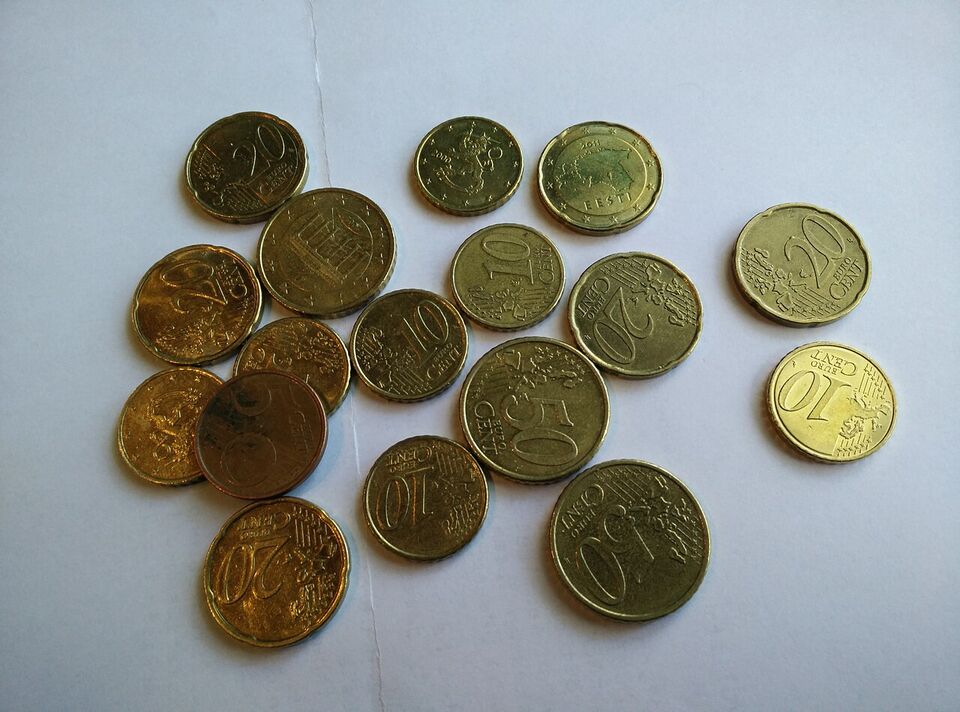
Northern Ireland is the one part of the island that does not use the euro. Prices there are in pounds sterling. Typical visitor costs include the Giant's Causeway Visitor Experience (National Trust, adults £15, about $20) and Titanic Belfast (the standard adult ticket is £24.95 online or £26.95 at the door, about $33 and $36). We use £1 = US$1.33, which is a site rate and not a live one.
Some shops in border areas and tourist towns may take euros, but the exchange rate they offer is often poor. Do not rely on it. Use pounds, and use your card. Banks in Northern Ireland issue their own sterling banknotes, which are valid money. They can be harder to spend in England, so use them up or exchange them before you leave the UK.
If you drive across the border, the speed limit signs change from km/h to mph, and your phone may switch to a different network. See our phones and power guide for that, and our entry guide for the UK travel authorisation that Americans need before they visit Northern Ireland. On a trip that crosses the border, keep a rough total in each currency and spend the leftover cash before you return.
Tipping
Tipping in Ireland is lighter than in the US, and the rules are murkier. There is no fixed percentage that everyone follows. Our guidance is simple: tipping is not required, locals round up or add a bit for good table service, and you should check your bill for a service charge before you add anything.
Research by the Competition and Consumer Protection Commission (CCPC), reported in January 2026, found that 9 in 10 consumers tip at least some of the time. It also found that 58% sometimes would rather not tip but feel they have to, and that 67% say tipping is becoming less voluntary. Cash makes up 89% of tips, and only 29% of people think digital tips reach staff. Of the people who met a standalone tip terminal, 26% tapped it by mistake.
Different from home
In the US, 18% to 20% is the default at a sit-down restaurant. In Ireland it is not. A mandatory service charge must be notified in writing on signs and menus, and optional charges cannot be added without your prior consent. If your bill has no service charge and the service was good, leaving a small tip is polite. If a tablet asks, there should be a clear way to decline.
- Restaurants: check the bill. If a service charge is included, you do not need to add more. If not, rounding up or adding a modest amount for good service is common.
- Pubs: you order and pay at the bar, and no tip is expected for a pint. A few coins, or "and one for yourself" for a bartender after a long evening, is a friendly gesture, not an obligation.
- Taxis: rounding up the fare is common practice.
- Hotels and tours: a small cash tip for good service is welcome but discretionary. For tour guides, ask the operator what is normal.
We have not confirmed a standard percentage from an official source, so we do not give one. For pub etiquette in more detail, see the pubs guide.
VAT, restaurant tax and tax-free shopping
Ireland's sales tax is value-added tax (VAT), and the standard rate is 23%. It is already in the price you see. Different goods and services have different rates, and the changes of the past few years matter to you in one place: restaurants and pubs.
The 2026 change for food
From Wednesday, July 1, 2026, VAT on food served in pubs and other hospitality outlets returned to 9% from 13.5%, according to the Irish Examiner. A lower rate on restaurant meals can help menu prices, but do not expect a visible drop on your bill. The pub trade has said most pubs do not serve food and would not benefit, so the change does not mean a pint got cheaper. We have not confirmed the current VAT rate on hotel accommodation, so we leave it out; check the hotel's invoice.
Tax-free shopping for visitors from outside the EU
Visitors who live outside the EU may be able to reclaim VAT on goods they take home in their luggage, through a retail export scheme that some shops take part in. As we understand it, the steps are generally these: ask the shop whether it offers tax-free shopping before you pay; get the refund form at the till with your receipt; present the goods, form and receipt to customs on departure for stamping; then claim the refund through the shop's refund operator. Details such as minimum spend, fees and where to get the stamp vary, and we could not confirm them from an official page.
Because you clear US preclearance at Dublin and Shannon, build in extra time for the stamp. Start at revenue.ie to see the current scheme, and ask the shop for its refund company's instructions. For what to buy, see the shopping guide, and see entry requirements and preclearance for the customs allowances on the way in and out.
Insider tip
Decide before you buy anything big, such as a wool coat or a piece of jewelry, whether a refund is worth the effort. For small purchases it rarely is. For a large one, ask the shop to explain the process at the till and keep the original items unused and in your hand luggage until the form is stamped.
Daily money habits
A few habits keep costs in check without taking the fun out of a trip:
- Keep one card for everyday spending and a different one in a hotel safe.
- Check your statements each evening for the first few days, to catch a double charge or a DCC mistake early.
- Order tap water in restaurants if you want to skip the bottled-water charge. Ask for "tap water."
- Check opening hours before you go, especially on Sundays, bank holidays and in small towns off season.
- In the Dublin area, a Leap card caps your daily public transport spend at €6.00 (about $7), so ride freely once you hit the cap.
For holidays, closures and shop hours around Christmas and Easter, see the December guide.
Mistakes to avoid
- Paying in dollars. Choose euros or pounds every time a terminal offers a choice.
- Mixing up the currencies. Euros in the Republic, pounds in Northern Ireland. If you drive across the border, check which side you are on before paying.
- Arriving with no local cash. Cards cover most spending, but a small amount of cash saves you at a market or on a rural bus.
- Not telling your bank. A blocked card is a bigger problem abroad than at home.
- Tipping as in the US by reflex. Check for a service charge first.
- Using airport exchange desks. Rates are weak. Use an ATM attached to a bank.
- Trusting a single figure in a blog. Prices rise. Confirm on the official site before a big booking.
Add it to a route in the trip builder, or ask us to plan the hotels, trains and guides for you.