Overview
Kilkenny and the southeast are the easiest way to see medieval Ireland between Dublin and Cork. Kilkenny (Cill Chainnigh) is a small city of about 27,000 people with a castle at one end, a cathedral with a round tower at the other, and a pedestrian-friendly stretch of shops, pubs and lanes between them. Within an hour or so by car you can add the Rock of Cashel, Jerpoint Abbey, Waterford's Viking quarter and, farther east, Wexford and the Dunbrody famine ship.
The route works because it spreads the driving out. Instead of a straight run on the motorway from Dublin to Cork, you stop in a city that has real streets to walk, then see one or two big sites on the way. If you have never driven on the left, the roads here are good, and the first day out of Dublin is a gentle introduction. See the driving guide before you collect your car.
This page covers Kilkenny, the Rock of Cashel, Jerpoint Abbey, Waterford, Wexford and the Hook Peninsula, food and crafts, how to get here by train and car, and a two-day route. Related guides: Cork and Kinsale, day trips from Dublin and castles in Ireland.
Different from home
Many of the best sites here are run by the Office of Public Works (OPW), the state heritage body, and tickets are bought on its site or at the door. Third-party sellers are not authorized, and the OPW warns that tickets from resale platforms and look-alike websites will not be valid. Buy only from heritageireland.ie or the site itself.
Getting here and getting around
Trains run from Dublin to Kilkenny, Waterford and Wexford; check irishrail.ie for which Dublin station each line uses. Intercity fares are dynamic and depend on when you book. Buses also link these cities with Dublin and Cork. The Rock of Cashel is harder by public transport: the OPW says the X8 bus stops at Cashel, a 500-meter walk from the center, and the nearest rail station is at Thurles. See our getting around guide.
A car gives the most freedom, especially for Cashel, Jerpoint and the Hook Peninsula. From Dublin, Kilkenny is roughly 1.5 to 2 hours by car; confirm with a route planner for your day. Read the car rental guide for insurance and automatic transmissions.
Within Kilkenny itself you will not need a car. The castle, the cathedral, restaurants and most pubs are within a short walk, and parking in the center is limited. If you stay one night, leave the car at your hotel or in a public car park.
Kilkenny city
Kilkenny's nickname is the Marble City, from the dark limestone once used in its buildings. Its center is a medieval street plan that survives well, with narrow side lanes called "slips" and a long main street. The route from Kilkenny Castle to St Canice's Cathedral is branded the Medieval Mile, and walking it takes under an hour without stops.
Kilkenny Castle
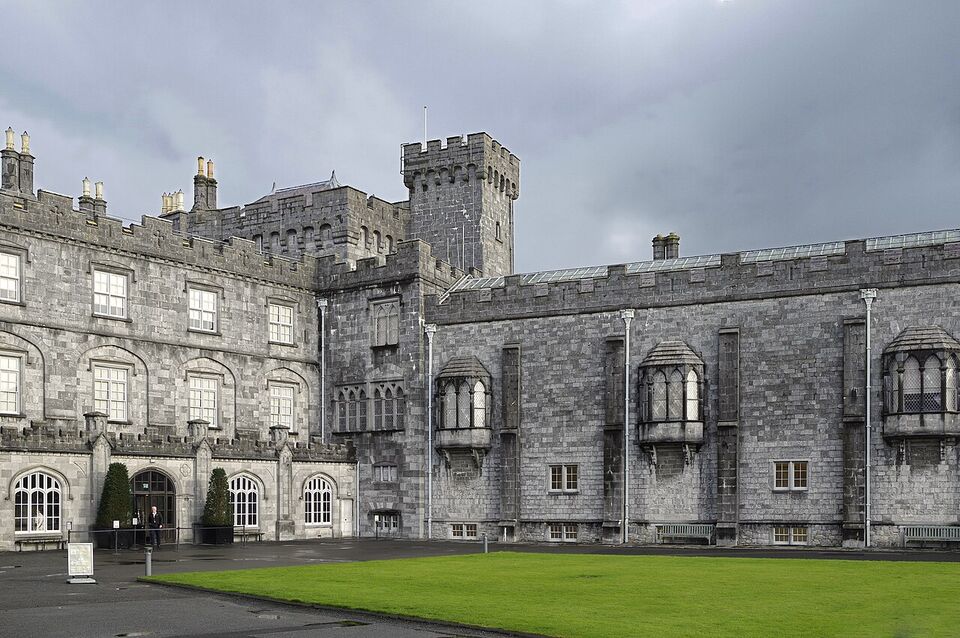
Built in the twelfth century, Kilkenny Castle was the main seat of the Butler family, who were earls, marquesses and dukes of Ormond, for almost 600 years. The Irish State took it over in 1969. It was remodeled in Victorian times, and the interior includes a library, drawing room, nursery and bedrooms decorated in 1830s style, plus a long Picture Gallery in the east wing. The parklands outside are a pleasant place to walk even if you skip the interior.
| Ticket | Self-guided | Guided (summer) |
|---|---|---|
| Adult | €8 (about $9) | €12 (about $13) |
| Senior or group | €6 (about $7) | €10 (about $11) |
| Child or student | €4 (about $4) | €6 (about $7) |
| Family | €20 (about $22) | €30 (about $34) |
Open hours are 9:15 a.m. to 5:30 p.m. from April to September (last admission 5 p.m.) and 9:30 a.m. to 5 p.m. from October to March (last admission 4:30 p.m.). The parklands keep different hours: 9 a.m. to 5 p.m. in November and 9 a.m. to 4:30 p.m. in December. The OPW notes that this is a very busy site in summer. Book through heritageireland.ie, and ignore any other seller.
St Canice's Cathedral and the round tower
At the other end of the Medieval Mile, St Canice's Cathedral has a round tower you can climb, with city views. Check admission and the tower's opening times locally, as we could not confirm them. Other buildings to look for are Rothe House (a merchant's house and garden), the Black Abbey (a Dominican priory), the Tholsel (the old town hall) and the Butler Gallery.
Food, crafts and pubs
Kilkenny is known for craft and design, with workshops and a design center near the castle, and for its pubs and live music. Smithwick's, an Irish red ale, was first brewed here, and the old brewery's history is part of the local story. Restaurants cluster around the castle and High Street, and weekends are busy, so book dinner in advance. The city also hosts festivals: a comedy festival at the start of June and an arts festival in August are both long-running, but check dates for 2027. Our pubs guide and food guide cover ordering and etiquette.
Insider tip
Go to the castle first thing in the morning or last in the day, and use the middle of the day for the city's lanes, shops and a long lunch. Summer is when the castle gets crowded, and you can avoid the worst of it by arriving before 10 a.m.
A walking route along the Medieval Mile
You can cover the main sights on foot in a morning or an afternoon. Start at Kilkenny Castle and its parklands, then walk up the New Parade to High Street, where the old Tholsel (the former town hall) stands. Continue to Parliament Street for Rothe House and its garden, then on to the Black Abbey and finish at St Canice's Cathedral and its round tower. Along the way the narrow slips between the main streets are worth ducking into for their old walls and small shops.
The route is mostly flat, but the finish at the cathedral is uphill. Allow about an hour of walking if you do not go inside anything, and three to four hours if you visit the castle, one museum and the cathedral. In wet weather, schedule the castle interior and Rothe House first and keep the outdoor stretches for a dry spell. Many of the smaller historic buildings have shorter hours than the castle, so confirm times locally before you plan around them.
Festivals and when to book
Kilkenny runs a busy festival calendar, and rooms and restaurant tables get scarce around the big weekends. The dates below come from a festival listing and are described there as likely or planned, so check each festival's own website before you book.
- Yulefest Kilkenny: a Christmas program with a market and events, listed as November 28 to December 23, 2026.
- Kilkenny Roots Festival: alt-country, folk and Americana in venues across the city, listed as April 30 to May 3, 2027.
- Cat Laughs Comedy Festival: held over the June bank holiday weekend, listed as June 4 to 7, 2027.
- Kilkenny Arts Festival: a long-running festival in August, listed as likely August 6 to 15, 2027.
- Savour Kilkenny: a food festival over the October bank holiday weekend, listed as likely October 21 to 25, 2027.
If you want a quiet visit, avoid those weekends. If you want atmosphere, book early and expect higher rates. See our festivals guide for the national picture.
The Rock of Cashel
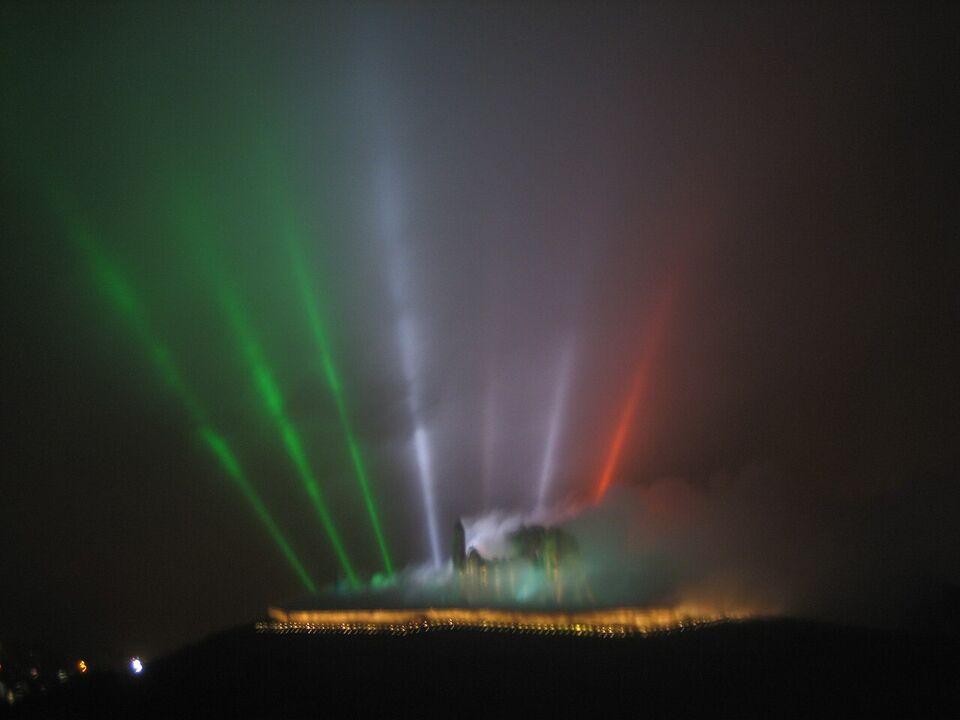
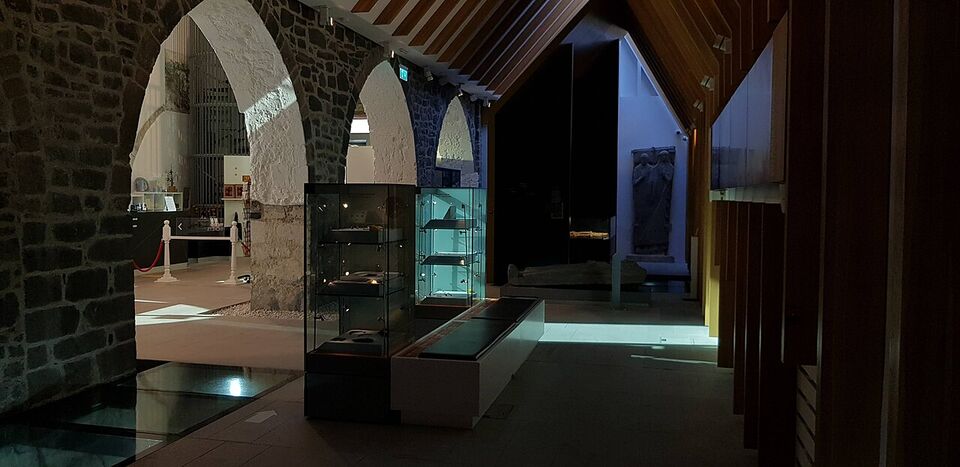
The Rock of Cashel sits on a limestone outcrop in County Tipperary, roughly an hour from Kilkenny by car (check a route planner). It is a rare cluster of medieval buildings, with a round tower, a high cross, a Romanesque chapel, a Gothic cathedral, an abbey, a hall for the vicars choral and a fifteenth-century tower house. Cormac's Chapel holds Ireland's only surviving Romanesque frescoes, and legend says St Patrick came here. Brian Boru was crowned high king at Cashel in 978. Plan 1 to 1.5 hours, per the OPW.
| Ticket | Price |
|---|---|
| Adult | €8 (about $9) |
| Senior | €6 (about $7) |
| Student or child | €4 (about $4) |
| Family | €20 (about $22) |
Winter hours and last tours
From March 17 to October 15, the site is open daily 9 a.m. to 5:30 p.m., with the last guided tour at 3:45 p.m. and last admission at 4:45 p.m. From October 16 to March 16, it is open daily 9 a.m. to 4:30 p.m., with last admission at 3:45 p.m. and the last tour at 2:30 p.m. It is closed December 24 to 26. Cormac's Chapel is by guided tour only, and tickets for the interior tour are sold only on site. The OPW advises you to ring ahead (062 61437) for tour times, since they change at short notice.
Watch out
The Rock of Cashel is exposed and can close at short notice in bad weather. In winter, the last guided tour is at 2:30 p.m., so arrive by around 1 p.m. if you want the tour. Wear sturdy shoes; the paths are uneven and some doorways are low.
Cashel is about 10 miles (16 km) from Cahir Castle, an OPW site known as a thirteenth-century defensive stronghold, which is a good second stop. Check heritageireland.ie for Cahir's current hours and prices. Our castles guide explains how to choose among Ireland's castles.
Jerpoint Abbey and the county
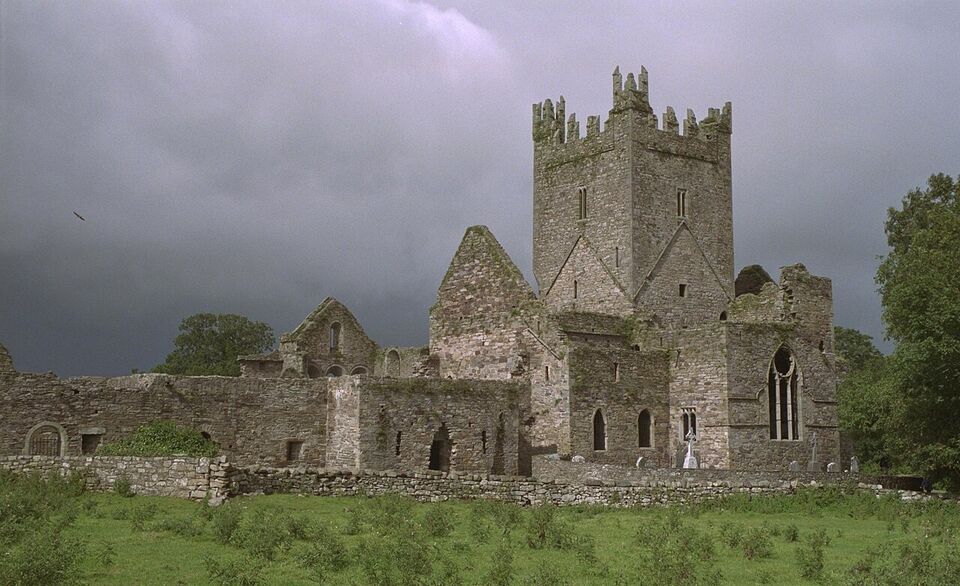
Jerpoint Abbey, a Cistercian ruin in County Kilkenny, is known for its medieval stone carving, which the OPW calls a high point of Irish medieval sculpture. It is south of Kilkenny city and fits easily into a half-day by car. We could not confirm 2026-27 admission or hours, so check heritageireland.ie. Other OPW sites near the city include Dunmore Cave (about 6 miles or 9 km from the castle), Kells Priory (about 8 miles or 12.5 km) and St Mary's Church in Gowran.
If you have only a few hours, one of these is enough alongside the city. Check opening dates before you go, because small OPW sites often have shorter seasons or open on set days.
Waterford and the Viking Triangle
Waterford was a Viking settlement, and the old center is often called the Viking Triangle. Reginald's Tower, on the quay, is an OPW site; confirm hours and prices at heritageireland.ie. Waterford is also famous for its crystal, and visitor attractions around that story have changed over the years, so check what is open before you plan around it.
Waterford is a manageable drive from Kilkenny; confirm the distance and time on a route planner. It is a practical stop on a coast route toward Cork via Dungarvan (where Dungarvan Castle is another OPW site), and it has a train station, so you can visit without a car. Allow half a day to a day.
Wexford, Dunbrody and the Hook Peninsula
Wexford is the starting point for the Hook Peninsula and the Dunbrody famine ship, a replica of an emigrant vessel at New Ross. For many Americans with Irish ancestry, the ship and its emigrant exhibits are the reason to come: they show how people crossed the Atlantic in the 1840s. Opening hours and ticket prices were not available to us, so check the operator's own website. For research on your family, see the ancestry guide.
The Hook Peninsula has a lighthouse, small beaches and several OPW sites, including Tintern Abbey, Ballyhack Castle and the John F. Kennedy Arboretum near New Ross. Ferns Castle is also an OPW site in County Wexford. Check each site's hours, since many have seasonal or limited opening. This corner is best done by car and in a slow half-day or full day.
Save money
If you plan several OPW sites, compare the Heritage Card (adult €40, about $45, valid 12 months from first use) with separate tickets. Kilkenny Castle and the Rock of Cashel together cost €16 (about $18) at the adult rate, so you need roughly five sites at that price to break even. Online card sales to customers in the USA are suspended, so buy the card at the first fee-paying OPW site you visit.
Glendalough and a Dublin start
If you are driving from Dublin, Glendalough is the natural first stop on the way south. The visitor centre is an OPW site: adult €5 (about $6), senior and group €4 (about $4), child and student €3 (about $3), family €13 (about $15). From mid-March to October 14, it is open daily 9:30 a.m. to 6 p.m. (last admission 5:15 p.m.), and from October 15 to mid-March 9:30 a.m. to 5 p.m. (last admission 4:15 p.m.). It is closed December 23 to 29. Paying for parking in the visitor centre car park includes one free admission. Glendalough is a day trip in its own right; see the day trips guide.
Fitting it between Dublin and Cork
A direct drive from Dublin to Cork takes about 3 to 4 hours, according to Blarney Castle's own guidance, so the southeast adds time rather than saving it. The trade is a better trip: a stop in Kilkenny and a morning at Cashel make the journey the point, not the cost.
- Day 1
Dublin to Kilkenny
Leave Dublin in the morning, stop at Glendalough or go straight to Kilkenny. Walk the Medieval Mile, visit the castle and the cathedral, and book dinner.
- Day 2
Kilkenny, Cashel and on to Cork
Take the castle in the morning, then drive to the Rock of Cashel. In winter, aim to arrive by 1 p.m. for the 2:30 p.m. last tour. Continue to Cahir if time allows, then to Cork for the evening. The Cork guide covers what to do next.
- Optional
A third day for Waterford and Wexford
Add a day if you want the Viking quarter, Dunbrody and the Hook Peninsula. Do it in a loop from Kilkenny or reach Cork by the south coast.
In winter, daylight is short, about 7.5 hours in mid-December, so plan sightseeing for the middle of the day and drive in daylight where possible. Dublin Airport's November highs average about 51°F (10.3°C), and rain is common in every season. Plan with the when to go guide.
Where to stay and practical tips
Kilkenny city is the best base, because you can walk to dinner and sights. Cashel and Waterford have fewer rooms and are easier for one-night stops. Hotels in the center suit many visitors, B&Bs and guesthouses are good value, and you should book summer weekends and festival weeks early.
| Type | Tier | Good for |
|---|---|---|
| Guesthouse or B&B | $ to $$ | Breakfast included; B&Bs often run roughly €60 to €150 a double (about $67 to $168) |
| Central hotel | $$ | Walking distance to sights; the 2025 national average hotel rate was €174 (about $195) |
| Castle or manor hotel | $$$ | A special night; see the castles guide |
- Book Kilkenny Castle and any guided tour on the OPW site, not through a reseller.
- Ring the Rock of Cashel (062 61437) if the weather is bad.
- Carry a rain jacket and sturdy shoes.
- Check Christmas hours: the OPW page does not list Kilkenny Castle's Christmas opening, and Cashel is closed December 24 to 26.
For driving rules and signs, see the driving guide.
Add it to a route in the trip builder, or ask us to plan the hotels, trains and guides for you.