How to use this page
Pick the thing you care about most, then match it to a base, a number of nights and a season. Ireland is small enough that most trips can be built around one or two interests without much driving, and the table below gives the short answer for each. The sections after it give the reasoning, with links to the full guide pages.
Two reminders before you choose. Ireland (the Republic) uses euros and Northern Ireland uses pounds sterling, so a trip that includes Belfast or the Giant's Causeway crosses a border with no checks but a different currency and different entry rules (see Entry Requirements). And several well-known places are closed in 2026: Dublin Castle (due to reopen to visitors in January 2027), Skellig Michael (closed for the rest of 2026; 2027 dates not yet published) and Ross Castle in Killarney (closed until 2027). Everything below is written as of mid-November 2026.
Quick chooser
| If you love... | Base yourself in | Nights | Best season | Start with |
|---|---|---|---|---|
| Castles and history | Dublin, then Kilkenny | 5 to 7 | April to October; winter has shorter hours | Castles |
| Ancestry | Dublin, then the county of origin | 4 to 8 | Spring or autumn for archives and quiet roads | Ancestry |
| Golf | Limerick/Shannon, Kerry or Portrush | 5 to 7 | May to September | Golf |
| Hiking and outdoors | Killarney, Connemara, Glendalough | 4 to 7 | Late spring to early autumn | Outdoors |
| Pubs and music | Galway, Dingle, Dublin | 3 to 5 | Year-round; summer festivals | Pubs |
| Food and whiskey | Cork, Dublin, Dingle | 3 to 5 | Year-round | Food |
| Literature | Dublin | 3 to 4 | Year-round | Dublin sights |
| Families | Dublin, Killarney, Cork | 7 to 10 | Summer school holidays; June and September are calmer | Regions |
| Couples and weddings | Castle or country-house hotels | 2 to 7 | May to September | Weddings |
| Cruises | Cobh (Cork), Dublin, Belfast | Port day | Mainly spring to early autumn | Cruises |
| Long stays and pets | Depends on housing | 30 or more | Plan around winter | Long stays |
The seasons above are rules of thumb. Weather here changes from hour to hour: for Dublin, the 1991-2020 averages run from a daytime high of 46°F (8°C) in January to 67°F (19.5°C) in July, so the real choice is between long, bright, busy days and short, quiet, cheaper ones. The detail is in When to Go to Ireland.
Castles and history
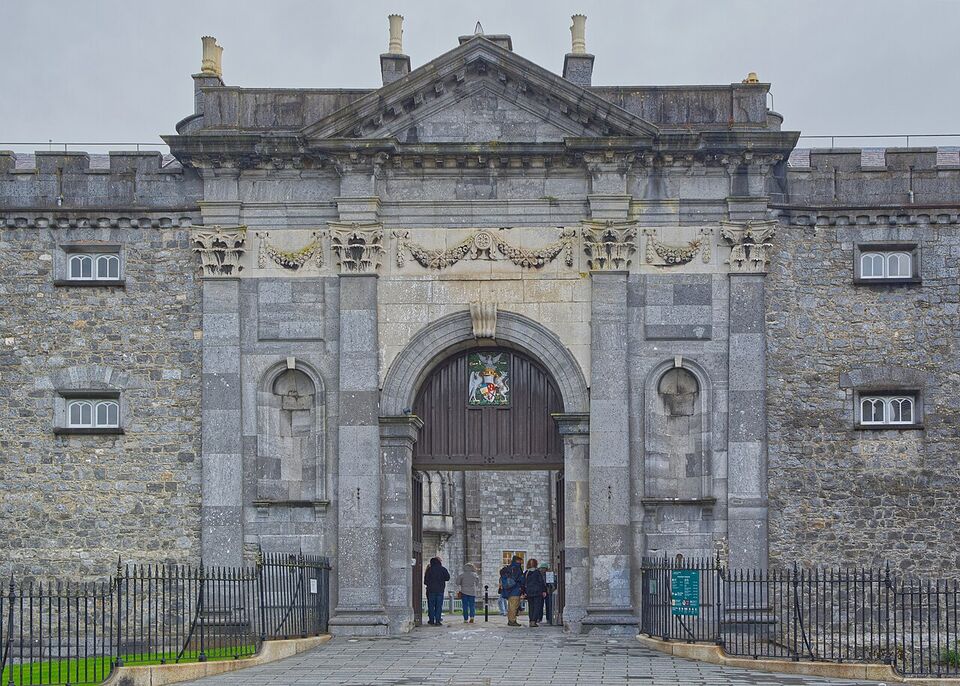
The east and the midlands hold the densest cluster of history within easy reach of Dublin. Base in Dublin for three nights, then move to Kilkenny for two. Kilmainham Gaol (a guided tour only, so book ahead; adults €8, about $9) covers the 1916 Rising and the long struggle for independence. Brú na Bóinne, with Newgrange and Knowth, is a Stone Age passage-tomb complex reached only by a guided tour from its visitor center, with tickets sold only on the official OPW site.
Kilkenny Castle (self-guided adult €8, about $9) and the Rock of Cashel (adult €8, about $9) are both state sites run by the Office of Public Works. Cashel's exposed hilltop can close at short notice in bad weather. If you will visit several state sites, the Heritage Card costs €40 for an adult (about $45) and lasts 12 months from first use, though online sales to customers in the USA are temporarily suspended, so buy it at the first fee-paying site you visit.
Plan for four to seven days. Spring and autumn are comfortable, and hours are shorter from mid-October to mid-March (for example, Rock of Cashel closes at 4:30 p.m. in winter). Dublin Castle, Ross Castle and the Skellig Michael landings are closed in 2026, so do not build a day around them. See Castles and Historic Sites, the Boyne Valley and Kilkenny.
Ancestry
Americans with Irish roots get the most from a trip when they do the paperwork first. Search free civil and church records on irishgenealogy.ie from home, and look at the 1901, 1911 and 1926 census returns at nationalarchives.ie (the 1926 census went online on April 18, 2026, and all three are free to browse). The National Archives genealogy service in Dublin (Bishop Street, Dublin 8) is free and takes walk-ins; confirm its hours on nationalarchives.ie before you go.
Base in Dublin for two nights to use the archives, then move to the county your family came from. Allow four to eight nights. Spring and autumn suit record offices and country roads, and a visit to a parish is easier outside August. Anyone with an Irish-born grandparent may be able to apply for citizenship through the Foreign Birth Register: an adult application costs €278 including postage (about $311), takes about 12 months and is online only. Not everyone with Irish ancestry is Irish, and the rules depend on the line of descent, so check dfa.ie. More in Ancestry and Roots.
Golf
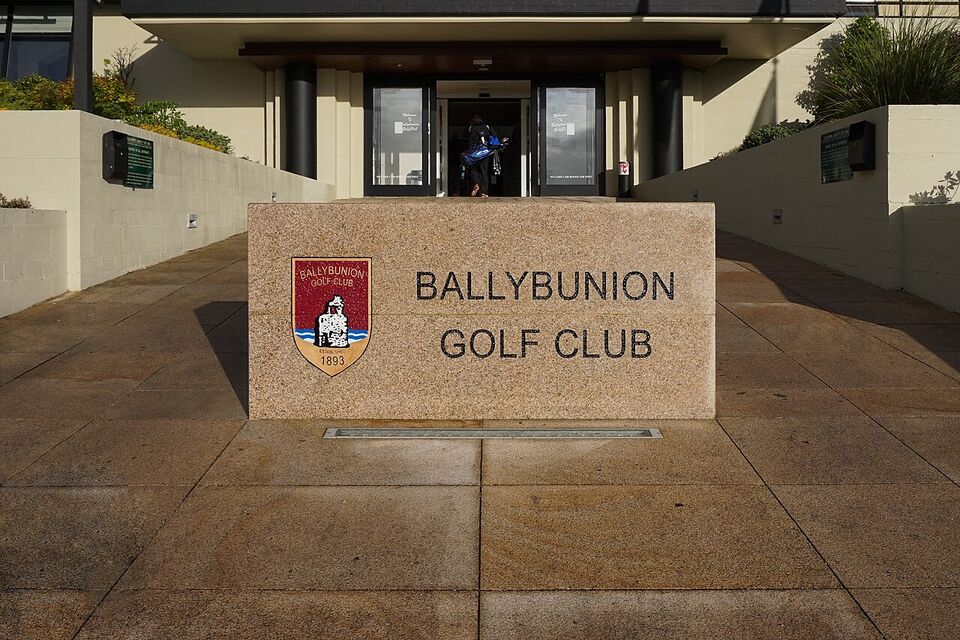
Ireland's links courses are a major reason people fly here, and they are priced like it. National Club Golfer's summer 2026 survey listed green fees of €550 (about $616) at Trump Ireland, €500 (about $560) at Old Head of Kinsale, €475 (about $532) at Portmarnock, €450 (about $504) at Lahinch, Ballybunion Old and Tralee, and €425 (about $476) at Waterville. In Northern Ireland, Royal Portrush was £420 (about $559) and Royal County Down £450 (about $599).
Lahinch is a useful example of the small print: the Old Course needs a caddie, club hire was €75 (about $84) and buggies were not offered, while the Castle Course was €60 (about $67) between April 27 and October 16, 2026. Fees for 2027 are not out yet, so check each club's site.
Base in Limerick or Shannon for Clare and Kerry courses, or in Portrush for the north. Five to seven nights is typical, May to September is the main season, and top tee times fill months ahead. Non-golfing partners do well in Kerry or on the Causeway Coast. See Golf.
Hiking and outdoors
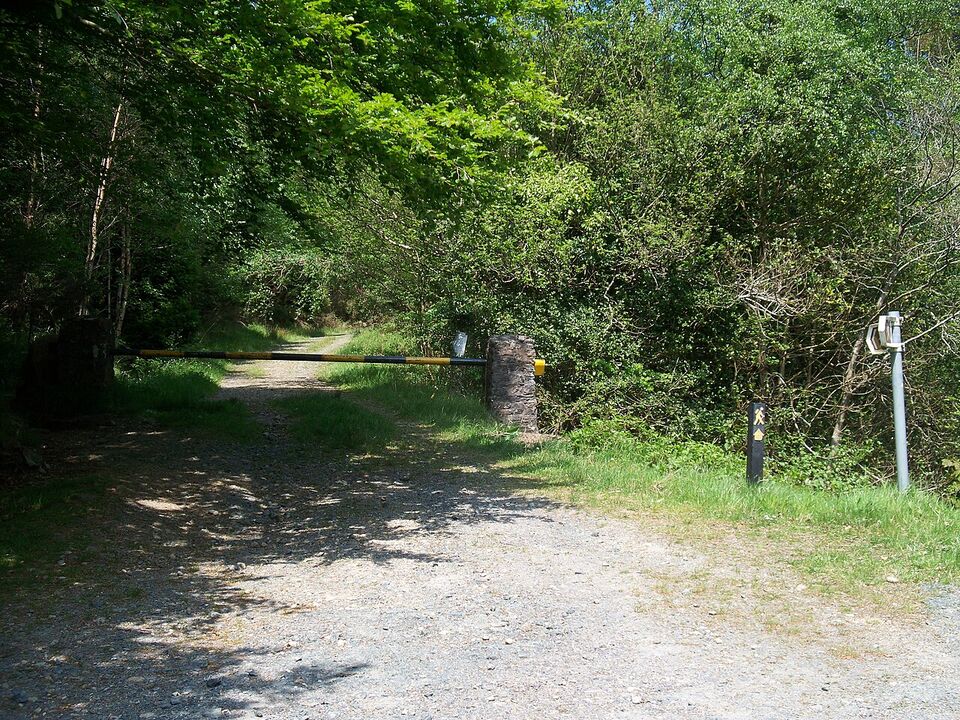
The west is the center of the outdoors. Killarney National Park and Muckross Gardens are free to enter, and Connemara National Park is free and open all year, though its visitor center has been closed Mondays and Tuesdays since July 1, 2026 and the grounds close during orange and red weather warnings. Glendalough, in Wicklow, is the easiest hiking day from Dublin (visitor center adult €5, about $6).
Base in Killarney for the Kerry hills and lakes and in Galway or Clifden for Connemara. Plan four to seven nights. Late spring to early autumn gives the longest days: Dublin gets about 17 hours of daylight in mid-June and about 7.5 hours in mid-December (check timeanddate.com for your dates). In the 1981-2010 averages Galway's wettest month was October (about 5 inches, 130 mm) and its driest April, but a dry week is never guaranteed anywhere on the Atlantic coast.
Watch out
Parts of the Cliffs of Moher coastal walk have been closed, and Skellig Michael is shut for the rest of 2026. Check cliffsofmoher.ie and the licensed boat operators' sites before building a day around either. Mountain weather can turn quickly, so carry waterproofs and tell someone your route.
See Hiking and Outdoors, Killarney, Connemara and the Wild Atlantic Way.
Pubs and music
Traditional music sessions are informal and free to listen to, and they happen in ordinary pubs rather than at concerts. Galway, Dingle and Dublin are the usual bases; three to five nights is enough. Sessions run year-round, but the festival calendar peaks in summer (the Fleadh Cheoil returns to Belfast in early August 2027, and Galway's July festivals are popular), so book rooms early if you travel then.
Know the prices: the average pint of stout was about €6.08 (about $7) nationally in November 2025, and Dublin runs higher. Food in pubs has been taxed at 9% since July 1, 2026, but the pub trade says most pubs do not serve food and would not benefit, so do not expect cheaper drinks. See Pubs and Music and Festivals.
Food and whiskey
Cork is a sensible base for food and Dublin for variety. Whiskey tourism is easiest in three places. The Jameson Distillery Experience in Midleton, Co. Cork, starts at €28 (about $31) for a 75-minute tour with three whiskeys; you must be 18 with ID. The Dingle Distillery tour is €25 (about $28) for 75 minutes. And the Guinness Storehouse in Dublin starts at €26 for an adult (about $29), booked online (it costs €2 more at the door and may be sold out). Distillery start times are limited, so book ahead for weekends.
Allow three to five nights and add any season. Hours at distilleries and the Storehouse can change around Christmas, and Guinness has not published its Christmas hours, so check before December 24. See Food and Drinks.
Literature
Dublin is the bookish base. The Book of Kells Experience at Trinity College starts at €25 (about $28) for a self-guided visit of about 90 minutes, and a guided version is from €65 (about $73). Note that, per the college's page in November 2026, the Long Room has all books removed except the first four bays, so ask before you book if the library itself is the point. The National Museum of Ireland (Archaeology) on Kildare Street is free. Allow three to four nights, any season; book the Book of Kells ahead in summer.
The Chester Beatty library sits inside Dublin Castle, which closed in June 2026, and as of mid-November 2026 its reopening date has not been confirmed. See Dublin Sights and Dublin.
Families
Families do best with a short list of bases and a car only for part of the trip. Dublin works for the first three nights, then a train to Cork or a hire car to Killarney. Family tickets save money: Blarney Castle is €65 for two adults and two children (about $73), the Cliffs of Moher €30 (about $34) for two adults and two under-12s, Glendalough €13 (about $15), and the Guinness Storehouse from €62 (about $69). Titanic Belfast is £62 to £68 for a family (about $82 to $90), priced in pounds.
Plan seven to ten nights and avoid driving more than about three hours a day on narrow roads. Summer is warmest, but June and September are calmer. Child car seats and larger cars need booking ahead; see Car Rental and Driving.
Save money
The Heritage Card family pass (two adults and up to five children aged 12 to 18) is €90 (about $101) and covers OPW sites for 12 months. It pays off after roughly four or five family visits to OPW sites, but not if you mostly use private attractions such as Blarney or Guinness.
Couples and weddings
Couples are well served by country-house hotels and castle stays, particularly in Kilkenny, Kerry, Galway and Wicklow. Allow two to seven nights and choose May to September for gardens and long evenings, or autumn for quiet. If you are marrying in Ireland, the main rule is three months' notice (in person, or by post if you live abroad), so start early. See Weddings and Honeymoons and Where to Stay.
Accessible travel
Ireland's older sites were not built for wheelchairs, so check each one before you go. Castles have steep, narrow stairs, cobbles are common, and many rural pavements are narrow. The Cliffs of Moher visitor center and 800 m (about half a mile) of paved paths are included in the entry price, which is a good starting point. Ask attractions about lifts, parking and guided-tour options by phone or email, and ask Irish Rail and Bus Éireann about assistance in advance.
Base in cities (Dublin, Cork, Galway) for the easiest transport, and add one or two country-house stays. See Getting Around and Health.
Cruises
Cruise visitors usually dock at Cobh (for Cork), Dublin Port and Belfast, among other ports, and have a single day to see something. From Cobh, Blarney Castle (adult €24, about $27) is a common half day; from Dublin, Kilmainham Gaol and the city center; from Belfast, Titanic Belfast or the Causeway Coast. Pound sterling applies in Belfast. Book tours through the ship or independently with a firm return time in mind. See Cruises.
Long stays and pets
US visitors can stay in Ireland for less than 90 days, and a longer stay needs permission, so plan before you fly. Housing is tight and furnished short lets are being regulated. Bringing a dog or cat from the US takes weeks of preparation and an advance notice to the Department of Agriculture, so it rarely suits a short vacation. See Long Stays in Ireland and Traveling to Ireland with a Pet.
What to book ahead, by interest
The interest you choose decides what you should lock in before you fly, and what you can leave loose. A short list helps you spend your planning time where it counts.
- Castles and history: Kilmainham Gaol tours and Brú na Bóinne tickets, sold only on the official sites. Kilmainham warns that only official sellers issue valid tickets.
- Golf: tee times at the famous links, often months ahead, and a caddie where the club requires one.
- Hiking: nothing for most trails, but check weather warnings, and for Skellig Michael wait for the 2027 season details from the licensed boat operators.
- Pubs and music: rooms in festival weeks. Sessions themselves need no tickets.
- Food and whiskey: distillery tours, which run at set times and are 18 and over.
- Families: car seats, larger cars and rooms that sleep four or five.
- Ancestry: archive opening days, and parish or county record offices, many of which keep short hours.
Payment details differ too. The Republic uses euros, and Titanic Belfast accepts only sterling notes in cash, along with cards and contactless. Carry a card that works abroad, tell your issuer, and see Money for the rate and tipping notes.
Matching an interest to a season
Seasons change what is open, how long daylight lasts and what the same activity costs. Summer (June to August) brings the longest days and the highest prices, with the busiest attractions at the Cliffs of Moher, Killarney and Dublin. Spring and autumn offer a balance: better rates, easier parking and still-reasonable hours. Winter is for city breaks, pubs, museums, and Christmas events such as markets in Galway, Belfast and Dublin, but with about 7.5 hours of daylight in mid-December and reduced hours at many rural sights, it is a poor choice for coastal driving.
The pattern for the interests above is simple. Golf and hiking want May to September. Castles, ancestry and literature work in any season, with spring and autumn the most comfortable. Pubs, music and food work year-round. Families are tied to school holidays, so check their dates before booking. For the month-by-month detail read When to Go, then November, December and January if you are traveling in the quieter months.
Insider tip
Pair a busy-season interest with a shoulder-season trip. A golf trip in May or September often finds easier tee times and better room rates than July, and the evenings are still long. Book the one or two fixed items first, such as a tee time or a tour ticket, and fit rooms around them.
Combining interests
Most trips mix two or three of the above. A common ten-day shape: three nights in Dublin (history and literature), two in Kilkenny (castles), three in Killarney (walking, and the Ring of Kerry), and two in Galway or Dingle (music). Keep each leg to about three hours of driving, add a buffer day for weather, and build in one slow day for each week. Use the Trip Builder to sketch the route, Budget to price it and Regions to compare areas.
Different from home
Distances look short on a map but roads are narrow, often without shoulders, and the Republic signs distances in kilometers while Northern Ireland uses miles. Drive times are averages without stops, so add time.
Add it to a route in the trip builder, or ask us to plan the hotels, trains and guides for you.