Overview
Ireland has thousands of castles, but only a fraction can be entered, and fewer still are open in every season. The practical question is not "which castle is best" but "which kind do I want to see, and is it open when I am there?" Most visitors do best with one or two big, well-run sites such as Kilkenny Castle, Blarney Castle or the Rock of Cashel, a ruin or two for atmosphere, and perhaps a night in a castle hotel.
This guide explains the types, the best by region, how the Heritage Card works, how booking and seasonal closures affect planning, what is free, what to skip, and the mistakes that cost people time. It also flags two closures you should know about: Dublin Castle and Ross Castle are both closed for 2026, so do not plan around them. For specific regions, see the Kilkenny and the Southeast guide, the Cork and Kinsale guide and the Boyne Valley guide.
Different from home
Irish "castles" range from roofless towers in fields to furnished palaces. Many ruins are unfenced and free to look at from outside, while the interiors that are open are usually by guided tour with set times. Most state-run sites close earlier in winter than American attractions do, often at 4:30 or 5 p.m.
How to choose a castle
Start with what you want out of the visit. A furnished interior, a ruin you can climb, a garden, a story or a bed for the night are different trips.
| Type | What you get | Examples |
|---|---|---|
| Furnished castle | Rooms with period furniture, a gallery, often a tour | Kilkenny Castle |
| Medieval stronghold or ruin | Walls, towers and ramparts to explore, some interiors | Trim Castle, Cahir Castle, Rock of Cashel |
| Tower house | A tall fortified house, often with narrow spiral stairs | Blarney Castle, Aughnanure Castle |
| Castle hotel | A stay, grounds, a restaurant, sometimes non-guest access | Several across the country; see below |
| Great house | A grand country house with gardens, built later than most castles | Castletown House, Emo Court, Farmleigh |
Distance matters too. A castle that fits on a route you are driving anyway is worth more than a famous one that costs half a day of detour. The regions guide shows the route options, and the planning guide helps you pick how many bases to use.
The best castles by region
Kilkenny Castle
A twelfth-century castle that was the seat of the Butler family for almost 600 years. The restored interior includes a library, nursery and a long Picture Gallery, and the parklands are open for walks. Open all year, with winter closing at 5 p.m.
Rock of Cashel
Strictly a medieval church complex rather than a castle, with a round tower, a Gothic cathedral and a fifteenth-century tower house on a rocky hill. The Romanesque Cormac's Chapel is visited by guided tour. It is exposed and can close at short notice in bad weather.
Cahir Castle
A thirteenth-century defensive stronghold about 10 miles (16 km) from the Rock of Cashel. Check hours and admission on heritageireland.ie.
Blarney Castle
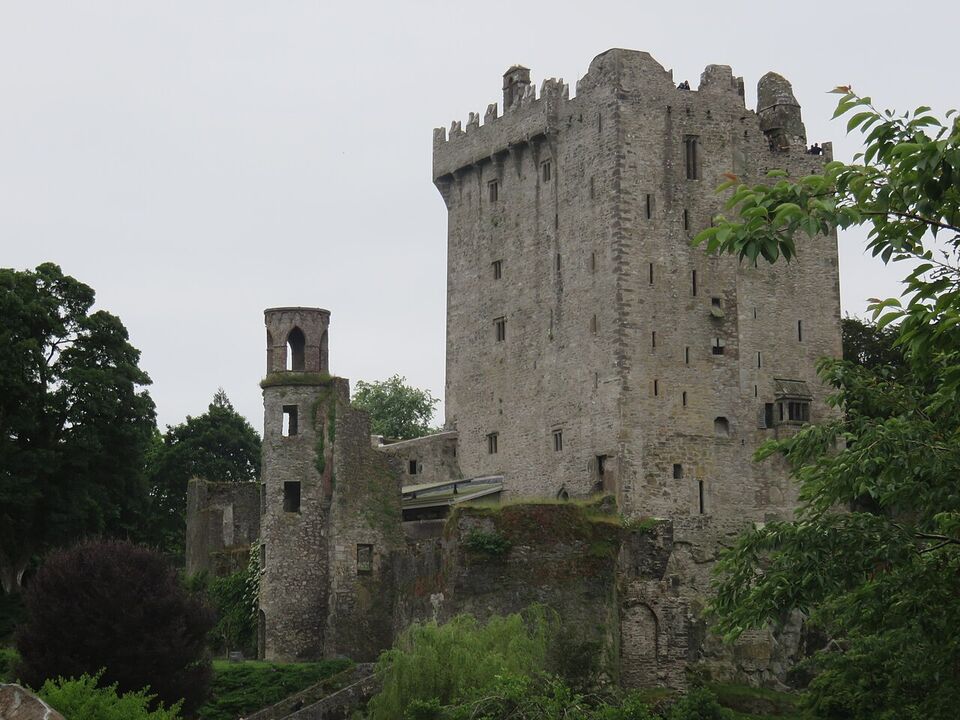
A tower house built nearly 600 years ago, home to the Blarney Stone, with large gardens that are as much of a draw as the castle. Privately run, with no timed slots.
Trim Castle
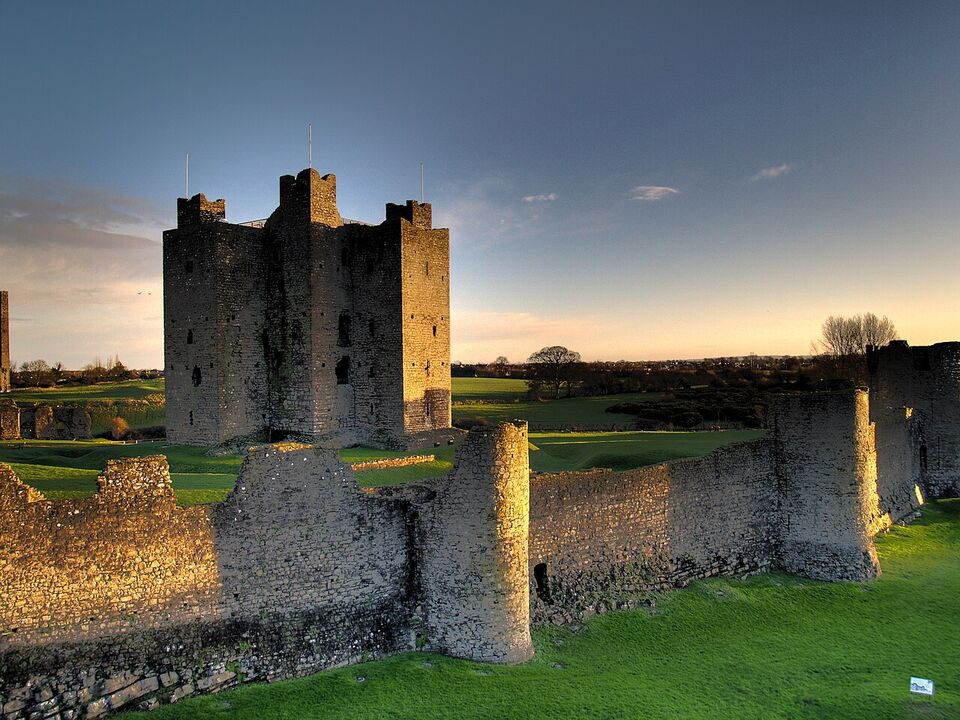
The largest Norman castle in Ireland, close to the Boyne Valley sites. Check tours and hours before you go.
Bunratty Castle
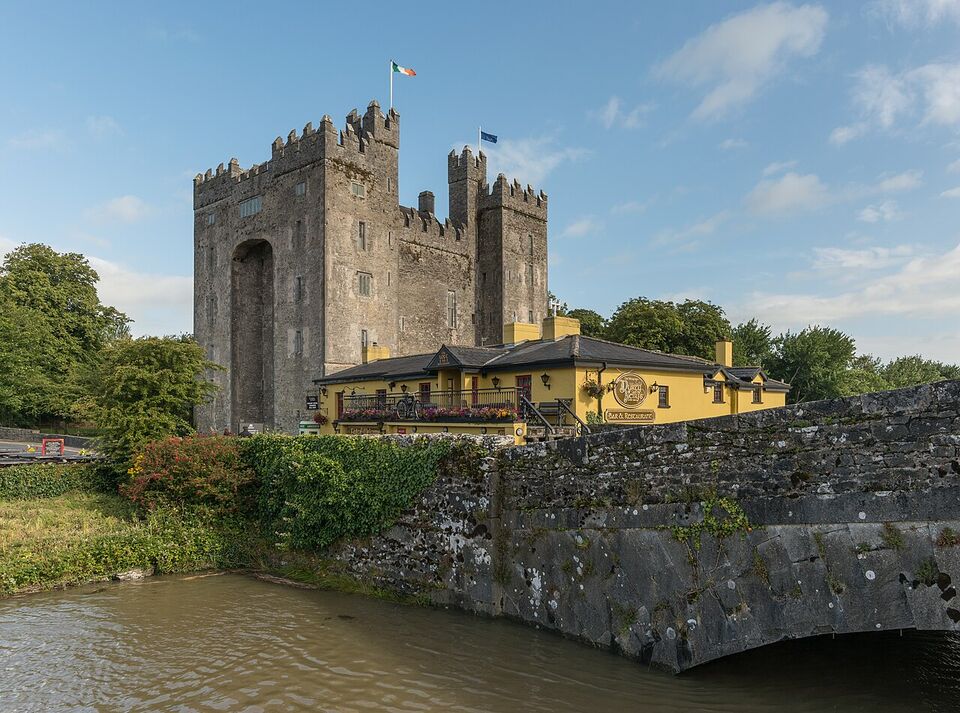
A fifteenth-century tower house near Shannon Airport, with a folk park. It is a convenient first or last stop for travelers flying through Shannon. Check the official site for current prices and hours.
Ashford Castle
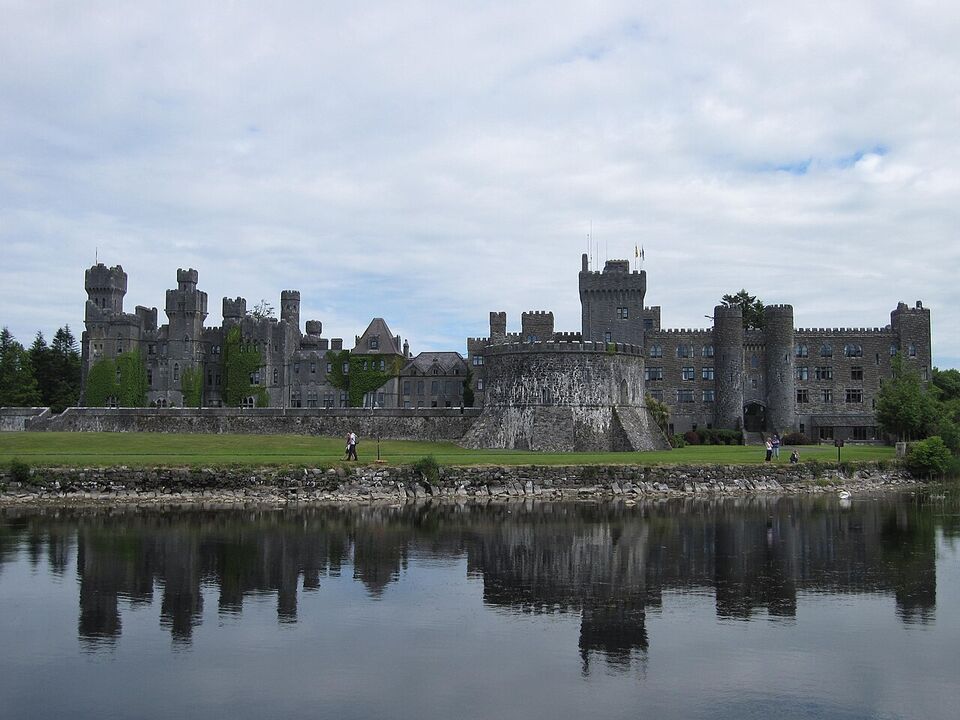
A castle hotel in Cong, County Mayo, set on large grounds. It is mainly for guests, and whether non-guests can visit varies, so check with the property before planning a stop.
Dunluce Castle
A ruined castle on a clifftop on the Causeway Coast. Northern Ireland uses pounds, and the site's opening and admission are set by the Northern Ireland authorities, so check nidirect.gov.uk or the site's own page. See the Causeway Coast guide.
Other OPW castles worth checking if you are nearby include Athenry Castle, Aughnanure Castle, Donegal Castle, Parke's Castle, Carlingford Castle, Ferns Castle, Maynooth Castle, Rathfarnham Castle, Roscommon Castle, Portumna Castle, Charles Fort, Desmond Castle in Kinsale and Reginald's Tower in Waterford. We could not confirm hours or prices for these, so use heritageireland.ie. Some are free to enter and some charge a small fee.
Great houses and historic estates
If a medieval tower does not appeal, the grand houses are a different pleasure: furniture, plasterwork, paintings and gardens, with fewer steps. The OPW describes Castletown House and Parklands as Ireland's first and finest Palladian mansion, Emo Court and Estate as a magnificent neo-classical house, Farmleigh as an Edwardian mansion that serves as the state guesthouse, and Doneraile Court and Estate as north Cork's "real-life Downton Abbey". Rathfarnham Castle, an Elizabethan castle within easy reach of central Dublin, is another option for people based in the capital. Fota Arboretum and Gardens, outside Cork, is also an OPW site.
These houses are better in good weather, since the gardens are half the visit, and they tend to have seasonal opening that differs from the main castles. We could not confirm hours or prices for them, so check heritageireland.ie. If you only have time for one great house near Dublin, the day trips guide lists easy options.
What to expect inside
A typical state-run castle visit is a mix of guided and self-guided time. At Kilkenny Castle you can walk through the period rooms with an audio guide in several languages or, in summer, join a guided tour for a higher price. At the Rock of Cashel the main buildings are reached on a general guided tour or on your own, while Cormac's Chapel is visited only on a guided tour. Blarney Castle is mostly self-guided: you climb a spiral stair, pass through several rooms and reach the parapet, and the gardens are separate.
- Stairs: medieval stairs are steep, narrow and often worn. Handrails may be limited, so take your time.
- Accessibility: many castles have limited access above the ground floor. The OPW lists restrictions on each site's page, including uneven walkways and low doorways at Cashel, and offers visual guides and sensory maps to download.
- Time: the OPW suggests 1 to 1.5 hours for the Rock of Cashel. Blarney with the gardens often takes three hours or more. Give Kilkenny Castle about an hour for the interior, plus time in the parklands.
- Weather: ruins and exposed hills mean wind and rain, so bring a waterproof layer.
- Food: some sites have cafés; others have nothing, so plan a meal nearby.
The etiquette guide covers how to behave around historic places and local customs.
Castles in Northern Ireland
Dunluce and the other castles of Northern Ireland sit in the United Kingdom, so prices are in pounds sterling (for example, £20 is about $27 at the rate this guide uses), and speed limits on the road are in miles per hour. Northern Ireland has no border checks on the road, but US citizens legally need a UK Electronic Travel Authorisation, which costs £20 (about $27) and is applied for on gov.uk before you travel. The Heritage Card is for the Republic only. See the entry guide for the rules.
Sites that are closed in 2026
Two well-known castles are closed, and you should not build a day around either one.
- Dublin Castle. The OPW says the castle campus closed to the public on June 15, 2026, for the six months of Ireland's EU Presidency, with no through access from Dame Street to Ship Street, and that visitors are welcome back in January 2027. Another line on the same page says it is closed from May 5 to December 31, 2026, so the exact reopening day is not firm. The Chester Beatty library inside the castle was also shut, and we could not confirm when it reopens. The castle's usual Christmas market is not running in 2026. Check heritageireland.ie before you go; the phone is 01 645 8813.
- Ross Castle, Killarney. The OPW page says it is closed until 2027. The 2026 season ran from March 5 to November 3, with guided tours only. The admission was €5 (about $6) for adults, and the 2027 dates have not been published. See the Killarney guide for alternatives, such as Muckross House and the national park, which are open.
The lesson applies more widely: many Irish sites open late in the spring and close in autumn, and some close for works. If a castle matters to your trip, confirm it on the official site a week before you go, and again the day before if you can phone.
Watch out
Old guidebooks and some blogs still list Dublin Castle and Ross Castle as open. Always check the current status on the operator's own site, and treat a "closed until" notice as firm even if a third-party page says otherwise.
Heritage Card: is it worth it?
The Heritage Card, sold by the Office of Public Works (OPW), gives free, unlimited entry to state-managed sites for 12 months from first use. It covers tour admissions at those sites, but not parking or other charges run by separate bodies.
| Card | Price |
|---|---|
| Adult | €40 (about $45) |
| Senior (60+) | €30 (about $34) |
| Student (valid ID) | €10 (about $11) |
| Child 12-18 (under 12 free) | €10 (about $11) |
| Family (2 adults, up to 5 children 12-18) | €90 (about $101) |
Do the math with real prices. Kilkenny Castle and the Rock of Cashel are €8 (about $9) each, Glendalough Visitor Centre is €5 (about $6), Kilmainham Gaol is €8 (about $9), and Ross Castle was €5 when open. That means you need roughly five paid sites in a year to match the adult card, and more if you pick the cheaper ones. If you are visiting only Kilkenny, Cashel and one other, you will probably pay less with separate tickets. A family of four with teenagers, or a longer trip with many sites, is where the card makes sense.
- Buying it: online sales to customers in the USA are temporarily suspended, so buy at any fee-paying OPW site on arrival. Cards sold online are posted within 10 working days, which does not help a short trip.
- Validity: the 12 months start on first use, not purchase, so you can buy it before a trip.
- Not covered: private castles such as Blarney and Bunratty are not OPW sites, so the card does not apply.
- Other free entry: English Heritage members get free entry to OPW sites, and the OPW lists free entry for disabled visitors. The OPW site also lists a Free Wednesday scheme; check which sites and dates before you plan around it.
Save money
If you decide on the card, buy it at your first paid OPW site and use it at the next four. Count the sites you actually plan, not the ones you hope to fit in. Many of the best-value sights, such as Killarney National Park, are free without any card.
Booking, tickets and seasonal hours
Booking rules differ from site to site.
- Kilkenny Castle: book online through the OPW page. The OPW says no third-party sellers are authorized and tickets from resale sites will be refused.
- Rock of Cashel: tickets can be booked online, but tickets for the interior tour of Cormac's Chapel are sold only on site, in limited numbers. Phone ahead (062 61437) for tour times.
- Blarney Castle: no timed slots. Buy online in advance or at the ticket office.
- Newgrange: not a castle, but the most strictly booked OPW site; see the Boyne Valley guide.
Winter hours at a glance
| Site | Winter hours | Christmas |
|---|---|---|
| Kilkenny Castle (October to March) | 9:30 a.m. to 5 p.m., last entry 4:30 p.m. | Check the OPW page |
| Rock of Cashel (October 16 to March 16) | 9 a.m. to 4:30 p.m.; last admission 3:45 p.m.; last tour 2:30 p.m. | Closed December 24 to 26 |
| Blarney Castle (November and December) | 9 a.m. to 5 p.m., last admission 4 p.m. | Closed December 24 and 25; open 10 a.m. to 5 p.m. on December 26 and January 1 |
Weather can close exposed sites at short notice, and the Rock of Cashel says so on its page. For more on timing, see the when to go guide.
Sleeping in a castle
A castle hotel can be the highlight of a trip, but it is a splurge. Most sit in the top price tier ($$$, over $300 a night for a double), with a few more modest options. They are privately run, so they are not covered by the Heritage Card, and the OPW does not rent rooms in its castles.
- Pick by location first. A castle in the wrong place costs you driving time. Choose one that fits your route.
- Book early. Summer weekends and holiday periods fill months ahead.
- Ask what the room is like. Rooms in the original castle may be smaller or differently shaped than rooms in a newer wing. Ask which you are booking.
- Check non-guest access. Some properties let day visitors in for tea or a walk in the grounds; many do not.
- Consider one night. A single night with dinner often gives you the experience without the full cost.
For other kinds of stays, see the where to stay guide.
What is free
You do not have to pay for every castle. Ruins that sit in public places or fields can often be seen from outside without paying, though entering a site's interior usually needs a ticket. Killarney National Park is free to enter. The Connemara National Park grounds are free, though its visitor center is open Wednesday to Sunday only. Kilkenny Castle's parklands have separate opening hours listed by the OPW, and no admission fee is listed for them. Many town walls and gates are free. Some OPW sites charge nothing, but we could not confirm which, so check heritageireland.ie.
Mistakes to avoid
- Assuming every castle is open daily all year. Hours drop in winter and some sites close for works.
- Planning around Dublin Castle or Ross Castle in 2026. Both are closed.
- Leaving Cashel late in winter. The last tour is at 2:30 p.m.
- Buying tickets from resellers. Use the official OPW or site page.
- Trying to use the Heritage Card at Blarney or Bunratty. It does not apply.
- Counting on buying the card online from the US. Buy it on arrival.
- Skipping sturdy shoes. Many castles have uneven floors, steep spiral stairs and low doorways.
- Packing too many castles into one day. Two big sites plus a drive is a full day.
A simple castle route
- Day 1
Dublin area to Kilkenny
Drive south, stop for Glendalough if time allows, and spend the afternoon at Kilkenny Castle and the Medieval Mile.
- Day 2
Cashel and Cahir
Reach the Rock of Cashel in time for the last tour, then visit Cahir Castle if open, and continue toward Cork.
- Day 3
Blarney and Cork
Go to Blarney in the morning for the castle and gardens, and spend the afternoon in Cork city.
Add it to a route in the trip builder, or ask us to plan the hotels, trains and guides for you.