What to drink in Ireland
Ireland's drinks are famous, but some of the best are not the ones that are on posters. Guinness is the national drink, and a well-poured pint is worth trying once even if you do not usually like stout. Irish whiskey is the second pillar, with big distilleries and a growing group of small ones. Beyond those are craft beer, cider, gin, a traditional spirit called poitín that is now sold legally, Irish coffee, and a lot of tea.
This page covers each in turn, with prices for the tours, the basics of ordering, the drink-driving rules, and what you can bring home to the US. For the pub itself, see our pubs guide, and for food see our food guide.
Different from home
Ireland has a lower drink-driving limit than most US states, a higher legal price for alcohol, and a pub custom of rounds. The legal age to buy and drink is 18, not 21. Alcohol is expensive: Ireland has the highest price level for alcohol and tobacco in the EU, more than double the EU average, according to an RTÉ analysis.
Guinness
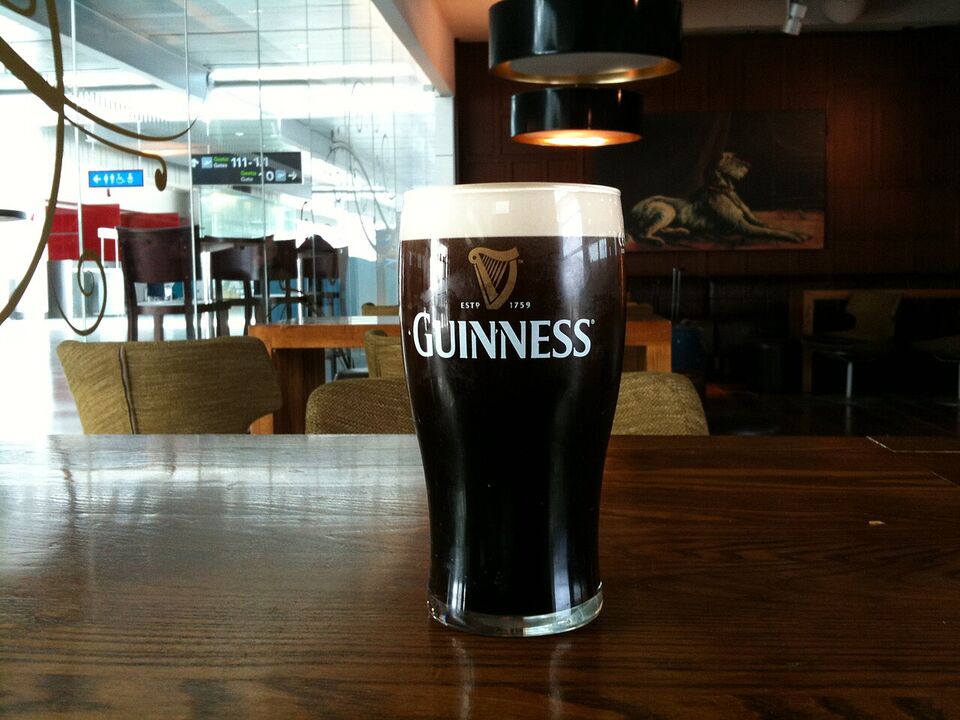
Guinness is a dry Irish stout brewed in Dublin, and it is the beer you will see in nearly every pub. Black with a creamy white head, it tastes of roasted barley and is lighter in body than it looks.
How to order and how it is poured
Ask for "a pint of Guinness" or "a pint of plain" (an older name). The bartender pours it in two stages, a method called the split pour: first the glass is filled about three-quarters full, then it is left to settle until the surge of bubbles clears and the dark body forms. Then the glass is topped off to form a head. A properly poured pint takes a couple of minutes, which is why bartenders may serve other customers while it rests.
Do not take the glass before it is finished, and do not ask for the top-up to be rushed. Drink it at your own pace. If you do not like it, a half pint is a good way to try it, and you will not offend anyone by saying so.
The Guinness Storehouse
The Guinness Storehouse is the brewery's visitor attraction at St James's Gate in Dublin. It is a self-guided museum that covers the ingredients, the brewing process, the history and the advertising, and it ends in a bar at the top with a view over the city. Adult tickets start from €26 (about $29) booked online. A child ticket (5 to 17) costs €10 (about $11), children under 4 are free, and a family ticket for two adults and two children starts from €62 (about $69). Tickets cost about €2 (about $2) more at the door and are not guaranteed if the day is sold out.
The opening hours given on the Storehouse's FAQ page are 9:30 a.m. start, with last entry at 5 p.m. Monday to Thursday and Sunday, and 6 p.m. on Friday and Saturday, with the building closing at 7 p.m. and 8 p.m. respectively. Hours are subject to change. We were not able to confirm Christmas hours, so for December contact the Storehouse (guinness-storehouse.com or +353 1 408 4800) before you plan. For what else is nearby, see our Dublin sights guide.
Insider tip
Book the earliest slot you can. The Storehouse is busiest late morning to mid-afternoon, and an early start gives you quieter floors and better pictures of the top bar. Check what your ticket includes before you buy, since offers and extras change.
Stout, lager, craft beer and cider
Guinness is not the only beer. Other Irish stouts and red ales are common on tap, and so are lagers. In the past decade, craft breweries have opened across the island, and many pubs list one or two local beers on tap. Ask the bartender what is local. A stout is usually the cheapest and most reliable pour in a pub, because the turnover is high.
Irish pubs also pour cider, usually served over ice in a pint glass. Draft cider comes in a few well-known brands, and craft cider from small producers is sold in bottles. Ask the bartender what is on offer. A gluten note: beer, stout and most lagers are made from barley and contain gluten, but most ciders do not. See our food guide for allergy tips.
A pint of stout cost an average of €6.08 (about $7) nationwide in November 2025, up 18% from November 2022. Prices run higher in Dublin, and up to €10.45 (about $12) was paid in Temple Bar on St Patrick's Day 2025. Pubs in smaller towns are usually cheaper. We do not have confirmed prices for cider, craft beer, wine or spirits, so check the posted price list.
Irish whiskey and the distilleries
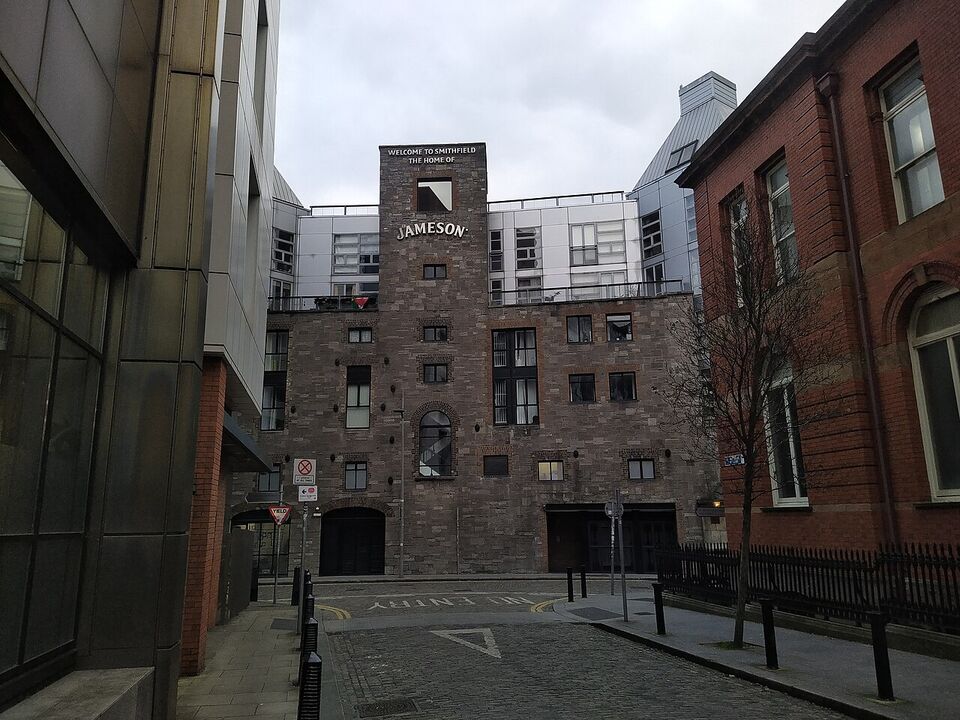
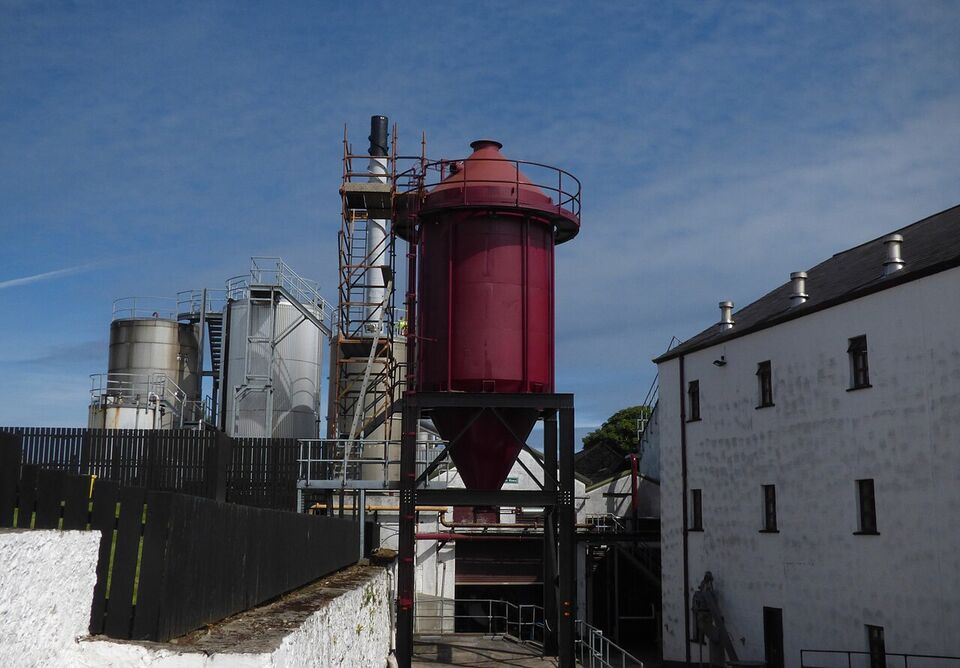
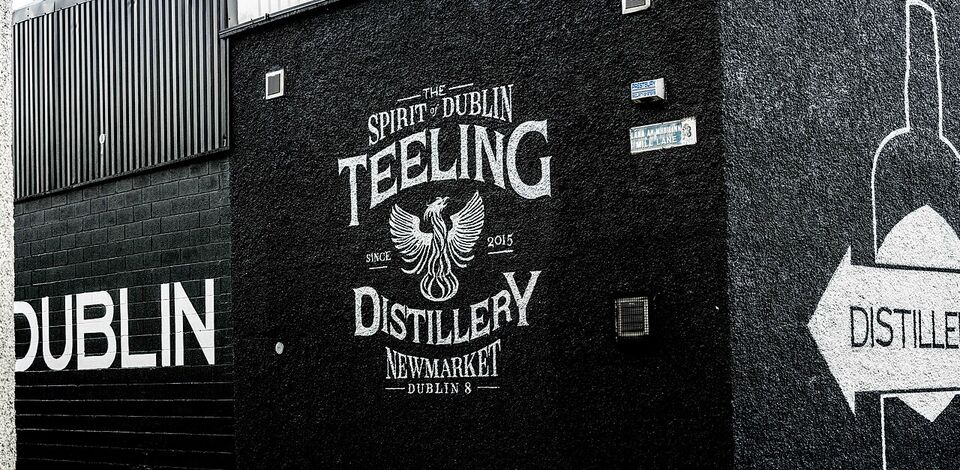
Irish whiskey is spelled with an "e," unlike Scotch whisky. It is known for being smooth and approachable, and many brands are made in column and pot stills and triple distilled. The best-known names are Jameson and Bushmills, and there is a fast-growing list of newer distilleries, including Teeling in Dublin and Dingle Distillery in County Kerry.
A distillery visit is usually a guided tour followed by a tasting. Tours are for adults, with photo ID, and many sell out in summer. Booking in advance is wise. Prices and hours change, so check each distillery's own site before you buy.
Distillery tours at a glance
| Distillery | Where | Tour | Price | Notes |
|---|---|---|---|---|
| Jameson Midleton Distillery | Midleton, County Cork | Distillery Experience, 75 minutes, three whiskeys | From €28 (about $31); student and senior 65+ €25 (about $28); ages 8 to 17 €12 (about $13); 7 and under free | 18 and over need ID for the tasting; start times 11:00, 12:00, 13:00, 14:00, 15:00 and 16:15; wheelchair accessible |
| Dingle Distillery | Dingle, County Kerry | Distillery Tour, about 75 minutes | €25 (about $28); students and seniors €22 (about $25) | Over 18s only; production may not run every day; free parking; not wheelchair accessible |
| Dingle Distillery | Dingle, County Kerry | Distillers' Selection Tour, about 75 minutes, five whiskeys | €50 (about $56); private tours €450 (about $504) | Whiskey only; over 18s only; book ahead because tours often sell out in peak season |
| Teeling Distillery | Dublin | Tasting tours | Varies; see teelingwhiskey.com | Check the distillery's site for current prices and hours |
| Jameson Distillery Bow Street | Dublin | Experiences with a tasting; also classes | Varies; see the Jameson booking site | Check the booking site for current prices and hours |
| Old Bushmills Distillery | Bushmills, County Antrim (Northern Ireland) | Distillery tours | Priced in pounds sterling; check bushmills.com | Close to the Giant's Causeway; see our Causeway Coast guide |
The Jameson Midleton page also lists a premium tasting for those who want to try rarer whiskeys, and other classes and tastings are offered in Dublin. Dingle Distillery tours are for over-18s only. The distillery does not sell alcohol on site but staff direct you to where it can be found. See our Dingle guide and our Cork guide for what is nearby.
Save money
If you are visiting several Dublin attractions, a Go City Dublin Pass may help. It starts from €69 (about $77) for one to five days, covering 40 or more attractions, according to one cathedral's page. Check what is included before you buy, and do the arithmetic: it only pays if you visit several paid attractions in a short time.
Gin, poitín and other spirits
Craft gin has become a big part of the Irish drinks scene, and many small distilleries make a gin or a vodka alongside whiskey. Dingle Distillery, for example, makes gin and vodka as well as whiskey. Ask for a local gin and tonic, and see what the bartender recommends.
Poitín (pronounced puh-CHEEN) is a traditional Irish spirit, historically made illegally from grain or potatoes. A legal, commercial poitín is now sold in bottles. It is strong and not subtle. If you want to try it, order a small measure, ask about the strength, and take it slowly. We have not confirmed current legal details, so rely on bottles sold in shops and bars and avoid anything offered unofficially.
Irish cream liqueurs and whiskey liqueurs are popular and sold widely, and they are easy to bring home as gifts. See below for the US limits.
Irish coffee, tea and soft drinks
Irish coffee is hot coffee with a measure of Irish whiskey and sugar, topped with lightly whipped cream that you drink through the cream. It is served in many pubs, hotels and cafes, and it is a good dessert or an afternoon warmer in cold weather. Ask for one and expect it to arrive in a stemmed glass.
Tea is the everyday drink. A pot of tea comes with milk, and a plate of scones or cake often follows. Black tea with milk is standard, and herbal teas are widely available. In cafes, coffee is made espresso-style, and a "flat white" and a "latte" are common. Drip coffee in an American style is less usual, so ask for an "Americano" for a longer black coffee.
For soft drinks, you may hear "minerals" used for fizzy drinks in older usage, and "cordial" or "squash" for a diluted fruit drink. Non-alcoholic beer and alcohol-free options are now common in pubs, and the pub is a place where no one will mind if you order a soft drink or tea. See our food guide for tea and scones.
Pubs, off-licences and shops
A pub serves drinks to drink on the premises. An off-licence is a shop that sells bottles and cans to take away, and supermarkets sell beer and wine in a designated section. Rules limit when alcohol can be sold, and the hours differ from US stores, so check opening times for the shop you plan to use rather than assuming it will be open late. We have not confirmed the current retail hours.
Buying a round of drinks in a pub is usually the cheapest way to try several Irish drinks, and it is more sociable. Buying cans from a shop to drink in a public place can be a problem, because local rules can ban drinking in public. If in doubt, drink in a pub, a hotel bar or your accommodation. See our pubs guide.
Drinking age, hangovers and driving
The legal age to buy and drink alcohol is 18, and ID is routine. Carry your passport or a clear copy. Dingle Distillery bars everyone under 18 from its tours, and Jameson at Midleton lets children join an adult on its tour.
Drink-driving
The limit for most fully licensed drivers is 50mg of alcohol per 100ml of blood (22 micrograms per 100ml of breath). For learner, novice (first two years) and professional drivers, it is 20mg per 100ml of blood, which is effectively zero. A drive after even one drink can put you near the limit. The Irish police (the Gardaí) run checkpoints year-round, and refusing a test is an offense. Penalties are heavy and include fines, bans and, in serious cases, prison. The same secondary guide puts the UK limit, which covers Northern Ireland, at 80mg per 100ml of blood, so check the rule before you drive there, and avoid drinking if you plan to drive on either side of the border. We have used a secondary guide for these figures, so check the Road Safety Authority (rsa.ie) before you go.
In practice, the simplest rule is not to drink if you are driving. Rural pubs are often far from town, and taxis can be hard to find. Choose a designated driver, book a taxi in advance or stay in the pub's town. See our driving guide.
Watch out
The morning after is a risk too. Alcohol can still be in your blood the next morning, so if you have had several drinks, do not drive until you are sure you are well under the limit. Plan an easy morning, drink water, eat a full Irish breakfast and give yourself time before a long drive on narrow roads.
Taking alcohol home
The US personal exemption quoted by Dublin Airport is 1 litre of alcohol per person, 200 cigarettes and up to $800 of goods per person ($1,600 per couple). If you exceed those limits you may need to pay duty. The US Customs and Border Protection site (cbp.gov) is the official source, and state laws can add rules on top. Duty-free exemptions apply only in the country of purchase.
Aer Lingus says duty-free alcohol and tobacco cannot be sold on board flights that go through US preclearance in Dublin, and food and liquids may be restricted in the preclearance process. Because rules can change and our airline source is dated 2018, check with your airline and with cbp.gov before you pack bottles. If you pack in checked baggage, wrap bottles well. For more on shopping and bringing things home, see our shopping and bringing-home guide.
Choosing which tours to book
You do not need to visit every brewery or distillery, and most people are happy with one or two. Choose by place, not by name. If you are in Dublin, the Guinness Storehouse is a half-day outing that needs no driving, and it pairs well with other sights in the Liberties area. If you are heading to County Cork, the Midleton tour fits a day trip from Cork city and is a short drive from Cobh and Blarney. In Kerry, Dingle Distillery is a good rainy-day stop inside the town, with free parking, and it suits a day on the peninsula.
Plan around the driver. A tasting means a small measure of three or five whiskeys, and a person who is driving should not drink them. Ask the distillery when you book whether it offers a non-alcoholic option for drivers. If you are traveling as a couple, one tasting ticket and one non-tasting ticket may suit better than two. Whatever you choose, book as early as you can for summer and weekend slots, and bring your passport or photo ID.
Weather matters less than you might expect, because these tours are indoors. Dingle Distillery, for example, says its tour takes place entirely indoors, so you can enjoy it whatever the weather. That makes tours a sound plan for a wet day.
Mistakes to avoid
- Ordering a joke drink name. Names such as "Irish car bomb" refer to political violence and are offensive. Order the drinks by their own names.
- Rushing the pour. A pint of Guinness needs time to settle.
- Driving after drinking. The limit is low, and the penalties are severe.
- Skipping photo ID. You may be asked at pubs, shops and distilleries.
- Not booking tours. Distillery tours sell out, especially in summer.
- Assuming "Irish" means one thing. Whiskey in Northern Ireland and the Republic is made by different distilleries, priced in different currencies.
- Buying more than the duty-free limit. Check cbp.gov first.
Add it to a route in the trip builder, or ask us to plan the hotels, trains and guides for you.