Overview
Ireland is one island with two countries on it, and most first-time visitors cover it in clusters rather than in a single sweep. The island is about 32,600 square miles (84,400 sq km), a little smaller than Indiana, and the Republic takes up about 83 percent of it. The map makes everything look close. The roads do not: a 60-mile hop can take two hours once you add villages, farm traffic and a few wrong turns on unsigned lanes.
This page lays out the island region by region, says who each region suits, gives rough travel times from Dublin or Shannon, and shows how to link regions without spending your holiday in the car. Every destination guide we have written for Ireland is linked below, and the sections after the table help you choose between them.
Tourism bodies also use their own labels, which you will see on signs and websites. Fáilte Ireland (the Republic's tourism authority) groups the country into Dublin, the Wild Atlantic Way along the west coast, Ireland's Ancient East and Ireland's Hidden Heartlands (the midlands). These are marketing areas, not counties, so we use plainer divisions here. Northern Ireland has its own tourism organization, Discover Northern Ireland.
The nine regions at a glance
Travel times below are rough driving estimates under normal traffic, rounded for planning. They are not official figures, so check a route planner for your date and time of day, and add time for stops, fuel and weather. Where a place is covered in this guide, we link the page.
| Region | Suits | Time from Dublin or Shannon (about) | Weather and crowds | In this guide |
|---|---|---|---|---|
| Dublin and the east | First-timers, museums, history, short stays, arrivals and departures | You land here; Glendalough and the Boyne Valley are about 1 hour from the city | Driest and sunniest part of the island; busiest in summer and around major matches and festivals | Dublin, Dublin sights, day trips, Boyne Valley |
| The southeast | Medieval towns, castles, gardens, a slower pace | Kilkenny about 1.5 hours from Dublin | Mild, among the drier areas; quieter than the west | Kilkenny (Waterford and Wexford are not covered in depth) |
| Cork and the south | Food lovers, harbor towns, gentle coast | Cork about 2.5 to 3 hours from Dublin; about 2 hours from Shannon | Mild and damp; busy at Kinsale and Blarney in summer | Cork |
| Kerry | Scenery, hiking, drives, small-town pubs | Killarney about 4 hours from Dublin; about 2 to 2.5 hours from Shannon | Mild but the wettest region we cover; very busy June to August | Killarney, Ring of Kerry, Dingle |
| Clare and the Burren | Cliffs, limestone landscape, traditional music, golf | Cliffs of Moher about 1 to 1.5 hours from Shannon; about 3.5 to 4.5 hours from Dublin | Exposed to wind and sea mist; the Cliffs are crowded from late morning | Cliffs of Moher (with the Burren) |
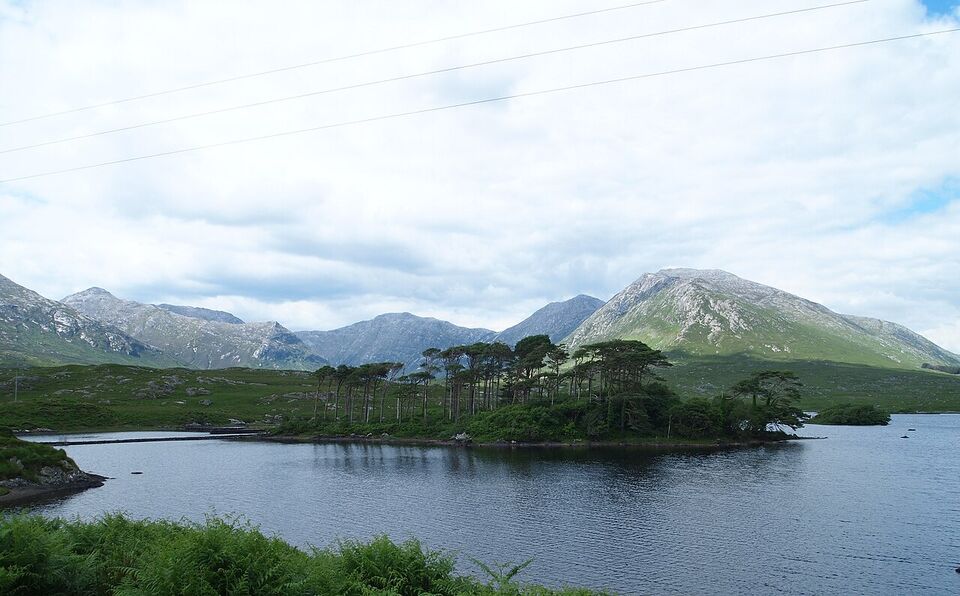
| Galway and Connemara | Music, a lively small city, bogs, mountains, island day trips | Galway about 2.5 to 3 hours from Dublin; about 1 to 1.25 hours from Shannon | Wetter and windier than Dublin, with fast-changing skies; busy in July and August | Galway, Connemara, Aran Islands |
| The northwest | Empty coast, surf towns, big cliffs, repeat visitors | Sligo about 3 hours from Dublin; Donegal roughly 4 hours or more | Cool, wet and exposed; very quiet outside summer | Only as part of the Wild Atlantic Way |
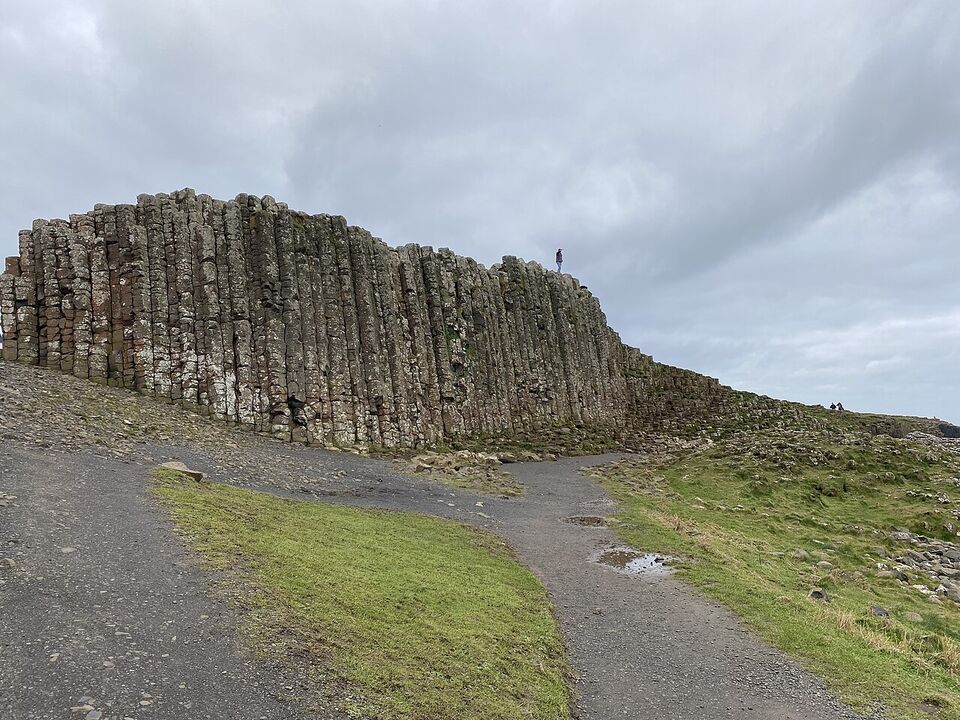
| The north (Northern Ireland) | Titanic history, the Causeway Coast, a second country on one trip | Belfast about 2 hours from Dublin by road or train | Similar to the east coast; the Causeway Coast is busy in summer | Belfast, Causeway Coast |
| The midlands | Rivers, lakes, monastic sites, cycling, a quiet detour | Athlone about 1.25 hours from Dublin | Drier than the coasts; few crowds | Not covered in depth; see by interest for related ideas |
Two points on that table. First, "covered in this guide" means a full page. A region with no page is still worth visiting, but we would rather say so than pad it. Second, the weather column is a pattern, not a forecast: the Atlantic side gets more rain days than the Irish Sea side. Dublin Airport records about 137 rain days a year, Galway about 170 and Valentia Island in Kerry about 203, according to Met Éireann averages. See when to go for month-by-month detail.
Dublin and the east
Most flights arrive here, and the capital repays two or three nights. The Dublin guide covers neighborhoods and logistics, and Dublin sights covers the big attractions, including the ones with temporary closures. The airport itself has its own page, Dublin Airport, with preclearance and transfer details.
North of the city, the Boyne Valley holds Newgrange and other Stone Age sites. South, County Wicklow has Glendalough. Both fit into a day trip, and day trips from Dublin compares them. If you have only four or five days in total, staying in Dublin and doing one or two day trips is a perfectly good trip.
The southeast and Cork
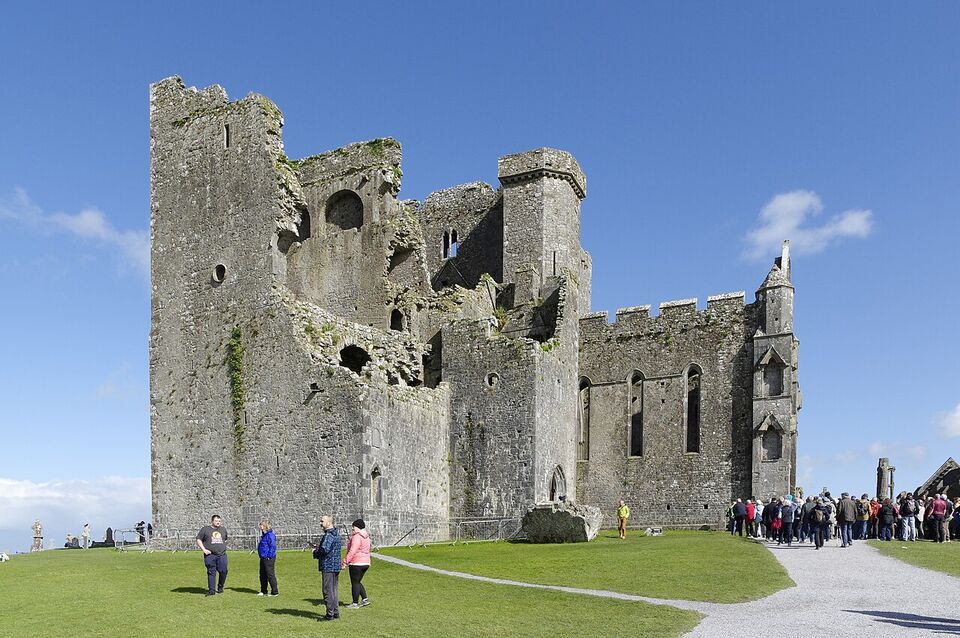
Heading south from Dublin you pass through Kildare and Tipperary on the way to either Kilkenny or Cork. Kilkenny is a compact medieval city with a castle, and it makes a natural first night out of Dublin because the drive is short. The Rock of Cashel in County Tipperary is a worthwhile stop between Dublin and Cork or Kerry, though it can close at short notice in bad weather and has shorter winter hours.
Cork is the Republic's second city and a base for Kinsale, Blarney and the food towns of east Cork. It works as a bridge between the east and Kerry: Cork to Killarney is a good scenic drive that avoids doubling back through the midlands.
Kerry
Kerry is the region most Americans have heard of, and it is the one that fills up. The county has three guides: Killarney (lakes, the national park and the usual base), the Ring of Kerry (a 111-mile or 179 km circuit of the Iveragh Peninsula) and Dingle (a smaller peninsula with Slea Head and a strong Irish-speaking community).
The Ring is very busy from June to August, and tour coaches normally run it anti-clockwise from Killarney via Killorglin. Many self-drivers go the other way round to stay out from behind them. Skellig Michael, the island monastery off the Kerry coast, is closed until 2027 after its 2026 season ended early on September 21 because of weather and sea conditions. If it is on your list, plan for 2027 and book with a licensed boat operator.
Watch out
Do not plan a Kerry day around a single attraction that depends on weather or a boat. Skellig landings, island ferries and some mountain roads can be cancelled at short notice. Build in a flexible day and a rain option.
Clare, the Burren and Galway
The Cliffs of Moher are the most visited single sight on the west coast. They rise to 702 ft (214 m) and run for about 9 miles (14 km). Gate admission in 2026 is €15 (about $17) for an adult, and booking online is cheaper. The cliffs sit on the edge of the Burren, a limestone landscape with its own flora, and it is worth a slower hour or two beyond the cliff paths.
Galway is a university city of about 86,000 people at the mouth of the River Corrib, and it is the best-placed base on the west coast. From there you can reach Connemara, the Aran Islands and the Cliffs of Moher in a day each. Clare and Galway are neighbors across Galway Bay, and the M18 motorway links Galway to Ennis and Shannon, which makes them easy to combine.
The northwest and the midlands
Sligo, Donegal and north Mayo have some of the island's biggest coastal scenery, including Slieve League, which Discover Ireland promotes as Europe's highest sea cliffs (Croaghaun on Achill Island is higher), and Malin Head, the northern end of the Wild Atlantic Way. They also have the longest distances between sights and the thinnest public transport. We cover them only through the Wild Atlantic Way page for now. If you want to go that far, give it its own trip or at least four days.
The midlands (around Athlone, the Shannon and Lough Ree) are rarely a headline destination. They are, however, a sensible place to break the drive between Dublin and the west. Fáilte Ireland markets the area as Ireland's Hidden Heartlands.
The north: Belfast and the Causeway Coast
Northern Ireland is part of the United Kingdom, and the practical differences matter. It uses pounds sterling, so a Titanic Belfast adult ticket is priced in pounds (£24.95 online, about $33). Road signs show miles and mph, not kilometers and km/h. A US visitor also needs a UK Electronic Travel Authorisation (ETA), which costs £20 (about $27); there is no routine check on the road, but airlines and ferries do check at boarding. See the entry requirements page before you go.
Belfast has direct Enterprise trains from Dublin, and the Causeway Coast is the main reason to go further north. If you are driving a rental car from the Republic, ask the company about crossing the border before you book: some require written permission and a fee, and insurance may stop at the border.
Choosing your bases
A simple rule: one base for every two or three nights, and no more than one long driving day in any three. Here are some combinations that work, with the logic behind them.
Dublin plus Galway
Two or three nights in Dublin, then Galway as a base for Connemara, the Aran Islands and the Cliffs. You can do it entirely by train and day tour if you prefer not to drive.
Dublin, Kilkenny, Cork, Kerry
Move south in short legs through Kilkenny and Cork, then spend three nights around Killarney and Dingle. Return by train or fly home from Shannon or Cork.
Galway, Clare, Kerry
Fly into Shannon and drive north to Galway first, then back south through Clare to Kerry. Either end can be your departure airport, with limited driving back.
Dublin and Belfast
The Enterprise train links the cities directly. Add a Causeway Coast day tour from Belfast; see the Causeway Coast guide for how to do it without a car.
How to combine regions without too much driving
Use an open-jaw ticket: fly into one airport and out of another. Dublin and Shannon both have US preclearance, so you clear US immigration and customs before boarding. CBP lists the hours as 7:00 a.m. to 4:30 p.m. at Dublin and 9:00 a.m. to 5:00 p.m. at Shannon, so check your airline's departure time against them. See the flights guide for routes and the Dublin Airport guide.
Use trains for the straight legs. Dublin to Galway takes just under 3 hours by rail, and Irish Rail also serves Cork, Killarney (usually changing at Mallow) and Belfast. Pick up a rental car in the region where you will drive most, not at the airport on the first day if you are tired. A one-way rental often has a drop fee, so compare it with an extra day of driving. The car rental guide covers insurance and automatics, and driving in Ireland covers the left-side basics.
The Shannon estuary is a shortcut worth knowing. A car ferry links Clare and Kerry across the water, which avoids the long drive around through Limerick. Check that it is running and what the winter timetable is before you build a day around it.
Insider tip
Count the days, not the miles. A good rule is to plan at most 2 hours of driving on any day when you also want to see something. Longer legs belong on travel days with just one stop.
If you want help turning this into a route with dates, the trip builder and planning guide take it further, and getting around compares trains, buses and cars.
Matching regions to trip length
Trip length decides the map more than interests do. These are starting points, not itineraries; the trip builder turns them into dated plans.
- Four or five days: Dublin plus one day trip, or Dublin plus Galway by train. Do not add a third base.
- One week: Dublin and the west (Galway with Connemara or the Cliffs), or Dublin and Belfast. A week in a car circling the island is possible but mostly consists of driving.
- Ten days: Dublin, Kilkenny or Cork, then Kerry and either Clare or Galway. This is the classic first-timer route, and it is comfortable at about three nights in the two main bases.
- Two weeks: add the north (Belfast and the Causeway Coast) or a slow stretch of the Wild Atlantic Way. Two weeks is also when a stay in a rented cottage, with a week in one place, starts to make sense.
Whatever the length, the first and last nights are best spent near airports and trains. Jet lag and a manual-transmission car on the left side of the road are a poor combination for the first afternoon.
Mistakes to avoid when choosing regions
- Trying to see all nine regions. Four are plenty for two weeks. The rest will still be there on a second trip.
- Judging distance by miles. Estimate 30 to 40 miles an hour on regional roads, not the 55 you are used to at home, and add time for photo stops.
- Booking Kerry and Dublin on opposite ends of a long day. A four-hour drive after a flight is a risk for tired drivers. Take the train for the long leg.
- Forgetting the border. Belfast is in another country, with another currency and a UK ETA requirement. Do not book a Belfast day into a Dublin weekend without checking the entry rules.
- Assuming the winter schedule matches summer. Ferries, boat trips, tours and some hotels and cafes run limited seasons. We flag known closures on each destination page, and you should check operators before you build a day around them.
Save money
Rental cars and hotels cost most in July and August. Moving a trip into May, June or September can cut your costs and the crowds, and the Cliffs of Moher offers cheaper online and off-peak tickets. Our budget guide shows where the money goes, and money explains cards, cash and the euro rate (€1 = US$1.12).
Weather, crowds and seasons
The east is the driest, the west and southwest are the wettest, and nowhere is reliably warm. Dublin Airport's long-term daily highs run from about 46°F (8°C) in January to about 67°F (19.5°C) in July. Galway runs from about 48°F (9°C) to about 67°F (19.5°C), and Valentia Island, on the Kerry coast, from about 50°F (10°C) to about 64°F (18°C). The southwest has milder winters and cooler summers because of the ocean.
Crowds follow the season. The Ring of Kerry, the Cliffs of Moher and Dublin are busiest from June to August, and rooms book up earliest in July and August. Winter is quiet, with shorter days (about 7.5 hours of daylight in mid-December) and some attractions closed or on reduced hours. Spring and early autumn give a good balance. The full picture is in when to go, and what to pack is in packing.
Different from home
Road signs in the Republic show distances in kilometers and speed limits in km/h, so a sign reading 80 means about 50 mph. Northern Ireland uses miles and mph. Most rental cars are manual, so reserve an automatic early and expect to pay extra for it.
Choosing by interest
- Castles and history: Kilkenny, the Boyne Valley, the Rock of Cashel and Dublin. See castles.
- Landscape and walking: Kerry, Connemara and the Burren. See outdoors.
- Music and pubs: Galway, Dingle, Doolin and Dublin. See pubs.
- Food: Cork and its surrounding towns, plus Galway for seafood. See food.
- Golf: Clare, Kerry, Cork and the north coast. See golf.
- Family history: Dublin for records, and the county your ancestors left. See ancestry.
The by interest page ties these together, and where to stay compares hotels, B&Bs and rentals.
Add it to a route in the trip builder, or ask us to plan the hotels, trains and guides for you.