Overview
Colombia is a large country with many different landscapes, and the best trip usually starts from what you most like to do. A beach trip, a hiking trip, a birding trip and a food and music trip each lead to different regions, different seasons and different budgets. This page is the hub for the interest pages in the guide. It compares interests with the regions that suit them, explains how to combine two or three interests without exhausting yourself, and points you to the detail pages.
We keep numbers to a minimum here. For prices, park fees, opening dates and entry rules, use the linked page for each interest, which gives the figures we could confirm and says where to check the rest. Rules and prices change often, so the figures in this guide are as of November 2026.
If you have not yet chosen a destination, read how to plan a trip, the destinations overview and when to go. If you already know your interest, the table below takes you to the right region.
Interests, regions, seasons and effort
Seasons are in words, because Colombia's weather depends on altitude and coast. Effort means how much planning, walking, altitude or travel time the interest usually involves. The detail pages give specifics.
| Interest | Best regions | Best seasons | Effort | Guide |
|---|---|---|---|---|
| Beaches | Caribbean coast, islands (San Andrés, Providencia, Rosario), Pacific coast | Caribbean mainland: the drier months around the turn of the year into spring; San Andrés: avoid its long rainy season; Pacific: wet most of the year, whale season in the middle of the year | Low to moderate; boats and flights add planning | Beaches |
| Hiking and nature | Coffee region, Los Nevados, Sierra Nevada de Santa Marta, páramos near Bogotá, Tayrona, Amazon | Choose the drier months for the region you pick; mountain weather changes quickly | Moderate to high; altitude, guides and permits | Hiking and nature |
| Birdwatching | Coffee region and cloud forest, Santa Marta mountains, Amazon, Pacific coast | Drier months of each region; northern winter for migrants | Moderate; early starts and a local guide | Birdwatching |
| Diving and snorkeling | Caribbean islands and coast; remote Pacific sites for experienced divers | Calm, dry-season weather is usually best; ask a dive operator | Moderate; certification, boats, insurance | Diving |
| Families | Cartagena and the Rosario Islands, the coffee region, Medellín, San Andrés | School-holiday weeks are busy; pick calmer weeks if you can | Low to moderate; heat, altitude and long transfers | Families |
| Long stays | Medellín, Bogotá, the coffee region, Cartagena | Any month; consider altitude and weather for where you base yourself | High: paperwork, housing and health care | Long stays |
| Pets | Anywhere; plan the border, flights and lodging | Avoid peak heat for the animal | High: veterinary and airline rules | Pets |
| Food and coffee | Bogotá, Medellín, Cartagena, the coffee region, Cali | Any month; harvest timing differs by farm | Low | Food, Coffee |
| Music and festivals | Cali (salsa), Barranquilla (Carnival), Valledupar (vallenato), Medellín, Bogotá | Each festival has its own dates; many are early or late in the year | Low to moderate; book early | Festivals, Salsa and music |
| History and culture | Cartagena, Bogotá, Villa de Leyva, Popayán, Santa Marta and the Sierra Nevada | Any month; museums have set closing days | Low | Cartagena sights, Bogotá sights |
If you like X, go to Y
A short guide to deciding. Match what you like to the page that answers it.
- If you like warm water and sand, start with Beaches, then pick a base from Cartagena, Santa Marta and Tayrona or San Andrés.
- If you like boats and small islands, go to the Rosario Islands.
- If you like long walks and mountain views, read Hiking and Nature and the coffee region.
- If you like ancient sites and a real trek, read about Ciudad Perdida.
- If you like birds, go to Birdwatching and plan time in the cloud forest.
- If you like jungle and rivers, go to the Amazon.
- If you like reefs and wrecks, go to Diving.
- If you like coffee, go to Coffee and the coffee region.
- If you like eating, go to Food.
- If you like dancing and live music, go to Salsa and music, Cali and Festivals.
- If you like museums and old towns, go to Bogotá sights, Cartagena sights and Villa de Leyva.
- If you like a city with mild weather and an easy base, go to Medellín.
- If you travel with children, go to Families.
- If you plan to stay for months, go to Long stays.
- If you travel with a pet, go to Pets.
Beaches
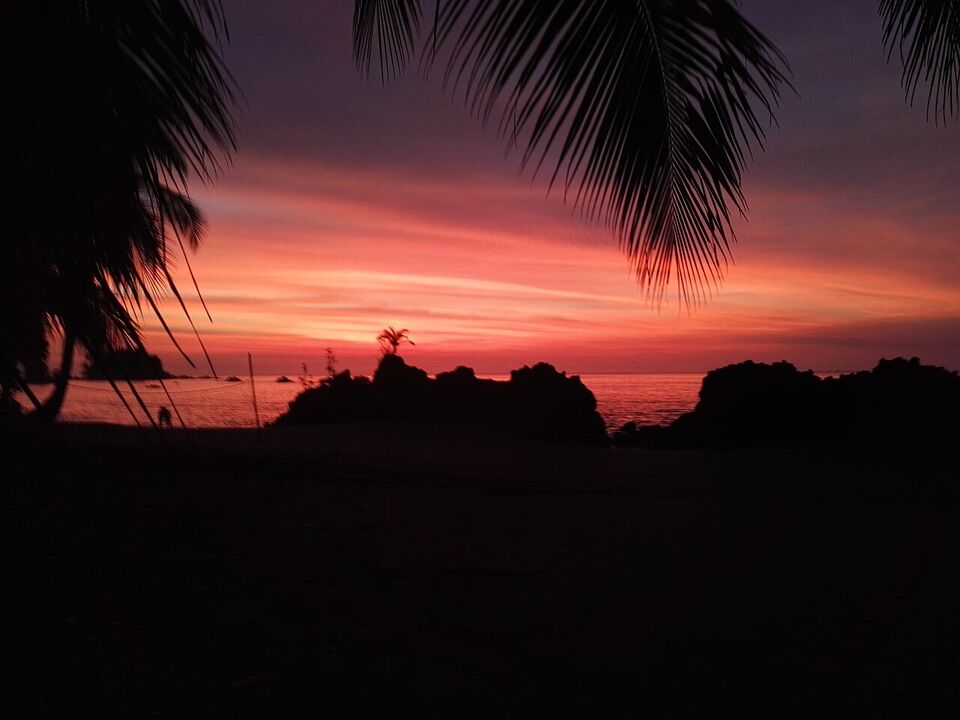
Colombia's beaches include city beaches in Cartagena, island day trips to the Rosario Islands, forest-edge coves in Tayrona, long open beaches near Palomino, reef-and-lagoon water on San Andrés and Providencia, and wild Pacific beaches near Nuquí and Bahía Solano. They differ in water, crowds, services and safety, and national park beaches have fees, insurance rules and closures. See Beaches for a comparison table by region, sea safety, sun and heat, and advice on boats and valuables.
Hiking and nature
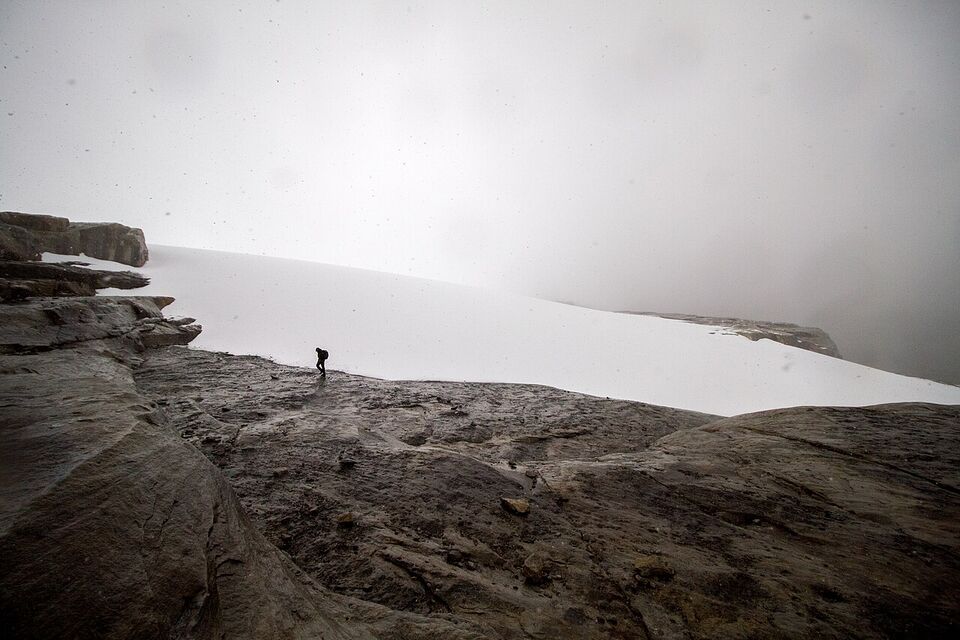
The country's hiking range runs from the wax palms of the Cocora Valley to páramo grasslands, snowy volcanoes, the Sierra Nevada de Santa Marta and the Amazon. Many routes are guided, some are in Indigenous territory, and park access rules change, so plan with the park authority's current notices. Hiking and Nature has a table of hikes by effort, altitude and guide requirement, plus packing and safety advice.
Is Caño Cristales open this season?
Caño Cristales, the "River of Five Colors" in the Serranía de la Macarena, is one of the most asked-about sights. Its colors show from late July through November, and a travel-agency calendar listed it as closed from November 16 to December 31, 2026. We could not confirm that against the park's own notice, so treat it as a lead. Entry is controlled: we understand visitors go only with authorized guides under park rules, and that numbers are limited, but you should confirm the current rules and any permits with Parques Nacionales or a registered operator before you book flights. Do not plan a late-year trip around it without a written confirmation. The hiking page has the detail.
Birdwatching
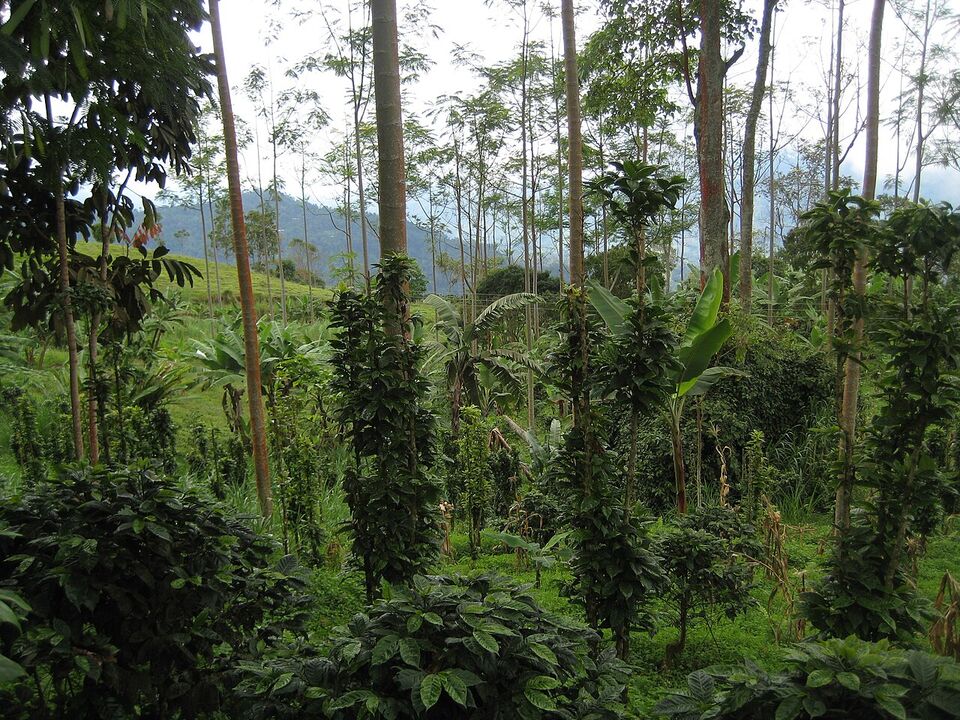
Colombia is usually ranked first in the world for bird species, according to Wikipedia's Colombia entry, which lists more than 1,900. The coffee region and cloud forest, the Santa Marta mountains, the Amazon and the Pacific coast are the main hotspots. A local guide adds a lot, and early starts matter. Read Birdwatching for a table of regions, advice on guides and lodges, and what to pack.
Diving, families, long stays and pets
Diving and snorkeling. The Caribbean islands and coast have reef sites, and the Pacific has remote destinations for experienced divers. Use a registered operator, check certification and insurance, and see Diving. The Rosario Islands and San Andrés are common starting points for snorkeling.
Families. Colombia suits families who plan around heat, altitude and long transfers. Choose bases with easy day trips, check each park's rules for children, and read Families.
Long stays. A stay of more than 90 days needs an extension, and a visit of up to 90 days is allowed on arrival, extendable to 180 days in a calendar year (as of November 2026, per Wikipedia's reference page; check Migración Colombia). Housing, health care and paperwork take planning. See Long stays and entry rules.
Pets. Bringing a pet involves veterinary documents and airline rules, and the agricultural authority sets import rules. We have not confirmed current requirements, so use Pets and check official sources early.
Food, coffee, music, festivals, history and culture
Colombia's food varies by region: arepas, bandeja paisa in Medellín, ajiaco in Bogotá, seafood on the coast. Coffee is a draw in itself, with the coffee region as the center; read Food and Coffee. Music runs from salsa in Cali to vallenato and cumbia on the Caribbean side, and festivals have set dates that often need early booking: Salsa and music and Festivals. For history and culture, the walled city of Cartagena, the museums of Bogotá and the colonial towns of Boyacá, such as Villa de Leyva, are the usual choices; see Cartagena sights and Bogotá sights. Museums often close one day a week, so check each before you plan.
How to combine interests into one itinerary
Most travelers have two or three interests. The trick is to put them in the same region, or in regions that are easy to link, so you do not spend half the trip in transit.
- Beaches plus history: Cartagena, then a day on the Rosario Islands, then the coast near Santa Marta. All are on the Caribbean side and connect by road or short flights.
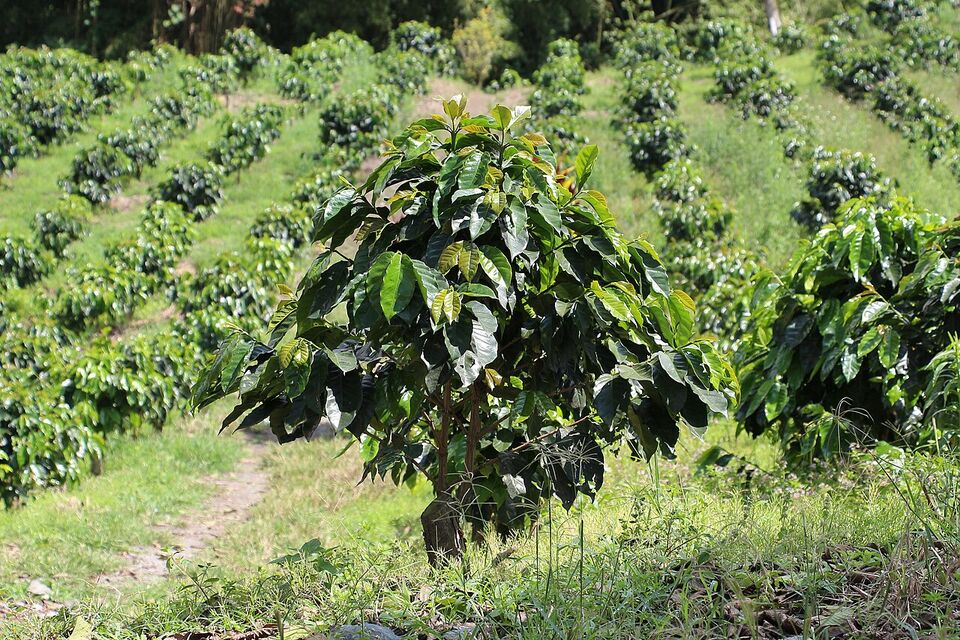
- Coffee plus hiking plus birds: base yourself in or near Salento and the coffee region. You can combine a farm visit, the Cocora Valley and bird walks in a few days. See the coffee region.
- Culture plus food plus music: Bogotá, Medellín and Cali form a city loop that works well with domestic flights; see domestic flights.
- Coast plus mountains: Santa Marta, Tayrona and the Sierra Nevada put forest, beach and a high mountain range in one region. Add Ciudad Perdida only if you have the days and the fitness.
- Nature plus adventure: Leticia and the Amazon work best as a separate leg by flight, and need time for vaccines and logistics; read the Amazon guide and health.
- Family trip: Cartagena for beach and history, plus either the coffee region or Medellín for a change of pace.
Use the trip builder to test a draft route, and look at getting around for how long moves take. A realistic rule is one night in a place for each short stop, and at least two nights for anywhere you want to see properly. Build in a spare day for weather and for altitude, since Bogotá sits at about 8,660 ft (2,640 m).
Insider tip
Pick the weather-sensitive interest first. If you want a Caribbean beach, a mountain trek or a river like Caño Cristales, choose your dates by those conditions, then fit the city and food days around them. Cities are good in any month.
Choosing by trip length
Trip length decides how many interests you can honor. These patterns are starting points, not fixed plans; the trip builder and the planning page help you test them against real flights and dates.
- One week: one region and one or two interests. A Caribbean week can combine Cartagena history, food and one island or beach day. A coffee-region week can combine farms, hiking and birds, with a night or two in a city on each end.
- Two weeks: two regions linked by a short flight. Common pairings are the Caribbean coast with the coffee region, or Bogotá and Medellín with a beach finish. Leave at least one buffer day for weather, and check domestic flights before you book.
- Three weeks or more: three regions, or two regions plus a remote leg such as the Amazon, San Andrés or the Pacific coast. Add a long-stay base if you want to slow down; see long stays.
Whatever the length, put your hardest or most weather-dependent item early in the trip, not on the last day. If a trek, a boat or a flight is canceled, you still have time to recover, and you will not miss your flight home.
Choosing by season
The calendar matters less in Colombia than altitude and coast, but a few seasonal ideas help when two plans compete.
- Caribbean beaches: the drier months run from about December into spring, and the sea and boats are usually easiest then. October is the wettest month in Cartagena by the climate records, and San Andrés has a long rainy season from May to January. See Beaches for the detail.
- Mountains and coffee country: the cooler highlands have rain on many days of the year, so choose early starts over a particular month. The coffee region is driest around June to August.
- The Amazon: rain falls on most days, with the least roughly in June to September. It is hot and humid year-round.
- Festivals: Carnival in Barranquilla, the Hay Festival in Cartagena and the Cali fair have fixed periods and fill hotels early, so choose the festival first if it matters to you. See Festivals.
- Winter 2026-27: Colombia's weather agency, IDEAM, said on November 12, 2026, that a strong El Niño would continue into early 2027, with fewer rains and higher temperatures expected. That may mean drier and hotter conditions than the averages, which helps for beaches and is worth knowing for hikes and rivers. Read November, December and January for month-by-month notes.
Choosing by effort and budget
Effort and cost do not always move together. A city and food trip is low effort and can be low or high cost depending on where you sleep. A multi-day trek, a remote lodge or a Pacific coast trip takes more preparation, more guides and more money. Think about three things before you decide.
- Fitness and altitude. Several of the best sights are high, steep or hot. Be honest about your comfort with long walks, early starts and thin air, and read the effort notes on the hiking page.
- Logistics. Remote sites mean small planes, boats and weather delays. If your schedule is tight, choose places with easy road or flight links.
- Money. Check the budget page and the money page. Park fees, guides, insurance and boat trips add up, and many small towns still run on cash. The site rate is US$1 = COP 3,300, and Colombians write pesos with a "$" sign, so see money in Colombia before you read a price tag.
Mistakes to avoid
- Picking too many regions. Colombia looks small on a map, and it is not. Mountains, weather and flights stretch every journey, so two regions is plenty for one to two weeks.
- Choosing dates before interests. A beach week in the wrong season, or a river trip when it is closed, spoils the plan. Check the season for each region.
- Treating one weather forecast as the whole country. Bogotá, Cartagena, Medellín and Leticia have different climates, set by altitude and coast.
- Ignoring altitude. If you add a hike to a Bogotá arrival, give yourself time to adjust.
- Booking restricted sites without checking. Parks, Indigenous territories and islands have closures, quotas and rules. Confirm them first.
- Forgetting holiday weekends. Several Mondays are public holidays, and hotels and boats fill early. Check when to go.
- Skipping safety checks. Read the US State Department advisory (Level 3: Reconsider Travel, as of November 2026) and our safety page before you finalize remote plans.
Different from home
Many Colombian sights are run by national park authorities, Indigenous communities or private reserves, each with their own rules, opening days and fees. A site that looks open on a map may require a guide, a quota or insurance. Confirm before you commit to a flight or a long road trip.
When your interests are clear, go to the page for each, then to the planning page. Use the FAQ for common questions.
Add it to a route in the trip builder, or ask us to plan the hotels, trains and guides for you.