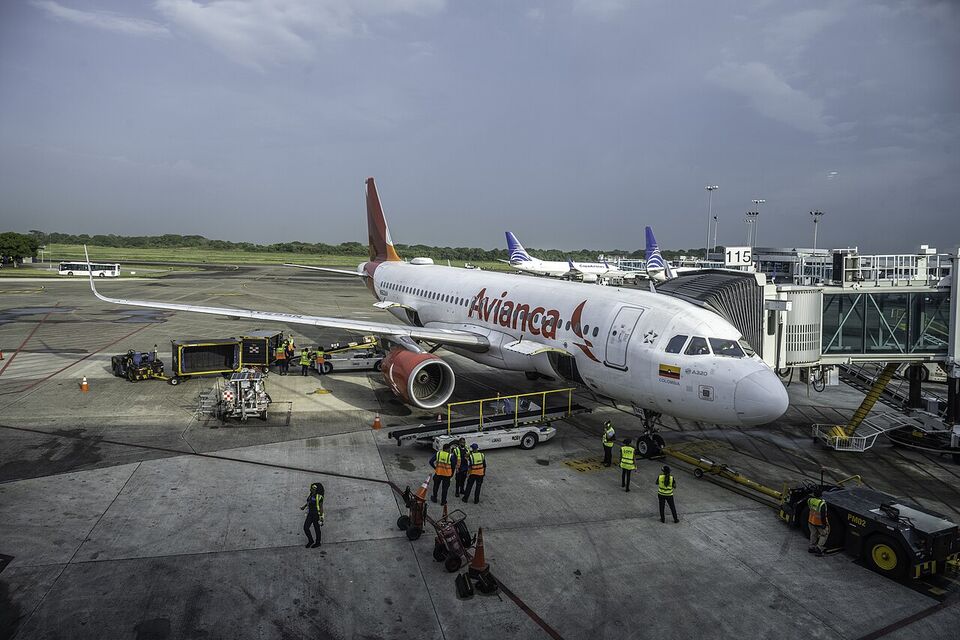
Overview: why flying often beats the road
Colombia is a big, mountainous country, and its roads follow valleys, passes and rivers. A distance that looks short on a map can take most of a day by bus, and some places have no road link at all. That is why many visitors fly at least once on a trip, and why a short domestic flight is often the better choice for a long leg. A flight from Bogotá to Cartagena, for example, replaces a very long overland journey, and the islands and the Amazon are reached by air or by boat.
The flip side is cost, bags and hassle. Flying means airports, baggage rules and weather delays, and for short trips between nearby towns, a bus or a private car is simpler and often more pleasant. This page helps you choose, then covers airlines, booking, airports, timing and what to do when a flight is delayed. For international arrivals, see the flights to Colombia guide; for buses, taxis and metros, the getting around guide.
Domestic schedules change often. Airlines add and drop routes with the season, and new routes are announced months ahead. Treat everything here as a starting point, and verify routes, times and baggage rules on each airline's own site before you book.
Which routes are worth flying
We suggest flying when the road is long, mountainous or missing, and when the flight is short. These are usually good choices:
- Bogotá to the Caribbean coast (Cartagena, Santa Marta, Barranquilla): the overland journey is very long, and flights are frequent.
- Bogotá to San Andrés and to Leticia: the islands and the Amazon town are reached by air or by boat, and flying is the practical way for most visitors. A tourist card is charged on arrival; see the San Andrés guide and the Amazon guide.
- Medellín to Cartagena or Santa Marta, and Cali to the coast, where roads are long and the flights are short.
- Bogotá to Medellín, Cali or the coffee region: the flight is short, and the road is slow because of the mountains. Many travelers fly one way and take the bus the other way to see the landscape.
Roads are better for short or scenic trips: Bogotá to Villa de Leyva (see the Villa de Leyva guide), Medellín to Guatapé (the Guatapé guide), towns inside the coffee region (the coffee region guide), and Cartagena to the Rosario Islands (a boat trip; see the Rosario Islands guide). In those cases, a flight would cost more and take longer door to door once you add airport time.
| City pair | By air | By road | Our suggestion |
|---|---|---|---|
| Bogotá to Medellín | Short flight, many daily options | Long, winding mountain road | Fly, or take the bus one way for the scenery |
| Bogotá to Cartagena | Short flight, frequent | A very long overland trip | Fly |
| Medellín to Cartagena | Short flight | A long day or more by bus | Fly |
| Bogotá to Cali | Short flight | Long, with mountain passes | Fly |
| Cartagena to Santa Marta | Few flights; check | A day trip by road; ask locally for bus or shuttle times | Bus or shuttle |
| Medellín to the coffee region | Flights to Pereira or Armenia are short | A scenic bus trip of several hours | Either; fly if you are short of time |
| Medellín to Guatapé | Not a flight route | A short bus or tour | Road |
| Bogotá to Villa de Leyva | Not a flight route | A few hours by bus or car | Road |
| Bogotá to Leticia or San Andrés | The practical way | No road link to the Amazon or the islands | Fly |
Flight times between the big cities are short, and as a rough guide the Bogotá to Medellín flight takes roughly an hour. We could not confirm exact times or bus durations from a current official source, so ask the airline or the bus terminal for the current figures.
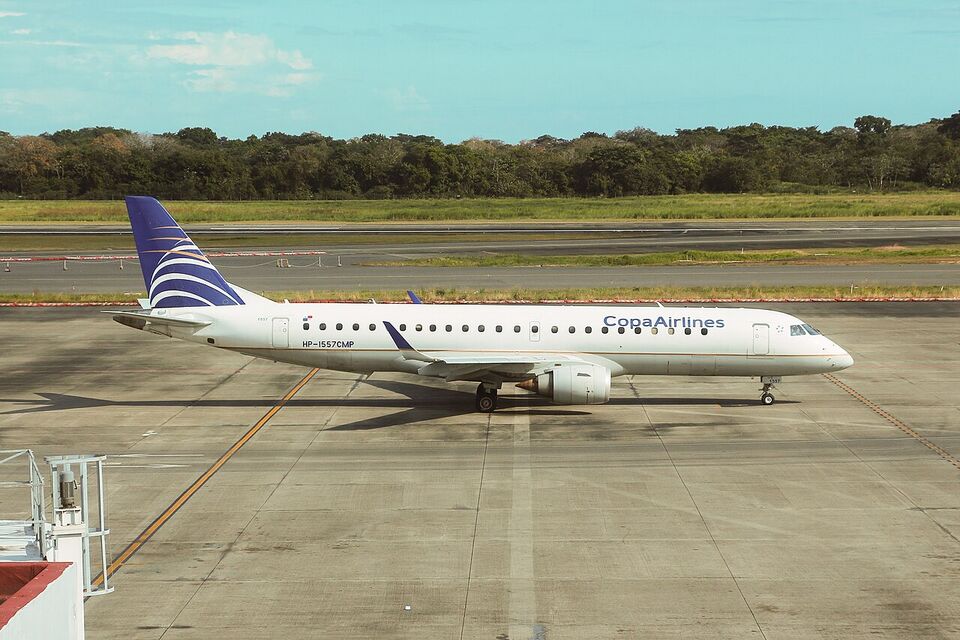
The main airlines
These airlines appear on Colombia's 2026 airport route lists. Names only here; routes and rules change, so check each site.
- Avianca: Colombia's largest airline, with a big network from Bogotá to cities all over the country, and international flights.
- LATAM Colombia: a major carrier with routes from Bogotá, Medellín, Cali and other cities, including Leticia, San Andrés, Santa Marta and Pereira.
- JetSMART Colombia: a low-cost carrier serving cities such as Barranquilla, Cali, Cartagena, Medellín (José María Córdova), Pereira, San Andrés and Santa Marta.
- Wingo: a low-cost carrier with routes between Colombian cities and some international routes.
- Clic: a regional carrier serving many smaller cities, with some routes beginning between November 2026 and February 2027.
- SATENA: the carrier for remote and regional destinations, including many small airports in the Amazon, the east and the Pacific side.
The low-cost carriers can offer low fares, but they sell a bare seat: bags, seat choice and boarding passes printed at the airport can add charges. Network carriers cost more at first, but may include a carry-on and sometimes a checked bag. Compare the final price after bags, and keep in mind that your bags may be heavier than the allowance at the cheapest fares.
How to book, and the baggage trap
Book on the airline's own website or app, or on a reputable travel site that links to the airline. Check that the site shows prices in a currency you know, and that you are not paying extra fees at checkout. Domestic fares are normally shown in pesos, and your card network converts them, so use a card with no foreign transaction fee (see the money guide). Names on the ticket must match your passport exactly.
The baggage trap is the main mistake. A low-cost fare often includes only one small personal item that fits under the seat. A carry-on bag, a checked bag, a seat and a boarding pass printed at the counter can each cost extra, and prices at the airport are usually higher than online. Decide your bags when you book, add them online, and weigh your bag at home: airlines enforce weight limits at the check-in desk and the gate.
Watch out
A cheap domestic fare plus bags can cost more than a network carrier's fare that includes them. Open the airline's baggage page for your fare before you pay, and compare the total.
If you connect from an international flight to a domestic one, buy the whole trip on one ticket when possible, or leave plenty of time between flights. You will usually clear migration at your first Colombian airport, collect and recheck bags, and may need to change terminals. At El Dorado in Bogotá, older sources describe a separate Puente Aéreo or "Terminal 2" for some regional airlines, so check which terminal your airline uses.
Which airport serves which city
Many cities have an airport named for a person, not the city, and some are some distance from the center. The main ones:
- Bogotá: El Dorado (BOG), the national hub.
- Medellín: two airports. José María Córdova (MDE) is in Rionegro, about 29 km (18 miles) southeast of the city; it handles international flights and most domestic routes. Olaya Herrera (EOH) is the small city airport, used for regional flights by carriers such as Clic and SATENA. Check which one is on your ticket, and the Medellín guide for the transfer.
- Cartagena: Rafael Núñez (CTG), in the Crespo neighborhood in the north of the city. See the Cartagena guide.
- Santa Marta: Simón Bolívar (SMR), about 16 km (10 miles) from the city, for Tayrona and the Sierra Nevada; see the Santa Marta and Tayrona guide.
- Barranquilla: Ernesto Cortissoz (BAQ).
- Cali: Alfonso Bonilla Aragón (CLO), in Palmira, outside the city. See the Cali guide.
- Pereira and Armenia (coffee region): Pereira has a main airport (Matecaña) and Armenia has El Edén, about 10 km (6 miles) from the city. See the coffee region guide.
- Manizales: La Nubia airport is small and often closed by fog, according to reference sources; a new airport is reported to be under construction in Palestina, so check the current status.
- Leticia (Amazon): Vásquez Cobo, the main gateway to the Colombian Amazon.
- San Andrés: Gustavo Rojas Pinilla, on the island itself.
- Popayán: Guillermo León Valencia, for the colonial city and the south.
Providencia is reached from San Andrés; ask your airline or the island's tourism office how, as services change.
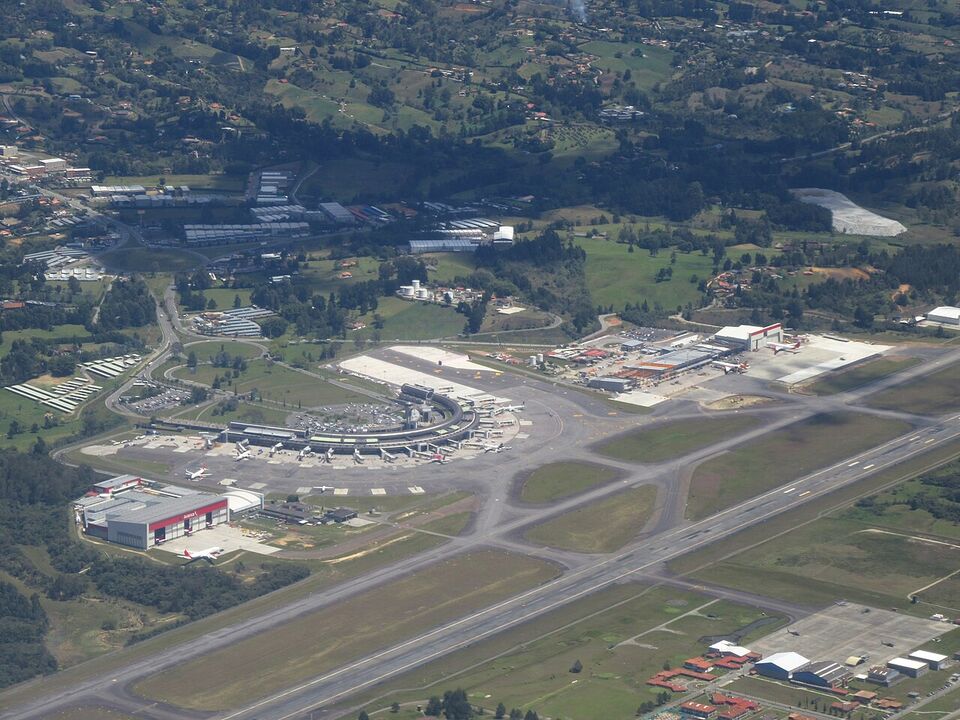
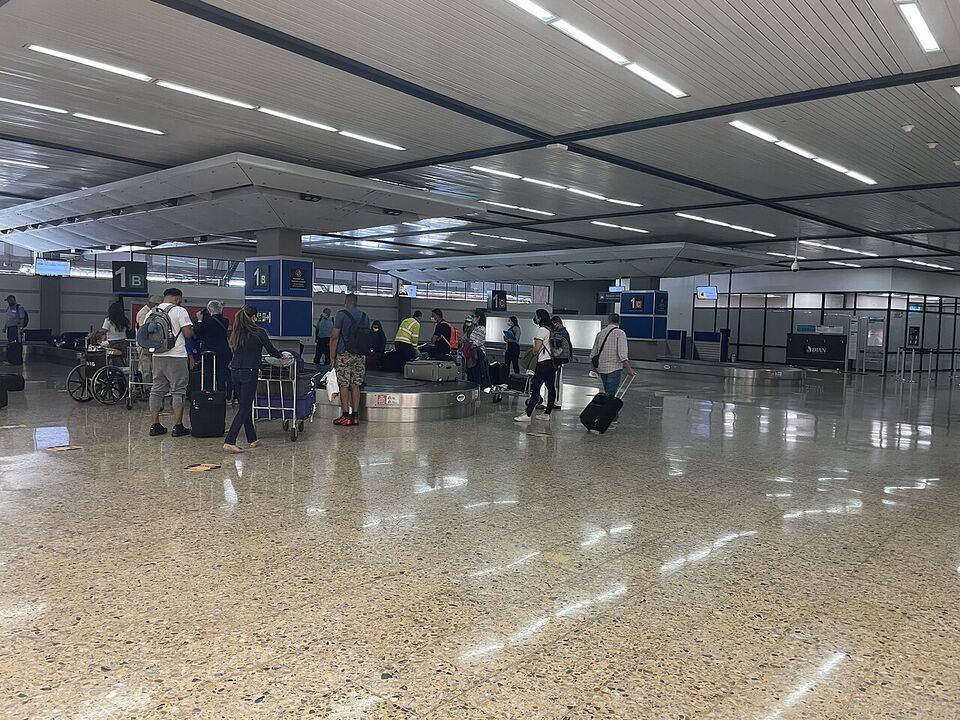
Regional carriers and small destinations
For small towns in the Amazon, the Pacific coast, the Llanos and the north, the carriers are SATENA and Clic. Their planes are small, their schedules may be a few flights a week, and weather can cancel flights, so leave a buffer before an international departure. Baggage allowances are often tighter on small aircraft, so confirm your allowance and pack a small soft bag. Some destinations, such as certain jungle or Pacific locations, can only be reached by plane or boat, and flights may stop at an intermediate airport.
Check the current flight list on the carrier's website, and reconfirm the day before. Ask your hotel or tour operator in the destination to confirm the schedule, since small airlines change timetables with little notice. Have your passport or ID ready: you will be asked for it at check-in at every airport.
Arriving, delays and the taxi routine
We suggest arriving about two hours before a domestic flight at the large airports, and earlier on holiday weekends and at airports with long security queues. Check your airline's own advice, which may differ for different airports and routes. Check in online when the airline opens it, and keep a screenshot of your boarding pass. Bring your passport even for domestic flights; it is the ID the airline will ask for.
Delays and cancellations happen, mostly because of weather, fog at mountain airports and busy airspace around Bogotá. If your flight is delayed, check the airline's app and ask at the desk about rebooking. Keep receipts for any extra costs, and consider travel insurance that covers delays. Leave a day between a domestic flight and your international departure, and avoid tight connections on separate tickets.
The airport-to-city taxi routine is the same across the country. Use the official taxi desk or a registered ride, say the destination to the dispatcher, agree on the fare or ask for a ticket, and take the receipt. Do not accept offers from people in the arrivals hall. For the Medellín airport in Rionegro, a taxi fare of about COP 118,000 (about $36) or more and an airport bus (combus) fare of about COP 20,000 (about $6) have been reported; fares are set by the city, so confirm at the desk. The drive is usually 45 minutes to an hour. For safety advice on taxis and rides, see the safety guide.
Insider tip
When you land at a high-altitude airport such as Bogotá, drink water and take it slowly for the first day; the first stairs and the first walk are where the altitude shows up. See the health guide.
Checking schedules, fees and last notes
Before you book, check each airline's site for the route and baggage rules, and the airport's or Aerocivil's site for any new airport fee. We found no confirmed new fee for domestic flights in 2026, but we could not verify the airport tax pages. Domestic flights usually include the airport charges in the ticket price, but confirm that on your fare breakdown. Schedules change often, so recheck a week before you fly and again the day before.
If you are building a route, the trip builder and the planning guide show how the pieces fit, and the regions guide helps you decide where to spend your time. For the first flight into the country, go back to flights to Colombia.
Add it to a route in the trip builder, or ask us to plan the hotels, trains and guides for you.