The short version
Most health problems for visitors to Colombia fall into five groups: altitude in Bogotá and the Andes, sun and heat on the coast, stomach upsets, insect-borne illness at lower elevations, and injuries on trails or in traffic. All of them are easier to handle with a plan made before the trip. Book a travel-health visit at least a month before you fly, because some vaccines need time and a prescription for malaria medicine takes planning.
The CDC's Colombia page (the main source for this guide) lists a Level 2 "Practice Enhanced Precautions" notice for yellow fever, updated October 16, 2026, a Level 1 notice on dengue, updated November 10, 2026, and recommendations for routine, hepatitis A, hepatitis B and other vaccines. Details can change. We give the facts as of November 2026 and tell you where to verify them: cdc.gov/travel for vaccines and disease risk, and the Colombian Ministry of Health (minsalud.gov.co) for local requirements.
Altitude is the issue many Americans do not expect, so we start there. For safety, theft and drugged drinks, see Safety in Colombia.
Altitude in Bogotá and the Andes
Bogotá sits at about 8,660 ft (2,640 m), much higher than Denver (about 5,280 ft or 1,609 m). The air has less oxygen, and many visitors notice it on the first day: short breath on stairs, a light headache, a dry mouth, a poor night's sleep. Most people adjust in a day or two. Colombia's other cities and towns have different heights, and the coast is at sea level, so the altitude story depends on your route.
| Place | Approximate height | What to expect |
|---|---|---|
| Cartagena, Santa Marta, San Andrés | Near sea level | No altitude effect; heat and humidity |
| Leticia (Amazon) | About 315 ft (96 m) | No altitude effect; hot and humid |
| Cali | About 3,340 ft (1,018 m) | Little effect for most people |
| Medellín | About 4,905 ft (1,495 m) | Mild for most people |
| Salento (coffee region) | About 6,217 ft (1,895 m) | Mild; hiking nearby climbs higher |
| Villa de Leyva | About 7,051 ft (2,149 m) | Noticeable on strenuous walks |
| Manizales | About 7,090 ft (2,160 m) | Noticeable on strenuous walks |
| Bogotá | About 8,660 ft (2,640 m) | Many visitors feel it for a day or two |
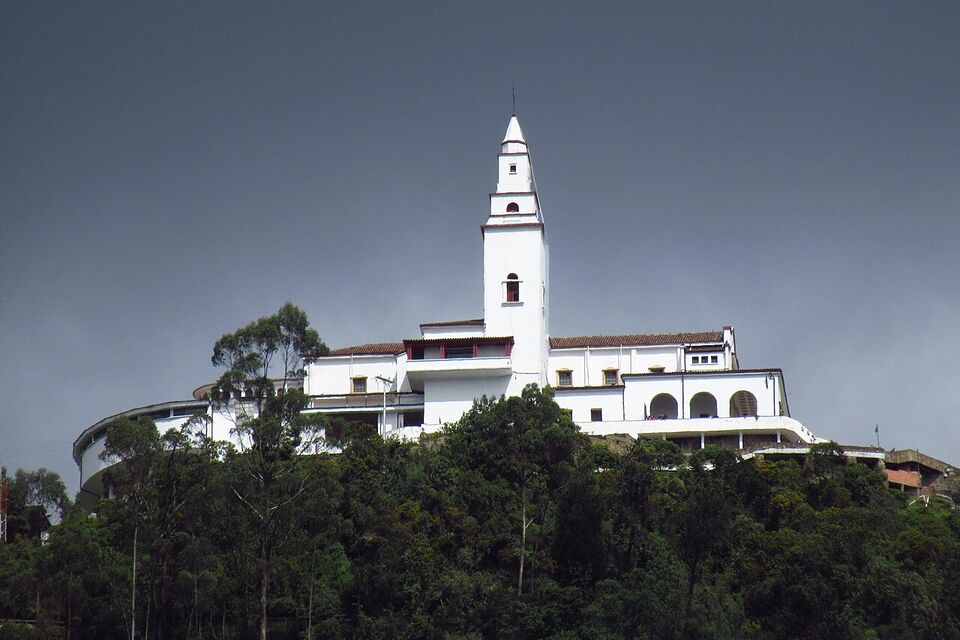
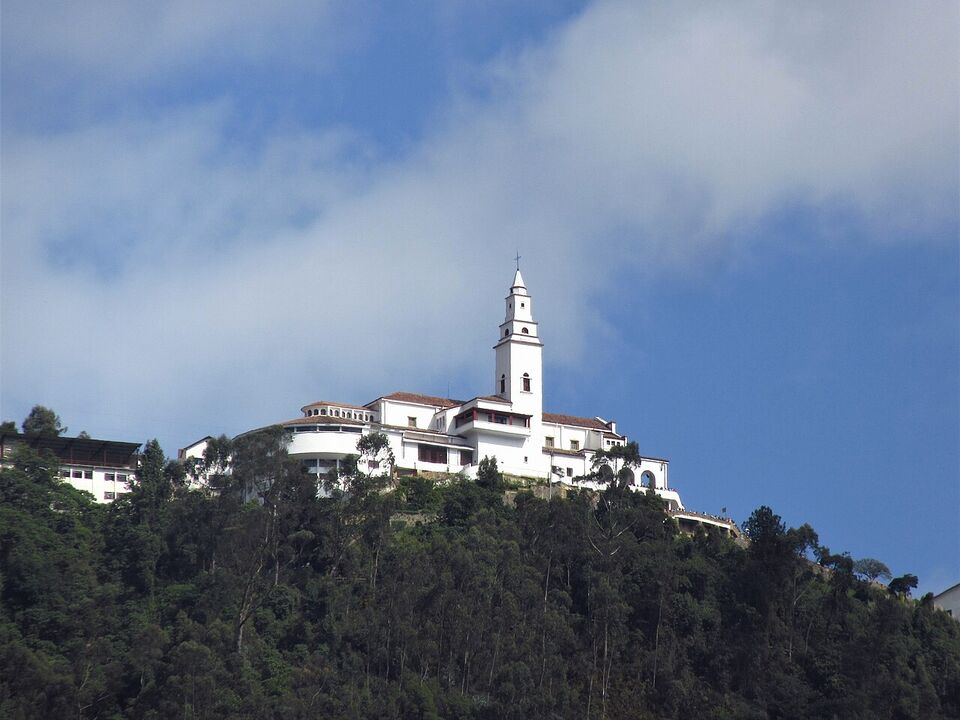
| Monserrate peak, Bogotá | About 10,341 ft (3,152 m) | Walk slowly; stop if you feel unwell |
Heights come from reference sources and round to the nearest figure. Cities such as Medellín and Cali are lower and warmer than Bogotá, so you may feel little. If you fly from the coast or from the US straight to Bogotá, the change is sudden; if you can, start in Bogotá with a light schedule or begin in a lower city and work upward.
How to adjust
- Take it easy on day one. Walk slowly, avoid hard exercise and plan a short first day.
- Drink water. The air is dry at altitude, and dehydration makes symptoms feel worse.
- Go light on alcohol. It hits harder at altitude and disturbs sleep. It also makes you an easier target for theft.
- Eat light meals and avoid heavy late dinners.
- Sleep. Many people sleep poorly the first night; it improves. Avoid sleeping pills unless your doctor says otherwise.
- Do not climb higher while you have symptoms. Rest, or go to a lower place.
What altitude sickness feels like, and when to see a doctor
Mild altitude sickness usually feels like a headache with one or more of nausea, dizziness, tiredness, poor appetite or poor sleep. It tends to start within hours of arrival and often improves within a day or two. Rest, fluids and a simple pain reliever such as the one you use at home are usual first steps; check with your own doctor about what is right for you.
See a doctor, or get help by calling 123 or your hotel, if you have severe or worsening headache, vomiting that does not stop, confusion, trouble walking in a straight line, a persistent cough, shortness of breath at rest or a feeling of tightness in the chest. These can be signs of serious altitude illness. The usual treatment is to get to a lower altitude, so do not push higher.
Ask your doctor before you go if you have heart or lung disease, are pregnant, have sickle cell disease or have had trouble at altitude before. A doctor can tell you whether a prescription medicine for altitude makes sense, which is a decision for them, not for a travel guide. Insurers may exclude some high-altitude activities, so read your policy.
Higher points: Cocora, the Nevados and the Sierra Nevada
Several popular trips go much higher than Bogotá. The Cocora Valley sits at roughly 5,900 to 7,870 ft (1,800 to 2,400 m), and its trails climb through cloud forest with frequent rain. It is part of Los Nevados National Natural Park, whose peaks include the Nevado del Ruiz volcano, at 17,457 ft (5,321 m) near Manizales. The Sierra Nevada de Santa Marta rises to about 18,700 ft (5,700 m) just 26 miles (42 km) from the Caribbean coast. Reaching high trails or glacier zones needs a guide, a slow pace and cold-weather clothing. Park rules, closures and volcano alerts change, so check Parques Nacionales and local notices (see the coffee region and hiking and nature).
Insider tip
Build altitude into the order of your trip. If your plan includes Bogotá, Villa de Leyva or a high trail, do them early while you are fresh and have time to rest, and keep the beach for the end. See planning your trip for sample routes.
Sun, heat and the coast
The Caribbean coast, San Andrés and the Amazon are hot and humid for much of the year (Leticia's average temperature is about 80°F (27°C)). The sun is strong near the equator, and sunburn and heat exhaustion are common problems on beach days and boat trips.
- Use broad-spectrum sunscreen, a hat and sunglasses. In national parks and reef areas, choose a biodegradable or reef-safe sunscreen; Parques Nacionales' Tayrona page recommends biodegradable sunscreen, light cotton clothes and sturdy walking shoes.
- Drink water before you feel thirsty and plan shade breaks. Alcohol and heat do not mix well.
- Know the signs of heat illness: heavy sweating, dizziness, headache, nausea, then confusion or no sweating. Move to shade, cool the person and get medical help.
- Check sea conditions before you swim. Rip currents and rough seas happen, and many beaches have no lifeguard. Ask your hotel or a local operator.
See when to go for weather by region, and packing for a list that includes layers for the highlands and rain gear.
Mosquito-borne illness: dengue, Zika, chikungunya and malaria
Insect-borne diseases are a concern in lower, warmer places. The CDC says dengue is a year-round risk in many parts of the world, with outbreaks every two to five years, and posted a Level 1 global dengue notice on November 10, 2026. It also says there is elevated chikungunya risk in Colombia, with vaccination to be considered only for people planning to stay six months or more, and that pregnant travelers are at risk from Zika.
- Dengue, Zika and chikungunya spread by mosquito bites, and the mosquitoes that carry them bite in the daytime. The CDC's Colombia page lists no dengue vaccine for visitors, so prevention means avoiding bites.
- Prevention: use an insect repellent registered with the EPA, wear long sleeves and pants where you can, sleep in air-conditioned or screened rooms and use a bed net if the room is not screened.
- Pregnancy: talk to your doctor before you go. The CDC lists Zika as a risk for pregnant travelers.
- Fever after a trip: see a doctor and tell them where you have been.
Malaria
The CDC says malaria transmission occurs in all areas of Colombia below 1,700 m (5,600 ft) and recommends that travelers going to certain areas take prescription medicine to prevent it. It also states there is no malaria transmission in the cities of Bogotá, Cartagena or Medellín. Whether you need medicine depends on your route and the season, so take your itinerary to a travel clinic. Start the medicine on the schedule your doctor gives you, before, during and after the trip.
Other insect and animal risks
The CDC also lists leishmaniasis (spread by sand flies), Chagas disease (spread by triatomine bugs), leptospirosis (from contact with contaminated water or mud, especially after heavy rain) and New World screwworm among the non-vaccine-preventable diseases for Colombia. For most short trips on the main tourist routes the practical steps are the same: avoid bites, do not swim or wade in floodwater, clean and cover wounds and avoid contact with livestock and wild animals. Rabies is present in dogs and bats; if an animal bites or scratches you, wash the wound and get medical advice quickly.
Yellow fever
This is the vaccine question that most needs checking for your route. The CDC's recommendation, as of November 2026, is that the yellow fever vaccine be recommended for all travelers aged 9 months and older, with these exceptions:
- it is generally not recommended for travel limited to the cities of Barranquilla, Cali, Cartagena or Medellín;
- it is not recommended for travel limited to places above 2,300 m (7,550 ft), to the archipelago of San Andrés and Providencia, or to the city of Bogotá.
In practice, a trip that includes Tayrona, the Sierra Nevada, the Amazon or other low-lying rural areas is outside those exceptions, so ask your doctor about the vaccine. The CDC's list of exceptions does not include the Amazon (Leticia), so its general recommendation applies there. Parques Nacionales says Tayrona will not demand a yellow fever certificate at the park entrance, but it recommends vaccination.
The CDC raised a Level 2 notice for Colombia on October 16, 2026, saying an increased number of yellow fever cases had been reported. The CDC page also lists a country entry requirement for the vaccine "for all arriving travelers one year or older," updated July 9, 2025 and "subject to change." The Colombian immigration pages we read do not mention it, so we cannot tell you how it is applied at the airport. Confirm with the Colombian Ministry of Health (minsalud.gov.co), the Colombian embassy and your airline, and bring your International Certificate of Vaccination if you have been vaccinated. Vaccination should be given well ahead of your trip, so ask a travel clinic for the timing and for the certificate.
Watch out
The yellow fever picture is changing: a CDC notice dated October 16, 2026 reports more cases, and the entry-requirement line is dated July 2025. Check cdc.gov/travel and minsalud.gov.co again the week you buy your vaccines, and see our entry rules page for the Check-MIG form.
Vaccines and medicines to ask your doctor about
These come from the CDC's Colombia page. Your doctor decides what is right for you.
- Routine vaccines: make sure you are up to date (measles-mumps-rubella, diphtheria-tetanus-pertussis, polio, flu, chickenpox, shingles, COVID-19). The CDC has a measles notice, last updated May 28, 2025, and says all travelers should be fully vaccinated against measles.
- Hepatitis A: recommended for unvaccinated travelers one year or older.
- Hepatitis B: recommended for unvaccinated travelers younger than 60.
- Typhoid: consider it if you will visit rural areas, stay a month or more, visit friends or relatives or be somewhere with poor sanitation.
- Yellow fever: see the section above.
- Malaria medicine: a prescription, by route.
- Rabies: consider it if you will have activities with animals or be far from medical care.
- Chikungunya: may be considered for stays of six months or more.
- Mpox: the CDC page recommends vaccination for adults who expect sexual or intimate contact with new partners, at commercial sex venues or at large events such as parties and festivals.
Do this at least a month before you leave, because some vaccines need more than one dose. Bring a copy of your vaccine record.
Food, water and stomach trouble
The CDC advises care with food and water in Colombia, with guidance that varies by place and activity. We cannot tell you any city's tap water is safe or unsafe. Many travelers drink bottled or filtered water and ask locally; your hotel can tell you what its guests use.
- Drink sealed bottled water or water you have filtered or boiled, and be careful with ice and drinks from unknown sources.
- Eat hot, freshly cooked food. Choose busy places with fast turnover, and be careful with raw salads and unpeeled fruit away from reputable restaurants.
- Wash or sanitize your hands before you eat.
- If you get diarrhea, drink plenty of fluids and rest. See a doctor if you have a high fever, blood in the stool, severe pain or signs of dehydration, or if it lasts more than a few days.
Ask your doctor before you go whether to pack an anti-diarrheal and rehydration salts, and whether a prescription antibiotic makes sense for you.
Pharmacies and what they sell
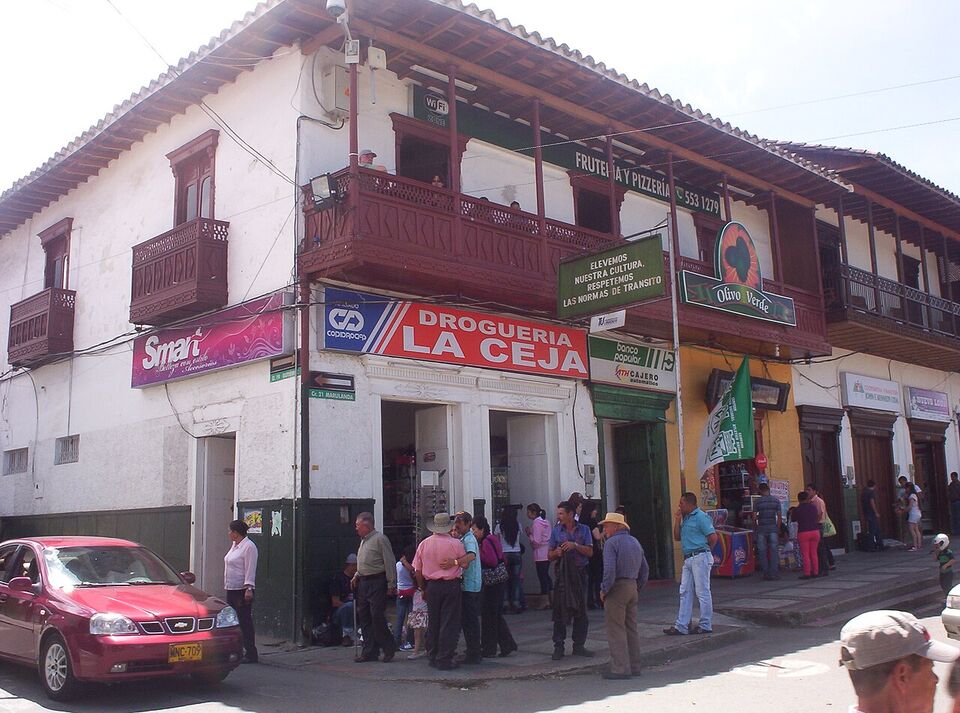
Pharmacies (farmacias or droguerías) are common in cities, and pharmacists can help with minor problems such as colds, sunburn, mild stomach trouble and insect bites. Many medicines are sold over the counter, but what needs a prescription differs from home, and rules change, so we cannot list them. The staff usually speak Spanish only; write the generic (active-ingredient) name of any medicine you use, because brand names differ.
- Bring enough of your prescription medicines for the whole trip plus extra, in their original labeled containers, with a letter from your doctor.
- Pack basic items: pain reliever, rehydration salts, antihistamine, insect repellent, sunscreen, bandages, blister care and any medicine for chronic conditions.
- Check that medicines you carry are legal in Colombia, and see the rules at entry and at DIAN for customs. If you are unsure, ask your doctor or the Colombian embassy.
Hospitals, clinics and emergency care
Colombia's major cities, including Bogotá, Medellín, Cali and Cartagena, have private hospitals and clinics that serve travelers, and some accept international insurance or direct payment. We have not confirmed any individual hospital's current services, so we do not name them. Choose through your insurer's assistance line, your hotel or the embassy's list of local doctors and hospitals (ask the US Embassy in Bogotá; its site is co.usembassy.gov).
- Emergency: dial 123, Colombia's national emergency number for police, ambulance and fire. Have a Spanish speaker, such as hotel staff, make the call if you can.
- Insurer: call your travel insurer's 24/7 line before or soon after treatment. Many policies require approval for hospital stays.
- Payment: private clinics often ask for a card or a deposit. Keep receipts and records for claims.
- Remote areas: care can be far away. Tayrona, the Sierra Nevada, the Amazon and many islands have limited facilities, and evacuation may be needed.
- US Embassy Bogotá: Carrera 45 No. 24B-27; phone (+57) (601) 275-2000. The State Department's 24/7 line is +1-202-501-4444 from abroad, or +1-888-407-4747 from the US and Canada.
Different from home
Most US health plans, including Medicare, offer little or no cover abroad; confirm what yours does. Colombian private clinics may expect payment at the time of care, and the cost can be high without insurance.
Medical evacuation insurance and how to buy it
Travel medical insurance with evacuation cover is the safeguard we recommend. It pays for care and, if needed, transport to a better-equipped hospital or home. This matters most for remote trips, treks, diving and high-altitude activities. See diving and snorkeling if you plan to dive.
- Where to buy: from a travel insurer, through a credit card benefit that includes evacuation (read the terms carefully) or through a stand-alone evacuation membership. Compare policies on their own sites.
- Check the details: medical limits, whether evacuation is included and to where, exclusions (altitude, diving, adventure activities, areas under a Level 4 advisory, pre-existing conditions) and how claims work.
- Buy early: some benefits require you to buy soon after your first trip payment.
- Carry the details: policy number and the 24/7 phone number on paper and in your phone.
For prices, we do not quote any, because they vary by age, length, cover and provider.
Health risks by region
| Region | Main health points | Ask or check |
|---|---|---|
| Bogotá and the high Andes | Altitude; cold nights; no malaria in Bogotá; yellow fever vaccine not recommended for trips limited to Bogotá or above 2,300 m | Doctor about altitude; hydration; sun at height |
| Medellín | Mild altitude; no malaria in the city; yellow fever vaccine generally not recommended for trips limited to Medellín | Mosquito care if you leave the city |
| Cali | Warm; yellow fever vaccine generally not recommended for trips limited to Cali | Dengue care; check routes into other departments |
| Coffee region | Mix of altitudes; trails and rain; mosquitoes at lower elevations | Yellow fever and malaria for lower areas; rain gear |
| Cartagena and Caribbean coast | Heat, sun, stomach upsets; no malaria in Cartagena; yellow fever generally not recommended for trips limited to Cartagena | Hydration; sunscreen; sea conditions |
| Tayrona and the Sierra Nevada | Heat, humidity, trails, mosquitoes; park does not demand a yellow fever certificate but recommends vaccination | Yellow fever, malaria, repellent; park insurance requirement |
| San Andrés and Providencia | Sun, sea; yellow fever vaccine not recommended for trips limited to the archipelago | Mosquito care; sea safety |
| Amazon (Leticia) | Hot, humid, mosquitoes, remote care; not on the CDC's yellow fever exempt list | Yellow fever, malaria, repellent, evacuation cover |
See the Amazon, Santa Marta and Tayrona and San Andrés for the destinations.
Before you go: a health checklist
- Book a travel-health visit at least a month ahead, and bring your itinerary.
- Check cdc.gov/travel for Colombia and minsalud.gov.co for entry and health requirements.
- Update routine vaccines, and ask about hepatitis A and B, typhoid, yellow fever and malaria medicine.
- Buy travel insurance with medical cover and evacuation, and read the exclusions.
- Pack prescription medicines in original containers with a doctor's letter, plus a basic first-aid kit and repellent.
- Plan an easy first day in Bogotá, and put high trails early in the trip and the beach later.
- Save 123, the US Embassy number and your insurer's line on your phone.
- Enroll in STEP, and read Is Colombia safe? for the safety picture.
Add it to a route in the trip builder, or ask us to plan the hotels, trains and guides for you.