Overview: the dry season, with crowds
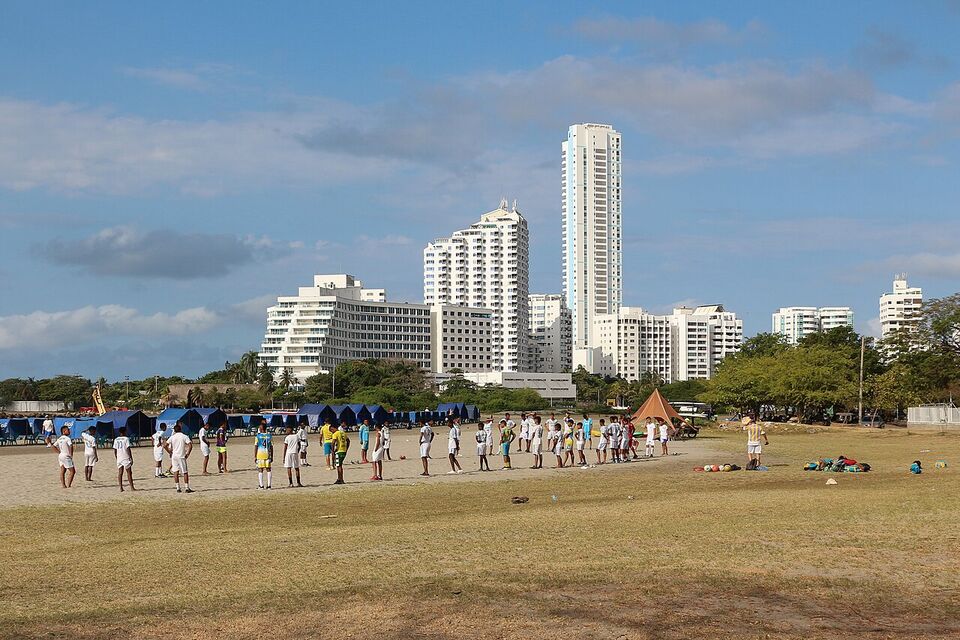
January is one of the best months to visit Colombia for the weather, and one of the busiest. The Caribbean coast is in its dry season, most of the Andes are drier than in the autumn, and the beach and island trips that are muddy or rough in other months work well. The holiday weeks bring crowds, so the first part of January costs more and fills up. After the first week, the pace drops a little, until the Epiphany long weekend.
As always in Colombia, altitude and region decide the weather. Bogotá, at about 8,660 ft (2,640 m), is cool and often sunny. Medellín is mild, and the coastal cities are hot. Read the table, then pick your regions. If you are still deciding on months, see when to go; for a full itinerary, see planning your trip.
As of November 12, 2026, IDEAM expected a strong El Niño to continue into the first quarter of 2027, with less rain and higher temperatures. In practice that suggests a drier and hotter January than the long-term averages, which is good for beach days but means stronger sun and a higher fire risk. Check IDEAM before you go.
Regions by what January offers
| Region | Typical high / low | Rain | What January offers |
|---|---|---|---|
| Cartagena and the Rosario Islands | 88°F (31°C) / 75°F (24°C) | Almost none | The driest and sunniest beach weather; busy first week; Hay Festival at month-end |
| Santa Marta and Tayrona area | 92°F (33°C) / 73°F (23°C) | Almost none | Hot beaches and coastal hikes; check the park's status and rest period |
| Bogotá (8,660 ft / 2,640 m) | 68°F (20°C) / 44°F (6°C) | About 5 days, 33 mm | Driest season; sunny days and cold nights; good for museums and Monserrate |
| Medellín | 82°F (28°C) / 64°F (18°C) | About 8 days, 141 mm | Mild; one of its drier months |
| Coffee region (Armenia) | 78°F (26°C) / 61°F (16°C) | 166 mm | Drier than November, so better trail conditions; still some rain |
| Cali | 86°F (30°C) / 66°F (19°C) | About 6 days, 48 mm | Warm and drier |
| San Andrés | Warm all year | Wet season runs to January | Trade winds until mid-January; check sea conditions |
The Amazon (Leticia) is hot and humid year-round, with the least rain in the middle of the year, so January is not its drier season. See our Amazon page and beaches.
The high season after the holidays
The rush runs from late December through the first days of January. Colombian school holidays, family travel and foreign visitors all overlap, so hotels, flights and boats are at their fullest and most expensive. Prices ease after the first week, though not to low-season levels: January is still high season in most resort areas.
Two holidays shape the month. January 1 (Friday) is a national holiday. Epiphany, January 6, is moved to the following Monday, so the holiday is expected on Monday, January 11, 2027 (computed from Colombia's rule that movable holidays shift to Monday; confirm on the official calendar). That makes January 9-11 a long weekend and a busy one for roads, buses, airports and beach towns. Museums that normally close on Mondays, such as the Gold Museum, are still closed on Monday holidays.
Watch out
Do not book a long-distance bus or flight on Sunday, January 3 or Monday, January 11, 2027 if you can avoid it. These are the days when many Colombians return home, and delays are likely.
Festivals and events
- Pasto Black and White Carnival. The pre-carnival begins around December 28 and the main days are in early January (traditionally January 5 for Black Day and January 6 for White Day). We have not confirmed the 2027 dates; check carnavaldepasto.org.
- Hay Festival Cartagena. Scheduled for January 28-31, 2027, according to a report of the organizer's ticket page; tickets were due to go on sale in November 2026. Check hayfestival.com and book hotels early because the festival fills the walled city.
- Barranquilla Carnival lead-up. The carnival itself is February 6-9, 2027. Pre-carnival events usually fill the weeks before it, so book hotels early and check the organizers' official site for the program. See festivals.
- Cartagena Music Festival. Often held in January; check the festival's official site for 2027 dates.
Three strong itineraries for the month
Caribbean beaches, one week
- Days 1-3
Cartagena
Walk the walled city and Getsemaní in the early morning and the evening, and rest at midday. Visit the Castillo de San Felipe (open daily 7 a.m. to 6 p.m.; COP 38,000, about $12 at the full rate, as of 2026). See Cartagena.
- Day 4
Rosario Islands
Take a licensed boat tour on a weekday, and ask what the park fee and insurance cover. See Rosario Islands.
- Days 5-7
Santa Marta
Fly or take a bus to Santa Marta, with a day for Tayrona if it is open and your ticket and insurance are arranged. See Santa Marta and Tayrona.
Andes and coffee, ten days
- Days 1-3
Bogotá
Use the first day to adjust to the altitude. Visit the Gold Museum (COP 21,000, about $6; closed Mondays) and Monserrate (COP 35,000, about $11 round trip Monday to Saturday). See Bogotá.
- Days 4-7
Coffee region
Fly or travel overland, then base yourself in or near Salento for farms and the Cocora Valley, which is easier in drier months. See coffee region.
- Days 8-10
Medellín
Ride the metro and cable cars (a Cívica card fare is COP 3,820, about $1.20), and plan a half-day at Guatapé. See Medellín and Guatapé.
Festival weekend, five days
- Days 1-5
Cartagena for the Hay Festival
Book hotels and event tickets as soon as dates and sales open, and add a day on the Rosario Islands. January 28-31 is the expected festival window.

Getting around after the holidays
Domestic flights and long-distance buses stay busy through the first week of January, then ease. For long trips, fly rather than take a bus, and book early. See domestic flights and getting around. In cities, a TransMilenio ride in Bogotá costs COP 3,550 (about $1.10) as of 2026, and Medellín's metro runs on the Cívica card. City fares usually change in early January, so expect small increases in 2027.
To avoid the return-trip rush:
- Travel Tuesday to Thursday instead of Sunday or Monday.
- Take morning flights and leave a buffer of several hours before an international flight.
- Do not schedule a bus connection on the same day as a flight home.
- Allow extra time for Medellín's airport, which is in Rionegro, about 18 miles (29 km) southeast of the city, usually 45 minutes to an hour by road.
Beaches and islands in January
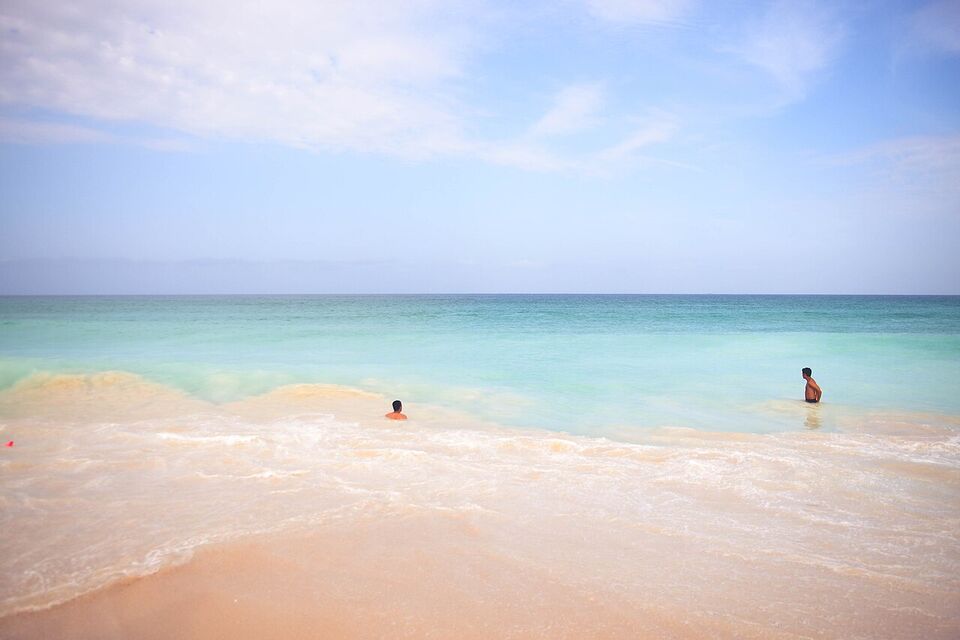
January is among the best months for the Caribbean coast. Cartagena averages almost no rain in the month, and Santa Marta is similar, so boat days to the Rosario Islands and beach days near Santa Marta are far more reliable than in October or November. The trade-off is crowds and price: the most popular beach hotels near Cartagena and Santa Marta are the first to sell out, and day boats to the islands run full in the first two weeks.
San Andrés and Providencia sit in the western Caribbean and have their own pattern. The island's rainy season runs from May to January, and the trade winds from the north blow from late October until about mid-January, so early January can be breezy, with choppier seas than later in the year. Conditions improve through the month. Visitors to San Andrés pay a tourist card fee (about COP 105,000, or about $32, in older figures, and reportedly higher in 2026), so check the current amount on arrival and see our San Andrés guide.
On any beach, follow local advice on swimming. Many beaches have no lifeguards, and currents can be strong. Tayrona allows sea bathing only until 6 p.m., so read the park's signs.
What to book, and when
If you are traveling in January 2027, the order of booking matters because several things sell out together.
- Flights and your first and last nights. Pick dates that avoid January 3 and January 11 for long travel.
- Coastal hotels and island tours. Ask about cancellation terms, because weather and park closures can change plans.
- Festival hotels. For the Hay Festival or Barranquilla's Carnival lead-up, book as soon as dates are confirmed.
- Park tickets and guided treks. Buy through the park's own channels or a licensed operator, after checking the closure dates.
- Restaurants and tours can usually wait until the week you arrive, outside festival weekends.
Different from home
Colombian "high season" follows Colombian school and holiday calendars as much as the weather, so the weeks around New Year and Epiphany are busy even in places with no special sights.
Park closures to know
Tayrona has traditionally closed for Indigenous ceremonies from February 1 to 15, so if you are planning to travel at the end of January, check whether your dates fall near it. The 2027 dates are not yet published, and the park was also closed by government order in February 2026. Check Parques Nacionales Naturales and ask your hotel. The 2026 price for foreign visitors was COP 81,000 (about $25) in the low season and COP 96,500 (about $29) in the high season.
The Ciudad Perdida (Teyuna) trek is a guided, multi-day hike (usually four to six days) with an annual closure; one source says October, and the dates for 2027 are not confirmed. Book with a licensed operator and ask for the dates in writing. See Ciudad Perdida.
Common mistakes in January
- Underestimating the sun. Dry weather means more sun. At altitude (Bogotá, Salento, the high trails) the sun is strong even when it feels cool, and on the coast the heat and glare are intense. Wear sunscreen, a hat and sunglasses, and drink water.
- Not booking beach hotels early. Coastal hotels and island boats sell out for the first two weeks of January and for the festival weekends.
- Underpacking for Bogotá nights. It is 44°F (6°C) on an average January night.
- Skipping the altitude. Take it easy on your first day at 8,660 ft (2,640 m), and drink water.
- Booking the return day before a long weekend. See the return-trip tips above.
Insider tip
The best January window for many travelers is January 4-8, after the New Year crowd leaves and before the Epiphany weekend. Book the hotels you want first, then build flights around them.
Plan your trip
Use our plan page to choose regions and our when to go page to compare months. Before you book, read entry for the Check-MIG form (to be completed 72 hours to 1 hour before you travel), and health for the CDC's yellow fever guidance. For the months before this one, see December.
Add it to a route in the trip builder, or ask us to plan the hotels, trains and guides for you.