Overview
Cali is Colombia's third-largest city, at about 2.3 million people, and it calls itself the salsa capital of the world. It sits in the Valle del Cauca, at 3,340 ft (1,018 m), in a warm valley with the Western Andes on one side and the Cauca River on the other. The reasons to come are the music and dance, the Afro-Colombian and Pacific culture that shapes the city's food and rhythm, and a long list of nights out that mix locals and visitors.
It is also a harder city for a first trip than Medellín or Cartagena. It is big and spread out, there are fewer tourist services in English, and the US government's advisory treats the department around the city very differently from the city itself. This page covers the neighborhoods, salsa venues and schools, food, getting around and the practical rules. Start with the safety question below before you book anything outside the city.
If you want a gentler first city, compare Medellín, Bogotá and Cartagena. For the music itself, see Salsa and Colombian music.
The advisory question for Cali and the Valle del Cauca
The US State Department rates Colombia as a whole Level 3: Reconsider Travel (as of November 2026), reissued March 31, 2026, citing crime, terrorism, civil unrest, kidnapping and natural disasters. Within that, news reports of the advisory list areas at Level 4, Do Not Travel: Arauca; Cauca (except Popayán); Valle del Cauca (except Cali); Norte de Santander; and areas within 10 km (5 miles) of the Venezuela border. One report says "five departments" but names four, so the list we have may be incomplete, and the official page was not available to us. Read the current text at travel.state.gov before you travel.
The wording matters for a trip to Cali. It means that, as reported, Cali is treated as an exception, while the department around it is not. That raises questions that you should settle before you book, with the advisory text, your airline, your insurer and the US Embassy:
- The airport. Alfonso Bonilla Aragón airport is in the city of Palmira, outside Cali's limits. How does the advisory treat the airport and the highway into the city?
- The Pacific coast. The Valle del Cauca includes the port of Buenaventura and a stretch of the Pacific coast. We could not read the advisory's wording for the coast, and we do not cover it in this guide.
- Day trips. Hot-air balloon flights and the sugarcane country lie in the valley outside the city. Are they inside the area marked Do Not Travel?
- Overland routes. Roads south from Cali pass through Cauca, which is Level 4 apart from Popayán.
- Insurance. Many travel policies exclude areas under a Do Not Travel advisory. Ask before you pay.
We describe some trips outside the city below because visitors will see them advertised. Our advice is to stay within the city unless the current advisory and your insurer say otherwise. See Safety and Is Colombia safe? for how the guide handles the advisory.
Watch out
The US advisory warns about drugging, extortion, kidnapping and armed break-ins across Colombia. In Cali, apply that advice to nightlife: do not leave a drink unattended, do not accept drinks from strangers, and take a registered taxi or a ride from an app to and from every outing.
Weather, altitude and the best time to go
Cali is hot and fairly dry. At the airport weather station, average daily highs run from about 85°F (29°C) in November to about 88°F (31°C) in August, and lows stay near 66°F (19°C) all year. The driest months are June to August and January to February, and the wettest are March to May and October to November. November has rain on about 11 days, and December on about 8. The national weather service expects a strong El Niño to continue into early 2027, which suggests warmer and drier conditions than average, but that is a forecast, not a promise.
The altitude is mild, at 3,340 ft (1,018 m), so no adjustment is needed. The sun and heat are the main issues: carry water, wear light clothes and plan outdoor sightseeing for the morning. Dress for the evening in light layers, because air conditioning in clubs and restaurants can feel cool. For a country-wide picture, see When to go.
The biggest date is the Feria de Cali, held traditionally December 25-30 since 1957. It opens with a horse parade and the Salsódromo, a parade of salsa musicians and dancers along Avenida Roosevelt, and it includes the Cali Viejo Carnival on December 28 and concerts. Hotels fill at this time, so reserve early. Check the 2026 program before you book. A Summer Salsa Festival is reported for early July; check the dates with the city's culture office.
Neighborhoods
San Antonio
The city's most traditional neighborhood, once an extension of the colonial center and built on a hill, with a park at the top. It is a good place for a late-afternoon walk, a coffee and the view, but arrive and leave while it is busy.
Granada
A popular dining and going-out area with many small places close together. It suits visitors who want to walk between restaurants, with a taxi home arranged in advance.
Ciudad Jardín
A leafy, mostly residential district whose Avenida San Joaquín is a popular strip for restaurants and nightlife. It is far from the center, so a taxi or ride app is the practical way to get there.
San Fernando and Parque del Perro
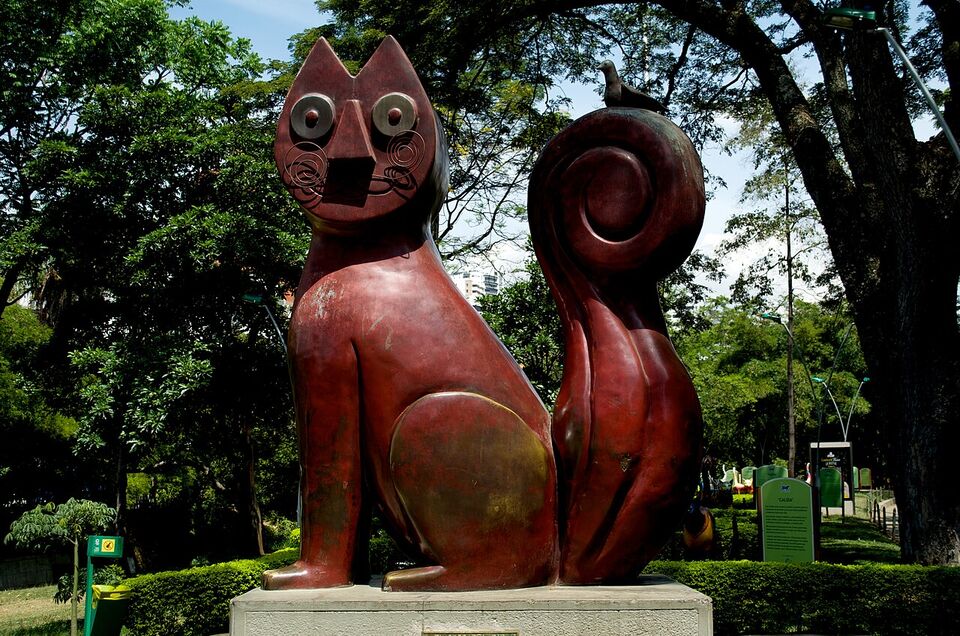
The park is named for the dog monument at its center and is lined with restaurants and bars. It is busy on weekend nights.
The center and Plaza de Caicedo
Plaza de Caicedo is the main square, with the cathedral and churches such as La Merced and La Ermita nearby. Visit by day. The Cali River boulevard (about 980 m, or 0.6 miles) and the cat sculpture El Gato del Río are close by, and the La Tertulia art museum sits on the river's western side.
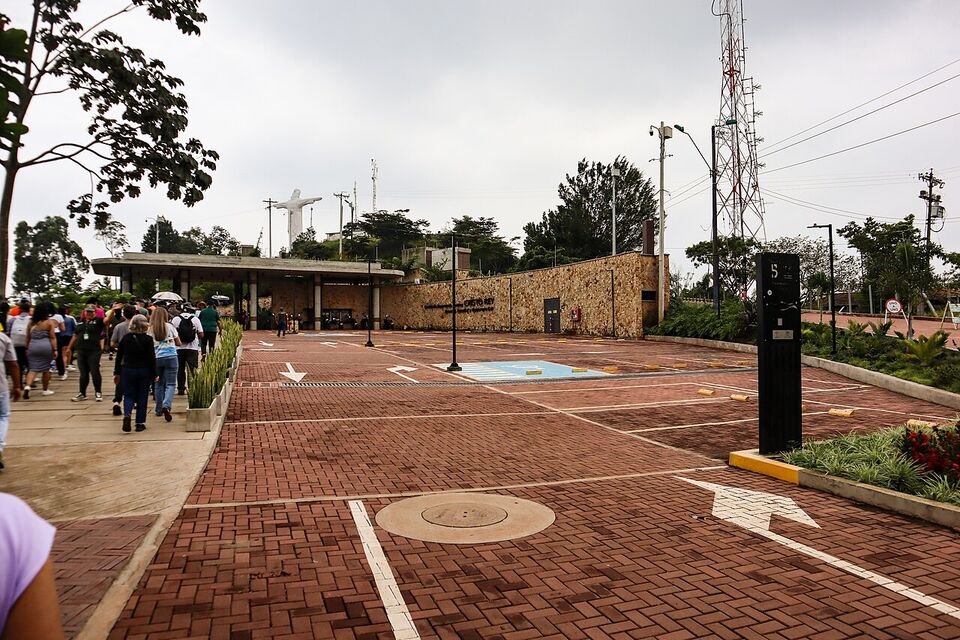
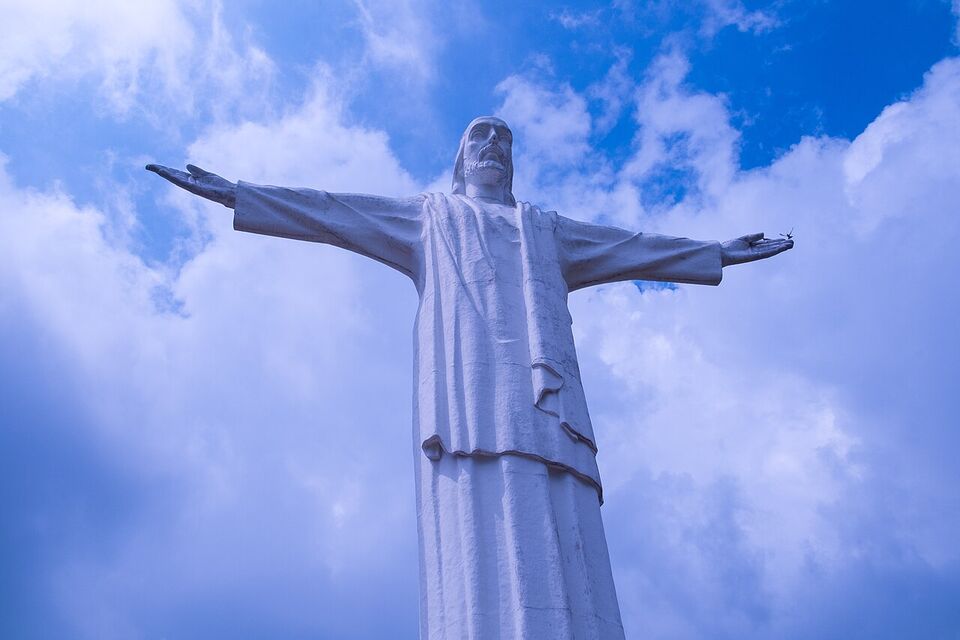
Two sights give views and context. Cristo Rey is a 31 m (102 ft) statue on a hill with a long view over the city, and the monument to the city's founder Sebastián de Belalcázar overlooks the valley from another hill. Both are better visited with a driver or a group than alone, so ask your hotel. The city also has a Calima gold museum and an archaeological museum, but hours were not confirmed.
Salsa: where to hear it and dance it safely
Salsa in Cali is not only a show: people dance in small clubs on many nights, and they dance fast. The local style, usually called salsa caleña, is described as quick footwork with a relatively still upper body. You do not need to be good to join in, but you should be ready to watch first and to say "no, gracias" politely when you want to sit out a song. A typical venue serves drinks, plays recorded salsa and sometimes live bands, and keeps going late.
The city is also known for melómanos, salsa collectors who compete by digging up rare old tracks, and some bars play older salsa for them and for dancers. A show called Delirio is listed for the last Friday of each month; check that it still runs and where. For the music's history and listening, see Salsa and Colombian music.
| Area | Type | What you find | Notes |
|---|---|---|---|
| San Antonio | Early evening, relaxed | Cafés, small bars, viewpoint, some live music | Go for sunset; arrange a ride home before dark |
| Granada | Restaurants and bars | Dinner, cocktails, some dancing | Easy for first-timers who want to eat and listen |
| Parque del Perro (San Fernando) | Bars and restaurants | Lively park setting, mixed crowd | Busy on weekends; keep belongings close |
| Avenida San Joaquín (Ciudad Jardín) | Restaurants, bars | Dining and clubs along one avenue | Use taxis between venues |
| Juanchito | Salsa clubs | Many salsa clubs, in a nearby municipality | Often visited by Cali residents but next to some of the poorest areas; go only with a local or an organized group, and travel by registered taxi |
| Salsódromo (Feria) | Parade, once a year | About 1,400 dancers on Avenida Roosevelt in 2023 | Held during the Feria, traditionally December 25-30 |
Rules for dancing at night
- Go with a group or a local friend, and share your location with someone at home.
- Choose a venue in advance, and arrange your ride back before you go in.
- Leave your passport at the hotel and carry only a card, a little cash and a copy of your passport.
- Buy your own drinks, watch them being poured, and keep them in your hand.
- Do not go home with a stranger, and do not meet a dating-app contact at night.
- Leave if you feel faint, dizzy or confused, and ask staff to call emergency services at 123.
Different from home
In many US clubs people dance with their own group. In Cali's salsa venues, partner dancing with new people is common. An invitation is not a personal offer, and a polite "no, gracias" is enough. Treat it as a dance, not a date.
Salsa schools and lessons
Cali has many dance schools, and you can find group classes, private lessons and short courses for visitors. We did not confirm any school as open in 2026, so we do not name them. We have no confirmed prices; ask for the hourly rate and any package discounts, and check whether the price is quoted in pesos or dollars. Schools are best found through your hotel or the city's visitor information.
What to ask before you pay:
- Is there a single trial class? Try one lesson before you buy a package.
- What is the group size, and are classes taught in English or Spanish?
- Does the school run social nights or take students out to venues, and do they arrange a ride back?
- What level is the class, and is there a beginner group that meets daily during your stay?
- What is the cancellation policy if you are ill or the heat gets to you?
Pack flat, flexible shoes, a towel and water, since classes are warm. A week of daily one-hour lessons is enough to dance in a club without embarrassment. For more on Spanish words that help at the desk, see Spanish phrases.
Afro-Colombian and Pacific culture
Cali is the largest city in southwestern Colombia and the main urban link to the Pacific coast, and its music and food draw on Afro-Colombian traditions from that coast. The Pacific coast has its own music, with marimba, drums and call-and-response singing, which is a separate tradition from salsa. A festival of Pacific music is usually held in the city in August; we could not confirm the dates, so check the city's culture office. The region's Afro-Colombian culture is also the reason for some dishes and drinks you will see on menus.
Visit museums and community cultural events with respect, and buy handicrafts from the people who make them. If you want to learn more, ask your hotel for community-led walks and performances, and book only through licensed operators. For the broader guide to festivals, see Festivals.
Food to try
The Valle del Cauca's cooking is distinct from the paisa platters of Medellín. Look for sancocho de gallina (a chicken and root-vegetable soup), the chuleta valluna (a breaded cutlet of the valley), empanadas, pandebono (a cheese bread) and aborrajados (fried sweet plantain with cheese). Among drinks and sweets are champús (a fruit and corn drink), lulada (a lime-based drink) and cholado (shaved ice with fruit and syrup). Fresh sugarcane juice is common, which fits a region long tied to sugar.
Eat at busy places and check the price before you order; money explains how prices are written. See Colombian food for dishes and etiquette. Many restaurants add a suggested tip of about 10 percent; it is voluntary, so check the bill.
Day trips near Cali
Several trips are sold from Cali. The ones inside or at the edge of the city are lower-effort, but check the advisory for each.
- Pance. A river area on the southern edge of the city, popular with locals for swimming and picnics. Confirm that your destination counts as inside Cali for the advisory, and go by day with a reliable ride back.
- The Cali Zoo. A city zoo that is part of the local day-out routine; hours and prices were not confirmed.
- Hot-air balloons. Balloon flights are advertised from the valley floor outside the city; we could not confirm operators. They are in the Valle del Cauca, so they raise the advisory question above.
- Sugarcane country. The valley's fields and sugar mills are outside the city, in the same position. A guided visit only makes sense if the advisory and your insurer allow it.
If you want an easier day out, the coffee landscape to the north is covered in the coffee region.
Getting there and around
Alfonso Bonilla Aragón International Airport (CLO) is in Palmira, northeast of Cali, and a highway connects it to the city. We could not confirm the taxi fare, the drive time or the list of US airlines, so check with your airline and use the official taxi desk or a booked transfer. Many travelers arrive from Bogotá or Medellín on a domestic flight; see Domestic flights and Flights.
Cali's bus rapid transit system is the MIO, a network of articulated buses in dedicated lanes (about 150 miles, or 243 km, of routes) with a cable line serving the Siloé district. The system was heavily damaged during the 2021 protests, so check that your route is running. For visitors, taxis and ride apps are the usual choice, and the city's central bus station serves more than 20 coach companies. Use only registered taxis, and have your hotel call one at night. Ride apps are widely used, but their legal status is unclear, so ask your hotel. See Getting around.
Why Cali is a harder first city, and practical rules
Cali is the second-largest city in the country by area and the third by population, with a murder rate reported at about 25.8 per 100,000 residents in 2025, similar to the country-wide figure. These numbers do not tell you about any street, but they explain why the usual rules matter more here. The city is spread out, taxi journeys are longer, and the advisory around the department means you should plan a base and stay in it.
- Choose a hotel in a busy neighborhood and ask about the block at night.
- Keep your phone out of sight on the street and in a car with the window open.
- Do not walk between venues after dark; use a registered taxi or app each time.
- Carry a photocopy of your passport, and keep the original in the hotel safe.
- Do not buy or carry drugs, and do not accept offers from strangers.
- Dial 123 for the national emergency number, and keep the US Embassy numbers: (+57) (601) 275-2000, or the 24-hour line +1-202-501-4444 from abroad.
Spanish is the language of daily life, and English is used mainly in tourist businesses. The CDC does not recommend yellow fever vaccination for trips limited to Cali, but it issued a Level 2 notice on October 16, 2026 for yellow fever in Colombia, so read Health and Entry rules before you leave, including the Check-MIG form.
Where Cali fits in a route
Cali works as a two- or three-night stop between Bogotá or Medellín and the south, or after the coffee region. A common plan is a night of salsa on arrival, a lesson the next day, a morning at San Antonio and Cristo Rey, and a flight onward. Allow a buffer day if you are flying out of Palmira on a tight connection. For a salsa-focused trip, link it with the music pages and with Medellín, and treat anything outside the city as optional until you have settled the advisory questions above.
Add it to a route in the trip builder, or ask us to plan the hotels, trains and guides for you.