Overview
Cartagena's main sights are concentrated and mostly free to walk, so the best way to see them is on foot, in the cool parts of the day. The two things that cost money and deserve a firm plan are the Castillo San Felipe de Barajas, the great fortress on the hill, and any day trip by boat or bus. Everything else (plazas, balconies, the city walls, the street art of Getsemaní) is open to anyone who can handle the heat.
This page lists the sights, says which need a ticket or a registered guide, offers a one-day and a two-day plan, and covers food, cooking classes and day trips. For where to stay, how to get in from the airport and how to handle vendors, scams and nightlife risks, see our main Cartagena guide.
A word on prices: entry fees change on January 1 and sometimes at other times, and several sights do not publish them clearly. We give the figures we could confirm and say where we could not. Treat everything marked "check" as something to verify on the day with the official ticket desk or website.
Watch out
Three mistakes cause most of the trouble: touring at noon, buying from unlicensed guides who approach you on the street, and booking a day trip without checking the boat operator. Each is covered below.
Sights at a glance
This table groups the main sights by the time they take and how much effort they ask. "Ticket" means a paid entry we know about or expect; confirm the current fee and hours locally.
| Sight | Time needed | Effort | Ticket or tour? | Best time |
|---|---|---|---|---|
| Walled city walk (plazas, streets, balconies) | 2 to 3 hours | Easy, flat, hot | No | 7 to 10:30 a.m. or after 4 p.m. |
| City walls walk | 1 hour | Easy, some sun | No | Late afternoon to sunset |
| Castillo San Felipe de Barajas | 1.5 to 2 hours | Moderate: steps, ramps, tunnels | Yes: COP 38,000 (about $12) full rate | 7 a.m. opening |
| Convento de la Popa | 1 to 1.5 hours | Moderate: steep road, go by taxi | Yes (check the fee) | Morning |
| Getsemaní street art | 1 to 2 hours | Easy | No (walking tours optional) | Morning or early evening |
| Palace of the Inquisition | 1 hour | Easy, indoors | Yes (check the fee) | Midday |
| Museums (Gold, history, modern art) | 1 hour each | Easy, indoors, air-conditioned in most cases | Yes (check each) | Midday break |
| Plaza de Bolívar and the Clock Tower | 30 to 45 minutes | Easy | No | Morning |
| Cooking class | 3 to 4 hours | Easy | Yes: book ahead | Morning or afternoon |
| Rosario Islands day trip | Full day | Easy to moderate | Yes: registered operator | Dry season |
| Totumo mud volcano | Half day | Easy | Yes: tour or taxi, fees on site (check) | Morning |
| San Basilio de Palenque | Half to full day | Easy, long road | Yes: guided visit | Morning |
Castillo San Felipe de Barajas
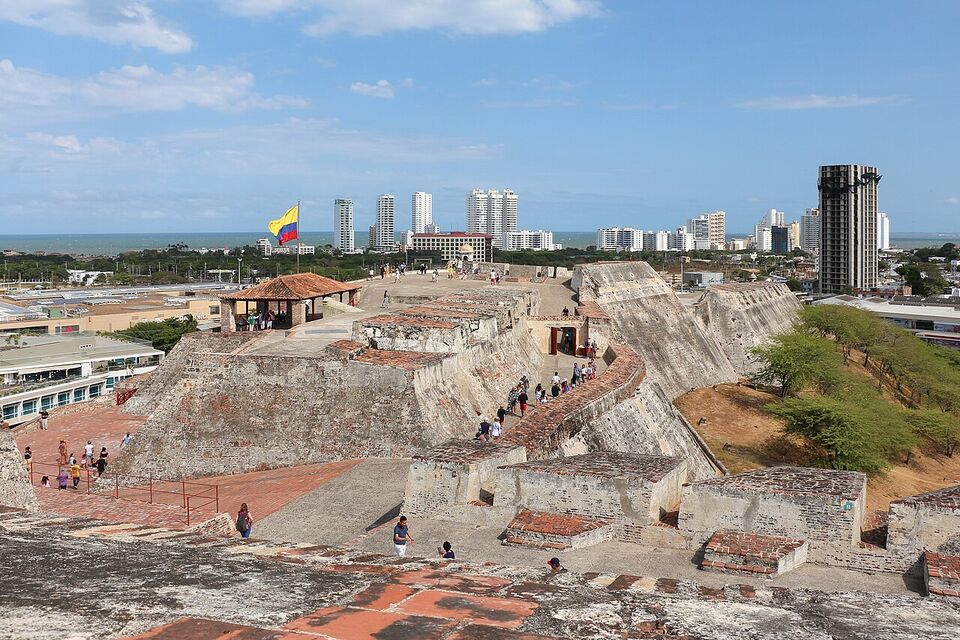
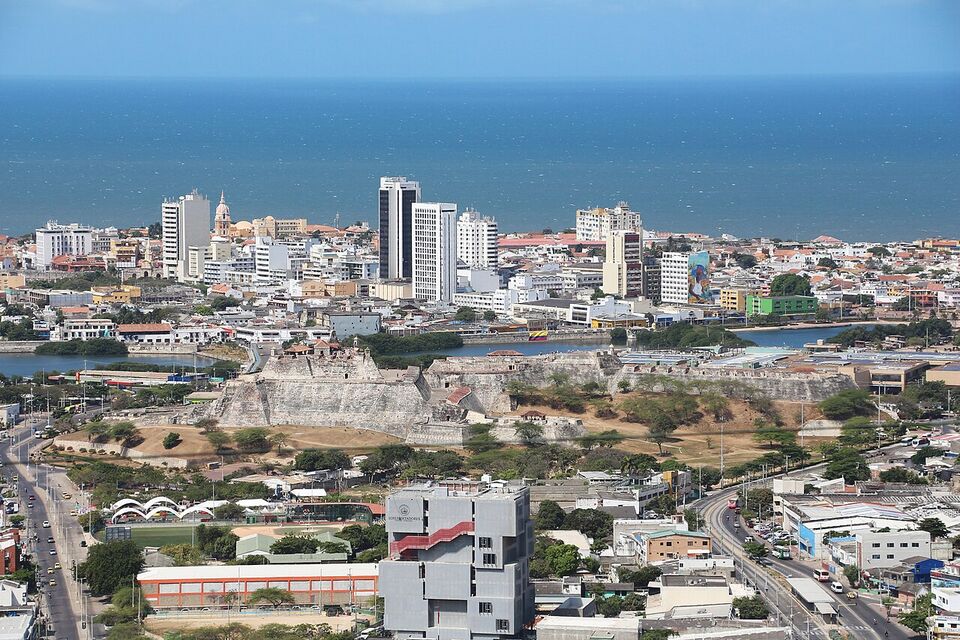
The Castillo San Felipe de Barajas is among the most formidable military works the Spanish built in the Americas, and it is the one paid sight we recommend to almost everyone. It stands on the Cerro San Lázaro, about 135 feet (41 meters) above sea level, and overlooks the land and sea approaches to the city. Construction began in 1639 and it was expanded in 1763. It was the scene of a failed British attack in 1741, when a much smaller Spanish force under Blas de Lezo and Sebastián de Eslava held off a British fleet. It was built by African slave labor under Spanish supervision, and it is worth reading the on-site panels with that in mind.
What you see is a triangular fortress with batteries, walls, ramps and a maze of tunnels. Only some of the tunnels are open to visitors. The climb up is a series of ramps and steps in full sun, and there is little shade, so go at opening time.
Hours and tickets
The fortress is open daily from 7 a.m. to 6 p.m., and the full ticket rate reported for 2026 is COP 38,000 (about $12). Colombian nationals pay COP 33,000 (about $10) with an ID card. The source we found, a Cartagena newspaper report from February 2026, does not say outright that foreigners pay the full rate, so treat it as the likely price and confirm at the desk. Free-entry days apply to Colombians only (the last Sunday of each month except January and December; the next is November 29, 2026), so do not plan around them.
Buy tickets only at the official ticket office at the entrance or on the official site, not from people on the road or the hill who say the line is long. Some guides wait at the gate. A guide can explain the history and the tunnels, but agree the price and duration first and ask to see a license.
Most visitors take a taxi to the fortress and walk around it; it is outside the walls, a short ride from the old city. Ask the driver to wait or arrange a return ride, since taxis are fewer at the top.
The city walls at sunset
The walls enclose the historic center for about 7 miles (11 km) and were built between 1614 and 1796 to defend against pirates and foreign fleets. The best-known stretch to walk is the section along the sea, where you can stroll along the top, with the old city on one side and the Caribbean on the other. It is free.
Go about an hour before sunset, which falls around 5:30 p.m. in November and December. The stone is still warm, the light is soft, and local families, couples and vendors fill the walls. Cafés and bars on the wall sell drinks; prices are higher than in the streets below, and it is wise to check the price before you order. Walk with your phone away from the edge, and watch your bag in crowds.
Las Bóvedas, a row of arched rooms built into the wall, are close to the sea stretch and are used today for shops. From the top, you can see the sea.
Convento de la Popa
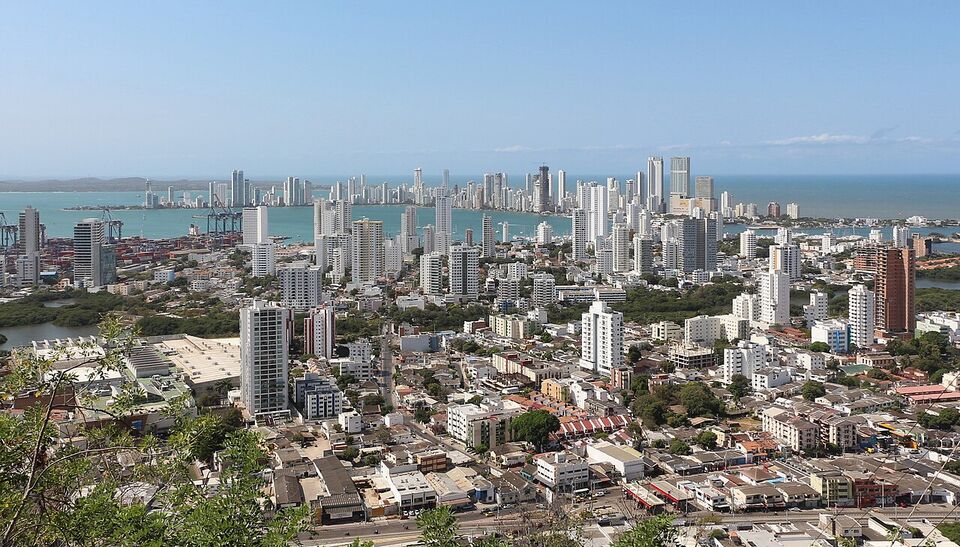
The Convento de Nuestra Señora de la Candelaria de la Popa is a convent, cloister and chapel on top of La Popa, the hill that rises behind the old city. It is the highest viewpoint over the walled city, the bay and the sea, and a good place to understand how the city and its fortresses fit together. The hill is also where invading forces took position during the 1741 siege.
It is best visited in the morning, when it is cooler and the air is clearer. The road up is steep, so go by taxi and agree on a return ride or arrange for the driver to wait. Check the entry fee and the opening hours with the convent before you go, since we could not confirm them. The Fiestas de Nuestra Señora de la Candelaria are held in February; check the dates if you want to see them.
Getsemaní street art
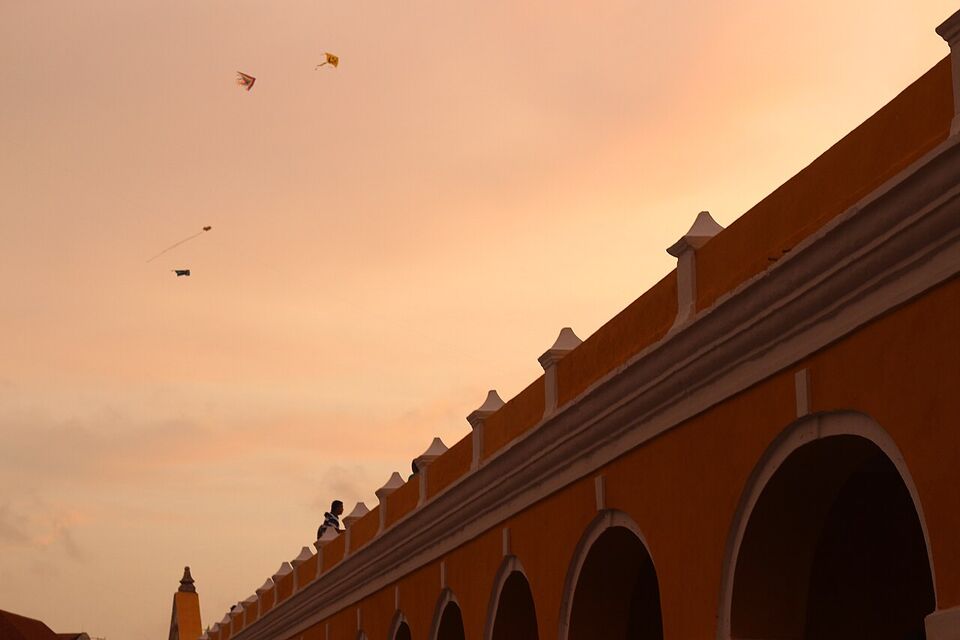
Getsemaní, just outside the old walls, is a former working-class and port district that became popular with visitors in the last two decades. Its streets are painted with murals, and the neighborhood calls itself a "Ciudad Mural" to keep local stories, customs and traditions alive. The best way to see it is on foot, with no plan. Walk the lanes around Plaza de la Trinidad and Calle del Arsenal in the morning, when the light is good and the crowds are small.
Walking tours of the street art are offered by local guides, many of them from the neighborhood. If you want one, book through your hotel or a registered operator, and ask what it costs before you start. Avoid buying a "tour" from someone who stops you on the street.
By night Getsemaní fills with music and street life. It is a good place for an evening walk and a meal, and we suggest keeping to the busier streets and plazas. Read the safety notes on the main Cartagena page before a night out.
Museums and the Palace of the Inquisition
Cartagena has several museums, most in restored colonial houses, and they make a useful break from the midday heat because they are indoors. Opening hours and fees change, and many are closed one day a week. A travel-agency blog lists Monday as the usual closing day for Gold Museum branches, and Tuesday for some Banco de la República museums, plus closures on December 24, 25 and 31 and January 1; treat that as "usually" and check the day you plan to go.
Palace of the Inquisition
The Inquisition was established in Cartagena in 1610, and the palace was completed in 1770. It is now a museum. Sentences were announced in the main plaza, now the Plaza de Bolívar, and the Inquisition punished 767 people before it was abolished in 1811. Exhibits include instruments of punishment, which some visitors find heavy going.
Museo del Oro (Gold Museum)
A small museum with a collection of over 600 gold and pottery pieces from the pre-Columbian Zenú culture. Closed Mondays, as is usual for Colombia's Gold Museum branches; confirm before you go.
Church and cloister of San Pedro Claver
Built between 1580 and 1654 and named for the priest who is buried there. The cloister has small museum rooms and a quiet courtyard.
Cathedral and Santo Domingo
The cathedral was built between 1577 and 1612 and has stayed almost unchanged. The Santo Domingo convent is the city's oldest church. Dress modestly (shoulders and knees covered) in churches.
Museum of Modern Art and city museum
A small modern art museum and a city history museum sit in colonial buildings near the plazas. Check hours and fees on arrival.
Plaza de Bolívar and the Clock Tower
The Torre del Reloj (Clock Tower) is the old main gate of the city, built between 1704 and 1738. It leads from the sea and the newer city into the Plaza de los Coches, where horse carriages wait, and from there a short walk takes you to the Plaza de Bolívar. This is a small shaded park with a statue of Simón Bolívar, café tables, the cathedral and the Inquisition palace on its edges.
Both are free and best in the early morning or after 4 p.m. The cafés on the plaza charge high prices for the location, so a drink is a fair price for the shade and the view, but check it before you sit. For a calmer visit, try the quieter plazas of Santo Domingo, San Pedro Claver and Fernández de Madrid.
Food, markets and cooking classes
You can eat cheaply in Getsemaní and in neighborhood restaurants away from the main plazas, and well in the walled city, where prices are higher. For the dishes themselves see our Cartagena guide and the Colombian food guide. A few ideas for sights that are also meals:
- Cooking classes: several schools and hotels in the old city offer half-day classes that begin at a market and end with a meal. They usually include coconut rice, fried plantain and fish. Book ahead, check what is included and whether the market visit is real, and ask about dietary needs.
- Street snacks: fried yuca and cheese fritters, arepas with egg, and coconut sweets sold in the portico of the Plaza de los Coches are cheap and filling. Eat from busy stalls with fresh turnover.
- Juices and fruit: fruit and juice stands are common on the Caribbean coast. Ask for no ice if you are cautious about water.
- Rum: the Caribbean coast prefers rum to aguardiente. Stay with branded bottles, because cheap unbranded liquor can be dangerous.
Save money
Eat the large meal at lunch, when many restaurants offer a fixed menu at a lower price than dinner, and drink bottled water from shops instead of hotel minibars. Look at the menu price before you sit down, and note that many restaurants add a suggested 10% tip to the bill (it is voluntary). See money for how prices are written.
Day trips: islands, mud volcano and Palenque
Three trips are commonly sold from Cartagena. All of them are offered by dozens of operators, so the choice of operator matters more than the destination.
Rosario Islands and Barú
The islands lie about 12 miles (20 km) from the city, and most can be reached in an hour or less by boat from the city docks. They are covered in full on Rosario Islands and Barú, including which beaches are crowded, what to ask the operator, and boat safety. In short: pick a registered operator, confirm that life jackets are on board, and ask what the price includes (entrance fee, lunch, return time).
Volcán del Totumo (mud volcano)
A small volcano of warm mud northeast of the city (ask the operator for the distance and travel time), where visitors climb in and float in a mud bath, then rinse in a nearby lagoon. It is a half-day trip by tour or taxi. Take a waterproof bag for your phone, leave valuables in the vehicle, and agree on prices for locker, massage and photo services before you start; those add up, and people in the mud may ask for tips.
San Basilio de Palenque
Palenque is a village southeast of Cartagena founded by escaped enslaved Africans, and its cultural space is on UNESCO's list of intangible heritage. Its people speak Palenquero, a Spanish-based Creole with African roots, and music and drum traditions are part of daily life. A guided visit with a local guide is the respectful way to go. It is a half to full day trip, and we recommend booking it through your hotel or an operator who works directly with community guides. Check what is included before paying.
One-day and two-day plans
These plans respect the heat: sightseeing early, rest at midday, walking again after 4 p.m. Open and close times are the ones we know; confirm them on the day.
- One day
The essentials
7 a.m.: taxi to the Castillo San Felipe de Barajas for opening; spend about two hours. 10 a.m.: taxi back, walk the Plaza de los Coches and the Clock Tower, then the cathedral and Plaza de Bolívar. 12:30 p.m.: lunch and a long rest indoors. 3:30 p.m.: the Palace of the Inquisition or a museum. 5 p.m.: walk the city walls for sunset. 7 p.m.: dinner in Getsemaní and an evening walk around the Plaza de la Trinidad.
- Day 1
Fortress, plazas and walls
Morning: the Castillo San Felipe de Barajas at 7 a.m., then breakfast. Late morning: the walled city on foot: the Clock Tower, Plaza de Bolívar, Santo Domingo. Midday: lunch and rest. Afternoon: the Palace of the Inquisition or the Gold Museum (check the closing day). Sunset: the city walls. Evening: dinner in the old city.
- Day 2
Getsemaní, La Popa and food
Morning: Getsemaní murals and a cooking class or market visit, or the Convento de la Popa by taxi. Midday: lunch and rest. Afternoon: San Pedro Claver and any museum you missed. Evening: a drink and a walk around the Plaza de la Trinidad. Keep to busy, well-lit streets.
- Optional day 3
Islands or mud volcano
Take a registered boat to the Rosario Islands, or the mud volcano trip in the morning and Palenque in the afternoon. Do not book both in one day.
If you are staying in Bocagrande, add 15 to 30 minutes each way for taxis.
Which sights need a ticket or a tour, and which do not
Free to see, with no ticket or guide required: the plazas, the streets and balconies of the walled city, the exterior of the cathedral, the city walls, the Clock Tower, the street art in Getsemaní, and the sea promenades. A guide is optional for these, and a registered guide adds context.
Paid entry: the Castillo San Felipe de Barajas, the Palace of the Inquisition, most museums, the cloister of San Pedro Claver, and La Popa (check). Buy at the desk or the sight's official site. Do not buy "skip the line" tickets from street sellers.
Tours and operators: all day trips, boat transfers, cooking classes and community visits. Book through your hotel or an agency with a physical office, and ask for the operator's registration number (Registro Nacional de Turismo, RNT) and confirm it with your hotel. For boats, also check life jackets and the maritime registration, as explained on the Rosario Islands page.
Insider tip
Pay for entry tickets with small bills or a card at the desk, keep your receipts, and keep your phone zipped away when you climb the fortress ramps and wall steps, where crowds bunch up. Our safety guide has the general precautions.
Heat, the midday break and timing
Cartagena's daily highs are around 88 to 90°F (31 to 32°C) in every month, and it feels hotter in the narrow streets. The coolest part of the day is early morning. A midday break is not laziness but an essential part of a sensible plan: use it for lunch, a pool, a museum or a nap. Pack a hat, sunscreen, a refillable water bottle and light shoes that grip.
November is one of the wetter months (about 7 inches, or 178 mm, on average, over nine days), and the dry period runs from December to April. A strong El Niño is forecast to continue into early 2027, which may mean drier and hotter days than the averages. For seasons across the country, see when to go, and for Monday, November 16 and other holidays, see festivals.
When you are done with the city, consider a few days on the coast or islands. San Andrés and Providencia are a flight away, and Santa Marta and Tayrona lie east along the coast.
Add it to a route in the trip builder, or ask us to plan the hotels, trains and guides for you.