Overview
Colombia is a country of regional sounds, and the easiest way to understand it is to hear them where they come from. Salsa belongs to Cali, vallenato to the northeast around Valledupar, cumbia and champeta to the Caribbean coast, reggaeton to the Medellín scene, and slower string music to the Andes. Even a short trip lets you do at least one of these: take a salsa class, catch live music in a plaza, or visit a club with a group of friends.
This page explains each genre in plain terms, where to hear it in Cali, Medellín, Cartagena, Bogotá and Barranquilla, how to choose a class and a club, how to go out at night more safely, how to tip, how to dance as a beginner without feeling foolish, and how to buy a real instrument. We name areas and types of venue rather than particular clubs, because clubs open, close and change owners often and we could not confirm any single venue's 2026 status. Ask your hotel or a local tourism office for current recommendations.
A word on nightlife and the law. We give no tips on drugs or on paid sex. Illegal drugs are illegal in Colombia and are a common route to robbery and worse, and sex tourism and the exploitation of minors are serious crimes that Colombian authorities and the US government warn visitors about. Everything below is about music, dancing and getting home safely. For the broader picture, read the safety overview.
Genres by region
Colombia's musical map follows its geography. This table gives the main genres, where they come from and what they sound like. The sources we used describe each style's origin; treat the descriptions as a starting point for listening.
| Genre | Region and home town | What it is | Where to hear it |
|---|---|---|---|
| Salsa (salsa caleña) | Valle del Cauca, Cali | Fast, footwork-heavy dance music built on Caribbean and Cuban roots | Cali clubs and festivals; also Medellín, Bogotá and Barranquilla |
| Vallenato | Caribbean region, Valledupar | Accordion, a small drum (caja) and a scraper (guacharaca), with storytelling lyrics | Valledupar, coastal bars, parties across the country |
| Cumbia | Caribbean coast | Drums, gaita flutes and a rolling "chu-chucu-chu" rhythm | Coastal plazas and carnival |
| Champeta | Cartagena and Barranquilla | Afro-Colombian dance music with its own slang and street parties | Neighborhood parties on the coast |
| Porro, mapalé, bullerengue | Caribbean coast | Brass, drums and dance rhythms of the coast | Carnival and folkloric shows |
| Reggaeton and urban music | Medellín | Latin urban pop, global stars with roots in the city | Medellín clubs and concerts |
| Pasillo and bambuco | Andean highlands | Slower, romantic string music (guitar, tiple) | Bogotá, the coffee region, Popayán |
| Carranga and torbellino | Boyacá, Cundinamarca, Santander | Rural folk music of the highlands | Small towns, festivals |
| Currulao and bunde | Pacific coast | Marimba, drums and call-and-response singing | Pacific festivals, folkloric groups |
| Joropo | Los Llanos (eastern plains) | Fast harp and cuatro music shared with Venezuela | Eastern plains, some Bogotá venues |
Salsa in Cali
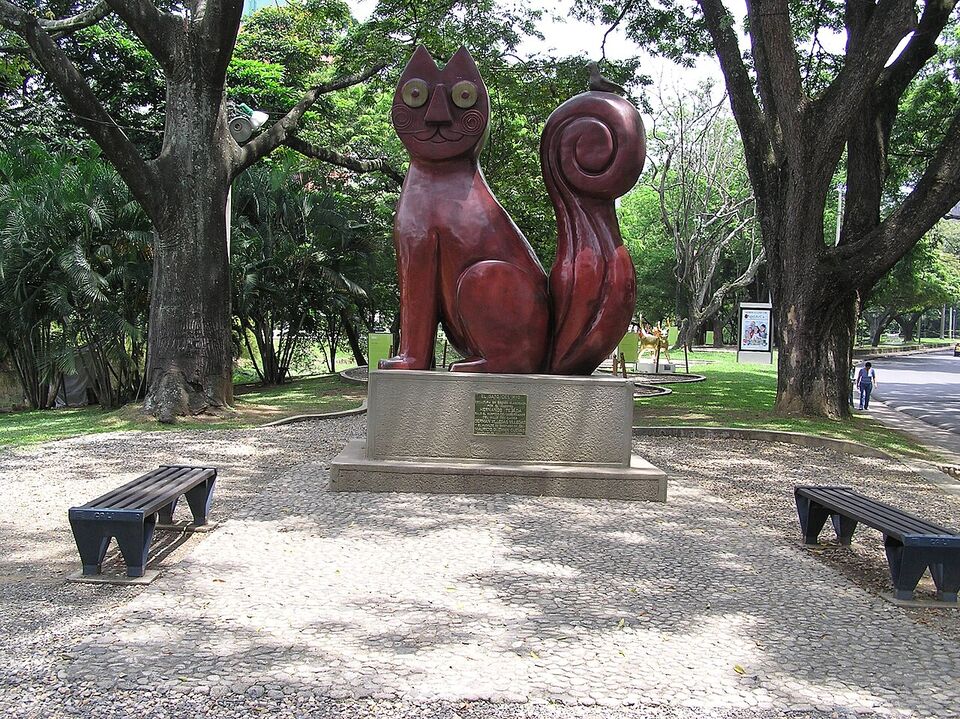
Cali is known as the world capital of salsa, and it earns the name. The city's dance schools, clubs and fairs revolve around it. Salsa caleña is usually described as quick and footwork-focused, with a tight upper body and rapid steps, which looks very different from slower salsa danced elsewhere. Colombia has also produced its own salsa stars: reference sources name Joe Arroyo, Grupo Niche and Fruko y sus Tesos among the biggest acts of the 1970s and 1980s.
The main dates are the Feria de Cali, traditionally December 25-30, with the Salsódromo (salsa parade), a horse parade and large concerts; a Summer Salsa Festival, reported for early July and lasting about a week; and a monthly salsa show called Delirio, reported for the last Friday of each month (reference source; confirm that it still runs). See Carnival and Festivals for planning around December and our Cali guide. Cali sits at about 3,340 ft (1,018 m) and is warm, with average highs around 85°F (29-30°C) from November to January, so dress light.
The areas to look at are those your hotel recommends: the neighborhoods around San Antonio Park and the north of the city have restaurants and music, and the Juanchito area is reported to have many salsa clubs. Juanchito technically belongs to another municipality, so ask your hotel about it before you go and travel by registered taxi or with a school group. Many visitors go to clubs as part of a group arranged through a dance school, which solves the transport problem.
Watch out
As of November 2026, secondary sources list Valle del Cauca (except Cali) among the US advisory's "Do Not Travel" areas. Keep your plans inside Cali, avoid road trips to other towns at night, and check travel.state.gov for the current list. See the safety guide.
How to take a salsa class
A class is the best investment in your trip. Instructors teach the basic step, a few turns and how to lead or follow, and a class fills the awkward gap between arriving at a club and being able to dance there. Most big cities have schools that offer group lessons, private lessons and "salsa and city" packages. We cannot give current prices because schools set them and they change; ask for the price in pesos and the length of the class when you book.
- Book a group class first. One or two classes in the day is enough to learn the basic step. Private lessons help if you want to work on a particular problem.
- Ask about the style. If you are in Cali, ask for salsa caleña; elsewhere, ask what style the school teaches, since many teach a slower "on" style.
- Wear shoes that slide. Smooth soles help you turn; thick sneakers grip the floor.
- Book through a reputable school. Choose a school your hotel knows, with a street address and reviews you can check, and meet at the school, not at a stranger's apartment.
- Join the evening outing. Many schools take students to a club after class, a good way to go with a group.
- Take your passport photo, not the passport. A copy is fine for a class.
In Bogotá, remember that the city sits at about 8,660 ft (2,640 m). Dancing is more tiring than at home during your first days, and many people find that alcohol hits harder at altitude. Drink water and rest. See the Bogotá guide.
Vallenato, cumbia and champeta on the coast
Vallenato is the accordion music of the Caribbean region, and its home is Valledupar, between the Sierra Nevada de Santa Marta and the Serranía de Perijá. The classic trio is the accordion, the caja vallenata (a small drum held between the knees) and the guacharaca (a ribbed wooden scraper). The lyrics tell stories of love and local people. UNESCO lists traditional vallenato as intangible heritage in need of urgent safeguarding, and the genre has had its own Latin Grammy category since 2006 (shared with cumbia). The Vallenato Legend Festival in Valledupar, listed for April 28 to May 1, 2027, is the great event. See festivals. Carlos Vives is the artist most often named for bringing vallenato to a pop audience.
Cumbia comes from the Caribbean coast and is the sound of Barranquilla's carnival. Its rhythm comes from drums, gaita flutes and the call-and-response of Afro-Colombian and Indigenous traditions. It is easy to dance to: a steady, swaying step that visitors pick up in minutes.
Champeta is an Afro-Colombian music and street culture from Cartagena and Barranquilla, with its own slang, huge sound systems (picós) and neighborhood parties. It is the least tourist-oriented of the coast's sounds. The simplest way to hear it is through a guide or a cultural tour run by a local group; do not wander into neighborhood parties alone, and ask your hotel what is appropriate. See Cartagena.
Reggaeton, Medellín and urban music
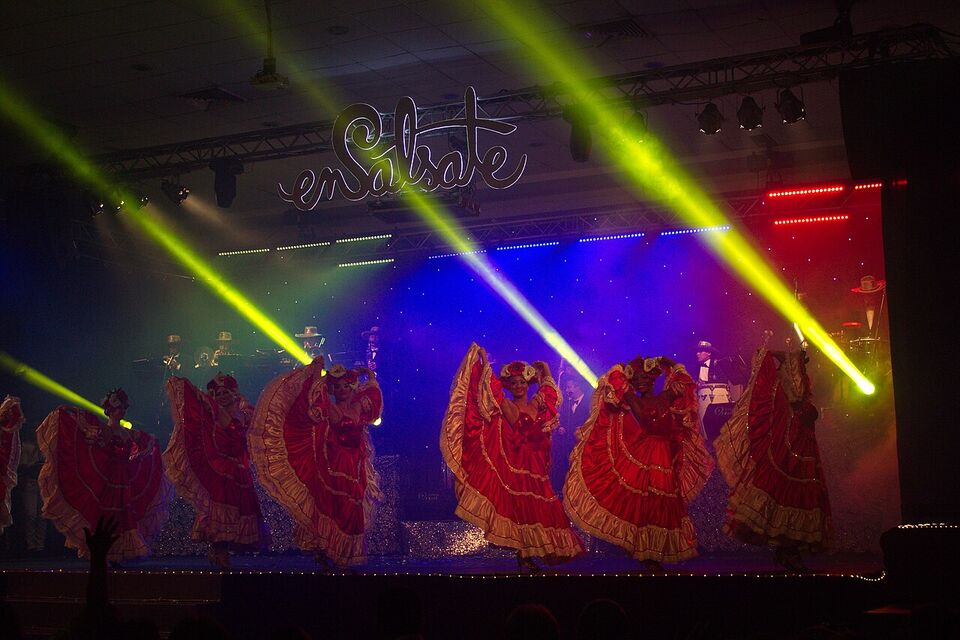
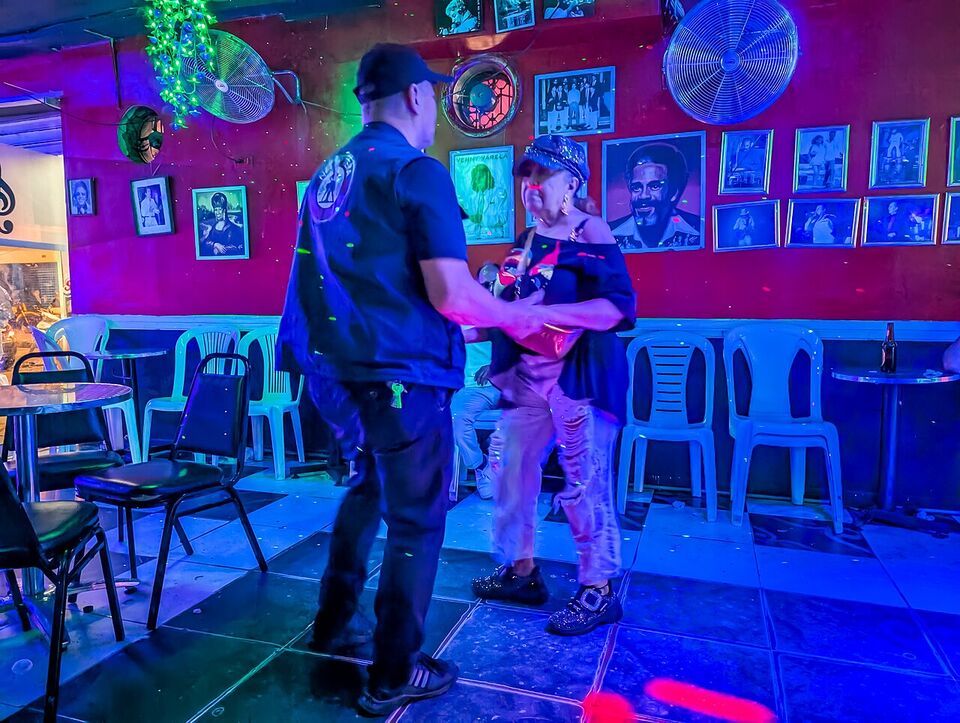
Medellín has become known worldwide as a home of reggaeton and Latin urban music. Artists such as J Balvin, Karol G and Maluma have put the city on the global map. Visitors can hear it in clubs, at concerts and in the city's neighborhoods; there are also tours of the studios and murals that tell the story of the scene, though quality varies, so choose a tour with a clear itinerary and a reputable operator.
Nightlife in Medellín is concentrated in El Poblado, around Parque Lleras, and in Laureles. Reference sources say that foreign tourists have been drugged and robbed in nightlife zones such as Parque Lleras. The US Embassy's security alert of January 10, 2024 reported eight suspicious deaths of US citizens in Medellín between November and December 31, 2023 (apparent drugging or suspected homicide) and warned that criminals use dating apps to lure victims to public places to assault and rob them; similar reports came from Cartagena and Bogotá. Check the embassy's current alerts. See Medellín and the safety guide.
Where to hear music in the main cities
Cali
Salsa clubs, dance schools and the monthly and yearly events above. Go in a group or with a school outing, and use a ride app or a registered taxi for the return.
Medellín
Reggaeton and urban music in El Poblado, salsa and mixed music in Laureles, and large concerts at the city's stadiums and arenas. Medellín's Flower Fair, in August, adds free concerts and music stages across the city.
Cartagena
Live champeta, salsa and vallenato in the walled city and in Getsemaní, where plazas and bars have music most evenings. The Cartagena International Music Festival, a classical event in January, and the Hay Festival, listed for January 28-31, 2027, add concerts. Ask your hotel which bars have live music this season. The coast is hot and humid at night, with lows of about 75-78°F (24-26°C), so choose a venue with ventilation.
Bogotá
The capital has everything: salsa clubs, rock and jazz bars, folk peñas (music pubs) in La Candelaria and Usaquén, and large festivals such as Rock al Parque. Bogotá is cool at night, with lows of about 43-48°F (6-9°C) between November and January, so bring a jacket. It is also at about 8,660 ft (2,640 m): take it easy with alcohol on your first night.
Barranquilla
Home of the carnival, with cumbia, salsa and folk dance shows most of the year. The city's evening scene is hot and informal; the carnival's four days, listed for February 6-9, 2027, are the best time to see the folkloric groups.
Choosing a club and going out at night more safely
A good club is one where you can leave easily, see the exit and the bar, and know how you are getting home. Ask your hotel or school for current suggestions, read recent reviews, and choose a place in an area with other people on the street. The advisory, as of November 2026, is Level 3: Reconsider Travel, and its text cites crime, drugging, extortion, kidnapping and armed break-ins; check travel.state.gov for the current wording.
- Go in a group of at least three, and agree on a time to leave.
- Use a registered taxi or a ride app for the trip there and back; check the plate before you get in. Ride apps are widely used, but their legal status is unclear, so ask your hotel.
- Watch your drink being poured, never leave it unattended and never accept a drink from a stranger.
- Do not meet strangers from dating apps in private places. If you meet someone, choose a busy public venue, tell a friend and share your location.
- Carry only what you need: one card, a small amount of cash and a phone; leave your passport in the hotel safe.
- Do not walk back alone, and do not follow a new acquaintance to a "better" place.
- Do not use illegal drugs, and decline any offer. Drugs and drink spiking are a main route to robbery, assault and arrest.
- If you feel dizzy or unwell, tell a friend or the staff and leave; dial 123 for emergencies (Colombia's national number) and, if needed, call the US Embassy's 24-hour line at +1-202-501-4444 from abroad.
Different from home
At home, a bartender may run a tab for you. In Colombia, a bottle or a round might be brought to the table, and the bill may include a suggested tip. Check the bill, and pay for each round as it arrives if you are with new friends. Many nightlife venues stay open late, so ask your hotel or school about local hours.
Tipping and money
Many restaurants add a suggested tip (propina) of about 10% to the bill. It is voluntary, so check the bill and ask to remove it if you want to tip differently. We could not confirm tipping norms for clubs or dance schools. A small bill for a street musician or a band that plays at your table is a polite gesture. For dance teachers, a modest extra amount is appreciated but not required.
Prices on menus and signs use a "$" sign for pesos (see money in Colombia for how to read them). Carry small bills for tips, cabs and street vendors. See also etiquette.
How to dance as a beginner without embarrassment
- Learn only the basic step. The count is "1-2-3, 5-6-7" with a pause on 4 and 8. Practice it in your hotel room.
- Dance with the group first. A circle of friends or a class group is the gentlest way to start.
- Ask politely. Say "¿Bailamos?" and accept a "no, gracias" with a smile. Offer a hand, not a grab, and leave if someone makes you uncomfortable.
- Follow the music, not the steps. Salsa is a conversation; keep your feet moving and your smile on.
- Laugh at mistakes. Colombians are generally warm to visitors who try.
- Know when to stop. Drink water, take breaks, and remember that altitude and heat make you tire faster.
A few Spanish phrases help; see the Spanish phrasebook. In Colombian Spanish, parcero is slang for a friend, and usted is polite and common.
Buying an instrument or music to take home
Traditional instruments make good souvenirs: maracas, a guacharaca, a small caja, a tiple (a small string instrument), a set of gaita flutes or a tambora drum. Buy from music shops, luthiers (instrument makers) or reputable craft stores with a street address, not from a stranger on the beach. Ask where the instrument is made and what wood it uses, and keep the receipt.
At US customs, declare what you bring. Products made from endangered wildlife and some regulated materials, such as ivory, need permits, and the US Fish and Wildlife Service advises asking before you buy. Instruments made of ordinary, farmed wood are usually not an issue, but check the CBP and Fish and Wildlife pages for any exotic wood or animal skins. Drums with animal hide may be subject to inspection. Read Shopping and Taking Things Home for the full list of what to check, and ask the airline about carry-on size; a fragile instrument is safest in the cabin.
Common mistakes
Watch out
Walking alone to a club, accepting a drink from a new acquaintance, or following someone to a private place causes most of the serious incidents that the US Embassy has warned about. Go with a group, stay in public places and keep your drink in sight.
- Skipping the class and then feeling lost on the dance floor.
- Drinking heavily at altitude on the first night in Bogotá.
- Showing your phone and wearing a watch in nightlife areas.
- Taking an unmarked taxi from the street at night.
- Buying an instrument from a street seller without checking the wood or the price.
- Expecting salsa everywhere: on the coast the sound is vallenato, cumbia and champeta.
Add it to a route in the trip builder, or ask us to plan the hotels, trains and guides for you.