The honest answer
Whether Colombia is safe depends on where you go, what you do and when. The State Department's current answer, as of November 2026, is Level 3: Reconsider Travel for the whole country, with some areas at Level 4: Do Not Travel. Many Americans still visit every year, mainly to a short list of cities, beaches and mountain towns, and most of their problems are the kinds you can lower with habits: stolen phones, overcharging, and drugged drinks tied to nightlife and dating apps.
We cannot tell you a region is safe, and we will not call one dangerous in our own voice. We give you the official words, the specific risks the sources describe, and precautions that fit them. For the longer practical guide, see Safety in Colombia.
Watch out
The advisory level and the list of areas can change at any time. The level on this page comes from the US Embassy in Colombia's website in November 2026, and the date and list come from news reports of the March 31, 2026 reissue, because the State Department page itself could not be read when we compiled this guide. Check travel.state.gov for the live version before you book and again before you travel.
What the State Department says
The embassy's home page carries the advisory in one line: "Level 3: Reconsider travel to Colombia due to crime, terrorism, civil unrest, kidnapping, and natural disasters. Some areas have an increased risk." News coverage reports that the advisory was reissued on March 31, 2026 at Level 3, with a natural disaster indicator added, and that it keeps Level 4: Do Not Travel for these areas:
- Arauca;
- Cauca, except the city of Popayán;
- Valle del Cauca, except the city of Cali;
- Norte de Santander;
- areas within 10 km (5 miles) of the Venezuela border.
One report said "five departments" while naming four, so our list could be missing an item. Two questions to answer yourself on travel.state.gov: what is the current level, and which areas are on the Do Not Travel list? The advisory also mentions drugging, extortion, kidnapping and armed break-ins, according to news coverage quoting it.
A Level 3 advisory does not close the country, and it does not mean the US government thinks every part is the same. It asks you to think carefully, buy the right insurance and avoid the areas it names. You decide whether the trip makes sense for you, your age, your experience and your risk tolerance.
How the picture varies by region
Colombia is a large country of cities, mountains, coasts, jungle and border zones, and its risks differ across them. The following describes what the sources say, not a ranking.
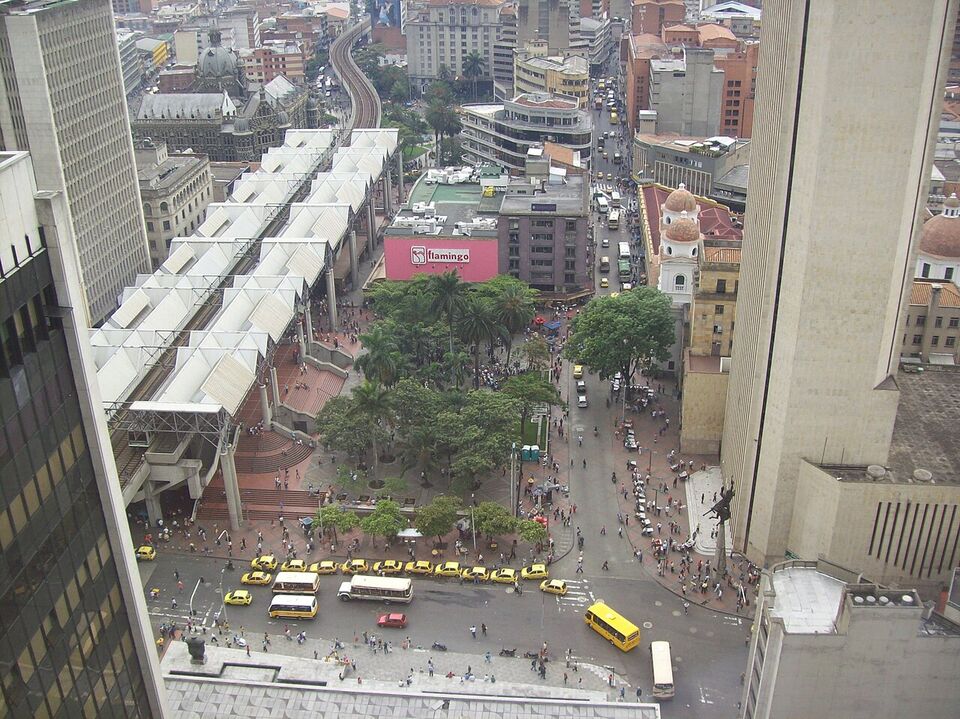
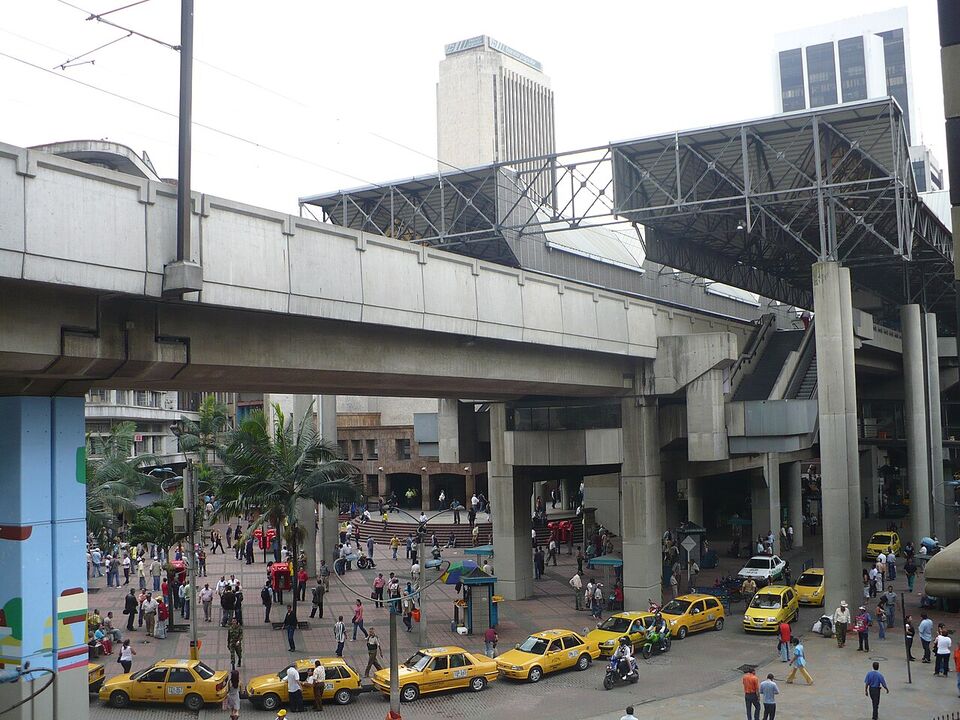
- Cities. Street theft, phone snatching, scams, drugging and robbery connected to nightlife and dating apps. The US Embassy's January 2024 alert named Medellín most prominently, with similar reports from Cartagena and Bogotá. See Bogotá, Medellín and Cartagena.
- The Caribbean coast and islands. Theft on beaches, drink spiking and unlicensed boat or park operators. National park access can close, as Tayrona did in early 2026 (see Santa Marta and Tayrona).
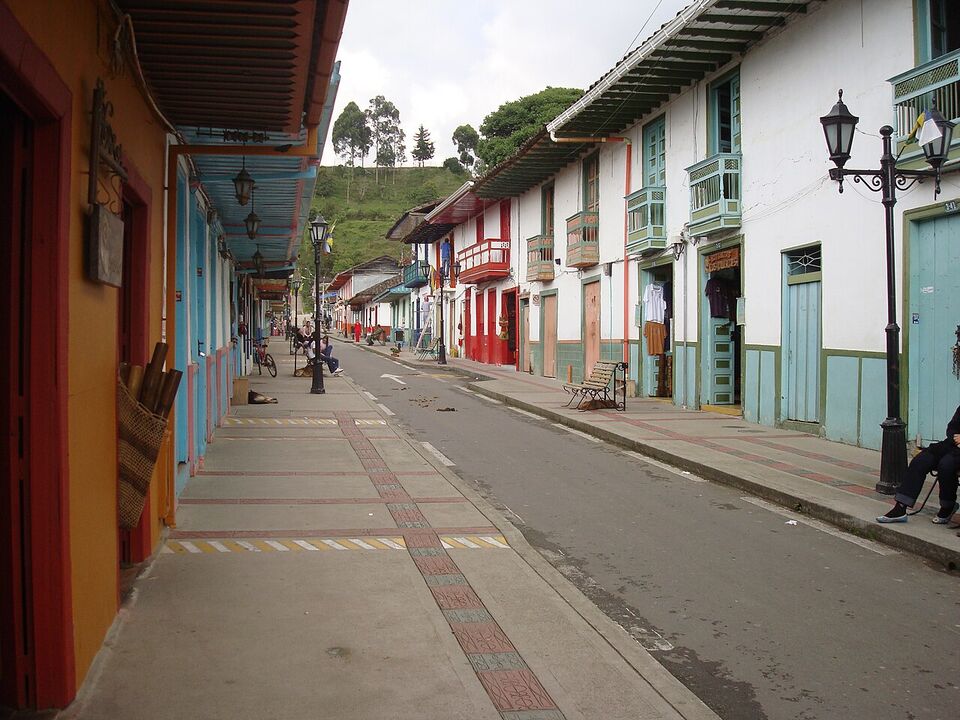
- The coffee region and mountain towns. Mostly weather, roads and trails. See the coffee region.
- The southwest and the borders. This is where the advisory's Level 4 areas sit. Do not plan routes through them, even if a road or tour offers it.
- Remote treks. Use licensed guides only. See Ciudad Perdida.
Some context from a reference source: Wikipedia says kidnappings in Colombia fell by 92 percent from 2000 according to police, and that common criminals carry out most of them. Its crime summary lists a national homicide rate of 24.4 per 100,000 people for 2024. Those are national figures for a country with long-running conflict in some regions. They do not tell you the risk on a given street, and they are not official tourism statistics.
Scale of tourism: what most visitors experience
Colombia receives many foreign visitors. Wikipedia's tourism page gives a 2017 figure of about 529,000 arrivals from the United States, making Americans the second-largest group after Venezuelans that year; we have not confirmed more recent totals. Tourist businesses in Bogotá, Medellín and Cartagena are used to foreigners, and the airport, hotel and tour systems work as they do elsewhere.
Many visitors fly into a major airport, move between hotels, restaurants, museums and guided tours, and fly out without a serious incident. When something does go wrong, it is usually one of these:
- a phone taken in the street or on a bus;
- an overcharge by a taxi, tour seller or restaurant;
- a drink spiked in a bar or a night out that ends in robbery;
- a card used by someone else after an ATM or restaurant mistake;
- a missed flight, a road blockade or a canceled tour because of weather or protests.
The worst cases in the news involve drugging and dating apps, which is why the embassy issued its January 2024 alert and why we give those risks their own section below.
What goes wrong and how
Phone snatching and theft
A person on a motorbike or on foot takes the phone from your hand while you check a map on the street. The fix is to step into a shop to use the phone and keep it out of sight otherwise. If someone demands your phone or bag, give it up.
Drugging and dating apps
The US Embassy's alert of January 10, 2024 followed eight suspicious deaths of US citizens in Medellín between November and December 31, 2023, involving apparent involuntary drugging or suspected homicide. News coverage says the alert warned that criminals use dating apps to lure victims to public places, where they are assaulted and robbed. Wikipedia's scopolamine entry reports that drugging with scopolamine or benzodiazepines occurs in nightlife zones such as Parque Lleras in Medellín, and gives an unofficial estimate of about 50,000 scopolamine incidents a year across Colombia.
Taxis and transport
Unregistered taxis and street hails after dark are a recurring problem in several cities. The advisory lists kidnapping without more detail in the text we read. The precautions are the same as for other transport risks: registered taxis or ride apps, limited cards and cash on you, and no ATMs on the street at night.
Road trips, protests and weather
Protests, strikes and road blockades are part of the "civil unrest" in the advisory. Heavy rain can close mountain roads. Add a buffer day to long journeys and check local news before you set off. See getting around for flights, buses and what to book.
Precautions that work
- Registered taxis or ride apps. Ask your hotel or restaurant to call one. Check the plate and driver, sit in the back, and share your trip.
- Phone out of sight. Use it inside shops or cafés, not at curbs, bus stops or open windows.
- No drugs. Do not buy or use them. They are illegal, and buying them is a common route into robbery and drugging.
- Watch your drink. Accept nothing from strangers, and do not leave a glass unattended.
- Meet dating-app matches in public, by day. Do not leave with them, go to their home or move to a second venue. Share your location with a friend.
- Do not hike alone. Use licensed guides where required, follow park notices and tell someone your plan.
- Carry little. One card, small cash, a copy of your passport. Leave the original in the hotel safe.
- Use ATMs inside banks or malls in daylight.
- Keep night plans simple. Know how you will get back before you go out.
Insider tip
Ask your hotel front desk the same three questions in each city: which neighborhoods to avoid at night, which taxi or app they use, and which streets to walk after dark. Staff know local conditions that change faster than any guidebook, and a staffed front desk is a good reason to choose a particular hotel.
The big tourist routes and the regions to avoid
The popular tourist routes (Bogotá, Medellín and nearby Guatapé, Cartagena and the Rosario Islands, the coffee region, Santa Marta and Tayrona, San Andrés) are not named on the Level 4 list as we have it. That is not the same as being free of risk, since the whole country is at Level 3, but it is a clear difference from the areas the advisory tells Americans not to travel to at all.
The practical rule: build your trip around places that are not on the Level 4 list, and re-read the list before you buy tickets, before you leave and before any overland leg. Keep in mind the carve-outs: Popayán and Cali are excluded from the Cauca and Valle del Cauca departments' Level 4 areas, so a trip to Cali (see Cali) is not the same as a trip into the surrounding department. If a tour operator or driver proposes a route that passes through a listed area, say no.
Natural hazards also matter: the advisory lists natural disasters, Colombia lies on the Pacific "Ring of Fire," and Wikipedia reports a magnitude 7.4 earthquake in western Colombia on August 10, 2026. Ask your hotel about exits and alerts, and see the natural hazards section of Safety in Colombia.
Solo travelers, women, families and first-timers
The same risks apply to everyone, but some trips need more planning. We have no source that ranks safety by traveler type, so these are practical points drawn from the advisory's warnings, not statistics.
- Solo travelers. Drugging and dating-app robberies target people who are alone, so be stricter about not leaving bars or parties with new acquaintances. Check in with someone at home each evening and keep your hotel's address written down.
- Women traveling alone. Use the same night rules, choose hotels with a staffed front desk, arrange transport in advance and do not accept drinks from strangers. A private driver or a hotel-booked taxi is worth the cost late at night.
- Families. Plan shorter days, book transfers in advance, keep children close in crowds and agree a meeting point. See families for planning ideas.
- First-time visitors. A route through two or three well-used destinations, with a flight rather than a long overland leg, keeps the number of unknowns low. See planning your trip and domestic flights.
- LGBTQ+ travelers. The dating-app and drugging cautions apply, so meet in public and share your location. For attitudes and legal details, read the LGBTQI+ section of the State Department's Colombia country page, because we could not confirm current details by city.
- Older travelers and people with health conditions. Bogotá is at about 8,660 ft (2,640 m), and other Andean towns are higher. Talk to your doctor before you go and read the health page.
Questions to ask yourself before you book
- What does the current advisory on travel.state.gov say about my destinations, and is any part of my route on the Do Not Travel list?
- Does my itinerary rely on a long road trip or a remote trek that I could replace with a flight or a guided tour?
- Do I have insurance that covers medical care and evacuation in Colombia, and does it exclude anything I plan to do?
- Do I know how I will get from the airport to my hotel, and back, without hailing a car on the street?
- Have I talked through night plans, drinks and dating apps with the people I am traveling with?
- Do I have a buffer day for blockades, storms or a canceled tour?
If you can answer yes to these, you have dealt with most of what the sources describe as the main risks to visitors. If you cannot, change the plan before you buy the tickets.
Insurance and STEP
Travel insurance with medical coverage and evacuation is the single most useful purchase for a Colombia trip. Check three things: what it covers, what it excludes (some policies exclude areas under a Level 4 advisory, and some exclude high-altitude activities) and how to reach the insurer from Colombia. Our health page covers medical care, evacuation cover and altitude.
The US Embassy asks Americans to enroll in the Smart Traveler Enrollment Program (STEP) at travel.state.gov. Enrollment sends alerts for your destination and lets the embassy find you in an emergency. Save these numbers before you fly: 123 for Colombia's national emergency line, +1-202-501-4444 from abroad for State Department help for Americans 24/7 (or +1-888-407-4747 from the US and Canada), and the US Embassy in Bogotá at (+57) (601) 275-2000.
Common risks and what to do
| Risk | Where it comes up | What to do |
|---|---|---|
| Phone and bag theft | Streets, buses, markets, tourist sights | Keep the phone out of sight; carry little; give it up if demanded |
| Drugged drinks | Bars, clubs, parties, nightlife areas | Never accept drinks from strangers; watch yours; no drugs |
| Dating-app robberies | Meetings arranged by apps (embassy alert, Jan 2024) | Public places by day; do not leave with the person; share location |
| Kidnapping | Remote areas and listed Level 4 regions | Stay out of Level 4 areas; use registered transport |
| Taxi and tour scams | Airports, tourist zones, street hails | Hotel-called taxi or app; agree on the price; use licensed operators |
| ATM and card fraud | Street machines, restaurants | Use ATMs in banks; keep the card in sight; tell your bank |
| Protests and blockades | Cities and highways | Avoid; check news; add buffer days |
| Natural hazards | Earthquake zones, volcano areas, mountain roads in rain | Know exits; check IDEAM and park notices; skip risky trails in storms |
| Altitude and illness | Bogotá, Andean towns, mosquito areas | See the health page |
When to rethink a plan
Postpone, reroute or cancel a leg in these cases:
- The advisory or an embassy alert changes, especially if a place you plan to visit moves to Level 4.
- A route passes through a listed area or near the Venezuela border.
- Local news or your hotel reports protests, blockades or a security operation on your route.
- A park, trail or boat operator closes access (Tayrona and other parks have seasonal and special closures).
- You cannot get insurance that covers your destination and activity.
If you are traveling with children, older relatives or health conditions, plan more carefully: see families and health. If you are still deciding between destinations, planning your trip shows how to build a route around the main tourist areas.
Different from home
The US advisory system is a guide, not a rule, and it is separate from Colombian law. Colombian authorities enforce their own laws on foreign visitors, including those on drugs, and the US Embassy cannot override them. Know the law before you act on a tip from a stranger.
Bottom line
Many travelers visit Colombia and many return home with no incident. The US government still rates it Level 3 and tells Americans not to travel to some areas at all. If you go, stay out of the listed areas, treat your phone, your drinks and your dating-app dates with care, buy insurance with evacuation, enroll in STEP and check the advisory again just before you fly. Read Safety in Colombia next for the full checklist.
Add it to a route in the trip builder, or ask us to plan the hotels, trains and guides for you.