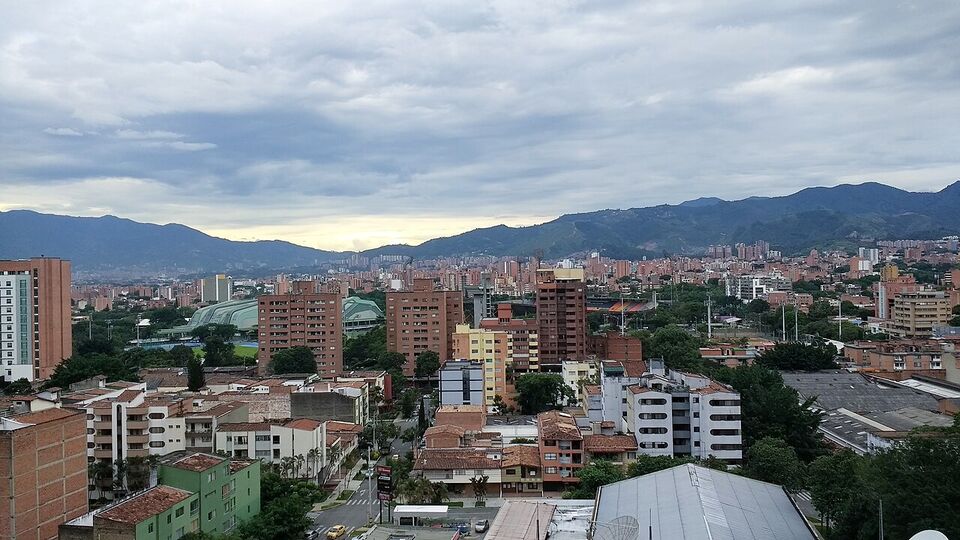
Overview: the legal side comes first
Many Americans fall for Colombia and start wondering about months instead of weeks. Before you sign a lease, learn the immigration rule: as of November 2026, US citizens can enter without a visa for tourism, for up to 90 days on arrival, and the stay can be extended to a total of 180 days within a calendar year. The source we read for this is a reference page, not the Cancillería itself (the official visa pages were not available to us), so please confirm every item here on cancilleria.gov.co and migracioncolombia.gov.co before you rely on it.
This page covers the legal side, the visa options, where long-stayers live, renting, the cost of living in tiers, internet and coworking, health insurance, banking, taxes and neighborhood safety notes. We give no hard cost numbers, since rents and prices change by year. For a short trip, you want our entry guide; for a first look at how a month feels, see the trip planner.
Visitor stay, the 90-day rule and extensions
When you arrive, the immigration officer stamps you in for a number of days, and the date matters. Take a photo of the stamp or the entry record, and put the end date in your calendar. Overstaying can cause problems when you leave or return, so file an extension before the date, not after.
- Online form first. Migración Colombia lists an online migration form called Check-MIG that you fill in from 72 hours to 1 hour before your trip, for both entry and exit. It is not needed at land border posts. Its cost is not stated on the pages we read, so use only the official site, apps.migracioncolombia.gov.co/pre-registro, and ignore sites that charge for it.
- Extension. Migración's extension service for people with a valid entry permit (called PTP) is online, takes 3 business days and lists a general fee of COP 143,000 (about $43), with exceptions in a table. Fees and rules can change, so check the page when you apply.
- The cap. The total visitor stay is up to 180 days in a calendar year, per the reference source we read. Whether the days reset on January 1 or on another count, and what happens on a second trip in the same year, are details to confirm with Migración.
- Payments. Migración's site says that only Visa and MasterCard cards are accepted for payments (from June 1; the year is not shown on the page), not American Express or Diners.
- Appointments. Some services use appointments. For example, Migración listed no appointments in Bogotá and Chía on November 6, 2026. Book early.
Before you rely on the 90-day and 180-day figures, the extension fee or the passport rule, confirm them on Cancillería and Migración. Bring a passport valid for your whole stay and check your airline for any longer rule. Carry proof of onward or return travel, since airlines or officers may ask for it.
Visa options for longer stays
If you want to stay beyond 180 days, or to be sure you can work, Colombia's visa system is the path. Visas are issued by the foreign ministry (Cancillería), and the categories change, so the following is a map of what to look up, not a list of rules.
- Digital nomad visa. Colombia has a visa for remote workers (the "Nómada Digital" visa, a type V visa). Reports describe an income requirement, proof of remote employment or contracts and health insurance. We could not read the official page, so we give no income amount or fee. Check Cancillería for the current requirements and whether it can be applied for inside the country.
- Other visas. Categories exist for work, study, investment, marriage or family ties, and retirees with a pension. We have no confirmed details for any. Each has its own documents, and many require apostilled or translated papers from the US.
- Visa and "cédula". People with certain visas must also get a foreigner identity card (cédula de extranjería) from Migración Colombia, the main ID document for foreigners, and register with the SIRE system. SIRE is the system hosts and employers use to report foreigners, listed as free and taking 3 business days. Whether hotels must use it is not confirmed.
Watch out
Do not rely on blogs, forums or agents for the rules, since they go out of date, and do not pay anyone for "guaranteed" paperwork. Use cancilleria.gov.co and migracioncolombia.gov.co, and consider a licensed Colombian lawyer for a visa application. Also avoid "visa runs" as a plan: border crossings are decided case by case by the officer.
Remote work on a visitor stay is a gray area we cannot resolve. If your job is with a US employer and you work from your laptop, ask Cancillería or a lawyer what applies to your situation. Our staying connected guide covers SIMs and Wi-Fi.
Where long-stayers live: the cities compared
| City or area | Climate and altitude | Suits | Watch for |
|---|---|---|---|
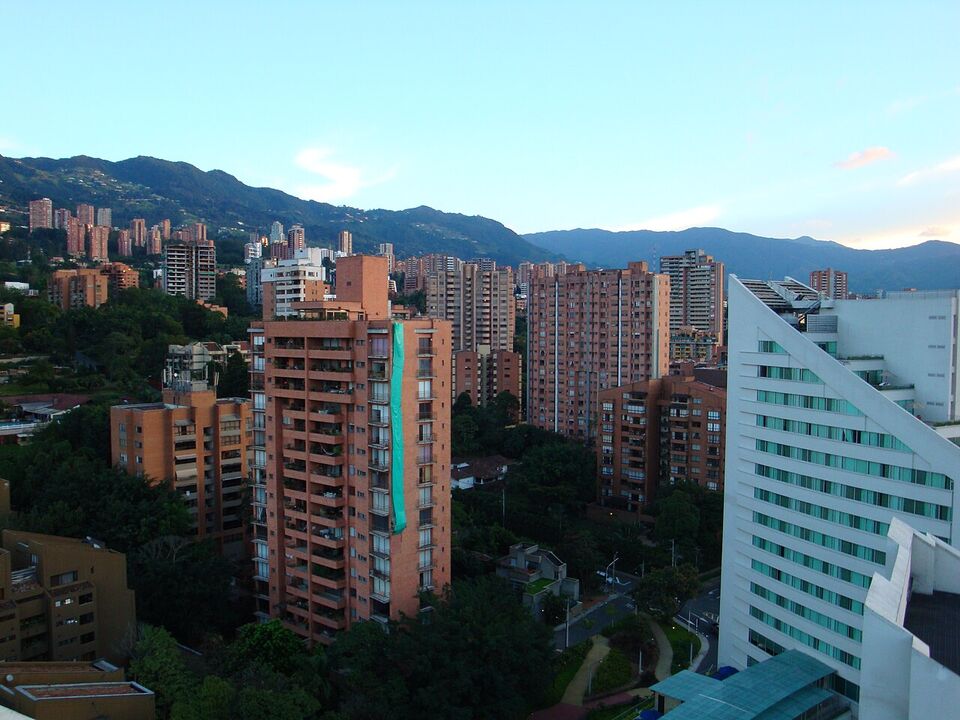
| Medellín: Laureles | Mild; city at about 4,900 ft (1,490 m) | Quieter local life, cafés, apartments | Fewer English speakers than in El Poblado |
| Medellín: El Poblado | Mild, warm days, cooler nights | Convenience, restaurants, coworking, other expats | Nightlife, drugging warnings, tourist-targeted crime |
| Bogotá: Chapinero, Usaquén | Cool, 8,660 ft (2,640 m), rainy seasons | Work, culture, museums, big-city life | Altitude, traffic, damp cold, security at night |
| Cartagena | Hot and humid, sea level | Sea, history, short stays | Heat, high rents in the old town, sun and humidity |
| Santa Marta and Rodadero | Hot, dry season December to April | Beach, trips to Tayrona and Minca | Heat, fewer services than in the big cities |
| Coffee region (Armenia, Pereira, Manizales, Salento) | Mild, 4,750 ft (1,450 m) in Armenia; cooler in the hills | Quiet, nature, lower costs | Smaller expat scene, roads, slower services |
| Cali | Warm, about 3,160 ft (964 m) | Dance, culture, a Colombian-city feel | Less tourist infrastructure; US advisory warnings for parts of Valle del Cauca |
See our guides to Medellín, Bogotá, Cartagena, Santa Marta, the coffee region and Cali. Note that the US advisory lists areas as Do Not Travel (Level 4), including Cauca except Popayán and Valle del Cauca except Cali, per secondary sources. Check travel.state.gov for the current list before you choose a base outside the main cities.
Apartments and the usual rental practices
The easiest start is a furnished short-term apartment for the first month, which lets you see the neighborhood before committing. Then move to a longer lease or a monthly rate. Practices differ from home, and we have no confirmed rules, so check each of these with a local lawyer or the building:
- Long leases are usually written in Spanish, often with a deposit and a guarantor (fiador) or an insurance-backed guarantee. Foreigners without a Colombian guarantor may be asked for a larger deposit or advance payment. Ask what the contract says about early exit.
- Many buildings are gated with a doorman (portería) and a building administration (administración) with its own rules on noise, guests and short-term rentals. The monthly building fee may or may not be in the rent.
- Colombian properties are placed into socioeconomic strata (estratos, numbered 1 to 6) that set utility rates. Ask which stratum the apartment is in, because it affects the bills.
- Check water, power and internet. In El Niño years such as 2026-27 (IDEAM said on November 12, 2026 that a strong El Niño would continue into early 2027), authorities have asked people to save energy and water, so ask about the building's water and backup.
- Keep a copy of the contract, the inventory and the receipts for each payment. Pay by bank transfer where possible and avoid large amounts of cash.
Our where to stay guide covers the short-term rental rules and registration, and the same cautions apply to monthly rentals in a tourist building.
Cost of living in tiers
We give no prices because rents, groceries and services vary by city and year, and we could not confirm current figures. Think in tiers instead.
- Lower cost: smaller cities and the coffee region, local markets, set lunches (menú del día), buses and metros. Your costs fall most if you live like a local.
- Middle cost: Medellín (Laureles), Bogotá (Chapinero), Santa Marta; a furnished apartment, a mix of local and international restaurants, and taxis or apps for evenings.
- Higher cost: El Poblado, Cartagena's old town and Bocagrande, imported groceries, car rental and private schools. Tourist areas cost more.
Exchange rates move: the official rate was about COP 3,297 to the US dollar on November 11-12, 2026, and we use COP 3,300. A weaker peso helps a dollar budget, but prices in pesos can rise with inflation. See our money guide and budget page.
Save money
Rent a furnished place for a month first, buy groceries at markets and neighborhood stores, use the metro or bus for routine trips and keep taxis for evenings. Exchange houses pay less than the official rate, so compare before changing a large sum.
Internet, coworking and phones
Home internet in Colombian cities is available through several providers, with fiber in many apartment buildings, but speeds and reliability vary by building. Ask the landlord for the provider and a speed test, and have a backup plan, such as a mobile hotspot. Coworking spaces are common in Medellín, Bogotá and Cartagena, but we have no confirmed names or prices, so search the operators' own sites. Our staying connected guide covers SIMs and roaming.
Verizon lists TravelPass at $12 a day in 210+ countries (check that Colombia is covered) and a $100 International Monthly Plan for trips of 9 days or longer. Both are for short stays; for months, a local SIM or eSIM from a Colombian carrier is usually cheaper. We have no confirmed prices or IMEI-registration rules, so ask your carrier and the Colombian operator before you go. Colombia uses 110 V, 60 Hz power with US-style plugs.
Health insurance and the Colombian system
Colombia's public health system is for residents who enroll through employers or payments, and private clinics in the big cities are used by many visitors. We have no confirmed details on how a foreign visitor can enroll, so ask a lawyer or an insurer. For most long-stayers, the practical answer is a private international health policy or a long-stay travel policy that includes evacuation, because the CDC says to consider travel health and medical evacuation insurance. Check what your US plan and Medicare cover abroad (Medicare generally does not), and whether a visa application requires insurance.
Health basics matter on a long stay. CDC lists a yellow fever notice (Level 2, October 16, 2026), recommended vaccines such as hepatitis A and, for some travelers, typhoid, and says stays of six months or more can make the chikungunya vaccine worth considering. Bogotá is above 8,200 ft (2,500 m), so allow time to adjust. Our health guide covers vaccines, altitude and insurance.
Banking and the cédula question
People ask whether they can open a Colombian bank account. We have no confirmed rule, but in general banks ask for a foreigner ID (cédula de extranjería), which comes with certain visas, and some will not open accounts for visitors with only a passport. Ask the bank in person and avoid third parties who promise accounts. Without an account, many long-stayers use their US debit card at ATMs and a US bank that waives foreign fees, plus a transfer service for rent. Keep your US bank informed that you are traveling, and carry a backup card.
A tourist stay does not give you a cédula. If you get a visa that requires one, Migración Colombia issues it, and its page lists an issue time of 10 days for the card and a variable fee. Check the page for the current numbers.
A sensible first month
A trial month teaches more than any guide. We suggest this order, adjusted to your plans:
- Before you fly. Fill in Check-MIG on the official site, carry proof of onward or return travel, check your passport dates, buy insurance that covers evacuation and tell your US bank and phone carrier.
- Week one. Book a furnished short-term place in one neighborhood, with a doorman and good internet. At 8,660 ft (2,640 m) in Bogotá, take the first days slowly. Learn the transit card and the app your host trusts.
- Weeks two and three. Try a coworking space or a café routine, a local gym or class, and a few neighborhoods. Spanish lessons pay off quickly, since English is common mainly in tourist businesses; see our Spanish page.
- Week four. Decide: sign a longer lease, move to another city, or leave. Put your entry-stamp date in your calendar, and apply for an extension well before the 90 days end if you are staying.
Daily life has its own rhythm. Some shops close on Sundays or holidays, and Colombia has many Monday holidays (the next is November 16, 2026). Colombian Spanish uses usted a lot, even with friends, and a little effort goes far. Pay attention to altitude and weather: Bogotá is cool and damp, Medellín mild, the coast hot. Keep up with the news on closures, protests and strikes, which can affect transport. Also check our etiquette guide.
Insider tip
Keep digital and paper copies of your passport, entry stamp, extension receipt, lease and insurance policy. Migración's online services and your landlord may ask for them at short notice.
Taxes for US citizens abroad
US citizens generally file a US tax return wherever they live, and the IRS has pages for Americans abroad, including rules on foreign income and on reporting foreign bank accounts. Colombia may also treat a long stay as tax residence, so ask DIAN (dian.gov.co) or a tax professional. This site does not give tax advice: use irs.gov and a qualified adviser, and keep records of your days in and out of the US and Colombia.
Neighborhoods and safety notes
The US advisory for Colombia is Level 3: Reconsider Travel, as of November 2026, reissued March 31, 2026, and lists some areas as Do Not Travel; check travel.state.gov for the current list. It cites crime, kidnapping and drugging. For a long stay, these habits matter more because you stay longer in the same routine:
- Choose a building with a doorman and a lock, and a street you can walk after dark.
- Be careful with dating-app meetups: the US Embassy's January 10, 2024 alert described deaths of Americans in Medellín after apps lured victims to public places. Meet in a public place, tell a friend and never accept a drink you did not watch being poured.
- Do not buy or use drugs; Colombian law applies to foreigners, and the risks are serious.
- Know the numbers: 123 in Colombia and the US Embassy at +1-202-501-4444 from abroad; the embassy is at Carrera 45 No. 24B-27 in Bogotá.
- Register with the US government's traveler program for alerts, and keep copies of your passport and entry stamp.
See our safety guide and is Colombia safe page. For the first weeks, our getting around guide explains apps, buses and why night travel is a risk.
Add it to a route in the trip builder, or ask us to plan the hotels, trains and guides for you.