Overview
Medellín is Colombia's second-largest city, set in the narrow Aburrá Valley of the Andes at 4,905 ft (1,495 m). It is warm without being hot, it has the country's only metro, and cable cars climb from the valley floor to hillside neighborhoods and a forest park. Most Americans who come for a first trip stay three or four days, and many add a day trip to Guatapé.
The city is easy to enjoy and easy to misread. A generation ago it was known for the Medellín Cartel and for violence; today it sells itself as a city of innovation, flowers and good weather. Both stories are part of the place, and both matter to a visitor. The precautions in this guide are specific and practical, and the section on safety and the law near the end deserves a full read before you book.
This page covers the neighborhoods and where to stay, the metro and cable cars, the airport transfer, the climate, paisa food and culture, and the risks. For what to see, go to Medellín things to do. For the lake town and the big rock, see Guatapé and El Peñón. For coffee farms and the Zona Cafetera, see the coffee region.
Weather and altitude
Medellín's nickname is the City of Eternal Spring (Ciudad de la Eterna Primavera), and the climate data support it. At the Olaya Herrera airport station, the average daily high is about 81-84°F (27-29°C) in every month and the average low is about 64°F (18°C). Pack for a warm afternoon and a light layer for the evening, and expect the surrounding hills to be a little cooler.
Rain is the real variable. Using the station's averages: November is the wettest month (about 327 mm, 12.9 inches, on 17 days), December is wetter than January, and January and February are among the driest months, with June to August also drier. Showers tend to be the kind you wait out under a roof, not all-day storms, but carry a compact umbrella in any month. The national weather service said on November 12, 2026 that a strong El Niño should continue into early 2027, with less rain and higher temperatures expected, so a December or January trip may be drier and warmer than the averages suggest.
Altitude is a minor issue here. Medellín sits about 3,750 ft (1,145 m) lower than Bogotá, which is at 8,660 ft (2,640 m), and most visitors feel no effect. The airport is higher, at 7,028 ft (2,142 m), and Guatapé is at 6,200 ft (1,890 m), so a slightly short breath on stairs is normal there. The sun is strong at any elevation near the equator, so use sunscreen even on cloudy days. See When to go for the whole country by month.
Neighborhoods and where to stay
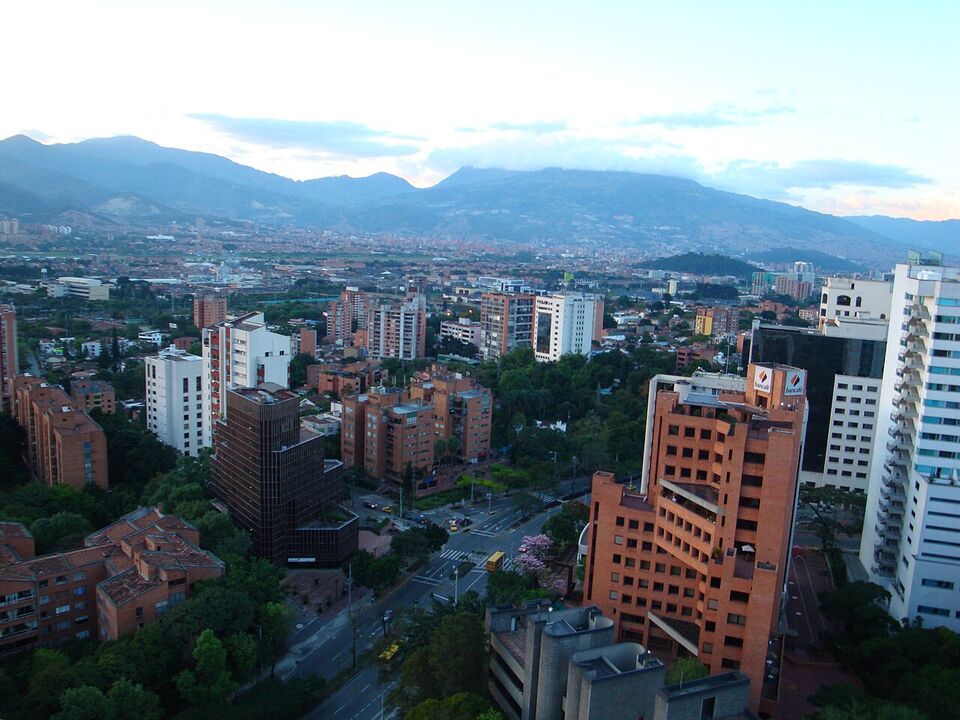
The city is organized into numbered districts called comunas. Three areas matter for most visitors: El Poblado in the southeast, Laureles in the west-central part of the city, and the historic center (La Candelaria). Each gives a very different trip.
El Poblado
The district where the city's first Spanish settlement was founded in 1616, now its main commercial and hotel area. Parque Lleras and the Provenza area are the nightlife zones, and they are also where the warnings about drugging apply most. It is the easiest base for first-time visitors and the priciest.
Laureles
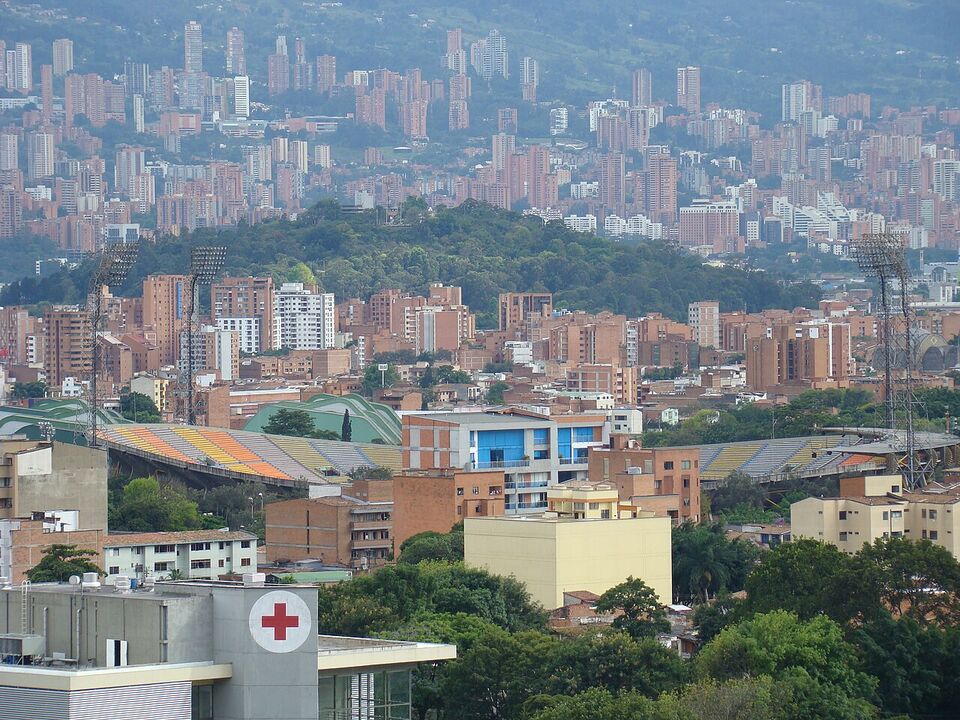
A flat, tree-lined area with a ring of parks, good for walking and for a more everyday feel. It is near the stadium and a metro line, and it has fewer tourist services in English than El Poblado.
The center (La Candelaria)
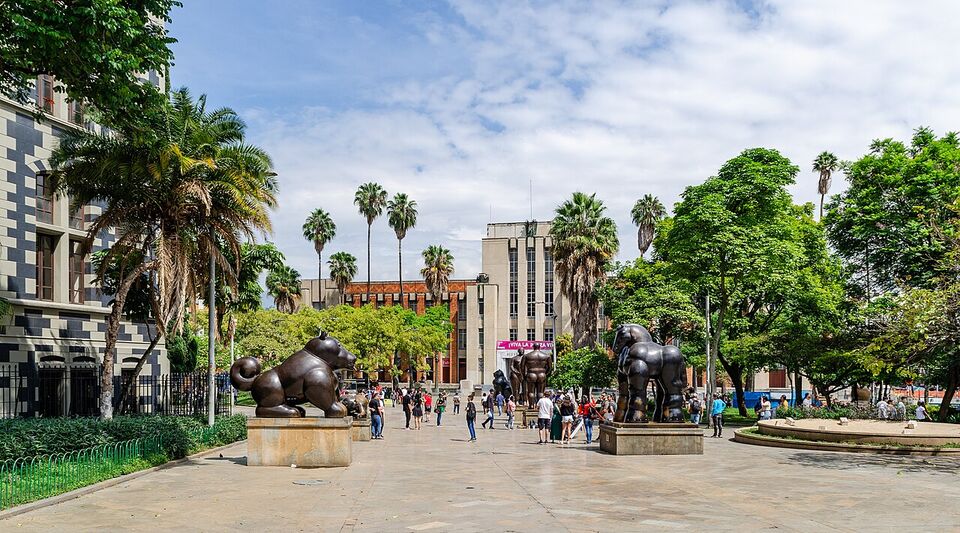
Home to Berrío Park, the Metropolitan Cathedral, Plaza Botero and the Museo de Antioquia. It is where the metro lines meet, which makes it easy to reach, but it empties after business hours and is a poor choice for a late-night return on foot.
Sabaneta and Envigado
Suburban towns on the metro's Line A with their own plazas and restaurants. They suit longer stays and visitors who want quiet, but they are farther from the main sights.
| Area | Feel | Best for | Watch for | Typical tier |
|---|---|---|---|---|
| El Poblado | Polished, busy, international | First trips, short stays, couples, no-Spanish visitors | Nightlife drugging and dating-app lures; higher prices | $$ to $$$ |
| Laureles | Residential, relaxed, walkable | Longer stays, families, food and cafés | Less English; check that your block is lit and busy at night | $ to $$ |
| Center | Historic, crowded by day, quiet at night | Museum days, budget stays near the metro | Theft, empty streets after dark; no phone out in the open | $ to $$ |
| Sabaneta, Envigado | Suburban, calm | Slow trips, visits with locals | Distance to sights; metro or taxi each time | $ to $$ |
The tiers are our general guidance, not quoted rates: prices change with season, holiday weekends and events such as the August flower festival, so check current rates before booking. For choosing between hotels, apartments and hostels across the country, see Where to stay.
Insider tip
Book your first two nights in El Poblado or Laureles and decide on the rest once you have felt the city. Both are close to metro stations or short taxi rides, and a first-night base near a lively, well-lit street is easier after a long flight.
The Metro and Metrocable
The Medellín Metro is the only metro system in Colombia, and locals treat it as a point of civic pride. Line A runs north-south from Niquía to La Estrella, and Line B runs west from San Antonio to San Javier. A tram line and a bus rapid transit service called Metroplús join the system, and the same fare card works across them. The metro cannot be missed by a visitor: it is the fastest and most predictable way to cross the valley.
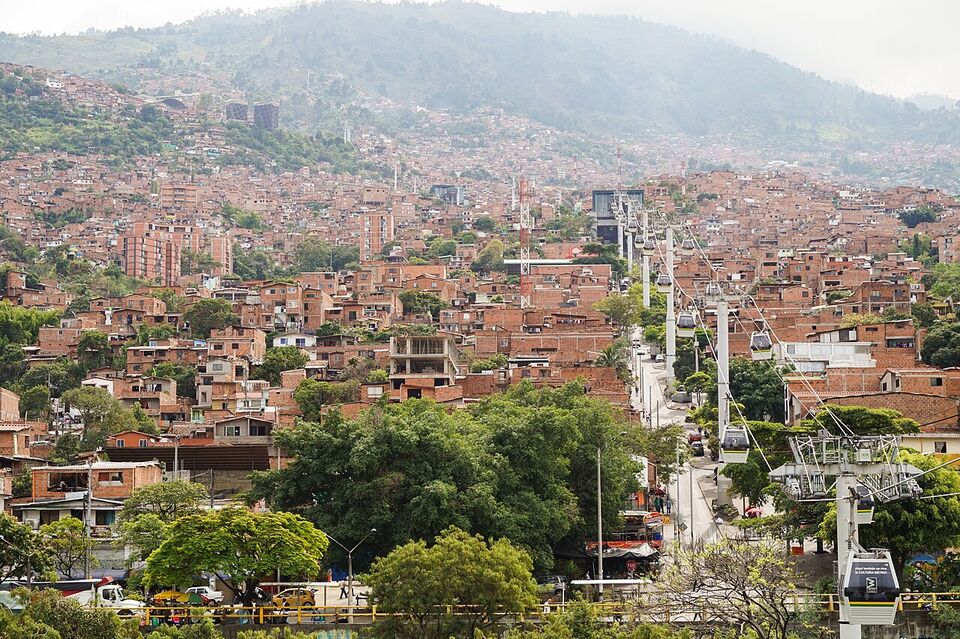
Metrocable is a set of gondola lines that climb from metro stations into hillside districts. There are six lines and 20 stations. Line K, which opened in 2004, is widely described as the first gondola line in the world run as ordinary public transit, and the system carried 22.5 million riders in 2025. Line L is the tourist-oriented line that continues to Parque Arví; see Medellín things to do for what to do there. On June 26, 2024, a cabin fell about 20 ft (6 m) after a collision, with only minor injuries reported; the incident is a reminder that these are working transit lines, not rides.
Fares and the Cívica card
Fares rose on January 10, 2026. A trip on the metro, tram, cable or Metroplús costs COP 3,820 (about $1.20) with the reloadable Cívica card, and COP 4,400 (about $1.30) for a single non-card ticket, according to a news report of the 2026 rates. City buses are COP 3,800 (about $1.15). The Metro's own site lists a tourist section with advice on using the system and on getting a Cívica card, and it publishes the fare tables; check it for any change since January. An extra fare applies on Line L to Arví, and we have not confirmed the amount.
If you plan several rides a day, a Cívica card saves money on every trip. Single tickets are fine for a one-off.
Watch out
Phones are the item thieves look for on the metro and in crowds. Hold yours inside the car with a hand over it, keep a bag in front of you in the rush hour, and do not photograph from open windows or station platforms on the hillside lines. This is routine for locals, not a sign of an unsafe metro.
Getting from the airport
José María Córdova International Airport (MDE) is not in Medellín: it is in the town of Rionegro, about 18 miles (29 km) southeast, on higher ground at 7,028 ft (2,142 m). The road trip is usually 45 minutes to an hour, longer at rush hour or in rain. A second, smaller airport, Olaya Herrera (EOH), sits inside the city and serves regional flights.
From the United States, the 2026 schedules list American from Miami, Avianca from Fort Lauderdale, Miami and New York-JFK (Orlando seasonal), JetBlue from Fort Lauderdale, United from Houston, and Frontier from Orlando starting December 10, 2026. Schedules change, so confirm with your airline; Flights covers the whole country.
Taxi, bus or booked car
- Official taxi: a taxi to the city was reported at about COP 118,000 (about $36) or more after a fare increase. The city sets airport fares, so pay only the amount posted at the taxi desk or shown on the receipt, and do not accept rides from people who approach you in the arrivals hall.
- Airport bus: a shared bus runs to the city; a local news report put the 2026 fare at about COP 20,000 (about $6). Check the posted fare and the drop-off point, which is usually a central point instead of your hotel.
- Prebooked transfer: your hotel or a licensed company can send a driver with your name on a sign. It costs more, but you know the price and the driver in advance, which suits a late arrival.
Whichever you choose, have your hotel's address saved in the maps app on your phone and in Spanish if possible.
Taxis, apps and getting around the city
For short trips inside the city, the metro is cheaper and more predictable than a taxi. For evenings and for places the metro does not reach, take a taxi called by your hotel or a restaurant, or a ride from an app. Ride apps are widely used, but their legal status is unclear, so ask your hotel which service it trusts.
Do not hail unmarked cars or accept a ride from a stranger. Agree on the fare or the meter before you get in, and check that the plate matches the one shown on your app or the one your hotel gave you. More about getting around the country is on Getting around.
Different from home
Colombians write pesos with a "$" sign, so in our text every peso amount starts with the peso code. See money for how prices are written.
Paisa culture and food
People from Medellín and the wider Antioquia region call themselves paisas, and they have a reputation for hard work, humor and a strong regional identity. The official visitor site even keeps a "paisa dictionary" (Diccionario paisa) of local words. You will hear parcero (pal) in the street, and usted used warmly even among friends. Spanish is the working language, and only a few tourist businesses use English, so a few phrases from Spanish phrases help.
The signature dish is the bandeja paisa ("paisa platter"), a very large plate of red beans cooked with pork, white rice, ground meat, chicharrón (fried pork belly), a fried egg, sweet plantain, chorizo, an arepa and avocado. One order usually feeds two modest eaters, and it is lunch food, not a light snack. An arepa is a corn cake that comes with many meals, and a tinto is a small black coffee. Many restaurants offer a set lunch at a modest price; check the board outside.
The city's annual Flower Festival (Feria de las Flores) takes place in August and is known for its parade of silleteros, farmers who carry flower arrangements on their backs. It was moved from May to August in 1958. Check the 2027 dates before you book a hotel only after checking the city's festival site. For more on Colombian food, see Colombian food and Colombian coffee.
Save money
Eat your main meal at midday from a set menu and take something light in the evening. In many restaurants a suggested tip of about 10 percent is added to the bill. It is voluntary, so check the bill and the service before you accept it.
Safety in Medellín, stated plainly
The US State Department's advisory for Colombia is Level 3: Reconsider Travel (as of November 2026), reissued March 31, 2026 with a natural disaster indicator. It cites crime, terrorism, civil unrest, kidnapping and natural disasters, and it says some areas have increased risk. Its warnings include drugging, extortion, kidnapping and armed break-ins. The advisory lists areas where it says not to travel at all; those lists change, so read the current text at travel.state.gov. Medellín and the Aburrá Valley were not in the short list of Level 4 areas that news reports gave in April 2026, but that list is second-hand, so confirm it yourself before you go.
Medellín's reputation for violence is old. The city's homicide rate has fallen by about 95 percent from its peak, and crime now varies sharply by neighborhood and is highest in poorer districts far from the center, according to a general reference source. That is a statement about the city's history, not a promise about any street, and what visitors are most likely to meet is theft and drugging, not violence.
Nightlife, drugging and dating apps
On January 10, 2024, the US Embassy in Bogotá issued a security alert after eight suspicious deaths of US citizens in Medellín between November and December 31, 2023, involving apparent involuntary drugging or suspected homicide. The alert said criminals use dating apps to lure victims to public places and then assault and rob them, and that the embassy had received similar reports from Cartagena and Bogotá. Drugging with scopolamine or benzodiazepines has been reported in nightlife zones such as Parque Lleras.
- Meet app contacts only in a busy public place by daylight, tell your hotel where you are going, and do not go home with someone you met online.
- Watch every drink being made, never leave a glass unattended, and do not accept drinks, cigarettes or food from strangers.
- If you feel suddenly drowsy, confused or unwell, leave with a person you trust, call the embassy or ask staff to call emergency services, and get medical help.
- Go out with a friend, share your location with someone at home, and arrange a taxi or app ride back before the night begins.
- Keep your phone out of sight on the street and carry only one card and a small amount of cash.
Drugs and the drug trade
Do not buy or carry drugs in Colombia. The country's cocaine trade has driven decades of violence, and it is the reason for much of the advisory's language. Street offers to tourists are a common first step to a robbery or a drugging, and a police stop for anything illegal is a trip-ending event for a foreign visitor. Some guided "narco tours" market Pablo Escobar's story as entertainment; many Colombians whose families were harmed by that violence find them offensive, and we do not recommend them.
Where to turn for help
Call 123, Colombia's national emergency number (police, ambulance and fire). US citizens can reach the embassy at (+57) (601) 275-2000 (Carrera 45 No. 24B-27, Bogotá), or the 24-hour line at +1-202-501-4444 from abroad. Register with the State Department's traveler program before you go, and read Safety and Is Colombia safe? for the full picture.
The law and the city's measures against sexual exploitation
Medellín has been the focus of public concern about sex tourism, including the exploitation of children and adolescents. Sexual exploitation of minors is a crime in Colombia. We could not confirm what rules the city has adopted, so check the "responsible tourism" (turismo responsable) section of the city's visitor site and the municipal government's notices.
What we can say plainly is this. Paying for sex with anyone under 18 is a crime, and a foreign visitor can face prosecution in Colombia and removal from the country. US law also lets prosecutors charge Americans for sexual conduct with minors abroad. Hosts and hotels may ask for ID from every guest and visitor, and many have rules about who can enter a room. These checks protect children and are not personal.
We give no tips on finding sex and we do not describe nightlife venues for that purpose. If you see a child being exploited, report it by calling 123 or telling your hotel manager. The same caution applies to adults: the US Embassy's 2024 alert linked dating-app contacts to robberies and deaths, and nothing about a transaction makes this safer.
Money, health and practicalities
The currency is the Colombian peso, and the site's rate is US$1 = COP 3,300 (rates move daily). Cards are common in the city, and you should carry some cash for small shops, market stalls and rural stops. ATMs inside bank branches or malls are the safer choice, and use them in daylight. Foreign visitors have often not paid VAT on hotel stays, but the rules were under review in 2026, so ask your hotel about it and bring your passport. See Money.
Medellín uses the same electricity as the US: 110 V, 60 Hz, with US-style plugs. Colombia Time is UTC-5 all year with no daylight saving, the same as New York in winter and one hour behind New York during US summer time.
For health, the CDC says there is no malaria transmission in the city of Medellín and that the yellow fever vaccine is generally not recommended for trips limited to Medellín, though it issued a Level 2 notice on October 16, 2026 for yellow fever in Colombia and lists a certificate as an entry requirement that you should check before departure. Many travelers drink bottled or filtered water; ask locally. The details are on Health and Entry rules, including the Check-MIG form you must complete before arrival.
How Medellín fits into a trip
Medellín pairs naturally with Guatapé (day trip), the coffee region (a short flight or a long bus ride south), Bogotá and Cartagena. Typical itineraries run three days in the city, with a fourth day for Guatapé and El Peñón, followed by the Zona Cafetera and then onward. Colombia is large and its mountain roads are slow, so use domestic flights for long hops; see Domestic flights.
In Medellín itself, a good first day takes the metro to the center for Plaza Botero and the Museo de Antioquia in the morning, then to a cable car in the afternoon. A second day covers Comuna 13 with a licensed local guide and a park. See Medellín things to do for the full plan, ticket notes and mistakes to avoid. Compare with Cartagena and Bogotá if you are choosing between cities.
Add it to a route in the trip builder, or ask us to plan the hotels, trains and guides for you.