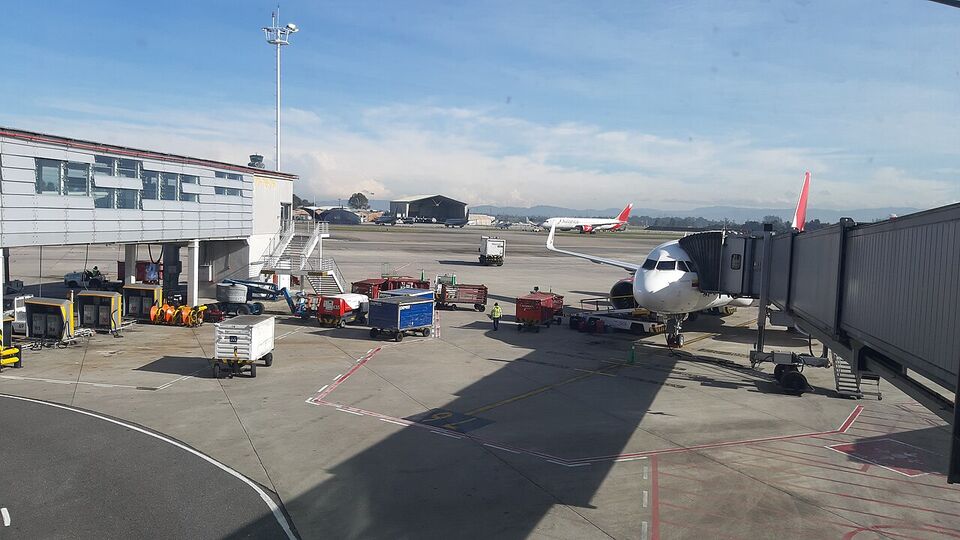
The short answer for Americans
US citizens do not need a visa to visit Colombia as tourists. As of November 2026, the stay on arrival is up to 90 days, and it can be extended to 180 days in total within a calendar year. Before you reach the migration desk, you fill in an online form called Check-MIG, which Migración Colombia (the national migration agency) asks you to complete from 72 hours to 1 hour before you travel.
That is the whole picture for a typical vacation. The rest of this page covers the details that trip people up: passport rules, what Check-MIG is and the fake sites that imitate it, what officers may ask, what to do at the airports in Bogotá, Medellín and Cartagena, what you can bring in, yellow fever, and the steps for coming home through US Customs and Border Protection (CBP).
The official Colombian sources are migracioncolombia.gov.co for entry rules and the Check-MIG form and cancilleria.gov.co (the foreign ministry) for visas. For your own government, see travel.state.gov. We could not open the foreign-ministry and State Department pages while preparing this guide, so the entry rules below follow Migración Colombia's own pages and a reference source, and we mark what we could not confirm. Rules change, so check the official sites close to your departure date.
Different from home
Colombia's online form is a pre-registration for the migration desk, not a visa and not an approval to travel. Having the form does not guarantee entry, and not having it can slow you down. Think of it as a data entry step you do yourself before the officer would otherwise ask the same questions at the desk.
Passport and stay
Passport validity
Bring a passport valid for your whole stay, and check your airline's rules for any longer requirement before you fly. We could not confirm a specific number of months from an official page. Airlines apply the rule at check-in and can refuse to board you, so it is worth a call or a look at the airline's travel documents page. If your passport is close to expiry, renew it before booking; in the US the State Department site has the steps.
Make sure the passport has blank pages for the entry stamp, and keep it somewhere safe, with a photocopy or photo stored separately from the passport itself.
How long you can stay
The rule for US citizens as of November 2026 is a visa-free stay of up to 90 days, extendable to 180 days in a calendar year. The officer decides how many days to give you at the desk, and that decision is the one that counts, so look at the stamp. We found this rule on a reference page (the official foreign-ministry pages did not open for us), so confirm it on cancilleria.gov.co before you book a long trip.
If you arrive in January and again in September, the 180-day limit is counted over the calendar year, not per visit. Keep track of the days you have used if you plan several trips in one year.
The two-step view
- Before you go: passport valid for your whole stay, return or onward ticket, Check-MIG filled in on the official site.
- At the desk: passport, boarding pass details, hotel address and a short conversation. Say how long you are staying and where.
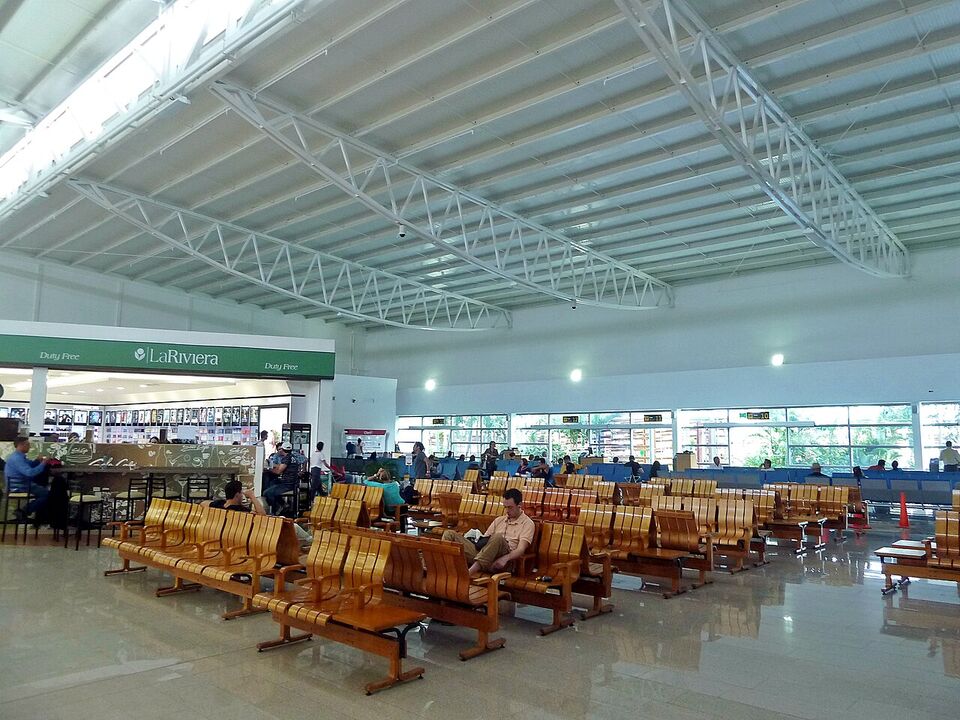
Check-MIG: what it is and how to file it
Check-MIG is Migración Colombia's online migration form. According to Migración's own pages, it lets travelers, Colombians and foreigners, entering or leaving the country, load their trip data in advance, and the agency lists it as required before you are seen at migration control. The page says it can be filled in from 72 hours before your trip until 1 hour before. It is not needed at land border posts.
Where to do it
Use the official address: apps.migracioncolombia.gov.co/pre-registro. Go there by typing the address or by following the link from migracioncolombia.gov.co, not by following an ad or a search result you do not recognize. The form has an optional face and iris check called BIOMIG. Using it is voluntary, and you can use the normal non-automated lane instead.
When to do it
Fill it in during the 72-hour window before you fly, ideally the day before, once you are sure of your flight and address. It also covers leaving the country, so check on the official page whether you need to file again for your departure and when.
Watch out
Several websites imitate the official form and charge a fee for filling it in. Migración's pages we read state no fee for Check-MIG, and the agency's service list says only "variable" for cost, so we cannot say the form is free. What we can say is this: type the official address yourself, and leave any site that asks for a card payment before you have seen the Migración Colombia name and the apps.migracioncolombia.gov.co address.
Why the rule matters, and why to recheck
Check-MIG rules have changed before, and older blog posts may give a different window. The 72-hour-to-1-hour window is what Migración Colombia's pages say as of November 2026. Because it can change, open the official page a few days before you fly and read it again.
Keep a record
Save the confirmation on your phone and, if you can, a screenshot or a printed copy. If a page asks you for a flight number, a hotel address or an address for your first night, have them in your notes before you start.
What officers may ask, and the onward ticket
Immigration at a Colombian airport is a short interview. Officers typically want to know your purpose of visit, where you are staying and how long. Answer simply and in line with what you put in Check-MIG: tourism, your hotel or first night's address, the number of days.
The onward ticket is the item people ask about most. We could not find a written rule for tourists in the sources we read, but airlines and officers may ask to see your onward or return travel, so carry it. An airline can refuse to board you if it fears being fined for carrying a passenger without proof. A flight home or a ticket to another country both work as proof. If your plan is open-ended, such as a long trip with a bus to Ecuador at the end, speak to your airline before the trip, and read our page on adding Panama, Ecuador and other neighbors.
Spanish is not required at the desk in the big airports, but a few words help, and our Spanish phrases page has them.
Arrival steps at the three main airports
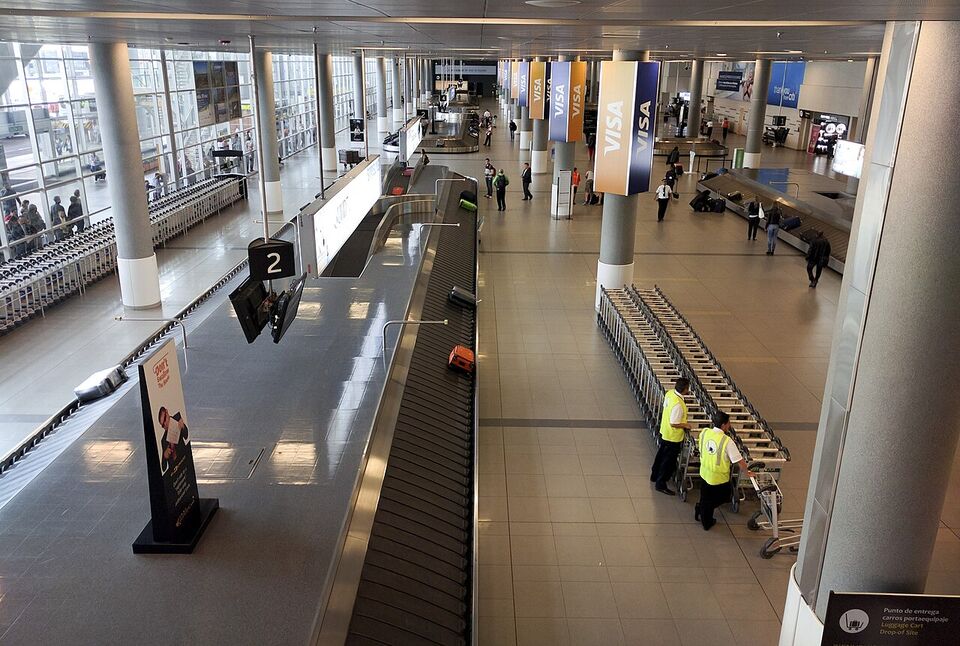
The order is the same everywhere: passport control, baggage claim, customs, then the arrivals hall. Differences are in the setting. Our flights page covers routes, and buses, taxis and apps covers the ground side.
Bogotá, El Dorado (BOG)
The airport is high up, so your body will feel the altitude. Walk slowly and drink water. Use the official taxi desk or a pre-booked transfer; we did not confirm current taxi fares, so ask for the price before you go. The airport's call center is +57 (601) 266 2000.
Medellín, José María Córdova (MDE)
The airport sits in a different town at about 7,028 ft (2,142 m), and the road to Medellín usually takes 45 minutes to an hour. A taxi was listed at about COP 118,000 (about $36) or more, and an airport bus at about COP 20,000 (about $6). Confirm at the desk, because fares are set by the city.
Cartagena, Rafael Núñez (CTG)
You step from air-conditioning into tropical heat, so carry water and sunscreen in your day bag. Use an official taxi desk or a booked transfer, and agree the fare before you get in.
All three airports have taxi desks that sell a fixed fare; use them over offers from people who approach you inside the terminal. See safety for general precautions, including registered taxis and apps.
Customs: what you may bring into Colombia
Colombia's customs agency is DIAN (dian.gov.co). We could not confirm the duty-free allowances, the amount at which cash must be declared, or the rules for drones from official pages, so we leave the figures out. Here is how to approach it:
- Personal items. Clothes, camera, phone and laptop for your own use are routine. Keep receipts for expensive gear and be ready to say you are taking it home.
- Cash. Large sums of money are normally reported at borders. Check DIAN and the Banco de la República for the current threshold and form before you carry a large amount.
- Food, plants and animals. Colombia's agriculture agency (ICA, ica.gov.co) controls what plant and animal products can enter. Leave fresh meat, fruit, plants and seeds at home.
- Drones. Drones are regulated by Aerocivil and local rules, and flying near airports, parks and military zones can be restricted. Check Aerocivil and the park authority before you pack one.
- Medicines. Carry prescription medicine in its original container, with a copy of the prescription.
- Illegal drugs. Colombia treats drug offenses seriously, and the US government warns travelers about the risks, including drugged drinks. Do not carry or buy drugs. See our calm answer on safety.
Keep your customs form if you are given one, and keep your bag tags until you leave the hall.
Health entry rules and yellow fever
This is the part most likely to surprise a US traveler, and it is one that is moving. The CDC raised a Level 2 notice, "Practice Enhanced Precautions," for yellow fever in Colombia on October 16, 2026, saying that more cases had been reported. Its recommendation is the vaccine for travelers aged 9 months and older. The exceptions are trips limited to Barranquilla, Cali, Cartagena or Medellín, trips limited to areas above 7,550 ft (2,300 m), San Andrés and Providencia, or Bogotá.
The CDC page also lists a country entry requirement: a yellow fever vaccine certificate for all arriving travelers aged 1 year or older, updated July 9, 2025, and subject to change. The Migración Colombia pages we read do not mention it. Because we could not settle which is right, we suggest you ask Colombia's health ministry (minsalud.gov.co) and your airline whether you need the certificate, and carry it if you have it. At Tayrona National Park, the park authority says the certificate will not be demanded at the entrance but vaccination is recommended.
Plan this early: see a travel clinic or doctor well before your trip, because vaccination needs to be done before you travel. Our health and altitude guide has the rest, including malaria (not present in Bogotá, Cartagena or Medellín, according to the CDC, with prevention advised for areas below 5,600 ft / 1,700 m) and dengue.
Extensions, and what an overstay does
If you want to stay past 90 days, apply to Migración Colombia before your permitted stay ends. Migración lists an online extension service with a general fee of COP 143,000 (about $43) and a processing time of three business days; the page lists exceptions in a table, and its payment page accepts only Visa and MasterCard. Check your own case with the agency, since it applies to holders of a valid entry permit, and see our long stays guide if you plan several months.
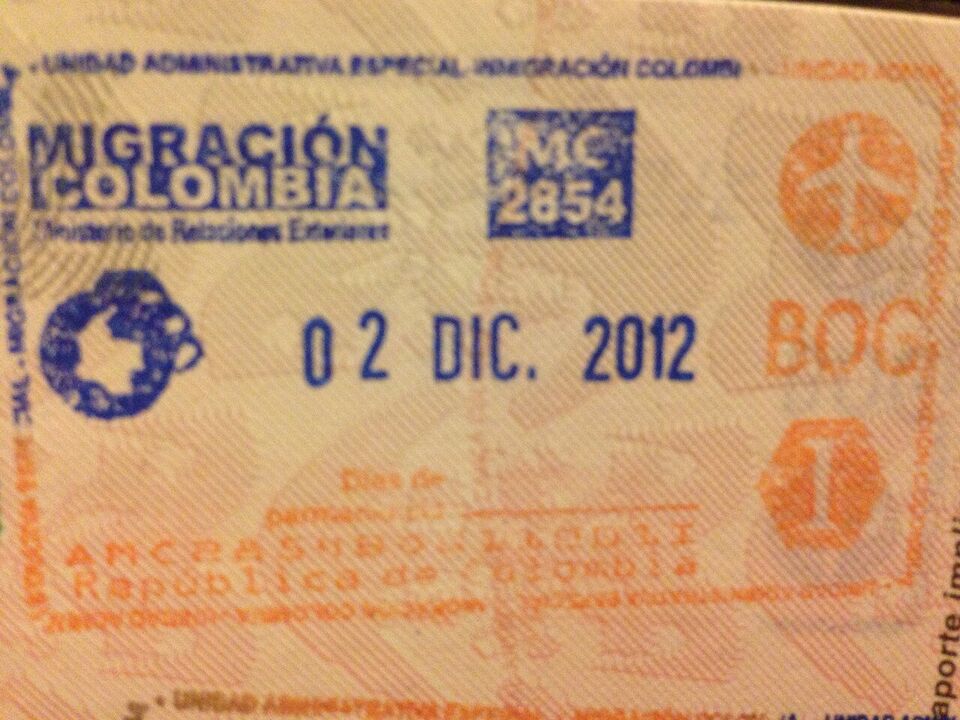
Total time in Colombia as a tourist is limited to 180 days in a calendar year. We do not state penalties for overstaying because we could not confirm them from official pages, but overstaying a permitted stay is a mistake to avoid: it can mean fines and trouble leaving or returning. If you are near the limit, go to the Migración office early, not on your last day. Migración Colombia has offices in the big cities; the agency's site lists appointments, and one notice we saw said there were no appointments in Bogotá and Chía on November 6, 2026.
Insider tip
Keep a note on your phone with the date of your entry stamp and the number of days given. Count the days from the stamp, not from the day you planned to arrive, in case a flight delay moved your arrival to a different date.
Coming home: the US side
Customs and CBP
US residents returning from abroad have an $800 personal duty-free exemption, which you can use once every 31 days and only after at least 48 hours abroad. Tobacco within the exemption is limited to 200 cigarettes and 100 cigars. Alcohol beyond the free allowance is dutiable. See CBP's customs duty information and its list of prohibited and restricted items for details.
- Coffee and tea. Coffee, tea, honey, packaged spices, oils and vinegars are generally admissible. Rice is discouraged. Meat products, including soup mixes and bouillon, are not admissible.
- Fruit and vegetables. Admissibility depends on the type and where it came from. Declare all food and plant items rather than guess. Our shopping and taking things home page has more.
- Jewelry and gemstones. Declare gemstones and jewelry at customs and keep your receipts.
- Cash. Large sums of cash must be reported at the border; check CBP's money page for the current rule.
Enroll in STEP
The Smart Traveler Enrollment Program (STEP) is the State Department's program for US citizens abroad. Enroll your trip through travel.state.gov so the US Embassy can reach you in an emergency. The embassy in Bogotá is at Carrera 45 No. 24B-27, Bogotá, D.C., phone (+57) (601) 275-2000, and lists a Consular Agency in Barranquilla. For US citizens in an emergency, the State Department's line is +1-202-501-4444 from abroad and +1-888-407-4747 from the US and Canada. Colombia's national emergency number is 123.
What changed in 2026
If you read a blog or forum post from a year or two ago, check it against what is below. These are the changes we could confirm in November 2026, and the things we could not.
- Check-MIG window. Migración's pages say 72 hours to 1 hour before travel. Older reports describe a different window.
- Yellow fever. The CDC's Level 2 notice dates from October 16, 2026, so it is new. The entry-certificate question is open (see the health section).
- State Department advisory. The advisory for Colombia is Level 3: Reconsider Travel (as of November 2026), reissued March 31, 2026 with a natural disaster indicator added. Check travel.state.gov for the current list of areas.
- Payment cards. Migración's online payments accept only Visa and MasterCard, not American Express or Diners Club.
- New flights. Frontier and United start new routes from US cities in December 2026; see flights.
- Still open. Passport validity, the onward-ticket rule, Check-MIG's cost and the yellow fever certificate: check the official sources above before you fly.
Common mistakes to avoid
- Using a fake-helper website. The only address is apps.migracioncolombia.gov.co/pre-registro.
- Filing Check-MIG too early or too late. The window is 72 hours to 1 hour before the trip.
- Arriving with no onward ticket. Carry proof of return or onward travel.
- Overstaying. Count the days from your entry stamp, and apply for an extension in time.
- Skipping health planning. Ask about yellow fever early, since vaccination takes lead time.
- Carrying drugs or fresh food through customs. Both can cause serious trouble; declare food on the way home.
- Going by memory. Rules change, so read the Migración and State Department pages a week before you fly. Our planning hub has the full timeline.
Add it to a route in the trip builder, or ask us to plan the hotels, trains and guides for you.