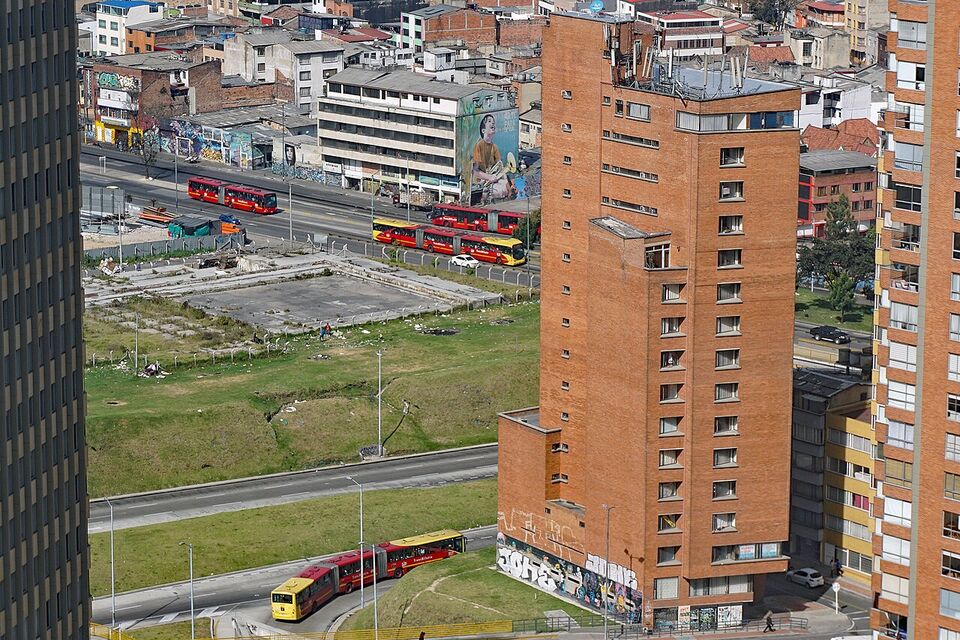
Overview: how most visitors move around
Colombia is a mountain country, and the mountains decide how you travel. Most Americans fly between regions (Bogotá to Cartagena, Medellín to Santa Marta), use ride apps, hotel cars or registered taxis inside cities, and take a bus only for a short daytime hop. Roads exist everywhere, but they twist through three Andean ranges, so distances on a map mislead. Plan on slow, and book the long legs by air. Our domestic flights guide covers that side in detail.
This page covers the ground: taxis and apps, city metros and buses, intercity buses and their risks, driving, and the safety routine. Prices are 2026 figures where an official or news source gave them, and "check before you go" where it did not. Fares change every January in most cities, and strikes or landslides can change a plan overnight, so look at the operator's page the day before a long trip. For the rest of your planning, start with the trip planner and the regions guide.
One note on prices: our text writes pesos with the code before the number and a comma for thousands, at about COP 3,300 to the US dollar. See our money guide for how prices are written on signs.
Modes by situation
Use this table to choose quickly. Each mode is explained below.
| Situation | Best mode | Why | Watch for |
|---|---|---|---|
| Between far regions (Bogotá, Cartagena, Medellín, Santa Marta) | Domestic flight | Hours instead of a day or more by road | Baggage fees on low-cost fares; check each airline |
| Airport to hotel | Official airport taxi desk or a booked transfer | Fixed or metered, registered, no negotiating | Touts inside the terminal |
| Short city trips, evening or night | Ride app or a car your hotel books | Trip details are recorded and you can share them | Confirm plate and driver photo before getting in |
| Daytime city trips on a planned route | Metro, TransMilenio, Transcaribe, MIO | Cheap and not stuck in traffic on dedicated lanes | Crowds and pickpockets at rush hour |
| Medellín to Guatapé, Bogotá to Zipaquirá, coffee region hops | Daytime intercity bus, van or tour | Frequent departures, low cost | Landslide delays; buy tickets only at the terminal or the company |
| Rural areas, national parks, villages | Hired driver, tour, local jeep | Roads are narrow and signs are few | Agree the price and pickup time before you go |
| Self-drive road trip | Rental car, only with experience and slack in your schedule | Freedom in the coffee region or around Villa de Leyva | Tolls, closures, plate-based restrictions, nighttime hazards |
City taxis and ride apps
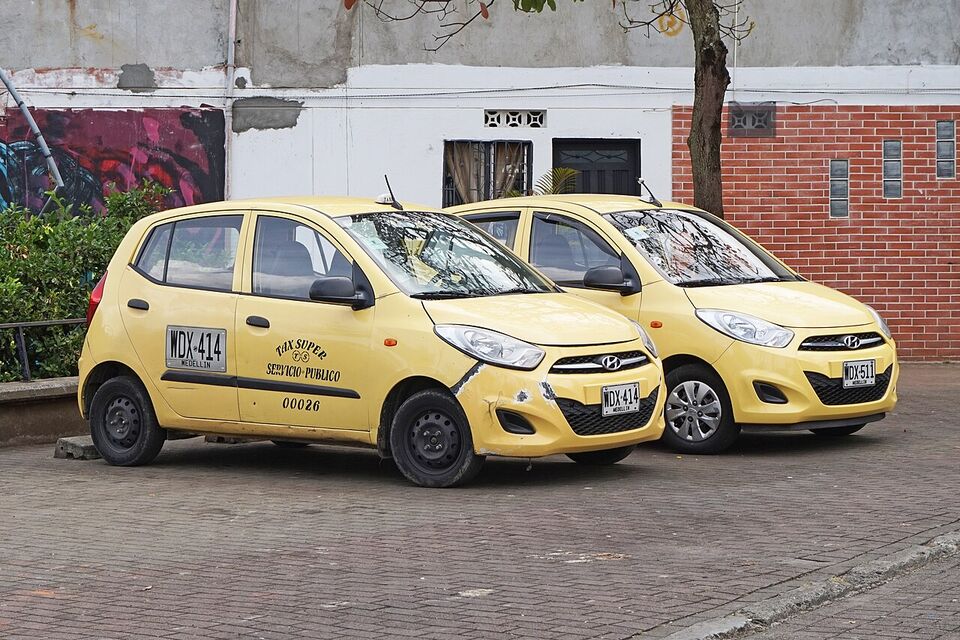
A taxi (the yellow cars you will see in every big city) is a normal way to get around, and fares are usually set by each city. In many cities a meter runs, and in some places the driver shows a fare card or a sheet of surcharges, such as a supplement for the airport, night or holidays. The part that surprises Americans: the meter reading is not always the price in pesos you pay. Some cities convert meter "units" into a fare using a table, and the driver may show it. If the fare is unclear, ask before you start and agree on a number. Spanish helps; our Spanish phrases page has the basics.
Ride apps (Uber, DiDi, inDrive, Cabify and local ones) are widely used in the big cities. Their legal status is unclear, so we make no claim either way, and we suggest you ask your hotel which app staff use. Practical points that come up often:
- Check the plate, car and driver photo in the app before you get in, and ask the driver the name of the passenger he is collecting.
- Some drivers ask you to sit in the front seat or to say you are a friend if anyone asks. That is the driver's choice, and it is a reminder that the situation is a gray area.
- Apps show the fare before you ride (or, with inDrive-style apps, you negotiate it in the app), which helps with the "tourist price" problem. Surge pricing applies at rain, rush hour and late night.
- Pickup points matter. At airports and malls, the app may tell you to walk to a different spot. Follow it, and do not accept a driver who is waiting somewhere else.
- Use the share-trip feature so a friend or your hotel can see your route. Do it every night ride.
- Credit cards sometimes fail. Keep small bills in pesos as a backup, and ask whether the driver takes cash before you set off.
Watch out
Do not hail taxis on the street at night, especially in Bogotá, Medellín and Cartagena. The US advisory for Colombia (Level 3: Reconsider Travel, as of November 2026) names crime, kidnapping and drugging among its concerns. Use an app, a hotel-booked car or a taxi called by a restaurant, and share the plate number with someone. See our safety guide for the full advice.
Airport transfers and the registered-taxi routine
Every big airport has an official taxi desk or a marked line with a ticket system. Use it. The routine is simple: go to the desk, say your hotel or neighborhood, receive a printed slip with the plate number and the fare or meter rule, hand the slip to the driver and keep your copy. Do not accept rides from people who approach you inside the terminal or just outside.
Fares to expect (all hedged, because airports and cities update tariffs):
- Medellín: José María Córdova Airport is in Rionegro, about 18 miles (29 km) southeast of the city, usually 45 minutes to an hour by road. A taxi cost about COP 118,000 (about $36) in a 2025 headline, so expect that or more. A shared airport bus (combus) was reported at about COP 20,000 (about $6) for 2026. Confirm both at the taxi desk or the bus counter.
- Bogotá and Cartagena: we have no confirmed fare, so we leave it out. Use the official desk, an app pickup at the designated spot, or a transfer your hotel books, and ask the hotel for a price in advance.
Bogotá's El Dorado is at 8,360 ft (2,548 m). If you arrive on a long flight, the first few hours at altitude can bring a headache, so skip the heavy walking at first. See our Bogotá guide and health guide.
Metros and city bus systems
Several cities have mass transit that visitors can use. The general rule: buy or load a rechargeable card, travel outside peak hours, keep your bag in front of you and check the operator's own site for current fares.
Medellín Metro
The Metro, the Metrocable cable cars, the tram and the Metroplús buses form one integrated system, with a Cívica card at COP 3,820 (about $1.20) a ride since January 10, 2026, and a one-time ticket at COP 4,400 (about $1.30). Line L, the cable car to Parque Arví, charges an extra fare; check metrodemedellin.gov.co. See our Medellín guide.
TransMilenio, Bogotá
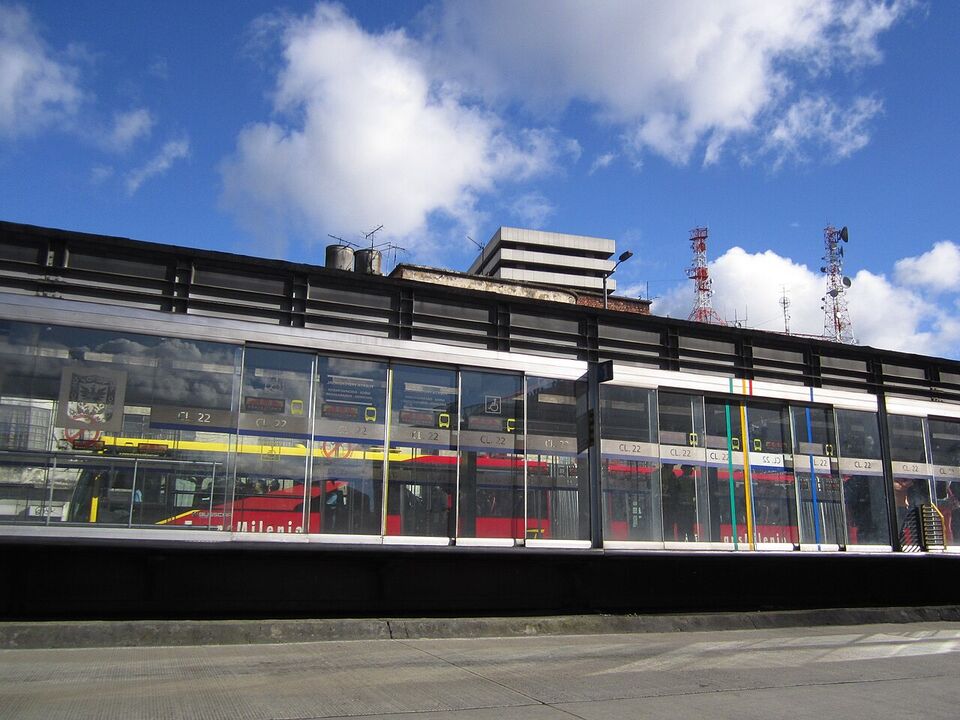
TransMilenio, TransMiZonal and TransMiCable cost COP 3,550 (about $1.10) a ride from January 14, 2026. Free transfers within 125 minutes only work with a personalized TuLlave Plus card; a TransMiPass costs COP 160,000 (about $48) for 65 trips. It is fast on its own lanes but can be packed, and Bogotá's first metro line is expected to open in 2028 (reference source), so do not plan around it. See our Bogotá guide.
Transcaribe, Cartagena
Cartagena's mass-transit system has run since 2015, but most visitors stay in the walled city and Getsemaní, which you walk, and use a taxi or app for farther places. Check transcaribe.gov.co for routes and fares. See our Cartagena guide.
MIO, Cali
Cali's MIO system connects the city, with other buses filling the gaps. Visitors tend to use apps and taxis, and the MIO is worth a look only for a specific route. See our Cali guide.
Colombia's smaller cities have small buses (busetas or colectivos), often marked with the route on the windshield, and you pay the driver in cash. Learn the name of your stop and ask a passenger to tell you when to get off. Medellín's city buses cost COP 3,800 (about $1.15) in 2026, per a January news report.
Different from home
Public transport is a rechargeable-card system, not a pay-by-credit-card tap. Cards are sold at stations and you may need to buy one at a counter before you can ride. If a machine takes only cash, bring small bills. TransMilenio also publishes a page on traveling with pets, relevant to our pets guide.
Intercity buses
Buses connect almost every town. They are the cheapest way to cover ground and are fine for daytime hops, but they are slow on mountain roads, and road closures can add hours. Large cities have a main bus terminal (terminal de transportes) with ticket counters for several companies. Bogotá and Medellín have more than one terminal, so ask your hotel which one serves your route. Cartagena has a terminal connecting the city with the rest of the coast. Check the terminal's own website for current departures, as companies and platforms change.
Classes and how to buy
- Large coaches: long-distance, often air-conditioned, with reclining seats. Air conditioning can be strong, so carry a layer.
- Vans and minibuses: faster over short routes, leave when full, sometimes cramped.
- Local buses (busetas): very cheap, slow, no luggage space.
Buy tickets at the terminal or from the company's own site, not from touts who approach you outside. We have no confirmed fares or timetables, so we leave them out; the terminal sites and company counters are the source. Luggage goes in the hold with a claim tag. Keep your valuables with you. Coastal bus times between cities such as Cartagena and Santa Marta vary, and we recommend you check the day before.
Night buses and their risks
Overnight buses exist on long routes. We do not recommend them for first-time visitors, for several reasons that are practical rather than dramatic: the roads are curvy and often two-lane with heavy trucks, drivers can be tired, landslides or protests can strand a bus for hours, and you may arrive at a terminal at 4 a.m. with no good way into the city. If you do take one, choose a reputable company, sit away from the door, keep your phone and passport on you, and pre-arrange a pickup. A daytime bus, a shorter leg or a flight (see domestic flights) is usually better value for your time and nerves.
Roads, closures and why drive times are long
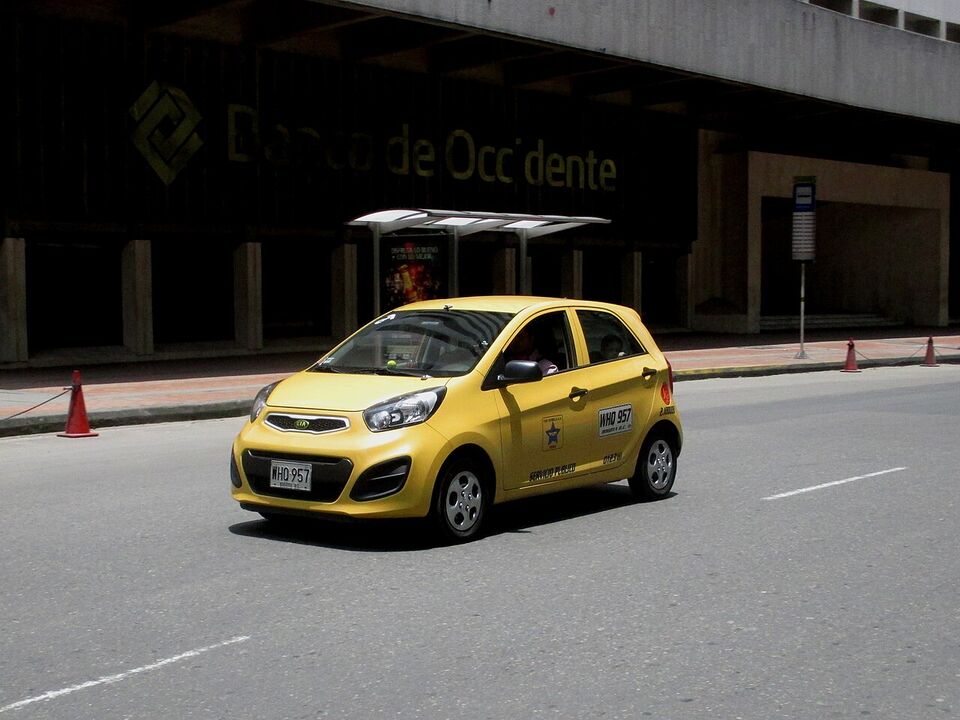
Colombia's roads cross the Andes, with steep climbs, hairpin curves, trucks and rain. A 100-mile (160 km) trip that takes two hours at home can take four to six here. In the rainy months landslides (derrumbes) and flooding close sections without warning. Colombia is also in the middle of a strong El Niño, per IDEAM on November 12, 2026, which forecasts less rain and higher temperatures into early 2027, but a dry spell does not guarantee clear roads.
Because plans change, check the current status of your route before you set out: ask your hotel, your bus company or the national roads agency (ANI, and the Instituto Nacional de Vías, INVIAS). We cannot list current closures, and we recommend you raise this with your driver or tour operator the day before. Holiday weekends add traffic; the next is the long weekend ending Monday, November 16, 2026 (Cartagena independence holiday, observed). December 8 (Tuesday) and December 25 (Friday) are holidays too. Return trips on the last day of a long weekend are the slowest.
Tolls (peajes) are common on main roads and are paid in cash or with a tag. Toll rules and prices have been changing in 2026 and we could not confirm the current system, so ask your rental company what applies, and carry small bills.
Renting a car, and why many visitors do not
You can rent a car at airports and in cities, and some visitors do it for the coffee region or Villa de Leyva, where distances are short. Most first-timers skip it. The reasons: city driving is aggressive and motorbikes weave around you, mountain roads are slow and sometimes unlit, closures and tolls surprise you, signs can be few, and a breakdown in a remote area is harder to solve than at home. Parking is also an issue; hotels in the old centers often have none. A driver for a day costs less effort than it seems.
If you do rent:
- Book with a well-known company and read the insurance terms, including what your US credit card covers. We have no confirmed rule on US licenses, so ask the rental company what it requires, and carry your passport.
- Drive in daylight, fill up before long stretches, and keep to the main roads.
- Note the plate-based driving restriction (pico y placa): most big cities limit private cars by the last digit of the plate on certain days and hours, and the rule changes. Ask the rental company for the current schedule for your plate and city, or check the city transport office (Bogotá's Secretaría de Movilidad, Medellín's Secretaría de Movilidad). Fines apply.
- Do not leave bags visible in the car, and never leave anything in an unattended vehicle.
Insider tip
For a day in the coffee region, hire a driver or join a tour rather than renting for the whole trip. Our coffee region guide explains the base towns and the local Willys jeeps.
Domestic flights as the main intercity tool
For most itineraries, a flight is the practical choice. The domestic carriers on the 2026 airport lists are Avianca, LATAM Colombia, JetSMART Colombia, Wingo, Clic and SATENA. Viva Air stopped flying in February 2023. Low-cost fares often exclude checked bags and sometimes carry-ons, so compare the full price. Check each airline's page for baggage rules and schedules, which change often. Our domestic flights guide and flights from the US guide go deeper.
Leave plenty of margin if you connect to an international flight, and arrive early at airports. Colombia Time (UTC-5) has no daylight saving, so schedules do not shift when the US clocks change.
Save money
A flight can save a hotel night and a day of bus travel. When two options are close, count the nights and meals you save, not just the ticket price. Also avoid booking a tight connection on the last leg home.
Safety rules for getting around
The biggest risks in transport are drugging, robbery and unlicensed or unmarked cars, and they are mostly avoidable. These rules are practical, not a statement that any city is safe or unsafe; the US State Department lists Colombia at Level 3: Reconsider Travel (as of November 2026), with some areas at Level 4, so read travel.state.gov for the current list.
- Use apps or hotel-booked cars after dark; do not hail street taxis at night.
- Share your ride (plate, driver, route) with someone before you move.
- Do not accept a drink or food from a stranger or a driver, and be cautious about dating-app meetups. The US Embassy issued an alert on January 10, 2024 about suspicious deaths of US citizens in Medellín and robberies linked to dating apps.
- Keep your phone out of sight near an open taxi window, and carry only the cash and card you need.
- Keep a photocopy or photo of your passport, and leave the original in the hotel safe on city days if the hotel offers one (carry ID as your hotel advises).
- If something goes wrong, call 123 for emergencies in Colombia, and the US Embassy at +1-202-501-4444 from abroad.
Our safety and is Colombia safe pages give more context.
Common mistakes and a quick plan
- Trying to cover too much by road. Pick fewer bases and fly the long legs.
- Booking a night bus to save a hotel night, then arriving exhausted before a check-in time.
- Accepting a taxi at the airport arrivals curb instead of the official desk.
- Assuming you can pay with a card on public transport. Bring cash for small buses.
- Skipping the plate-restriction check when renting a car.
- Not checking road closures and weather the day before.
A simple rule: use flights between regions, apps and booked cars in cities, metros for daytime routes you have mapped, and buses only for daytime hops. Then check the official sites listed below for current fares and notices before each leg. Where you stay also changes how you move: see where to stay.
Add it to a route in the trip builder, or ask us to plan the hotels, trains and guides for you.