How to use this guide
Portugal is a small country with very different regions, so the best place to go depends on what you want to do. This page is a hub. It lists common trip types, tells you which regions suit each one, points you to the pages to read next, and gives a short, honest note on the trade-off. If you are not sure where to begin, start with our trip planning guide and the destinations overview, then come back here to refine.
A first trip often combines three things: a capital (Lisbon), a second city (Porto) and one extra region for your interest. The table below gives the quick answer for each type of trip. The sections after it explain the choices and the trade-offs in more detail.
Trip types at a glance
| Trip type | Regions to choose | Pages to read | Honest trade-off |
|---|---|---|---|
| History and architecture | Lisbon, Sintra, Coimbra, Évora, Braga and Guimarães, Óbidos | Lisbon sights, Sintra, Coimbra, Évora, Braga and Guimarães | Timed tickets and crowds at the big sights; steep streets in old towns |
| Tiles and art | Lisbon, Porto, Coimbra | Lisbon sights, Porto sights, shopping | Many tile sights are free to see from outside; some interiors need a ticket |
| Food and wine | Lisbon, Porto, the Douro Valley, the Alentejo | Food, wine, Douro Valley | Driving and tastings do not mix; plan a driver, train or boat |
| Beaches | The Algarve, the Lisbon coast, the islands | Beaches, Algarve, Lagos | The Atlantic is cool; the Algarve is busy in July and August |
| Surfing | Peniche, Ericeira, Nazaré, the west Algarve | Surfing, Óbidos and Nazaré | Winter has the biggest swell and the coldest water; beginners need a school |
| Hiking and levadas | Madeira, the Azores, the Alentejo coast | Madeira, Azores | Madeira's classified trails need online booking; weather changes fast |
| Golf | The Algarve, the Lisbon and Cascais area, Madeira | Golf, Algarve | Green fees and tee times vary by season; check each club |
| Pilgrim walks | Lisbon or Porto to Santiago; Fátima | Camino Portugués, Óbidos, Nazaré and Fátima | Heat in summer; road and cobble sections are hard on feet |
| Families | Lisbon, Cascais, the Algarve, Madeira | Families, beaches | Hills, cobbles and late dinners; plan slow days |
| Couples | Sintra, the Douro, Porto, the Alentejo, Madeira | Douro Valley, where to stay | Popular romantic spots fill up in high season |
| Solo | Lisbon, Porto, Coimbra, the Algarve towns | Safety, Lisbon neighborhoods | Pickpockets in crowded areas; hills make late walks tiring |
| Accessible travel | Modern parts of Lisbon and Porto, Algarve resorts, coach and train routes | Trains and buses, where to stay | Hills, cobbles and steps are the main barrier; ask venues directly |
| Budget | Porto, Coimbra, the Alentejo, the north, off-season Algarve | Budget calculator, money | Lisbon and the Algarve in summer cost more |
| Luxury | Sintra, the Douro, Lisbon, the Alentejo, Madeira | Where to stay, wine | Top rooms book far ahead for summer and harvest |
| Winter sun | The Algarve, Madeira | January, when to go | Rain, wind and cool sea; mild is not beach weather |
| Long stays | Lisbon, Porto, the Algarve, the Silver Coast | Long stays and visas, entry rules | The 90-day limit and paperwork need early planning |
| Cruises | Lisbon, Leixões (Porto), Madeira, the Azores, the Douro | Cruises | A port day gives you a few hours; add nights before or after |
| Pets | Pet-friendly towns and hotels in any region | Pets | Paperwork and airline rules take weeks to arrange |
History, architecture, tiles and art
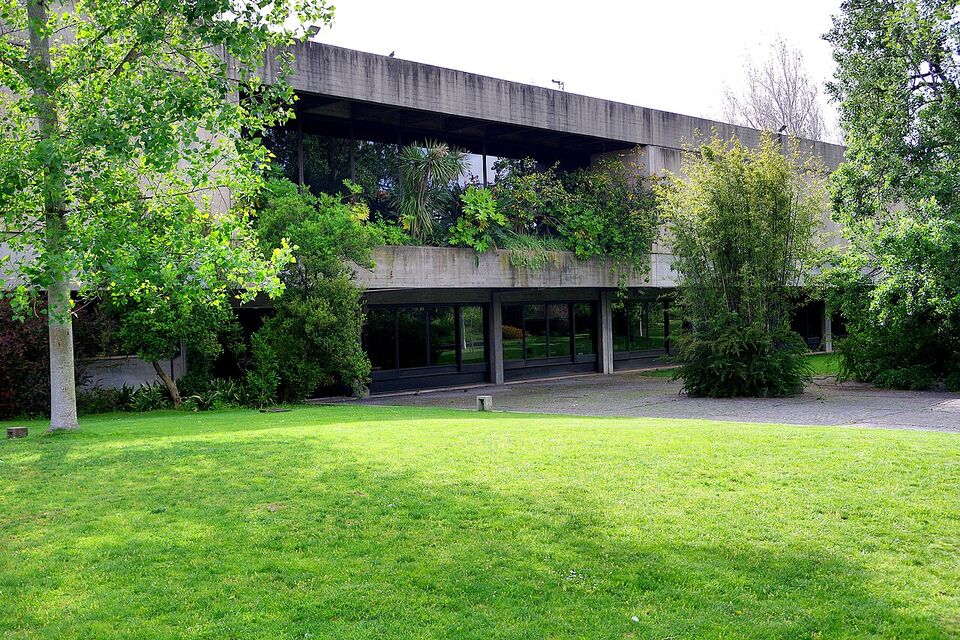
Portugal packs a lot of history into a small area. From a Lisbon base, you can reach the Jéronimos Monastery and Belém Tower, the Pena Palace and other palaces of Sintra, and the old center of towns on day trips from Lisbon. Going north, Coimbra has Portugal's historic university, and Guimarães and Braga carry the "birth of Portugal" story. In the south, Évora has a Roman temple and a walled city. The central coast adds the walled village of Óbidos.
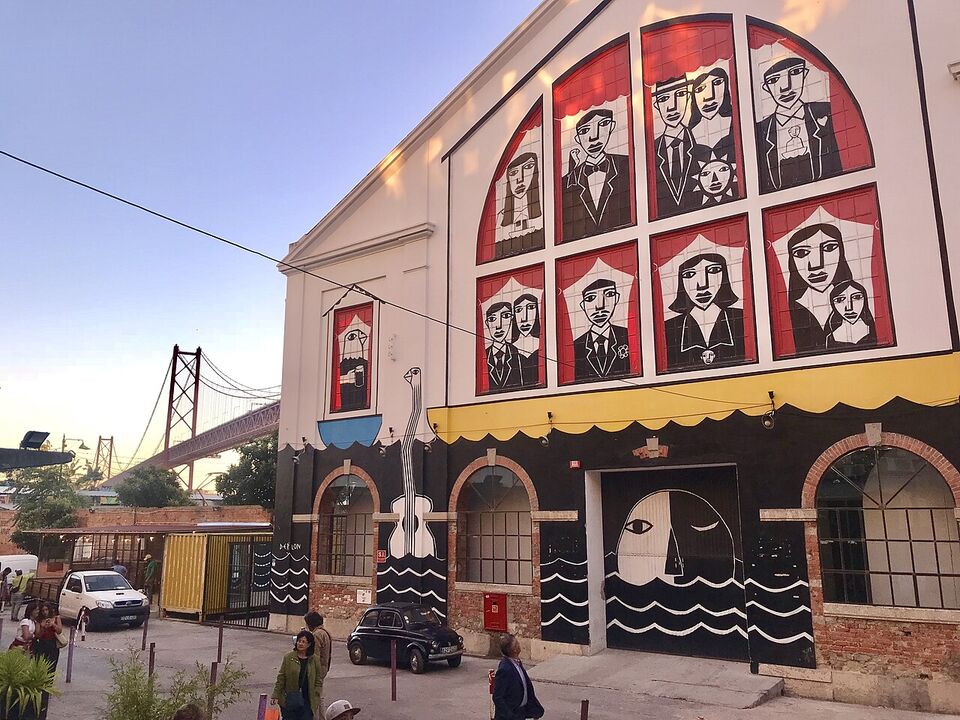
Tiles (azulejos) are the art form that ties the country together. You will see them on church interiors, station halls, house fronts and in museums. Lisbon and Porto are the best bases, and you can combine them with a stop in Coimbra if you take the train. See our Lisbon and Porto sights guides for specifics, and shopping and taking things home if you want to buy a tile.
The trade-off: the famous sights are popular, and several of them use timed tickets. In Sintra, the Pena Palace palace entry is only at a booked date and time, and private cars are not allowed to Pena. Lisbon's historic funiculars and the Santa Justa Lift are not carrying passengers, so plan your hill routes without them. Old towns have steep streets and rough cobbles. Fado is part of the cultural picture too: see our fado guide.
Food and wine
Food is a reason to come in itself. Lisbon and Porto have the widest choice of restaurants, from tavern lunches to modern kitchens. The food guide explains the dishes, the couvert (bread, olives, butter and cheese put on the table and charged only if you eat them) and meal times. Wine travelers should read the port and wine guide, then choose between the Douro Valley (terraced vineyards, port, river views) and the Alentejo (cork oaks, hearty food and reds).
The trade-off: the Douro and Alentejo are easier with a car or a driver, but a day of tastings and a rental car do not mix. Use a tour, a train, a boat or a driver on tasting days. Late dinners are normal, and many restaurants open for dinner around 7 p.m. or later (hours vary). For paying, cards and tipping, see money in Portugal.
Beaches, surfing and the sea
For swimming, the Algarve is the first choice: sheltered cliff coves, long sands and the warmest water on the mainland, about 72°F to 75°F (22°C to 24°C) in August and September at Faro. In winter it is about 61°F to 63°F (16°C to 17°C). The Atlantic coast near Lisbon is cooler: about 61°F (16°C) in winter and about 68°F (20°C) in August. See the beaches guide, and Lagos and the West Algarve for the cliffs and sea caves.
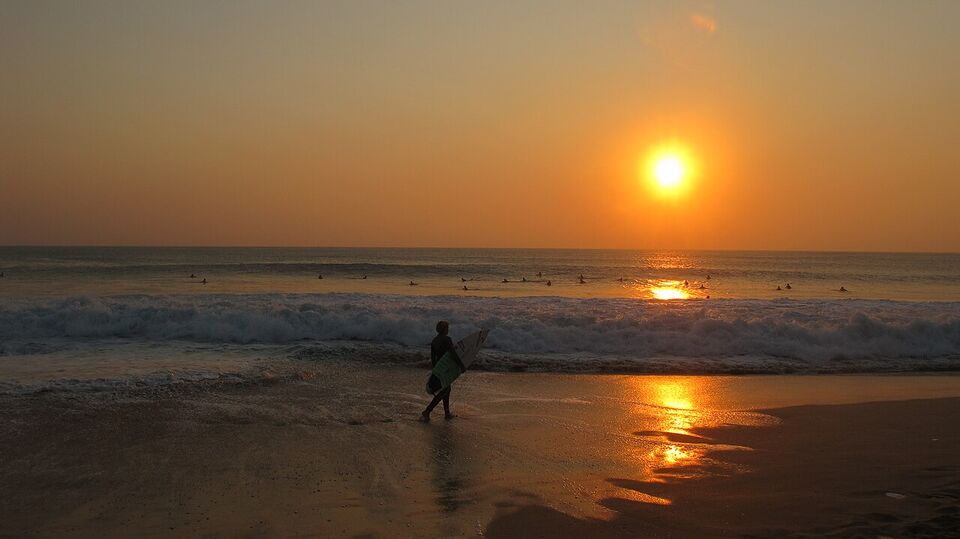
Surfers should read the surfing guide. Peniche, Ericeira, Nazaré and the west Algarve are the main areas, and the best swell is generally in the cooler months, which also means colder water and bigger waves. Beginners should take lessons with a school, because Atlantic currents and shore breaks are not like a calm gulf beach.
The trade-off: the Atlantic is cool, even in summer, and the Algarve in July and August is crowded and more expensive. September and October are often a better balance of warm water and fewer people. For more about timing, see when to go.
Hiking, the levadas and the Camino
Madeira is the best-known walking destination. Its levadas (irrigation channels with paths beside them) lead through forest and mountains. Since January 1, 2026, classified PR trails need a mandatory online booking, with a 30-minute entry slot, and a fee of €4.50 (about $5) per trail. Trail status changes daily, so check visitmadeira.com for open and closed trails before you go. The Azores have crater lakes, coastal paths and green hills, and they are one hour behind Lisbon time.
For a long walk, the Camino Portugués runs from Lisbon or Porto to Santiago de Compostela in Spain. It suits walkers who like a goal and a daily rhythm. Fátima, covered in our Óbidos, Nazaré and Fátima guide, is another pilgrimage destination, with its own seasons and crowds.
The trade-off: weather on the islands changes quickly, fog and wind affect high trails, and some walks have exposed edges. On the Camino, summer heat and road and cobble sections matter more than distance.
Golf, cruises and the sea from a ship
Golf is concentrated in the Algarve, around Lisbon and Cascais, and in Madeira. Read the golf guide for how tee times and green fees work, and see the Algarve guide for bases. Prices and tee-time availability change by season, so check each club's own site.
Cruise passengers call at Lisbon, Leixões (for Porto), Madeira and the Azores, and river cruises run on the Douro. A port day gives you a few hours. Our cruise guide explains what each port offers and how to add days. Funchal charges a separate cruise-passenger fee on top of its regular tourist tax; check the council.
The trade-off: a short port call cannot cover Lisbon, Sintra and Porto. Pick one place and see it well, or add a hotel night before or after the cruise.
Families, couples and solo travelers
Families. Portugal is welcoming to children, but hills, cobbles and late meal times take planning. Beaches, the Algarve, Lisbon's parks and a slower pace work well. Read Portugal with kids for strollers, trains and rooms. The Lisbon Metro lets children up to 3 ride free.
Couples. Sintra, the Douro and Porto are common romantic choices, and so are small towns in the Alentejo. See where to stay for the types of lodging, from guesthouses to historic pousadas and wine-country quintas.
Solo travelers. Lisbon, Porto and Coimbra are easy to explore alone, with good transit, lots of cafes and plenty of other travelers. Read the safety guide for pickpockets, car break-ins and ocean safety, and choose a neighborhood from our Lisbon neighborhood guide that suits your late-night walking.
The trade-off: the most beautiful places are often on a hill. Pack comfortable shoes, build rest breaks into the day, and see our packing list.
Accessible travel
Portugal can work for travelers who use wheelchairs, walkers or who have limited stamina, but it is not uniformly easy. The old centers of Lisbon, Porto, Sintra and many towns have steep hills, cobblestone or tile pavements, narrow sidewalks and buildings with steps. Some trams and historic transport are hard to board, and several of Lisbon's hill lifts are closed. Newer districts, modern train stations, many museums and resort areas are often easier.
We cannot give a verified accessibility rating for any sight, because details change and we have not confirmed them. Ask each hotel, venue and transport operator about step-free routes, lifts, accessible rooms and assistance before you book. Choose hotels on flat ground or near a metro station, plan taxis or ride-hailing for hills, and see trains and buses and Lisbon for how transit works. Our health guide covers travel insurance and care.
Budget, luxury and winter sun
Budget. Portugal is generally cheaper than many Western European countries, but Lisbon, Porto and the Algarve in summer cost more than the north, Coimbra or the Alentejo. Winter rooms and regional trains are the easiest places to save. Use our budget calculator and the money guide. The national average revenue per occupied hotel room in the second quarter of 2026 was about €130 (about $146), which is a national figure, not a Lisbon or Algarve price.
Luxury. The Douro, Sintra, Lisbon, the Alentejo and Madeira have the top-end hotels, quintas and tasting experiences. Book far ahead for summer and for the Douro harvest. See where to stay.
Winter sun. The Algarve and Madeira are the mildest. January highs are about 61°F (16°C) in Faro and 68°F (20°C) in Funchal. That is pleasant for walking, golf and sightseeing, but not for swimming. Winter is also wetter, so pack layers. See November, December and January for the winter months.
Long stays and pets
Americans can stay in the Schengen area for up to 90 days in any 180-day period. Anything longer needs a visa or residence permit, and the rules, thresholds and paperwork change. Read long stays and visas and entry rules. Check Portugal's official immigration and consular pages before you commit to an apartment or a lease.
Traveling with a pet takes advance planning: microchip, rabies vaccination and health certificate rules, plus airline and hotel policies. See traveling to Portugal with a pet. Rules change, so verify them with the Portuguese authorities and the US Department of Agriculture before you book.
Honest trade-offs that apply to every trip
A few cautions cut across all the trip types above, and they are worth reading before you commit to a plan.
- Hills and cobbles. Lisbon and Porto are built on steep slopes, and many old streets are paved with small stones that are slippery when wet. This affects strollers, wheelchairs, suitcases and anyone with sore knees. Choose lodging with the climb in mind, and use taxis or ride-hailing for the steepest legs.
- Summer crowds and heat. July and August are the busiest and hottest months, with the biggest crowds at Sintra, Belém and the Algarve beaches. Lisbon's average highs are about 83°F to 84°F (28°C to 29°C) in those months, and inland areas can be hotter. May, June, September and October often give a better balance. Our month-by-month guide has the numbers.
- Atlantic water temperature. The sea is cool for most of the year. Do not plan a Portugal trip around warm-ocean swimming outside the Algarve in late summer, and expect to need a wetsuit for surfing.
- Winter rain. From October to March, rain is frequent on the mainland, and the islands can be wetter still. A rain jacket and a flexible plan matter more than a long list of sights.
- Strikes and closures. Transit strikes happen, and some historic transport in Lisbon is out of service. Check operators before travel days, and see trains and buses.
- Entry checks. At Lisbon, Porto, Faro, Funchal and Ponta Delgada airports, first-time visitors from outside the EU go through biometric registration under the Entry/Exit System. Queues at Lisbon have been long at times, so allow extra time for connections. See entry rules.
How many days each interest needs
As a rough planning guide, and not a rule: a city-and-culture trip works with three or four nights in Lisbon and two or three in Porto. A wine trip needs at least one night in the Douro, because the drive or train from Porto is long for a single day of tastings. A beach trip needs a base of four or five nights in the Algarve, so you can pick calm days for the sea. A walking trip on Madeira or in the Azores is better with four or more nights per island. A Camino walk takes days or weeks, depending on your start, as our Camino guide explains.
If you only have a week, choose one theme and one extra region. If you have two weeks, you can add a second region and a day or two of rest. Longer than that, and you may want a base for a week or more, which is where our long stays page begins. For a flight plan, read flights to Portugal.
Putting it together
Most trips combine two or three of these themes. A good first plan is Lisbon (three or four nights) with a day in Sintra, Porto (two or three nights), and either the Douro or the Algarve for a few more. Add Madeira or the Azores only if you have time: they are a flight away, and each deserves several days. See the trip builder for a day-by-day draft and our FAQ for quick answers.
Insider tip
Choose one main interest and one secondary one, and plan around them. A trip built on "everything" tends to be spent on trains and in queues. Fewer bases, with day trips from each, is usually calmer.
Different from home
Time zones differ by region. Mainland Portugal and Madeira use Western European Time, five hours ahead of New York for most of the year, and four hours ahead for a few weeks when the US and EU change clocks on different dates. The Azores are one hour behind Lisbon.
Add it to a route in the trip builder, or ask us to plan the hotels, trains and guides for you.