Overview
Portugal is one of the most popular cruise countries in Europe because its ports sit on Atlantic routes between the Mediterranean, northern Europe and the Caribbean. Ships call at Lisbon, at Leixões for Porto, at Funchal on Madeira and Ponta Delgada in the Azores, and at Portimão and Faro on the Algarve. The Douro river cruise, which sails inland from Porto, is a separate and slower way to see the north.
The challenge of a Portugal port day is not choosing what to see but managing time. A typical call often gives you about eight to ten hours ashore, and some of that goes to transfers. This page explains each port, the shore-excursion choices, the transfer pitfalls and the questions to ask your cruise line. It cannot replace your line's port briefing, since berths and shuttle arrangements change by ship and season.
For an overview of the whole country and how a cruise fits with a longer stay, see Portugal's destinations and planning your trip.
Lisbon
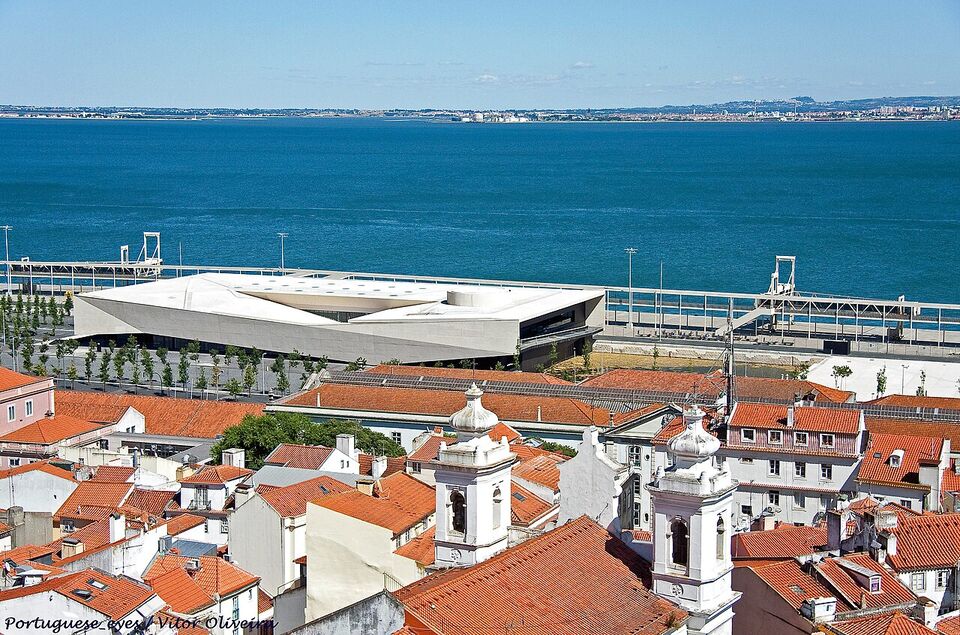
Lisbon is the cruise gateway to the country. Ships dock along the river at the city's cruise terminals, including the Alcântara area to the west, with others closer to the old town near Santa Apolónia. Which one your ship uses depends on the ship, the schedule and the day, so confirm with your line. Treat the descriptions below as general.
- Alcântara lies between the Baixa (the central grid) and Belém, roughly 2 to 3 miles (3 to 5 km) from each. A taxi or ride-hail takes roughly 10 to 20 minutes depending on traffic. Walking is not realistic for most people.
- Santa Apolónia sits beside the Alfama. It is within walking distance of the old quarter, though the streets are steep and cobbled.
For a port day, choose between the historic center, Belém (the Jerónimos Monastery and Belém Tower) and a trip out of town. The Jerónimos Monastery costs about €18 (about $20) and Belém Tower about €15 (about $17), and both close on Mondays, so check the day of the week of your call against the official site. See Lisbon sights for the full list and neighborhoods for how to walk the center.
Watch out
Several of Lisbon's historic funiculars and the Santa Justa Lift have not carried passengers since September 2025. The Glória, Bica and Lavra funiculars are closed, and the Graça funicular is the only one running. Do not count on these for a short port day. Tram 28 runs its normal route but is crowded and slow; plan on the Metro, taxis or walking.
Lisbon charges a tourist tax of €4 (about $4.50) per person per night for visitors 13 and older, and a 2024 council proposal said it would include cruise passengers. How it applies to day-visit passengers is not clear from the sources we checked, so ask your line and check the city council.
Leixões and Porto
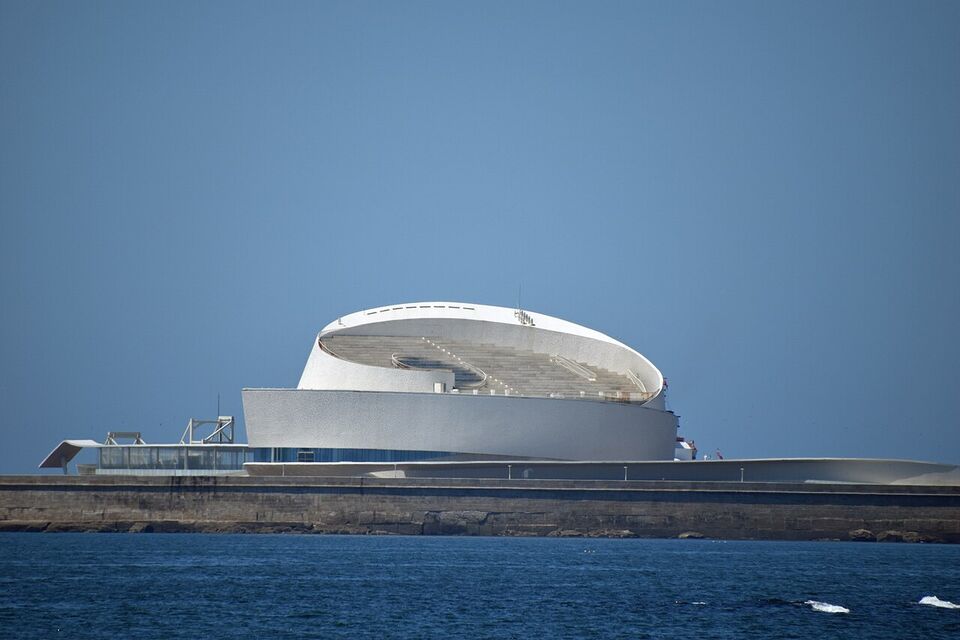
Ships that call at Porto use the port of Leixões, in the Matosinhos area on the Atlantic coast, about 5 miles (8 km) north-west of central Porto. The city itself is a short ride away, but the transfer is the biggest time sink in the Portuguese cruise calendar. A cruise line shuttle or taxi takes roughly 30 to 45 minutes each way depending on traffic, and Porto's hills mean you will spend much of your time on foot.
Make the most of the day with a focused plan: the Ribeira riverfront, São Bento station with its tile murals, a port lodge across the river in Vila Nova de Gaia, and lunch. The Porto guide and Porto sights list the options. Porto's tourist tax is €3 (about $3.40), charged on overnight stays; ask your line whether it applies to you. If you want the wine country, the Douro is too far for a single port day, and a river cruise or a land stay is better; see the Douro Valley.
Insider tip
Leave a buffer of at least an hour before the "all aboard" time. Porto traffic and the hill walk back to the shuttle are common reasons for late returns. Save the ship's port agent number in your phone.
Funchal, Madeira
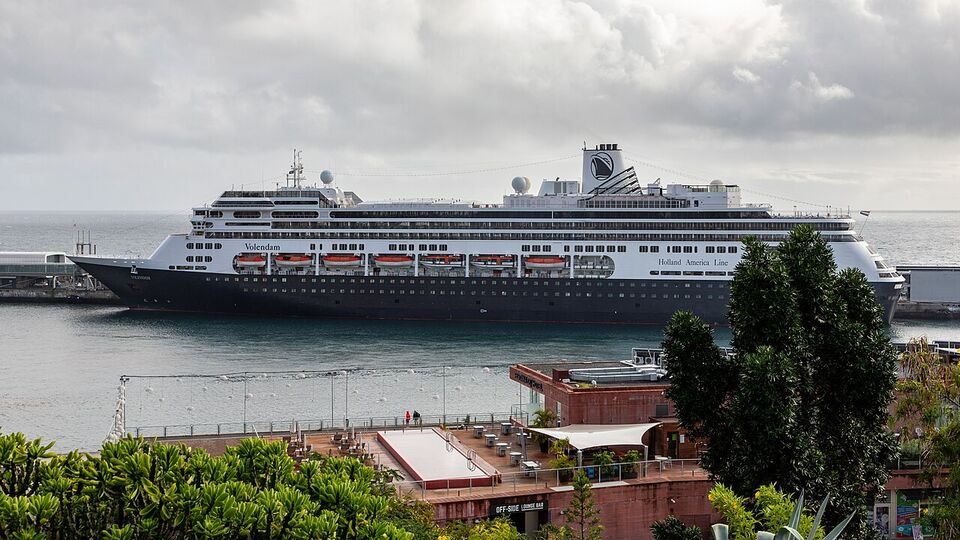
Funchal is the leading Portuguese port for cruise calls. Ships dock close to the old town, so the city is within walking distance of the pier for most travelers. That makes Funchal one of the easiest ports for a self-guided day. Common choices are the market, the old town, the cable car to Monte and a tour to Cabo Girão. The Madeira guide has details of each.
The levada trails need an online booking with a fee, and trail status changes daily, so a levada walk is hard to improvise on a port day. A guided shore excursion is easier, since the operator handles booking. Funchal's municipal tax has been reported as about €2 (about $2.25) per night, with a separate cruise-passenger fee of about the same amount; check the council and ask your line.
Wind affects Madeira. Strong wind can delay docking or force a ship to skip the call, and the same weather closes cable cars and viewpoints. If you fly in to join a cruise, arrive a day early, since Funchal's airport also has wind limits. Madeira uses the same time as Lisbon.
Ponta Delgada, Azores
Ponta Delgada, on São Miguel, is the main cruise stop in the Azores, and it is the usual landfall on transatlantic itineraries. The terminal is beside the old town, so the harbor front, churches and cafes are a short walk. The island's big sights, the twin lakes of Sete Cidades and the hot springs of Furnas, are a drive away, so choose one and keep it to a half-day tour.
The Azores are one hour behind Lisbon, and ship clocks may change when you cross zones, so confirm "all aboard" in local time. Weather changes in minutes, and cloud often hides the crater lakes; ask your tour operator about the forecast and the alternative stop. The Azores guide covers the island in more detail, including whale watching, which takes at least half a day.
The Consulate in Ponta Delgada serves US citizens by appointment; the telephone number is +351 296 308 330. For a lost passport during a call, speak to the ship's purser first.
Portimão and Faro for the Algarve
Ships that visit the Algarve use Portimão, on the Arade river, or Faro. Portimão's cruise berth is close to the town, with the beaches of Praia da Rocha a short taxi ride away. Faro's old town is small and walkable once you reach it. From either, visitors choose between a beach day, a boat trip along the coast, or a visit to a village inland. See the Algarve guide and the Lagos guide for the western coast.
The Benagil cave and other sea caves are a popular boat trip. Rules set by the maritime authority since August 2024 forbid landing on the beach inside the cave, swimming into it or using floats, and they limit boats and visit times. Operators can be fined heavily. Go with a licensed boat and follow the crew's instructions. Rescues have been reported, so treat the water with respect.
The Algarve has its own municipal tourist taxes, typically €1 to €2 per night in the main towns, and the amounts vary by season; check the council and ask whether day visitors pay anything.
Shore excursions or do it yourself
A ship's excursion costs more, but the ship will wait if the excursion is late, which is the main reason to book one for a long trip. Independent travel gives you flexibility and lower costs, but you take the risk of missing the sailing.
| Port | Best done independently | Better as an excursion |
|---|---|---|
| Lisbon | Central sights, Belém, the Alfama on foot or by taxi | Sintra, Fátima, the Sintra coast |
| Leixões / Porto | A short loop of the Ribeira and a lodge, if you take a taxi | Douro Valley, Braga and Guimarães |
| Funchal | Old town, market, cable car | Cabo Girão, Monte toboggan, the north coast |
| Ponta Delgada | The town, a short drive to a viewpoint | Sete Cidades, Furnas, whale watching |
| Portimão / Faro | Beach or town stroll | Cave and coast boat trips, inland villages |
If you go independent, book only things that can be cancelled and keep the schedule loose. For what to see in the nearby towns, see day trips from Lisbon.
Transfer pitfalls and port-day mistakes
- Underestimating the transfer. Leixões to Porto and Lisbon to Sintra are the two big ones. Count the transfer in both directions before you decide.
- Doing Sintra in a few hours. It is about 18 miles (28 km) from Lisbon and, at the Pena Palace, requires a timed ticket for a booked date and time. A full day is the right length. Private cars are not allowed up to Pena, and traffic rules around Sintra have tightened, so a hurried taxi plan can fail.
- Late returns. Be back an hour before "all aboard". Ships do leave without late passengers who booked independently. If you miss the ship, contact the port agent, then the line, and carry your passport.
- Cash and cards. Cards work almost everywhere, but small cafes and some taxis want cash. Pay in euros if asked.
- Heat and hills. Lisbon, Porto and Funchal are steep. Wear comfortable shoes and carry water.
- Holiday closures. Monuments close on certain days. Check the day of your call against the official site.
Save money
Use public transport where it works. In Lisbon the Metro accepts contactless bank cards at the gates, and a single ride costs about €1.72 (about $1.93) with a card. Shore excursions are priced by the line; compare an independent taxi with a shared tour for groups of three or four.
Accessible ports
Funchal and Ponta Delgada are generally easier for those with limited mobility, because the pier is near a flat waterfront and the old town. Lisbon and Porto are hilly with cobbles, and Leixões needs a transfer. Lisbon's hill-climbing funiculars and lift are out of service, which removes a mobility option. Ask your cruise line about accessible shuttles and tours, and verify accessibility at each attraction, and ask about tender or dock details for your ship. For wider Portugal advice, see getting around.
Douro river cruises
River ships sail upstream from Porto along the Douro Valley, passing terraced vineyards, small stone villages and quintas, which are wine estates. One major line lists its Douro cruises as seven nights, including a sanctuary visit at Lamego and a day trip across the border to Salamanca, Spain. Cruises usually run from spring to autumn; confirm the season and the boarding point with your operator. Itineraries start and end in Porto, and many include a night or two in the city.
The river cruise suits those who want to unpack once, but you see the valley from the water and the road. A land stay in the Douro gives you more time in villages and at estates. Read the Douro Valley page to compare, and the wine guide for the port and table-wine regions. If your river cruise includes Spain, check beyond Portugal for entry notes.
Atlantic crossings and repositioning cruises
Ships move between Europe and the Caribbean or the US each spring and autumn. Eastbound "repositioning" cruises in spring often stop at the Azores, Madeira and Lisbon or other Iberian ports, while westbound ones leave in autumn. These itineraries have many sea days and cost less per night than regular itineraries, but they follow the ship's schedule, which may change. Compare the cost of the cruise against flights and hotels if you are only joining for a leg.
If you are cruising in or out of Portugal, build in days at either end. Fly in a day early to avoid a missed embarkation; add a night before or after in Lisbon or Porto; and arrive at the airport early, since EES biometric checks apply on first entry at Lisbon, Porto, Faro, Funchal and Ponta Delgada airports. For flights see the flights guide.
Questions to ask and verify
- Which terminal and berth does my ship use at each port, and is there a shuttle?
- Is the "all aboard" time in local time, and what time zone is it? (The Azores are one hour behind Lisbon.)
- Are there any limits on large ships at Lisbon or Madeira for your sailing date? Rules change, so ask your line.
- Does a tourist tax or cruise fee apply, and is it included in my fare?
- Do I need a timed ticket for the attractions I want? Book as early as the official site allows.
- What is the plan if wind or swell prevents docking at Funchal or Ponta Delgada?
Add it to a route in the trip builder, or ask us to plan the hotels, trains and guides for you.