Overview: which day trip, and by what
Lisbon is a good base because several different kinds of day out start within an hour or two of it: palaces in the hills, seaside towns, a dolphin estuary, medieval monasteries and walled villages. The right choice depends on three things: how much time you have, whether you want a car, and whether you would rather see one place properly or sample two or three.
Our default advice is simple. If you have one free day, go to Sintra by train, using our Sintra guide to pick the sites. If you have a second day, add Cascais and the coast, or head north to Óbidos. Longer trips such as Évora, Coimbra and Tomar are each possible in a day, but they are better with a night. Distances below are from central Lisbon and are approximate.
Timetables, fares and stations change, so treat every journey time here as an estimate and confirm it on the operator's site before you go. For trains, that is cp.pt. For general city transport, see getting around Portugal.
The day trips at a glance
| Trip | How from Lisbon | Typical time one way | Effort | Best season | Car? | Night? |
|---|---|---|---|---|---|---|
| Sintra | Train (CP Sintra Line) | About 40 min | High on the hills | Spring and autumn | No; not allowed up to Pena | Optional |
| Cascais and Estoril | Train from Cais do Sodré | About 35-40 min | Low | May to October for beaches | No | No |
| Cabo da Roca | Bus from Cascais or Sintra, or car | About 1 hr by bus connection | Low | Clear days; windy any time | Helpful | No |
| Mafra | Bus, or car | About 45-60 min | Low | All year | Optional | No |
| Setúbal and Arrábida | Train or bus to Setúbal; car for the park | About 1 hr to Setúbal | Low to medium | Spring to early autumn | Yes for Arrábida beaches | Optional |
| Sesimbra | Regional bus, or car | About 1 hr | Low | May to October | Optional | No |
| Óbidos | Bus (or rail with changes), or car | About 1 to 1.25 hr by bus | Low | Spring, autumn; avoid midday crowds | Optional | Optional |
| Évora | Train or bus | About 1.5 hr | Low to medium | Spring and autumn; hot in summer | Optional | Recommended |
| Tomar | Regional train | About 2 hr | Low to medium | Spring to autumn | Optional | Recommended |
| Alcobaça and Batalha | Bus connections, tour, or car | About 1.5-2 hr | Low | All year | Yes for both in one day | Combine with Nazaré |
| Fátima | Bus, tour, or car | About 1.5 hr | Low | All year; very busy on pilgrimage dates | Optional | No |
| Nazaré | Bus, tour, or car | About 1.75-2 hr | Low | Winter for big waves, summer for beach | Helpful | Optional |
| Peniche and the Berlengas | Bus to Peniche; seasonal boat | About 1.5 hr plus boat | Medium | Boats run in the warmer months only | Optional | Optional |
| Comporta | Car (little public transport) | About 1.25 hr | Low | Late spring to early autumn | Yes | Optional |
The times are typical figures for planning, not guarantees, and we have marked them as approximate because we could not confirm current timetables for every route. Driving times depend heavily on traffic leaving Lisbon at rush hour and on Friday and Sunday evenings in summer.
Which station to use
Lisbon has several railway stations, and choosing the right one is the most common beginner's mistake. The simple version:
- Cais do Sodré is on the riverfront, next to the Metro station. The Cascais Line leaves from here, calling at Belém, Estoril and Cascais. The Cacilhas ferry across the Tagus also leaves from this area.
- Rossio is a central station reached from the Baixa. The Sintra Line starts here, and also from Oriente and Entrecampos, according to Parques de Sintra.
- Oriente (Gare do Oriente) is the large modern station in the east, joined to the Metro and the airport line. Long-distance trains to the north, including the fast Alfa Pendular, stop here, as do Sintra Line trains.
- Santa Apolónia is the older long-distance station on the river, also on the Metro. Many Intercidades and Alfa Pendular trains start here and stop at Oriente.
Not every train serves every station, and some services change. Always check the departure station for your exact train on cp.pt before leaving your hotel. For long-distance journeys, tickets can often be bought ahead on the CP site or app, and fares vary by date and class, so book early rather than at the station.
Insider tip
The Lisbon Metro gates accept contactless bank cards, but that does not extend to CP trains. Buy a CP ticket at the station machine or in the app, and keep it until you leave the arrival station.
Along the Cascais line: Estoril, Cascais and Cabo da Roca
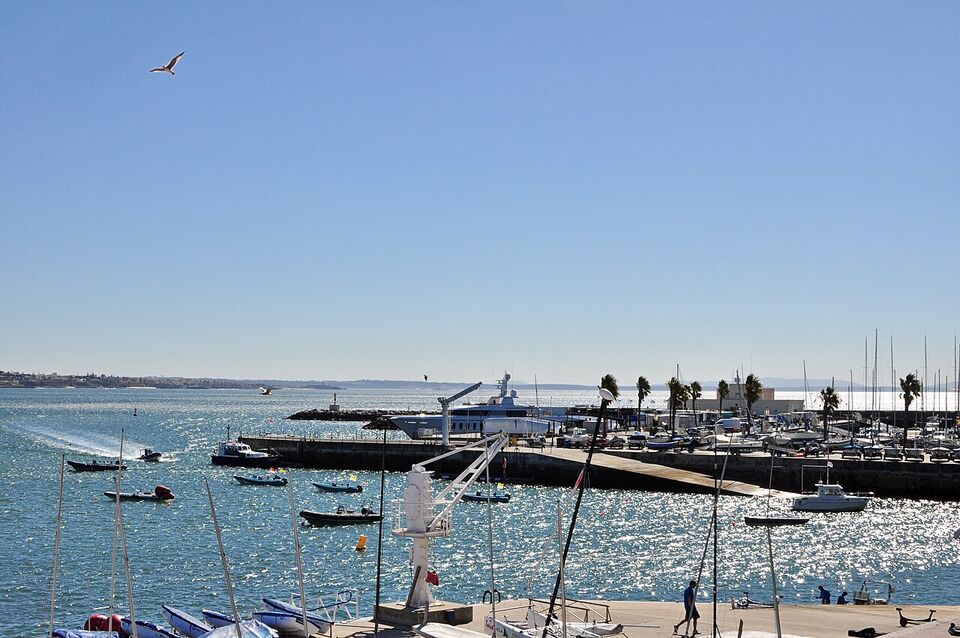
Cascais and Estoril are the easiest seaside day out. The train from Cais do Sodré takes about 35 to 40 minutes and runs along the coast. Estoril has a long beach promenade and a casino; Cascais has a marina, a citadel, a small old center and several beaches, plus the Casa das Histórias Paula Rego museum. You can walk between the two towns along the seafront, a flat stroll of roughly an hour.
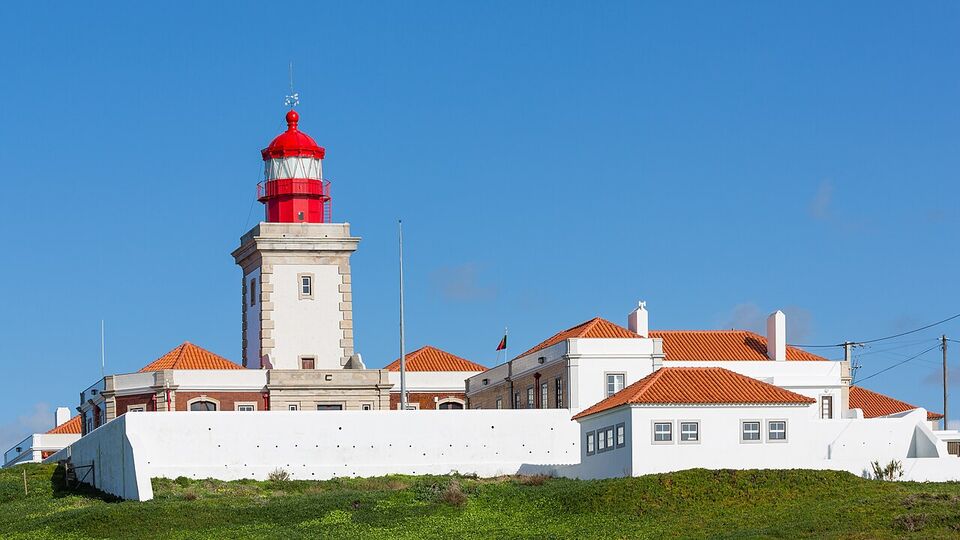
Cabo da Roca, the westernmost point of mainland Europe, is a cape with a lighthouse and high sea cliffs about 25 miles (40 km) from Lisbon. Without a car, the usual route is by public bus from Cascais or Sintra. Check the current bus number and operator, because Sintra-area services have changed. The cape is exposed, so a windbreaker helps even in summer. Our Sintra page explains how to add Cabo da Roca and Cascais to a Sintra day.
Plan this trip as a half-day to a full day. It suits people who want a beach, a seafront lunch and a gentle day more than monuments. Swimming conditions on the Atlantic coast vary with flags and swell, so see our beaches guide.
South of the Tagus: Setúbal, Arrábida, Sesimbra and Comporta
The coast south of Lisbon is greener and quieter than the Cascais side. It is also harder without a car.
Setúbal, Arrábida and dolphin trips
Setúbal is a working fishing and port city about 30 miles (50 km) from Lisbon, with a market and grilled-fish restaurants. A private Lisboa Card site lists Setúbal among the places its transport benefit covers; confirm with Visit Lisboa before you count on it. From Setúbal, boat trips run into the Sado estuary, where a resident group of bottlenose dolphins lives. We suggest choosing an operator that follows the viewing rules, which normally limit how close boats may go and ban swimming with the animals. These rules and the operator licenses change, so verify them with the Portuguese nature authority or the operator before you book, and expect no guarantee of a sighting.
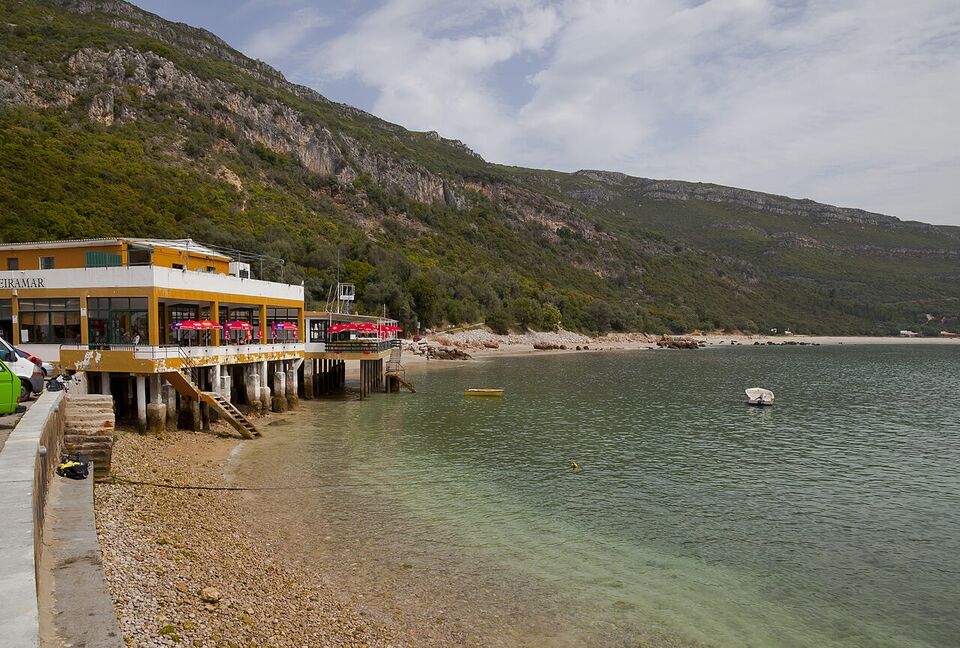
The Arrábida Natural Park is a limestone ridge above the sea, with white-sand coves and a winding coastal road. It is the main reason to have a car on this trip. Some access roads to beaches are restricted in summer, and parking fills early on fine weekends, so check the park's current access rules for your date. A sensible plan is to drive the ridge road, swim at one cove, and end in Setúbal for dinner and the train or road back.
Sesimbra and Cabo Espichel
Sesimbra is a fishing town with a beach, a hilltop castle and seafood restaurants, about 25 miles (40 km) from Lisbon. Regional buses serve it, but the departure terminal and schedule can change, so check with the operator. Cabo Espichel, a remote cape nearby, is easiest by car. Both pair well with Arrábida on a driving day.
Comporta
Comporta is a stretch of rice fields, pine woods and long empty beaches about 80 miles (130 km) south of Lisbon. It is reachable in practice only by car, ideally in late spring or early autumn. It is a beach-and-lunch day, not a sightseeing one, and restaurants book up on summer weekends. Because public transport is limited, we would not use it as a day trip without a car.
Different from home
Many Portuguese beaches use a flag system and lifeguards only in the summer season. Outside that season, a beautiful beach may have no lifeguard, and Atlantic currents are strong. Swim only where there are guards and green flags.
North of Lisbon: Mafra, Óbidos, Peniche and the Berlengas
The coast and countryside north of Lisbon is where the day trips become longer and more suited to a car. Our Óbidos, Nazaré and Fátima guide covers these towns in depth and how to link them.
Mafra
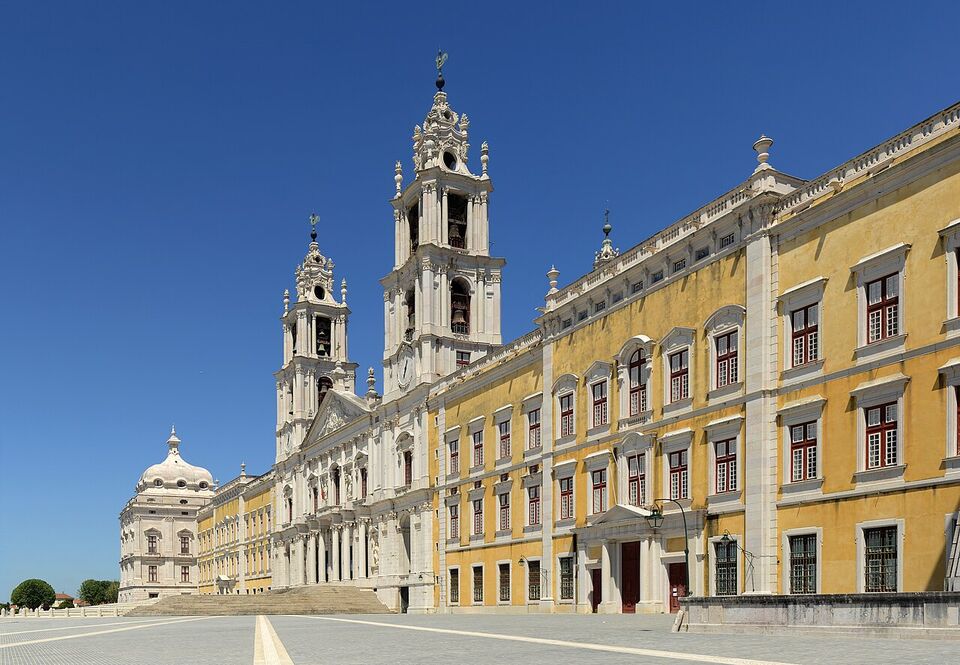
Mafra has a very large 18th-century palace-convent with a basilica and a library. It is about 25 miles (40 km) from Lisbon and reached by regional bus or car. Most visitors spend two to three hours, so it can be paired with Ericeira, a surf town on the coast, or with a quick stop on the way back.
Óbidos
Óbidos is a small walled town about 50 miles (80 km) north of Lisbon, worth a half-day for its lanes, walls and chocolate cups. It is easy by bus and can be a day trip, but the midday tour-group crowds are real. Rail service on the Linha do Oeste between Torres Vedras and Caldas da Rainha is due to resume on November 15, 2026, per the town of Óbidos, so check cp.pt for rail options. On the other hand, it gets quiet in the evening, which is why some travelers stay a night.
Peniche and the Berlengas
Peniche is a fishing town on a peninsula, about 60 miles (95 km) from Lisbon, and the departure point for boats to the Berlengas, a rocky island nature reserve. Boats run seasonally, usually in the warmer months, and landing is limited by the authorities, with visitor caps and booking rules that change. Do not plan a Berlengas trip without checking the current access rules and whether the sea is calm enough for the boat to leave. If you cannot get a landing slot, there are cruises around the island. On rough days the boats do not run, so keep the day flexible.
Monasteries, pilgrimage and the Silver Coast: Nazaré, Fátima, Alcobaça, Batalha and Tomar
These places make the case for a car, a tour or an overnight. They are close to each other, yet each is 1.5 to 2 hours from Lisbon.
- Nazaré: a fishing town with a beach and a clifftop district, Sítio, famous for big winter waves. About 75 miles (120 km) from Lisbon. See our Nazaré section for where to watch and the safety rules.
- Fátima: a Catholic pilgrimage site about 80 miles (130 km) from Lisbon, with a large open esplanade and basilica. Respectful dress and quiet matter, and it is extremely busy around the large pilgrimage dates, historically May 12 and 13 and October 12 and 13 (verify the schedule on the Shrine of Fátima site).
- Alcobaça: a large Gothic monastery with the tombs of King Pedro and Inês de Castro, about 75 miles (120 km) from Lisbon.
- Batalha: a Gothic and Manueline monastery commemorating a 14th-century victory, with ornate "Unfinished Chapels". Alcobaça and Batalha are roughly 12 miles (20 km) apart, so a car makes it possible to see both in a day.
- Tomar: a quiet town on a river, home to the Convento de Cristo, a Templar castle and convent, about 85 miles (140 km) from Lisbon. The Festa dos Tabuleiros, a festival held every four years, was last held in July 2023. Residents voted in April 2026 for a 2027 edition, but we did not find dates, so check before planning around it.
Prices and opening days for these monasteries are not confirmed here. Check the official museums and monuments site (museusemonumentos.pt) for each, including weekly closing days. Several state monuments close on one weekday and on a few holidays, so do not arrive on a Monday without checking.
For a single day, a driver or an organized tour covering Fátima, Batalha and Nazaré is common, but it will be a long day with several short stops. If you can spare it, stay a night on the coast instead; the Silver Coast guide shows how.
Évora
Évora is a walled city in the Alentejo, about 85 miles (135 km) east of Lisbon, with a Roman temple, a cathedral and the Chapel of Bones. It reaches Lisbon by train or bus in roughly 1.5 hours. In summer it gets very hot, so spring and autumn are comfortable for a day trip. It can be done in a day, but an evening in the old town and a morning walk are much more pleasant. Our Évora and Alentejo guide covers sights, wine and driving routes. The tourist tax is set by the council and we could not confirm the current rate.
Which day trips need a night
Almost any trip here can be done in a day, but these repay a night:
- Évora and Tomar. The distance is long enough that a day trip leaves you tired, and the towns are at their best early and late.
- Coimbra. It is about 125 miles (200 km) from Lisbon; see our Coimbra guide. A full day is possible, a night is better.
- The Silver Coast. Óbidos, Nazaré, Alcobaça and Batalha together are more than a day if you want to see anything properly.
- Peniche and the Berlengas. Boat timing and weather can eat the day, so a night buys flexibility.
- Arrábida and Comporta. Only if you want a beach day with a leisurely dinner and no night driving.
For choosing where to base yourself overall, see where to stay and our Lisbon guide.
Car, train, bus or tour
For Sintra, Cascais and Estoril, use the train. A car adds parking trouble and, at Pena, is not allowed. For Évora, Tomar and Coimbra, the train or bus is simple and avoids city-center parking. For Arrábida, Comporta, Cabo Espichel and a multi-stop Silver Coast day, a car is by far the most practical.
Rental cars in Portugal carry a Via Verde electronic toll device, and the rental company bills the tolls afterward, typically with a small daily fee. Some motorways, including the A22 in the Algarve, are free to drive. Many other motorways still charge, and the rental device handles them. Our driving guide explains rental, tolls and parking. As of early November 2026, diesel costs more than gasoline in Portugal, so ask which fuel your rental takes.
Guided tours are a reasonable choice if you do not want to drive and want several stops linked, especially for Fátima, Batalha and Nazaré together, or the Sintra-Cascais combination. They run on set times, so you see less in each place but cover more.
Mistakes and a final checklist
- Stacking too many places. Sintra plus Cascais is realistic; Sintra, Cascais, Cabo da Roca and Óbidos is not.
- Going to the wrong station. Check the station for your train.
- Not booking Pena or Regaleira. See the Sintra guide.
- Visiting monuments on their closing day. Check museusemonumentos.pt.
- Counting on a boat. The Berlengas and dolphin boats depend on sea conditions and rules.
- Planning a car day without parking. Walled towns and beach car parks fill up.
- Pick the trip that fits your time, and check the timetable on the day before.
- Book timed tickets and boat seats ahead.
- Bring layers, water, sun protection and a charged phone.
- Check the last train or bus home.
- Read the daily weather: coastal fog and wind change the plan.
Add it to a route in the trip builder, or ask us to plan the hotels, trains and guides for you.