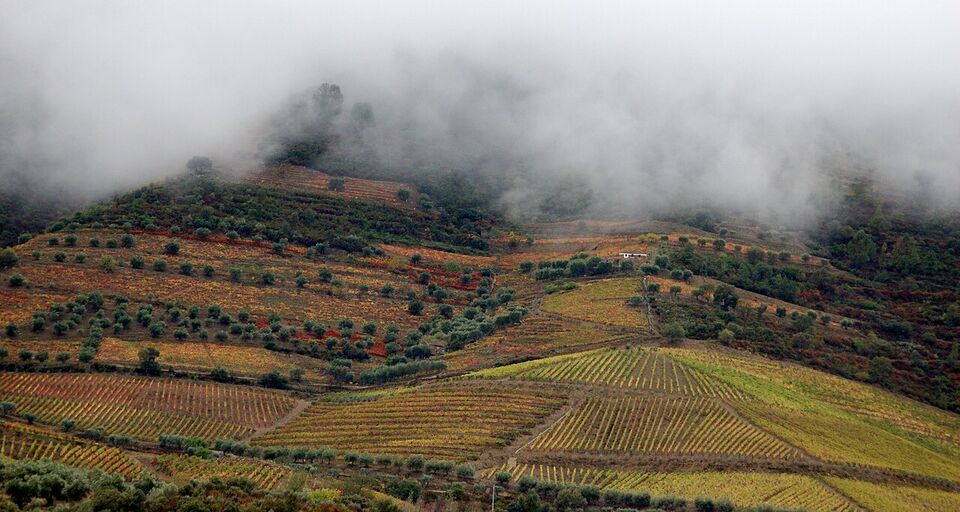
The short answer
The best time to visit Portugal for most Americans is late spring and early autumn: April to June and September to October. You get warm days, long light, open terraces and lower prices than in July and August. Winter suits city breaks if you accept rain; summer suits the Algarve beaches if you accept crowds and heat. The right month depends mostly on whether you are chasing beaches, hiking, wine, surf or a quiet city break.
Portugal's weather is shaped by the Atlantic. That keeps the coast mild and the sea cool, and it means a mainland winter is wet rather than cold. Inland, in the Alentejo and the Douro valley, summers are much hotter and winter nights are colder. Madeira and the Azores each have their own rhythm. The tables below give long-term averages (1991 to 2020 climate normals, as printed from the Portuguese weather service, IPMA); real weather varies from year to year, and the winter of 2026 included named storms. Check the forecast at ipma.pt before you go. For help planning around the season, see plan your trip.
Month by month in Lisbon
Lisbon's climate is a good baseline for the mainland coast. Rain days are days with 1 mm or more of rain. Sunshine hours are the monthly total. The crowd and price column describes the usual pattern; hotel prices vary by year, so check your dates.
| Month | High / low | Rain days | Sun hours | Crowds and prices |
|---|---|---|---|---|
| January | 59°F / 48°F (15°C / 9°C) | 10 | 159 | Quietest; lowest hotel prices; some coastal businesses closed |
| February | 62°F / 48°F (16°C / 9°C) | 8 | 175 | Quiet; Carnival (the Tuesday is February 9, 2027) brings local crowds |
| March | 66°F / 52°F (19°C / 11°C) | 8 | 216 | Rising; Easter 2027 falls in late March (Good Friday is March 26) |
| April | 69°F / 54°F (20°C / 12°C) | 8 | 248 | Busy at Easter, then moderate |
| May | 74°F / 58°F (23°C / 14°C) | 6 | 297 | Pleasant; growing crowds; good value early in the month |
| June | 79°F / 62°F (26°C / 17°C) | 2 | 322 | High; Lisbon's saint's festivals fill hotels around June 12-13 |
| July | 83°F / 65°F (28°C / 18°C) | 1 | 350 | Peak crowds and prices; very dry |
| August | 84°F / 66°F (29°C / 19°C) | 1 | 340 | Peak; August 15 is a holiday; the coast is full |
| September | 80°F / 64°F (27°C / 18°C) | 4 | 260 | Warm; crowds ease; prices drop from mid-month |
| October | 73°F / 60°F (23°C / 15°C) | 9 | 196 | Moderate; rain returns; good value |
| November | 65°F / 53°F (18°C / 12°C) | 10 | 163 | Low, except around Web Summit (November 8-11, 2027) |
| December | 60°F / 49°F (15°C / 9°C) | 10 | 150 | Rises for Christmas and New Year; lights and markets |
Lisbon receives about 794 mm (31 in) of rain a year, most of it from October to March, and about 2,875 hours of sunshine. Days are short in winter, with roughly 9 to 10 hours of daylight in December, and long in summer, with light until late evening. The year-round pattern is gentler than that of the US Northeast: snow is rare, and average winter highs stay near 59°F (15°C).
The Algarve, Madeira and the Azores
The south coast and the islands are warmer, and in the Azores wetter. This table gives the long-term highs and lows (°F first, with °C) and rain days for Faro on the Algarve and for Ponta Delgada on São Miguel, plus Funchal on Madeira. Lisbon and Madeira are on Western European Time, 5 hours ahead of New York most of the year (4 hours for about two weeks in March and again from late October to early November, when the US and EU clock changes do not line up). The Azores are one hour behind Lisbon, so 4 hours ahead of New York on the usual schedule.
| Month | Faro high / low | Faro rain days | Funchal high / low | Ponta Delgada high / low | Ponta Delgada rain days |
|---|---|---|---|---|---|
| January | 61 / 47 (16 / 8) | 6 | 68 / 58 (20 / 14) | 64 / 55 (18 / 13) | 13 |
| February | 63 / 48 (17 / 9) | 5 | 68 / 57 (20 / 14) | 63 / 54 (17 / 12) | 11 |
| March | 66 / 51 (19 / 11) | 6 | 69 / 58 (21 / 14) | 64 / 55 (18 / 13) | 12 |
| April | 69 / 54 (21 / 12) | 5 | 70 / 59 (21 / 15) | 66 / 56 (19 / 13) | 10 |
| May | 74 / 59 (24 / 15) | 4 | 72 / 61 (22 / 16) | 68 / 58 (20 / 15) | 9 |
| June | 80 / 64 (27 / 18) | 1 | 75 / 65 (24 / 18) | 72 / 62 (22 / 17) | 7 |
| July | 85 / 67 (29 / 20) | 0 | 78 / 68 (25 / 20) | 77 / 66 (25 / 19) | 5 |
| August | 85 / 68 (29 / 20) | 0 | 80 / 69 (27 / 21) | 79 / 68 (26 / 20) | 7 |
| September | 80 / 65 (26 / 18) | 2 | 80 / 69 (27 / 20) | 77 / 66 (25 / 19) | 9 |
| October | 74 / 60 (23 / 16) | 6 | 77 / 67 (25 / 19) | 73 / 63 (23 / 17) | 14 |
| November | 67 / 53 (20 / 12) | 7 | 73 / 63 (23 / 17) | 68 / 59 (20 / 15) | 12 |
| December | 63 / 50 (17 / 10) | 7 | 70 / 60 (21 / 16) | 65 / 56 (18 / 13) | 15 |
The differences matter more than the numbers. The Algarve is the driest and sunniest region, with 49 rain days a year at Faro against 75 at Lisbon, and almost no rain from June to September. Madeira barely changes through the year: Funchal's highs stay between about 68°F (20°C) in winter and 80°F (27°C) in late summer. Rain there is concentrated in the cooler months (October to March are wettest and June to August driest), and we do not give day counts because published tables disagree. The Azores are mild but damp: Ponta Delgada has about 122 rain days a year and only about 1,738 hours of sunshine, against 2,875 at Lisbon. Showers pass quickly, and weather changes within a day, so you may see sun, cloud and rain between breakfast and lunch. Read the forecast each morning, and keep a flexible day for activities such as whale watching or lake walks.
Porto and the north are cooler and rainier than Lisbon; we have no verified figures, so we give none. Expect more clouds in spring and a real chance of rain in any month from October to May. The Alentejo and the Douro valley are inland, so summer afternoons can be much hotter than on the coast and winter nights colder. We do not have verified figures for these regions either, so check ipma.pt for a forecast before booking walking or cycling days there. See Porto, the Douro valley and Évora and the Alentejo.
The sea: why the Atlantic stays cool
Portuguese beaches are beautiful, but the Atlantic is not the Caribbean. Cold water rises along the west coast, so the sea near Lisbon is about 61°F (16°C) in winter and only about 68°F (20°C) in August. The south coast is warmer: Faro's water runs 61-63°F (16-17°C) in January and 72-75°F (22-24°C) in August and September. Funchal's sea is about 64°F (18°C) in February and March and reaches about 75°F (24°C) between August and October. We do not have sea temperatures for Porto or Ponta Delgada.
| Place | Coolest sea | Warmest sea |
|---|---|---|
| Lisbon coast | About 61°F (16°C), winter | About 68°F (20°C), August |
| Algarve (Faro) | 61-63°F (16-17°C), January | 72-75°F (22-24°C), August and September |
| Madeira (Funchal) | About 64°F (18°C), February and March | About 75°F (24°C), August to October |
For most Americans, the practical season for comfortable swimming is June to September on the Algarve and July to September elsewhere, with a wetsuit for anyone surfing in the cooler months. More in beaches and surfing.
Watch out
Atlantic beaches have strong currents and shifting flags. Swim where lifeguards are on duty and heed the flags; a calm-looking beach can still have rip currents. Some beaches have no lifeguard outside the main season.
The seasons in plain words
Spring (March to May)
Spring is changeable. March can be wet, April brings Easter crowds and green countryside, and May is warm and sunny with moderate crowds. Good for cities, hiking and Douro views. Easter in 2027 is on March 28, with Good Friday on March 26, so Holy Week prices apply in the last week of March.
Summer (June to August)
Summer is dry and busy. Lisbon averages 83-84°F (28-29°C) in July and August, and the record high is 111°F (44°C); Faro's record is 111.7°F (44.3°C). Inland, afternoons are hotter. Wildfire risk rises, and IPMA publishes a daily fire danger map. Plan outdoor sightseeing for mornings and evenings, use air-conditioned museums in the afternoon, and book rooms with air conditioning (not all older buildings have it).
Autumn (September to November)
September is arguably the best month: warm days, a still-warm sea on the south coast and falling prices. October is warm but wetter, and November is mild and quiet. The Douro harvest typically runs from late August to early October. Autumn is also the start of the surf season on the west coast.
Winter (December to February)
Winter is wet but mild. Lisbon sees about 10 rain days in December and January, and the Atlantic can bring storms and big swells. In 2026, Storm Kristin on January 28 disrupted the Sintra hills, and Storm Charles on November 11 suspended public events in Lisbon and disrupted Web Summit. Pack a rain jacket and flexible plans. Winter is the cheapest season for city hotels, and the Algarve and Madeira are the mildest places to be. The big-wave season at Nazaré runs roughly from autumn to early spring; the exact window varies and is not fixed, so check the organizers if you plan to watch. See November, December, January, February and March for detail.
What each month is best for
| You want | Best months | Why |
|---|---|---|
| City sightseeing, walking | April to June, September, October | Warm but not hot; long days; fewer queues than in summer |
| Beaches and swimming | June to September (Algarve), July to September (west coast) | Warmest water and driest weather |
| Hiking on Madeira | Spring and early autumn | Mild air, though classified PR trails need an online booking all year and conditions change by the day |
| The Azores | June to September | Warmest and fewest rain days; still flexible plans |
| Wine and the Douro | September and October | Harvest season, typically late August to early October, and mild weather |
| Surfing | Autumn to spring on the west coast; Lagos area year-round | Larger swells; check local conditions and a wetsuit |
| Big waves | Roughly October to March | Winter Atlantic swells at Nazaré |
| Low prices | November, January, February | Off-season rates, though rain is likely |
| Festivals and street life | June | Saint's days in Lisbon and Porto, outdoor events |
| Christmas lights and markets | Late November to early January | Lisbon, Óbidos, Braga and Funchal all run seasonal programs |
| Golf | Spring and autumn; winter on the Algarve | Mild temperatures, firm turf; see golf |
Peak weeks, school holidays and festival weeks
Prices and crowds rise sharply in a few windows, regardless of weather. Plan around them, or book early.
- July and August: peak season for the coast. Portuguese schools break roughly from mid-June or July until mid-September, and the Algarve fills with domestic and European families. Book early; August 15 (Assumption) is a national holiday.
- Easter: Good Friday is March 26, 2027 and Easter Sunday March 28. Holy Week processions draw crowds in places such as Braga, and trains and roads are busy.
- Christmas and New Year: December 1, 8 and 25 and January 1 are national holidays; expect reduced transport service and some closures on December 25 and January 1; check the operators. Madeira runs Christmas and New Year festivities from December 1, 2026 to January 10, 2027, with New Year fireworks over Funchal on December 31 (scheduled; check the official calendar).
- June saints' days: Lisbon celebrates St. Anthony around June 12-13 (a municipal holiday on June 13) with street parties and parades; Porto celebrates São João on the night of June 23 into June 24, also a municipal holiday. In 2027 those days fall on a Sunday and a Thursday.
- Music festivals: NOS Alive (planned for July 8-10, 2027) and Primavera Sound Porto (planned for June 10-13, 2027) fill hotels in their cities. Organizers' dates should be confirmed before you book.
- Web Summit, Lisbon: the 2026 edition (November 9-12) is over; the 2027 edition is scheduled for November 8-11, 2027. Hotels are scarce and expensive then.
- Madeira: Carnival in Funchal runs February 3-14, 2027 (parades February 5-6); the Flower Festival April 29 to May 30; the Atlantic Festival June 4-27; the Wine Festival August 22 to September 12 (all scheduled, subject to updates).
- Fátima: large pilgrimages are traditionally around May 13 and October 13. Dates and crowds should be confirmed with the sanctuary.
- Tomar: the Festa dos Tabuleiros is held every four years, last in July 2023. Residents voted in April 2026 for a 2027 edition; we do not have confirmed dates.
Save money
The cheapest combination is a shoulder-month trip: early May, late September or October. You trade a few rain showers or a cooler sea for hotel rates that can be much lower than in July and August, shorter lines at Sintra and Belém, and easier dinner reservations.
Portugal also has "bridge" long weekends when a holiday lands near a weekend. In 2027, June 10 (Portugal Day) is a Thursday, October 5 a Tuesday, and December 1 and 8 both Wednesdays, so expect many Portuguese families on the move around those dates. See festivals and holidays for the full calendar.
November 2026 and the weeks ahead
As of mid-November 2026, Storm Charles hit around November 11 and suspended public events in Lisbon that day. Christmas lights go up in Lisbon from November 29, Wonderland Lisboa runs in Parque Eduardo VII from November 27 to January 3, and Óbidos holds its Christmas village from November 27 to January 3 (advance tickets on its official site). Braga, Guimarães and Funchal open Christmas markets on December 1. Winter jackets and a compact umbrella are more useful than sunglasses at this time of year. If you are traveling in late 2026, see Portugal in November and the packing list.
Putting it together
Start with what you want most, then pick the month. If you want beaches, aim for late June to mid-September on the Algarve. If you want walking, wine and cities, choose late April to June or September to October. If you want the lowest prices and can handle rain, go between November and February, and keep a few indoor days in the plan. Madeira and the Azores need more flexibility: book refundable lodging where you can, and avoid putting a long drive or a hike on your last day before a flight.
Whatever the month, book popular items early and keep the weather in mind when you order your days: outdoor sights in the morning, museums and long lunches when it rains. Use plan your trip for routes and bases, and entry rules for documents and EES queues, which add time at the start and end of the trip in high season.
Add it to a route in the trip builder, or ask us to plan the hotels, trains and guides for you.