Overview: how to see Porto
Porto is Portugal's second city, a granite-and-tile place stacked on the north bank of the Douro river, a few miles from the Atlantic. Most visitors need two to three days: enough for the old riverside quarter, the famous tiled railway station, a port wine cellar across the water, and a few long meals. Add a fourth day if you want a trip into the Douro Valley or to Braga and Guimarães.
The city feels smaller than its size. The historic center is a UNESCO World Heritage Site (listed in 1996), and almost everything a first-timer wants sits within a mile or two of the river. What makes Porto tiring is not distance but gradient: streets drop steeply to the water and climb just as steeply back. We suggest you plan each day downhill first, then use transport to come back up.
This page is the hub for the city: how it is laid out, which area to choose, how many days to give it, how to get around, the mistakes first-timers make, and what the tourist tax is. For individual sights, tickets and a day-by-day plan, see Things to Do in Porto. For where Porto fits in the country, see the regions overview and the trip-planning guide.
Porto is in mainland Portugal, so it runs on Western European Time, 5 hours ahead of New York for most of the year. The US and Europe change their clocks on different dates, so the gap is 4 hours for about two weeks in March and again from late October to early November.
How the city is laid out
Think of Porto as a set of districts on a hillside facing a river that runs west to the sea. Knowing which is which makes hotel listings and map pins far easier to read.
Ribeira
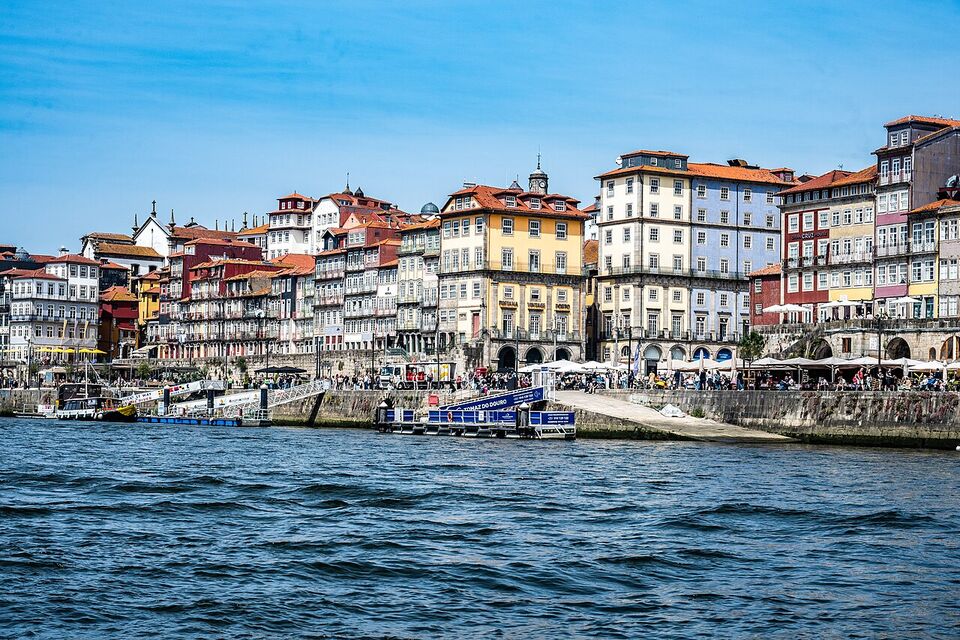
The narrow, colorful quarter at the water's edge, beneath the Dom Luís I bridge. It has the postcard views, the quayside cafés and the most visitors. It is also steep, and the riverside restaurant strip is where first-timers overpay for ordinary food.
Baixa
The flat-ish middle of the old city, around São Bento station, Avenida dos Aliados, the Clérigos Tower and the Mercado do Bolhão. It is the most convenient base for a short stay, with the Metro, buses and most sights close by.
Cedofeita
A residential and creative district with independent shops, art galleries, bakeries and bars. It is quieter at night than the Ribeira and still a short walk or Metro hop from the center.
Boavista
A broad, 20th- and 21st-century district around the Rotunda da Boavista, home to the Casa da Música concert hall. It suits travelers who prefer larger hotels and wider streets, and who do not mind a Metro ride or a taxi to the old center.
Foz do Douro
The seaside end of the city, where the river meets the Atlantic. Quiet and residential, with a long seafront walk, small beaches and good fish restaurants. It works as a base for a slower trip, or as a half-day outing.
Vila Nova de Gaia
Across the river is a different municipality, Vila Nova de Gaia, where the port wine houses age their wine in cellars called lodges. You cross on foot over the Dom Luís I bridge. We cover it in more detail below.
Two further names turn up on maps and train tickets. Campanhã is the main intercity station on the east side; most long-distance trains stop there, and a short Metro or train hop reaches the center. Matosinhos is a fishing town on the coast, at the end of Metro line A, known for grilled fish.
Vila Nova de Gaia across the bridge
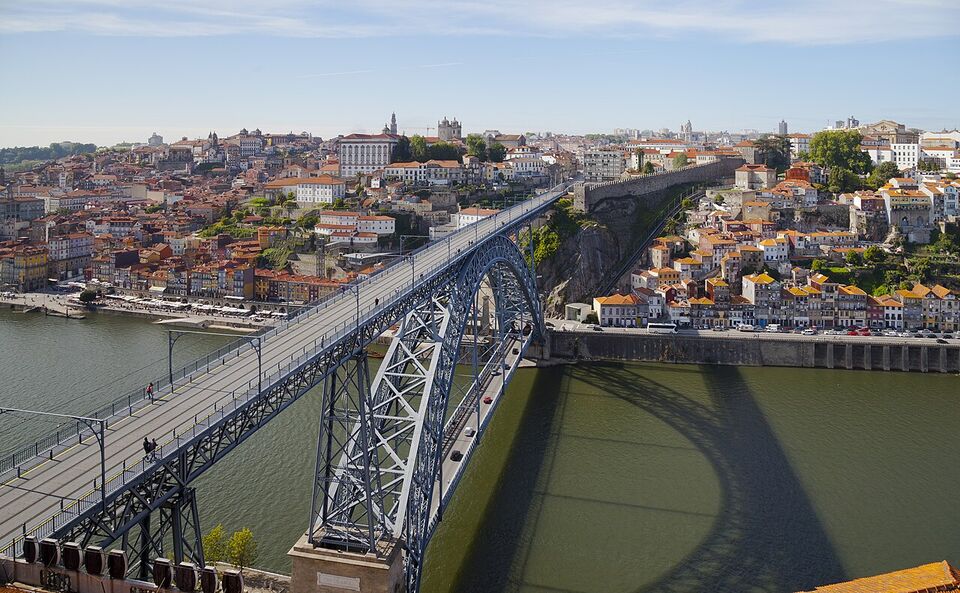
Port wine takes its name from the city, yet it is aged on the other side of the river. Vila Nova de Gaia has long been the home of the port lodges: large stone warehouses where barrels of fortified wine mature before bottling. The wine was once brought downstream from the Douro Valley in flat-bottomed rabelo boats, and a few of these now sit moored along the Gaia quay as a reminder, usually carrying a brand name on the sail. For more on those boats, see the Douro Valley guide.
You reach Gaia by crossing the Dom Luís I bridge, a double-decker iron arch. The upper deck carries pedestrians and Metro trains and the lower deck carries road traffic and a pedestrian walkway at river level. Walking the upper deck is free; it is also the easiest way to arrive at the viewpoint at Jardim do Morro, where the Metro line D has a station. The lower deck lets you drop straight to the Gaia waterfront and the cellar doors.
Gaia's riverfront is lined with lodge names, tasting rooms and restaurants. Compare houses by what they offer: tour and tasting, a museum, a terrace, or a meal. Our companion page, Things to Do in Porto, compares the large houses and explains what a tasting usually includes. For the wine itself, including how to read the styles on a bottle, see the wine guide.
Insider tip
Cross the bridge on the upper deck in the morning, when it is least crowded, then walk down to the quay and back over the lower deck. You get both views and avoid the afternoon crush. Wear shoes with grip, since the stone is polished and slippery after rain.
Comparing the areas
For most travelers the real choice is between the Baixa, the Ribeira and Cedofeita. Boavista and Foz suit particular tastes. The table shows how they compare. Hotel tiers use the site scale: $ is under $120 a night for a double, $$ is $120 to $300 and $$$ is over $300.
| Area | Best for | Feel | Typical hotel tier | Watch out for |
|---|---|---|---|---|
| Baixa | First visit, short stay | Busy by day, lively evening | $ to $$ | Traffic noise, steep side streets |
| Ribeira | Views, atmosphere | Picturesque, crowded | $$ | Crowds, stairs, tourist-priced meals |
| Cedofeita | Quieter base, shops, cafés | Residential, creative | $ to $$ | Fewer sights on the doorstep |
| Boavista | Concerts, modern hotels | Wide avenues, business feel | $ to $$ | Needs Metro or taxi for the old city |
| Foz do Douro | Beach days, a calm trip | Seaside, relaxed | $$ | Farther from the center; cool Atlantic breeze |
| Vila Nova de Gaia | Cellar visits, river views | Waterfront, touristy by day | $$ | Steep climb to the upper town |
Hotel prices swing with the season, events and the day of the week, so treat the tiers as a guide and check current rates when you book. For broader advice on choosing lodging across the country, see where to stay in Portugal.
How many days to spend
Two days is the minimum for a satisfying first visit. Three is comfortable. Four lets you leave the city.
- Day 1
The river and the old center
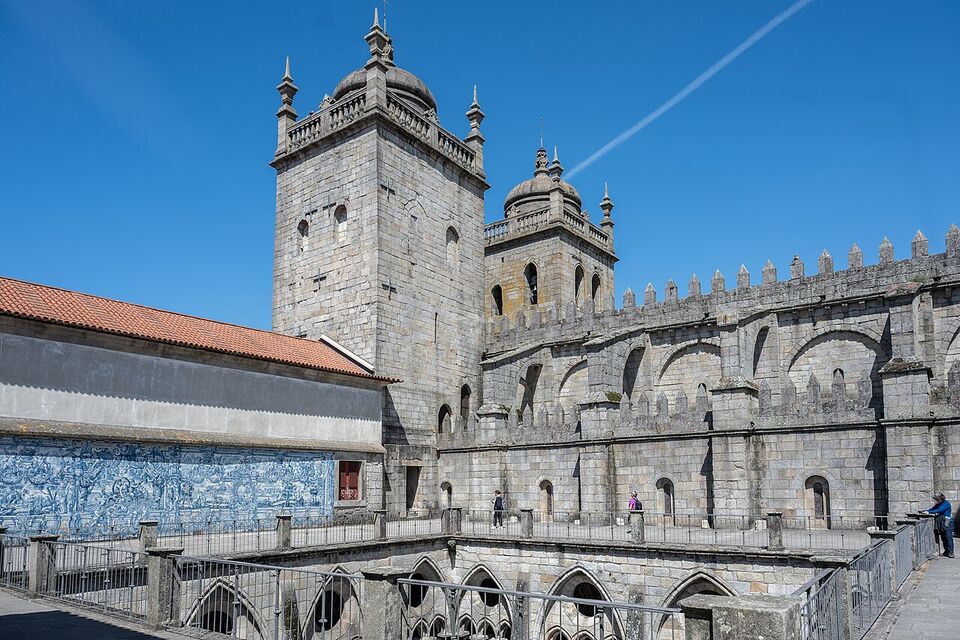
Start at São Bento station for the tile panels, climb to the cathedral terrace, then drop to the Ribeira. After lunch, cross the Dom Luís I bridge to Gaia for a cellar tour and a sunset at Jardim do Morro.
- Day 2
Streets, markets and a museum
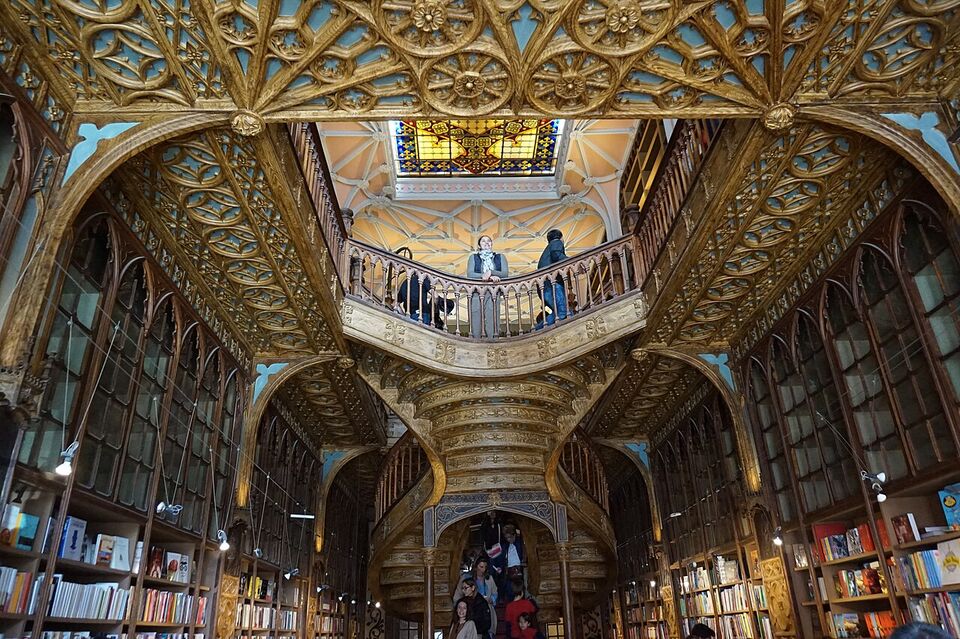
Visit the Livraria Lello and the Clérigos Tower early, wander the Bolhão market, and then take the Metro out to Serralves or the Casa da Música in the afternoon.
- Day 3
The coast or a slow day
Ride to Foz do Douro for a seafront walk and lunch, or to Matosinhos for grilled fish. Evenings suit a long dinner in Cedofeita or the Baixa.
- Day 4
Out of town
Take the train up the Douro Valley or head to Braga and Guimarães. Both are easy day trips from Porto.
Many travelers combine Porto with Lisbon and add Coimbra on the way. See the Coimbra guide if you plan to break the journey, and the Lisbon guide for the other end of the route.
Getting around Porto
Porto's public transport is run by several operators that share one ticketing system, called Andante. The center is walkable, so you may use transport mainly for the hills, the airport, Gaia and the outer sights.
The Metro
Porto Metro is really a light-rail system, with six lines, many of which run at street level outside the center and in tunnels through it. Trindade is the central interchange where most lines meet, and São Bento station, in the heart of the old town, has its own Metro stop. Line D crosses the Dom Luís I bridge on the upper deck and links the Baixa with Gaia. A newer short line between Casa da Música and São Bento is listed as due to open by early 2027; check the operator before you rely on it, and expect works in that area. Check the network map and current disruptions at metrodoporto.pt.
Buses
STCP buses cover the areas the Metro does not reach, including parts of the river and the coast toward Foz. Night buses run on some routes. Routes and timetables change, so use the STCP site or the operator's app on the day. Buses are a simple way to reach Serralves and the Foz seafront from the center.
Historic trams and funicular
Porto has a small heritage tram network, with lines that run along the river toward Foz and climb through the old town, plus a funicular that links the Ribeira with the upper town. These are charming but not a daily commuting tool: service can be reduced, tickets are often sold separately from the Andante card, and sections have been closed for works in the past. We could not confirm current schedules for this edition, so check stcp.pt and the city's tourist office before you build a plan around them. Treat any ride as a bonus.
The Andante card and contactless
The Andante is a rechargeable card used across the metropolitan area. The card itself is cheap and you load it with trips or a day pass for the zones you need. Fares depend on the number of zones you cross, and the airport lies outside the central zones, so make sure your ticket covers your journey. A tourist ticket for 24 hours or several days exists; look at the current types and prices on metrodoporto.pt before you buy.
The Metro works on proof of payment: you validate your ticket at the validator machine on the platform or at the stop before boarding, and inspectors can fine you if you cannot show a validated ticket. Contactless bank cards are accepted at some readers, but not on every service, so do not assume you can tap a card on a bus. When in doubt, buy an Andante card from a machine; machines have an English option.
Different from home
Public transport in Porto often does not use turnstiles. You validate your own ticket, and ticket checks are by inspectors on board. A ticket that you forgot to validate counts as no ticket, so tap it every time you board, even for a connecting trip.
The airport and the train from Lisbon
Francisco Sá Carneiro airport (OPO)
Porto's airport is about 7 miles (11 km) from the center. Metro line E (violet) runs from the Aeroporto station, which you reach directly from the terminal, into the city via Trindade. STCP buses and an all-night bus from the center also serve the airport, and taxis wait outside. We do not quote fares because they change; check the Metro and STCP sites, and agree or confirm the meter with taxi drivers.
US nonstop flights to Porto include TAP to Newark and Boston, United to Newark and Delta to New York-JFK, according to the airport's published route list. American Airlines has announced a seasonal Philadelphia route beginning March 29, 2027. Schedules change, so confirm before you book. EES biometric registration applies on arrival at Porto airport, as at Lisbon, Faro, Funchal and Ponta Delgada; see the entry requirements guide. For flights across the Atlantic, see flights to Portugal.
From Lisbon by train
The Alfa Pendular is Portugal's fastest train. A published timetable in force since July 2026 shows the 5:40 a.m. from Porto Campanhã reaching Lisboa Oriente at 8:22 a.m., and the 2:40 p.m. reaching it at 5:22 p.m., so allow about 2 hours 45 minutes. Fares vary by date and class, so book early on cp.pt. See getting around Portugal for how the rail system works.
Long-distance trains stop at Campanhã, not at São Bento. From Campanhã, a short Metro or regional train ride reaches the center. If your hotel is in the Baixa, ask whether São Bento or Trindade is closer.
Mistakes first-timers make
Underestimating the hills
Porto's streets can be steep and the cobbles are slippery in rain. Wear shoes with grip. Plan sightseeing so you walk down to the river and take a taxi, bus or the funicular back up.
Eating at the first riverside table
The Ribeira quay is one of the most photographed places in Portugal, and many restaurants there serve tourists who will not return. We suggest walking a street or two back, checking recent reviews, and looking for menus with a short list of daily dishes. Menus in several languages and a host calling you in are usually signs that the place depends on passing trade.
Misunderstanding the couvert
In Portuguese restaurants, a waiter often puts bread, olives, butter and cheese on the table before you order. This is the couvert. It is charged only if you eat it, and you can send it back untouched. Check the menu price, or ask. Many diners enjoy it; it is simply an a la carte extra.
Not booking the cellars
Large port houses sell tours by time slot, and busy days can be full. Book on the house's own website for the day and time you want. In winter, walk-ins are more likely to be accepted, but check first.
Leaving things too late at Lello
The famous bookshop sells tickets in advance and queues form at busy times. See Things to Do in Porto for how tickets and the voucher system work.
Forgetting the weather
Porto is cooler and rainier than Lisbon. A light waterproof jacket is more useful than an umbrella on the windy river bridges. Indoor sights fill up on wet days, so a booked slot helps.
Watch out
Pickpockets work crowded trams, the Ribeira, the bridge walkway and busy sights. Keep phones and wallets in front pockets or a zipped bag, and watch bags on restaurant chair backs.
Food and drink
Porto's cooking is hearty and meaty, in keeping with its working-port history. The signature dish is the francesinha, a toasted sandwich layered with cured meats and sausage, covered with melted cheese and a spiced tomato-and-beer sauce, often topped with a fried egg. It is filling enough to be a full meal. Another local classic, tripas à moda do Porto, a tripe-and-bean stew, explains why people from Porto are nicknamed tripeiros.
Fish is excellent along the coast: in Matosinhos and Foz, restaurants grill sea bream, sardines in season, and sea bass over charcoal. Salt cod, bacalhau, appears on menus in dozens of ways. For bakeries, order a pastel de nata with coffee. For something smaller, ask for petiscos (small plates) at a tavern.
Most places take cards, but small cafés, market stalls and some taverns may prefer cash. Tipping is optional: rounding up or leaving a few euros for good table service is common, nothing like the US norm. For more on dishes and etiquette, see the Portuguese food guide and the etiquette guide.
Tourist tax and costs
Porto charges a municipal tourist tax of €3 (about $3.40) per person per night. It rose to that level on December 1, 2024, and it is reported to apply all year, up to about 7 consecutive nights, to visitors aged 13 and over. Hotels usually collect it at checkout. Check the Porto city council site (cm-porto.pt) for the rate in force when you travel, since municipal rules can change.
Save money
Eat your main meal at lunch, when many restaurants offer a fixed-price prato do dia (dish of the day), and walk away from the riverside strip for dinner. Choose a hotel a couple of blocks off the Ribeira: rates drop quickly, and the Metro or a short walk makes up the difference.
For a country-wide view of prices and money habits, see the money guide. At the site's rate of €1 = US$1.12, a €10 meal is about $11.20.
When to go and events
Spring and early autumn are the most comfortable seasons: mild days, fewer crowds than July and August. Winters are cool and damp, with plenty of rain, but the city is quieter, and hotels cost less. Summer is busy, and the Douro Valley, a short train ride away, is hot. For a country-wide look at seasons, see when to go to Portugal.
The biggest event of the year is the Festa de São João on the night of June 23 and into June 24, when streets fill with street grills, music and fireworks over the river. June 24 is a municipal holiday in Porto (Thursday, June 24, 2027), so many shops and offices close. Reserve a room well ahead if you want to be here for it. Other events are covered in the festivals guide.
Porto is also a stop for walkers on the Portuguese Camino toward Santiago de Compostela; the Camino guide explains the coastal and central routes from here.
Safety and practical notes
Porto is considered safe by most visitors. The US State Department's advisory for Portugal is Level 1, the lowest, as shown on the US Embassy site in November 2026; check travel.state.gov before you go. The emergency number is 112, the EU-wide number. For other health and safety basics, see the safety guide.
Cards work almost everywhere; use ATMs of a bank and choose to pay in euros if asked. Sundays and Mondays are quiet for some museums and shops, so check each opening day before you travel. Strikes happen from time to time in Portuguese transport, so check Metro, bus and rail notices on the days you plan to travel.
Add it to a route in the trip builder, or ask us to plan the hotels, trains and guides for you.