Overview
Portugal is one of the safer countries in Europe for visitors, and most trips pass without incident. The U.S. State Department puts Portugal at Level 1, which is its lowest level of concern, and most visitors never meet more than minor trouble. The things that go wrong are mostly small: a stolen phone, a smashed car window, an overpriced drink, a sunburn, a twisted ankle on a slippery trail.
The more serious risks are natural. The Atlantic can be dangerous, summer brings heat and wildfires, cliffs are rarely fenced, and Madeira's hiking trails can be steep and wet. This guide explains the advisory, the real crime picture, the scams you may meet, the natural risks, the emergency numbers and what to do after a loss. For medical care, see our health guide.
The State Department advisory, explained
As of November 2026, the U.S. Embassy in Portugal's citizen-services page shows "Travel Advisory Level 1: Exercise normal precaution in Portugal." Level 1 is the lowest of the State Department's four levels. It is also shown alongside the Worldwide Caution notice, which advises Americans everywhere to exercise increased caution. That line is a general notice, not a statement about Portugal.
The advisory's issue date is not shown on the Embassy page, so we do not give one. The wording and level can change, so check travel.state.gov before you book and again before you fly. Enroll in the Smart Traveler Enrollment Program (STEP), which sends you safety alerts and updates from the Embassy. The CDC likewise lists Portugal at Level 1, "Practice Usual Precautions."
Different from home
Many visitors carry a color copy or a phone photo of the passport photo page and leave the original locked in their accommodation. If you are asked for ID, ask your hotel what is expected where you are staying, and keep a photo ID with you.
The crime reality: petty theft, not violence
Violent crime against visitors is uncommon. The usual problem is opportunistic theft, and it concentrates where tourists do. We describe the usual patterns in general terms, without statistics.
Pickpocketing
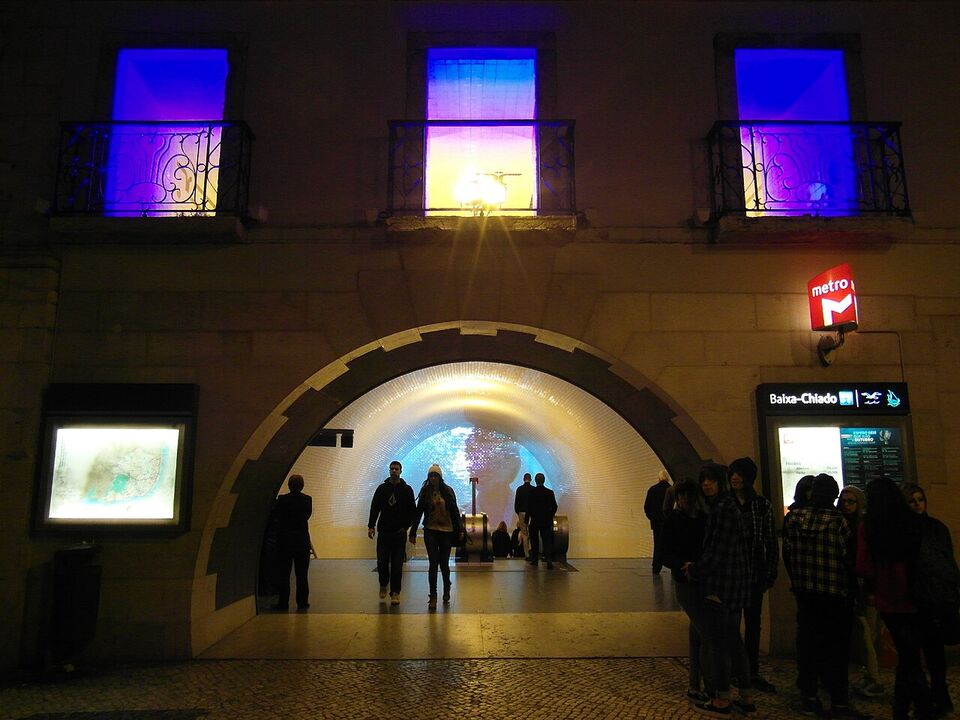
Pickpockets work trams, buses, the Metro, crowded viewpoints, station platforms and busy sights. In Lisbon, the well-known risk areas include the popular tram routes (tram 28 in particular), the narrow streets of Alfama and the main squares and streets of Baixa. Thieves often work in pairs: one distracts you with a question, a bump or a map, while the other lifts a phone or wallet. The crush at a tram door or a metro door is a classic moment. See our Lisbon guide for the layout of these neighborhoods.
Phone snatching
Phones left on a table at a street cafe, held out at a curb to take a photo or checked while walking can be grabbed. Keep your phone away from the edge of a table, and do not use it right next to a busy road or a tram stop. In some cities a thief on a bicycle or scooter does the grab, so be aware of who is behind you.
Rental-car break-ins
Rental cars are a target because thieves know they carry luggage. Break-ins happen at viewpoints, beaches, trailhead car parks and city streets, in daylight as well as at night. Take everything with you. Even a jacket or an empty bag on the seat can attract a smashed window. Never rely on the trunk: thieves watch where people put their bags. Park in staffed car parks overnight when you can. Our driving guide has more.
ATM skimming and card safety
Use ATMs attached to a bank, preferably inside the bank's lobby or during the day. Cover the keypad when you type your PIN. Check for loose parts on the card slot. Cards work almost everywhere in Portugal, so you rarely need much cash. If an ATM offers to charge you in dollars rather than euros, decline and pay in euros. See our money guide.
Simple habits that work
- Carry one card and a small amount of cash in a front pocket or a zipped cross-body bag, and leave the rest at the hotel.
- Keep a bag in front of you on trams and in crowds. Backpacks are easy to open from behind.
- Take a photo of your passport, cards and insurance policy, and save a copy to your cloud.
- Know how to block your cards and lock your phone remotely.
Scams and pitches to know
Tuk-tuk and tout pitches
Drivers and touts approach visitors with tour offers. Some are honest, some overcharge. Agree the price and the duration before you get in, and ask for it in writing or on the phone screen.
Street sellers in the center
People who whisper offers of illegal drugs are common on some streets. What is sold is often fake, and the encounter can be a way to find a target. Say "no, thanks" and keep walking.
Drink pushing
Promoters outside bars offer cheap drinks or shots. Check the price list, avoid accepting a drink from a stranger and watch your glass. Pay with a card you can control, and keep track of rounds.
Fake petitions
A friendly person asks you to sign a petition, then asks for a donation, while a partner works your bag. Wave them off and keep walking.
Taxi and ride issues
Use the taxi rank or a ride-hailing app, which shows the price. Insist on the meter or a price before you leave. Photograph the license plate if in doubt.
Watch out
The couvert (bread, olives, butter and cheese put on the table at many restaurants) is not a scam. It is charged only if you eat it, and you can send it back. Check the price on the menu, and look at the bill. If a restaurant adds a charge you did not agree to, ask politely, and pay by card, so you have a record.
Natural risks
Wildfires and heat
Summer brings a wildfire season to the Portuguese countryside, especially in the interior and the hills, but also at times near the coast. IPMA, the national weather service, publishes daily rural-fire danger ratings for the mainland and for Madeira. Check them before a hike, a drive through woodland or a night in a rural area. If you see smoke, follow local instructions and leave the area. Fires can close roads and rail lines.
Summer heat can be intense. Lisbon's average high in August is about 84°F (29°C), and heat waves push temperatures well above that, particularly inland in the Alentejo and the Douro. Plan sightseeing for the morning and evening, drink water, wear a hat and use sunscreen. Our when-to-go guide shows the seasons, and the health guide covers heat illness.
Rip currents, beach flags and the cold Atlantic
Portugal's Atlantic beaches are beautiful and powerful. Waves are strong and rip currents can pull swimmers away from shore. The sea is cold: about 61°F (16°C) in winter and about 68°F (20°C) in August off Lisbon. The Algarve is warmer, about 72 to 75°F (22 to 24°C) in August and September.
- Swim at lifeguarded beaches. Lifeguard seasons vary, and in the off season many beaches have no patrol.
- Learn the flags. Beaches use a flag system, usually green for calm, yellow for caution and red for no swimming. Confirm the local meaning at the lifeguard stand.
- If caught in a rip, do not fight it. Swim parallel to the shore until you are out of the current, then angle back. Wave an arm for help.
- Do not turn your back on the waves. Rogue waves can sweep people off rocks and low platforms.
Our beaches guide and surfing guide add detail on specific beaches.
Cliff edges
The cliffs of the Algarve, the Sintra coast and the Atlantic headlands often lack fences, and the edges can crumble. Stay back from the edge, avoid selfies near drops, keep children close and never go beyond a barrier. Caves and rock arches are dangerous in swells. The Benagil cave in the Algarve has rules from the maritime authority: swimming into the cave and using the beach inside are banned, and kayaking is restricted to guided groups. Rescues from the area have been reported in the news. Go with a licensed boat or guide, and see the Algarve guide.
Nazaré and big-wave watching
Nazaré's giant waves draw crowds to the headland near the lighthouse on big-swell days. The waves are for experts, and watchers stand near sheer drops. Keep away from the edge, follow barriers and signs, and be careful in wind. Do not walk onto rocks or low areas near the sea. Check the conditions and any closures before you go, since the big-wave window varies from year to year. See Óbidos and Nazaré.
The Azores: weather and volcano zones
The Azores are volcanic islands with fast-changing weather. Fog, rain and wind can arrive within minutes, even on a sunny morning. Fumaroles (steam vents), hot springs and areas with volcanic gases exist on some islands, such as around the hot springs of São Miguel. Stay on marked paths, follow posted warnings and do not wade into unknown hot water. The islands are one hour behind Lisbon (UTC-1). Our Azores guide covers the islands in detail. The U.S. consulate in Ponta Delgada serves American citizens in the Azores.
Madeira trail hazards
Madeira's levada paths and mountain trails are famous and can be hazardous. Drops can be steep with no railing, paths can be wet and slippery, tunnels are dark and rockfalls and landslides happen. Since January 1, 2026, classified (PR) trails need a mandatory online booking with a 30-minute entry slot. The fee is €4.50 per trail (about $5), with a combined daily ticket at €9 (about $10), and fines for walking a trail without booking can reach €10,000 (about $11,200). Levada status changes daily. On November 14, 2026, the visitmadeira.com status showed PR 18 Levada do Rei, PR 6.3 Lagoa do Vento, PR 6.1 Levada do Risco and PR 6.4 Rabaçal open, and PR 14 Levada dos Cedros closed. Check the site on the day, carry a headlamp for tunnels, wear shoes with grip and turn back in fog or heavy rain. See the Madeira guide.
Storms
Atlantic storms can disrupt travel. Storm Charles arrived around November 11, 2026, suspending public events in Lisbon and closing services in some towns. Storm Kristin on January 28, 2026 hit the Sintra hills and closed some sites. In stormy weather, stay away from the coast and from trees, follow civil protection alerts and check that your attraction is open.
Emergencies: numbers, police and consulates
| Need | Contact |
|---|---|
| Police, ambulance, fire | 112 (EU-wide emergency number) |
| Health advice line (SNS 24) | 808 24 24 24 |
| US Embassy Lisbon | +351 21 727 3300; pt.usembassy.gov |
| US Consulate, Ponta Delgada (Azores) | +351 296 308 330; Mon-Fri, by appointment; after hours call the Embassy in Lisbon and ask to be transferred to the officer on duty in the Azores |
| 24/7 line for US citizens in an emergency | +1 202 501 4444 (from abroad) |
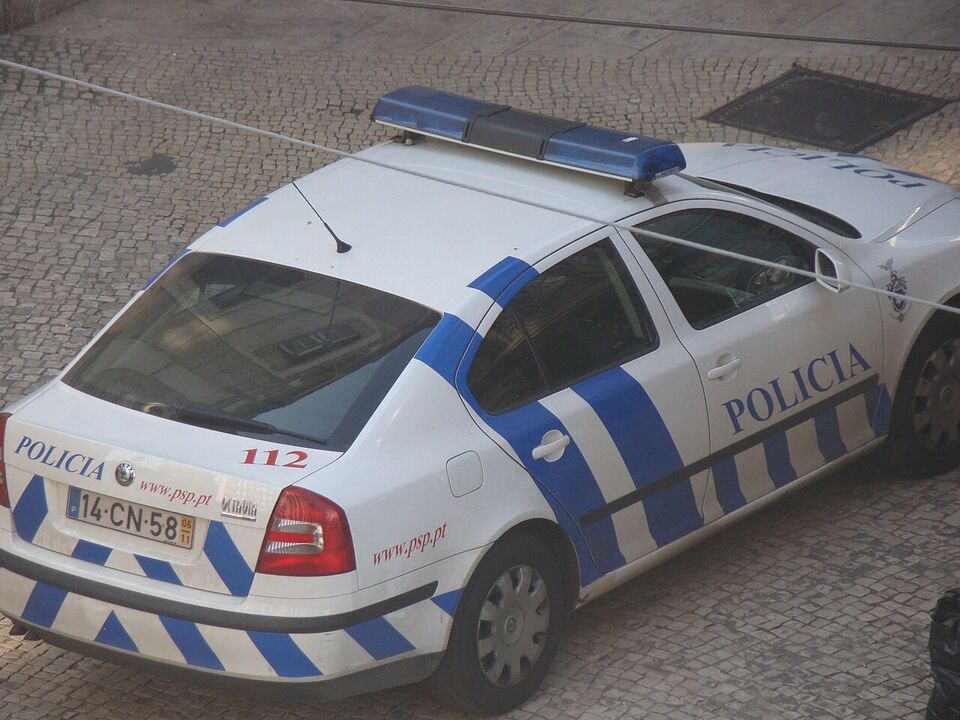
Call 112 and ask for English if you need it. Give your location, the nature of the emergency and your phone number. In Portugal, the PSP (public security police) generally covers towns and cities, and the GNR (national republican guard) covers rural areas. Ask your hotel where the nearest police station is.
If you are robbed
- Go somewhere safe, then call your bank to block cards.
- Report the theft at a police station; your hotel can help. You need a police report for most insurance claims.
- Lock or wipe your phone with its find-my service.
- If your passport is lost or stolen, contact the US Embassy for an emergency passport. Carry a photocopy and a passport-size photo if you can.
- Tell your insurer promptly, and keep receipts.
Insider tip
Save the embassy number and your hotel's address in your phone, and write the hotel name in Portuguese on paper in case your phone dies. A screenshot of your booking works too.
Lisbon's funiculars and the aftermath of the Glória accident
On September 3, 2025, Lisbon's Glória funicular derailed, killing 16 people and injuring more than 20, according to Portuguese media. Since then, the Glória, Bica and Lavra funiculars and the Santa Justa Lift have carried no passengers, and there is no firm reopening date. Carris, the city transit company, plans to replace the Glória and Lavra with new certified equipment, and has pointed to the first half of 2029 for a new Glória, a target that may change. A preliminary investigation finding in October 2025 said the cable was unsuitable and uncertified and the emergency brake faulty, and the final report is not expected before the end of the first quarter of 2027.
What this means for you: do not plan to ride these lifts, even if an older website or pass still lists them. The Graça funicular reopened on April 30, 2026 and is running, usually daily from 7 a.m. to 9 p.m., though Carris listed a temporary closure on November 11, 2026. Tram 28 returned to its normal route after a spring 2026 interruption. These facts change, so check carris.pt for the day. We make no claim about the safety of any one vehicle, and we recommend following operator notices.
Driving safety
Road conditions are generally good, but narrow village streets, steep hills, motorway speeds and unfamiliar signs catch some drivers off guard. Stick to posted speeds. Take a break on long trips. Drinking and driving is a real hazard, because wine with lunch is routine. Read our driving guide for licenses, tolls, parking and the drink-driving limit.
Pedestrians face risks as well. Drivers can be fast on city streets, tram lines run close to the curb, and sidewalks of Portuguese stone can be slick when wet. Wear shoes with grip.
Other travelers: LGBTQ+, solo and families
Portugal is widely seen as welcoming to LGBTQ+ visitors, and Lisbon has a visible gay nightlife area around Príncipe Real and Bairro Alto. Check the current rules and any State Department notes for LGBTQ+ travelers before you go. Public affection is common between all kinds of couples in cities, and smaller towns can be more conservative.
Solo travelers, including women, report few problems, and the standard precautions apply: share your plans, watch your drink and use licensed taxis or apps at night. Families should add sun, water and cliff awareness; see our families guide.
How to prepare
- Check the State Department advisory and enroll in STEP.
- Buy travel medical insurance with evacuation cover; see the health guide.
- Save 112, the embassy number and your hotel address in your phone.
- Carry a copy of your passport and leave the original locked up.
- Use a front-pocket or zipped bag in crowds and on trams, and keep phones away from table edges.
- Leave nothing in a rental car, ever.
- Learn the beach flags, swim only at patrolled beaches, and stay back from cliffs.
- Book Madeira trails online and check IPMA fire danger in summer.
- Check weather alerts and transport notices on the day; see getting around.
- Read the entry guide for passport and border rules.
Add it to a route in the trip builder, or ask us to plan the hotels, trains and guides for you.