Overview: is January worth it?
January is Portugal's quietest and cheapest month, and for some travelers that is the point. The holiday crowds leave after the first days of the month, hotels and apartments are at their lowest prices, and museums, churches and Port cellars have few queues. The cost is the weather: the mainland is cool and wet, daylight lasts only about 9 to 10 hours, and the Atlantic is rough. It suits city breaks, long stays and winter-sun trips to the Algarve or Madeira more than a classic first-time tour of the whole country.
Compare January with the other winter months on when to go, or look back at November and December. If you plan to stay for weeks, read the long stays guide.
Insider tip
Book a flexible rate. January storms can cancel ferries and delay flights, and the best weather windows are hard to predict more than a few days ahead.
Weather and daylight
These are long-term averages (1991-2020) for each region's main station, from public climate summaries based on the Portuguese weather service. A "rain day" has at least 1 mm of rain.
| Place | Daytime high | Night low | Rain days |
|---|---|---|---|
| Lisbon | 59°F (15°C) | 48°F (9°C) | About 10 |
| Faro (Algarve) | 61°F (16°C) | 47°F (8°C) | About 6 |
| Funchal (Madeira) | 68°F (20°C) | 58°F (14°C) | Wet season; no reliable count |
| Ponta Delgada (Azores) | 64°F (18°C) | 55°F (13°C) | About 13 |
Lisbon gets about 104 mm (4.1 in) of rain in January and around 159 hours of sunshine. The Algarve is drier, with about 49 mm (1.9 in) in the month and more sun, which is why it attracts winter-sun visitors. Porto is cooler and rainier than Lisbon, and the mountains and the Douro valley can be cold and foggy. The sea is about 61°F (16°C) in Lisbon in winter, and 61-63°F (16-17°C) off the Algarve.
Time differences: mainland Portugal and Madeira are 5 hours ahead of New York in January. The Azores are one hour behind Lisbon, so 4 hours ahead of New York.
Prices and crowds
January is low season almost everywhere, except for the first days of the month and the Madeira festivities (which end January 10). Hotels usually charge their lowest rates, and you can often get a central apartment in Lisbon or Porto for a fraction of the price of July. We could not confirm 2026-27 rates, so compare live prices for your dates. Tourist taxes still apply: Lisbon charges €4 (about $4.50) per person per night, up to 7 nights, for visitors aged 13 and over, and Porto charges €3 (about $3.40) per night; some Algarve towns charge less outside summer. These are secondary-source figures, so check each council.
Lower prices also mean fewer services. Smaller tours may not run, some restaurants close for staff holidays, and a few attractions operate on winter hours. See the budget guide for how to price a trip and where to stay for neighborhoods.
Save money
January is the best month for a long city stay. Look for weekly or monthly apartment rates, and use a contactless bank card at the Lisbon Metro gates, where a single trip is €1.72 (about $1.93) with a card against €1.92 (about $2.15) for the plain single fare.
Winter sales
The Portuguese winter sales (saldos) typically start in late December or early January and run for several weeks. Each shop sets its own dates and discounts, so there is no single start day to quote, and we did not find an official 2027 date. Look for the sale signs in shop windows in Lisbon's Baixa and Chiado and in the shopping streets of Porto. Clothes, shoes and leather goods are the usual bargains.
Visitors who live outside the European Union can ask for a VAT refund on eligible purchases; Visit Lisboa advertises the "Tax Free Portugal" scheme. We have no confirmed refund minimums or process, so ask the shop before you pay and check the Portuguese tax authority's site. See shopping and bringing things home for customs rules on your return.
Almond blossom in the Algarve
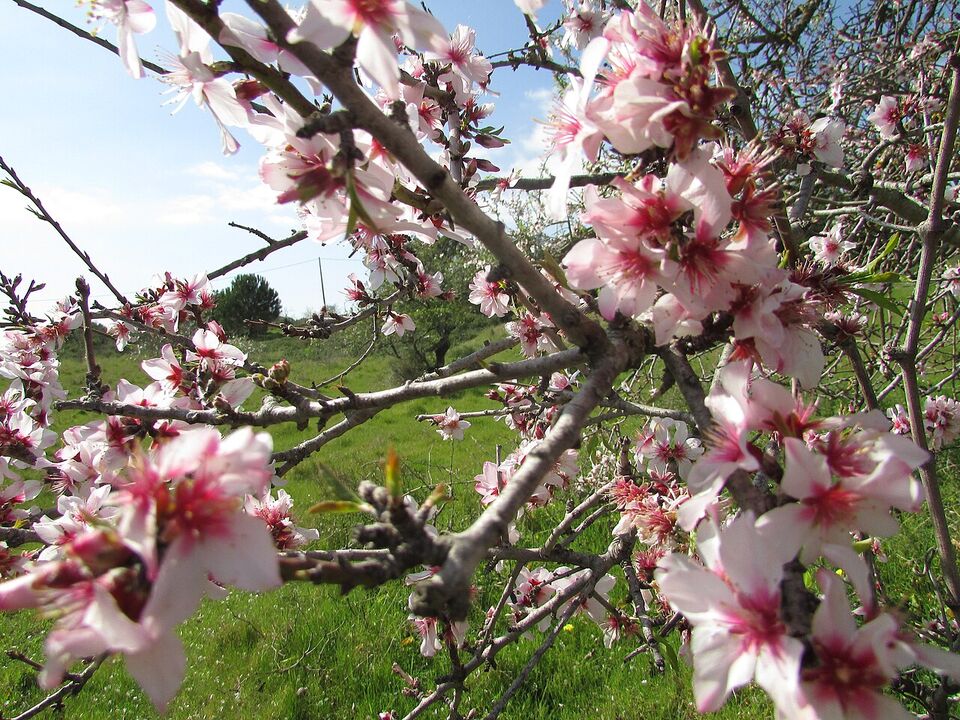
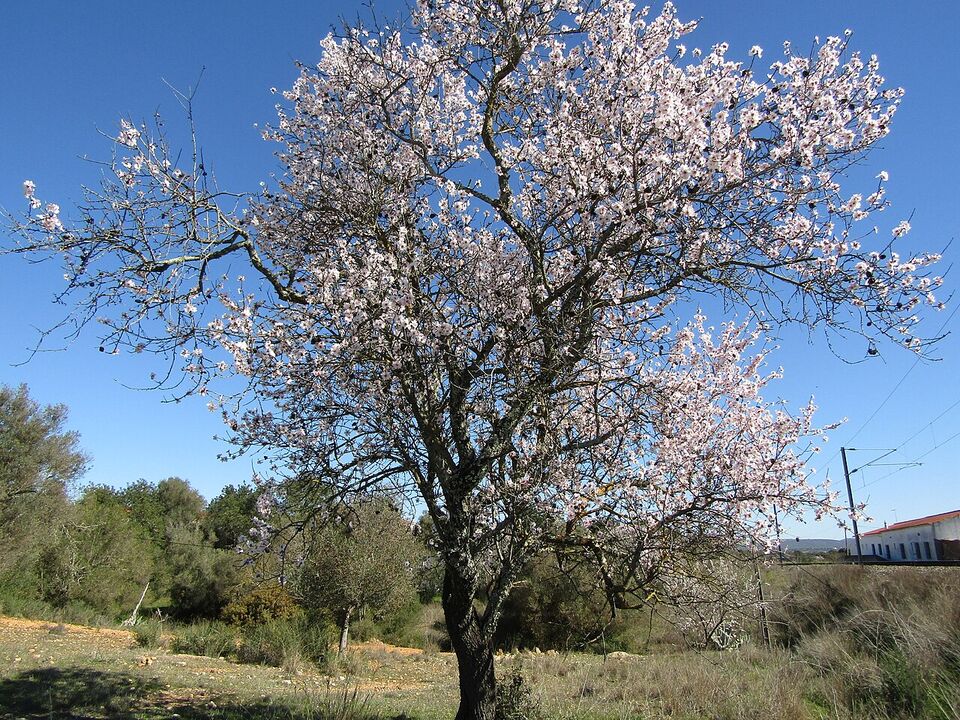
The almond trees of the Algarve flower in winter, covering the countryside inland from the coast with white and pale pink. The bloom usually starts around the end of January and peaks in February, but the timing depends on the winter's temperatures and varies from year to year. We could not confirm 2027 dates, local festivals or a bloom forecast, so check with the Algarve tourism office (visitalgarve.pt) or your hotel shortly before traveling.
The best way to see it is by car or on a walking route inland, away from the beaches. The Algarve is drier and sunnier than the rest of the mainland in January, so it also works as a winter-sun base. See the Algarve guide. In beach towns, expect a quiet scene: some restaurants, bars and boat-tour operators close for the winter, and others reduce their hours. Check opening times before you rely on a particular place.
Big waves and Nazaré
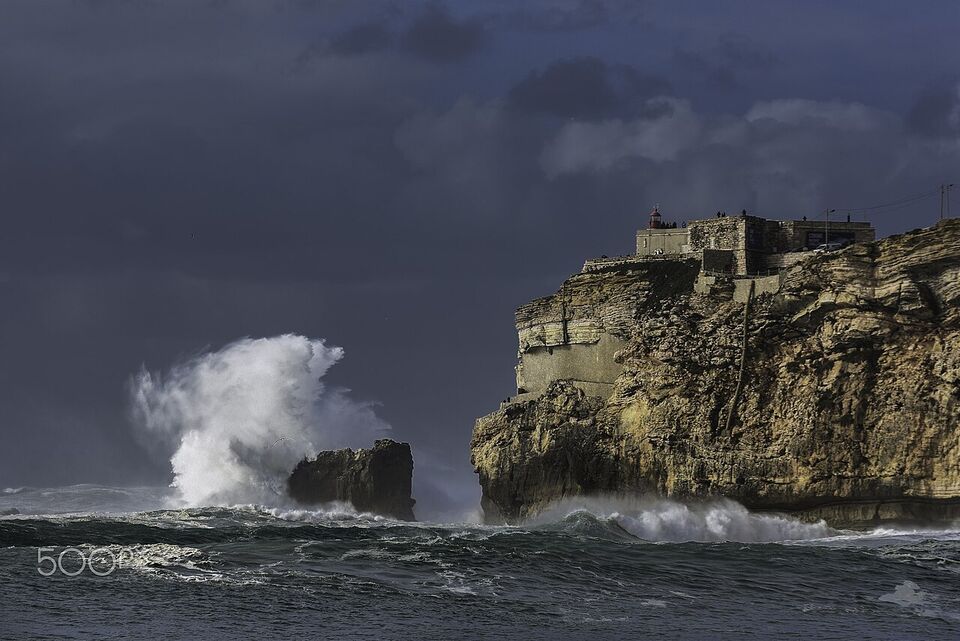
January is the heart of the Atlantic winter swell season. Nazaré, on the coast north of Lisbon, is known for some of the largest surfable waves in the world, which form when North Atlantic storms send large swells toward the headland. Watching them is possible from the clifftop near the fort and lighthouse, and a professional big-wave event has been held there in recent winters. We could not confirm the dates of the 2026-27 competition window, so check the organizers before planning around it.
Safety matters here. Swell, wind and spray can change quickly. Stay behind barriers, follow any local police, civil protection or lifeguard instructions and do not climb onto rocks or walls. Rules at the lighthouse area, including any limits on access, are set locally and can change in big swell, so check with the town's tourist office. The Óbidos and Nazaré guide covers the town, and the surfing guide covers where to surf. Even at less famous beaches, winter currents are strong and lifeguards may not be on duty: do not swim unless you are experienced.
Watch out
Do not turn your back on the sea at rocky viewpoints and sea walls in winter. Large waves can arrive without warning, and the national weather service issues sea warnings. Check IPMA before you head to the coast.
Port cellars, museums and city life without queues
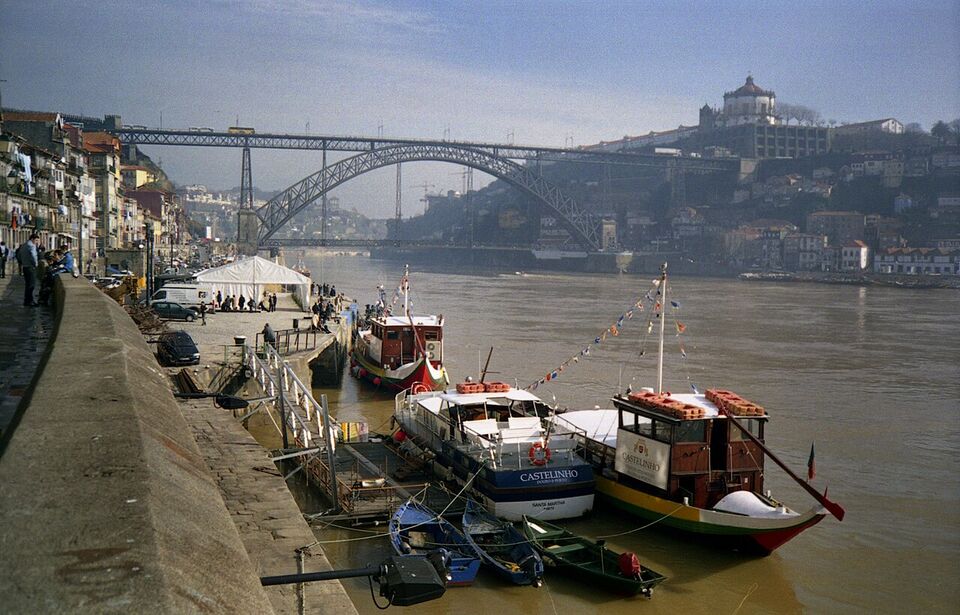
January suits indoor travel. The Port lodges across the river from Porto in Vila Nova de Gaia are warm and quiet, and tours and tastings are easier to book at short notice. In Lisbon and Porto, museums that are crowded in summer have room to breathe. Serralves in Porto has exhibitions that run into the new year: Frank Gehry to January 10, 2027 and Alice Neel to January 17, 2027, with Lee Ufan continuing into March 2027 (dates from the museum's website, so check before going).
The Clérigos Tower in Porto sells tickets for the tower, museum and church, and the monuments in Lisbon's Belém district are quieter. Belém sights close on Mondays, and the Jerónimos Monastery and the Belém Tower close on January 1. MAAT closes on Tuesdays and January 1. Fado houses in Alfama and Mouraria are open in winter, and a quiet evening is a good time to listen: see the fado guide. For ideas by theme, see Lisbon and Porto.
Madeira and the Azores in winter
Madeira is the best choice for mild weather on a Portuguese holiday in January. Funchal is the main base, with daytime highs around 68°F (20°C). The Christmas and New Year lights and market run to January 10, 2027, and the Funchal Carnival follows from February 3 to 14, 2027, according to the official Madeira calendar, which is marked "subject to updates". Walkers should know that classified PR trails have required an online reservation since January 1, 2026: a 30-minute entry slot, about €4.50 (about $5) per trail or about €9 (about $10) for a daily combined ticket, and fines up to €10,000 (about $11,200) for breaking the rules. Trails close for weather or repairs, and one levada was closed on November 14, 2026. Check visitmadeira.com for the day's status. See the Madeira guide.
The Azores are mild but wet and often windy, with about 13 rainy days in January and little sun. Remember that the Azores are one hour behind Lisbon. Flights between islands are weather-dependent, and inter-island ferries run less often outside summer; we did not confirm 2027 schedules. Trails can be muddy and viewpoints cloudy. Treat the Azores in January as a quiet nature and thermal-spring trip, with spare days for delays. See the Azores guide. Flights to the islands from the US are limited and seasonal, so most visitors connect through Lisbon or Porto.
Why January suits long stays and winter sun
Long-stay visitors, remote workers and retirees often choose winter for scouting. Rents and hotel rates are lower, the cities are not packed with tourists and the weather shows what daily life is like for the rest of the year. A winter base in Lisbon, Porto or the Algarve lets you test neighborhoods, transport and healthcare access before you commit. Note that a short stay for Americans is limited to 90 days in any 180-day period, and longer stays need a visa. Read the long stays guide and entry requirements for the rules.
For sun seekers, the most reliable bets are Madeira and the Algarve. Expect cool mornings and evenings and a sea too cold for most swimmers. A heated hotel pool or a spa is a good reason to choose a hotel with one. Our beaches guide says what to expect at the coast in winter.
What to pack
- A waterproof coat with a hood and a compact umbrella
- Warm layers, including a sweater and a thermal base layer for evenings and the north
- Waterproof shoes with grip, since wet stone surfaces are slippery
- A light scarf and gloves for Sintra, Porto and the Douro
- Sunglasses, sunscreen and a swimsuit for the Algarve and Madeira on sunny days
- An adapter for European sockets and your usual medications
Houses and older apartments in Portugal often have limited heating, so a warm layer indoors is common. Ask your host about heating before you book a long stay. More ideas are on the packing page.
Add it to a route in the trip builder, or ask us to plan the hotels, trains and guides for you.