Portuguese wine in one page
Portugal makes far more than port. A short trip can take you through crisp, young whites in the north, rich reds in the Douro and the Alentejo, old fortified wines from Madeira and volcanic whites from the Azores, and most of it is easy to enjoy even if you know nothing about wine. The simplest approach is to learn four ideas: port is sweet and fortified; Vinho Verde is light and fresh; the Douro and the Alentejo are the red-wine heartlands; and Madeira wine is a world of its own.
This guide covers the styles, how cellar visits work, how to order by the glass, tasting etiquette, drink-driving, and what you may bring home. Related pages: the Porto guide, the Douro valley guide, and our food guide for what to eat with each wine. We do not recommend specific bottles or prices here: stock and prices change, and the best bottle is usually the one the person at the table suggests.
Different from home
Wine is part of the meal in Portugal, not an event around it. Lunch and dinner often come with a glass or a carafe, nobody expects a toast or a wine talk, and ordering the house wine is normal and respectable.
What port is
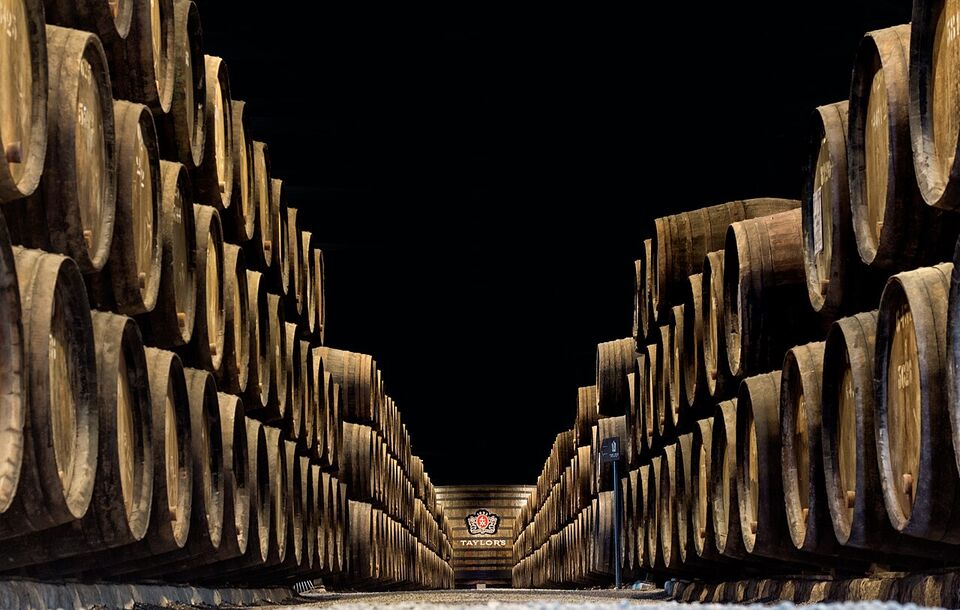
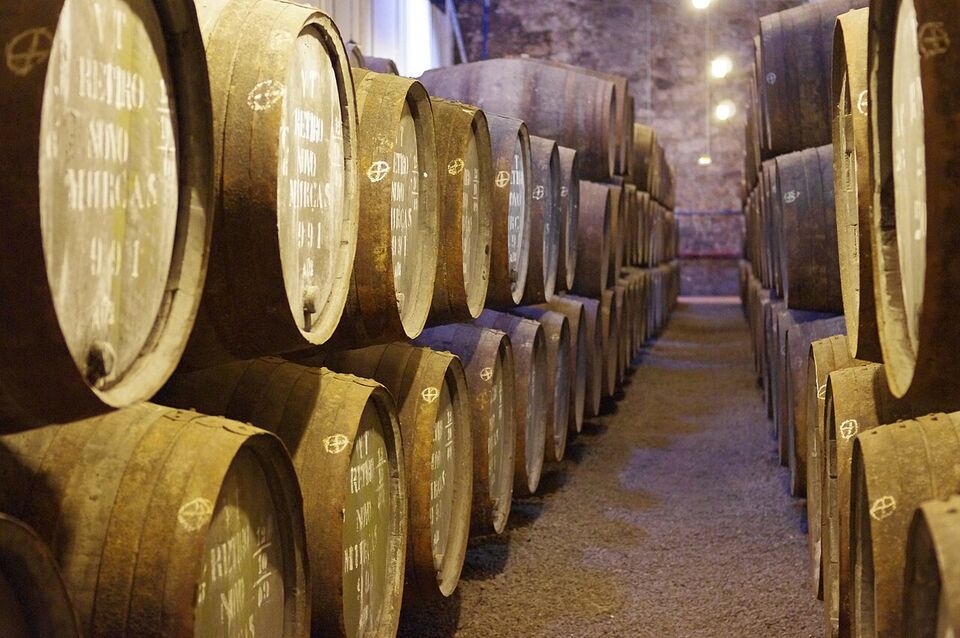
Port (vinho do Porto) is a fortified wine made from grapes grown in the Douro valley in northern Portugal. After the grapes ferment for a short time, a neutral grape spirit called aguardente is added. The spirit stops fermentation, which leaves natural sugar in the wine and raises its alcohol content. The wine is then aged, traditionally in barrels stored in a lodge (the word means cellar) in Vila Nova de Gaia, across the river from Porto, before bottling. The name "port" itself comes from the city of Porto, where much of the wine was shipped.
The Douro was the first wine region in the world with a formal boundary: a royal charter in 1756 defined where port could be produced. For centuries the barrels went downriver in flat-bottomed boats called barcos rabelos; today the wine usually travels by truck, but a few rabelo boats remain on the river as a reminder, and you will see them in postcards of Porto. Port is a protected name, so the bottle must come from the Douro. It is regulated by the Douro and Port Wine Institute (IVDP).
Port styles
Port labels look confusing, but there are only two big families: red ports that stay bright and fruity, and ports aged in barrels until they turn amber ("tawny"). White and rosé ports are lighter and made for mixing. Here is the quick map.
| Style | How it is made | What it tastes like | When to drink it |
|---|---|---|---|
| Ruby (fine ruby, reserve) | Aged briefly in tank or large barrel to keep its red color | Fresh red and black fruit, sweet, simple, bold | As an everyday glass or with chocolate |
| Late Bottled Vintage (LBV) | A single year, aged in barrel for about four to six years before bottling | Ripe dark fruit, softer than vintage; some are unfiltered and need decanting | After dinner, a good first "serious" port |
| Crusted | A blend of several years, bottled unfiltered and aged in the bottle | Rich and complex, with sediment; made only by some houses | Special occasions; must be decanted |
| Vintage | A single declared year, aged only a short time in barrel, then for years in the bottle | Deep, structured and complex; designed to age for 10 to 40 years or more | For collectors and celebrations; finish within days of opening |
| Tawny (10, 20, 30, 40 years) | Aged longer in barrel, with air gradually changing color and flavor; the number is an age indication, not an exact age | Amber; hazelnut, caramel, dried fruit, orange peel, spice | After dinner, with nuts, cheese or dessert; slightly cooler is fine |
| Colheita | A tawny from a single harvest year, aged in barrel | Like a tawny, but with the character of one year | A treat for those who like tawny |
| White port | Made from white grapes; dry (sometimes called "fine white") to sweet | Citrus, honey and almonds; drier styles are crisp | Served chilled or in a "port tonic" (white port, tonic and ice) |
| Rosé port | A modern, lightly colored style | Berry and cherry; sweet and fresh | Over ice or in a cocktail |
If you only taste two ports, make them a tawny and a white (or a port tonic). Tawny is the most approachable after-dinner style for visitors who do not usually like sweet wine, and white port makes a good aperitif. Serve ruby, tawny and LBV at roughly 59 to 68°F (15 to 20°C); a tawny can be slightly cooler and white port should be chilled. An opened tawny keeps for several months, and an old vintage port should be finished within days.
Cellar visits in Vila Nova de Gaia
The port lodges sit on the hillside of Vila Nova de Gaia, a short walk across the Dom Luís I bridge from Porto's riverfront. Their names, on large signs facing the river, include many that came from British merchants who ran the trade from the 17th century; the connection explains why so many houses carry English surnames. Almost all of them offer a guided visit and tasting. Details change, so check each house's website for hours, languages, prices and booking rules before you go.
How a visit works
A typical visit lasts roughly 30 to 60 minutes. A guide walks you through the lodge, explains how the wine is made and aged, and shows rows of barrels and casks. You then taste, usually two to three ports, in a tasting room or on a terrace with views of Porto. Tours are often offered in English at set times, and in summer, weekends and the harvest months of September and October, groups are larger. Booking online for a time slot is a good idea at busy times. Prices vary by house and by what you taste, and older tawnies, vintage flights and food pairings cost more, so check the lodge's price list.
How to choose between houses
You do not need to visit five. Two visits in a day, with a walk and a lunch between, is plenty. Choose by what you want:
- A large, well-known house for a polished tour, a clear history lesson and frequent departures in English. Good for a first visit and for families with older children.
- A smaller or family-run house for a more personal tasting and more time with the guide, often with a more limited schedule. Book earlier.
- A visit with a tasting of older wines if you already know the basics and want to try an aged tawny or a vintage.
- A tasting-only stop at a wine bar or terrace if you do not want a tour. Many offer a flight of three ports by the glass.
Ask three questions when you book: which ports are included in the tasting, what language the tour is in, and how long it takes. Not every house is open every day of the week, so confirm the day. Lodges are on steep streets, and the walk back up to the bridge is the sort of climb that feels worse after a tasting. Taxis are available at the river.
Insider tip
Taste the white port or a port tonic on a warm afternoon, and save the tawny for evening. Eat something first: port is stronger than most table wines (typically around 19 to 22 percent alcohol), and tastings at midday add up quickly.
The Douro valley
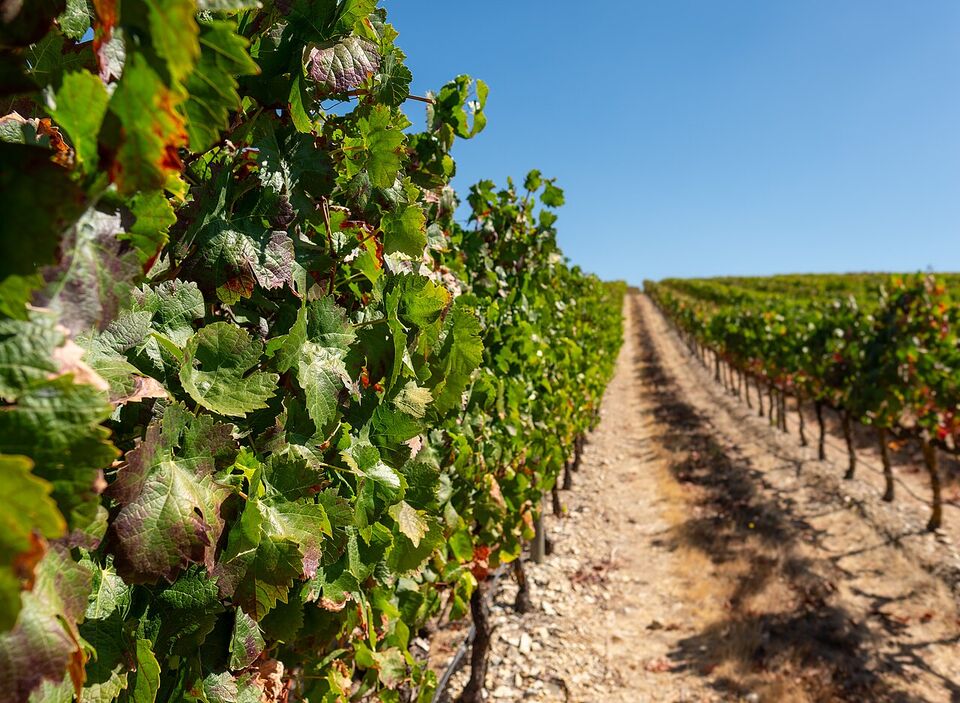
Port grapes grow on steep schist terraces along the Douro River and its tributaries, east of Porto. Wikipedia's Douro DOC article divides the region into three subregions from west to east: Baixo Corgo, the mildest and wettest; Cima Corgo, the largest, centered on the village of Pinhão and home to many of the best-known estates (quintas); and Douro Superior, the hottest and driest. The valley is a UNESCO World Heritage Site, and its landscape is the reason many visitors come, not just the wine.
The same grapes that make port also make dry table wines under the Douro name. Typical grapes include Touriga Nacional, Touriga Franca and Tinta Roriz (the grape Spain calls Tempranillo) for reds, and Gouveio, Viosinho and Rabigato for whites. Douro reds tend to be deep and structured, with dark fruit and a firm finish; the whites are fresh and mineral. Many quintas offer visits and lunches, with a book-ahead system. Our Douro valley guide covers how to get there by train, car and boat. The grape harvest (vindima) typically runs from late August to early October, and it is the busiest and most atmospheric time in the valley, but also the time when estates are busiest and may have less time for visitors.
Vinho Verde and the north
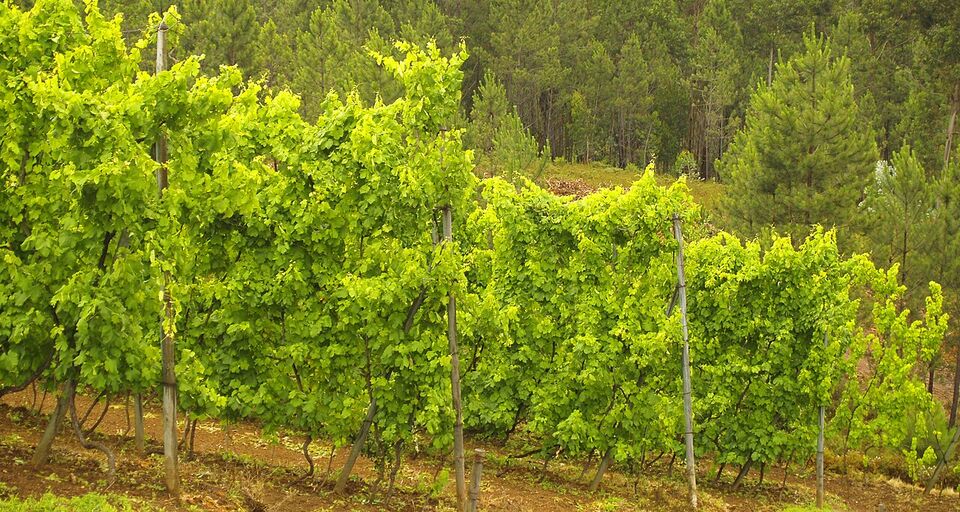
Vinho Verde is a protected wine name for the northwest (the Minho region). "Verde" means "green" in the sense of young: the wine is made to be drunk soon after it is made, rather than aged. Wikipedia notes that it can be white, red or rosé and that it is usually slightly sparkling. The classic white is light, crisp and low in alcohol, with citrus and green apple flavors, and it goes well with seafood, salads and fried snacks on a warm day. Alvarinho, a white grape from the Minho, makes a fuller, more aromatic wine that is highly regarded and usually costs more.
If you drink only one Portuguese white at lunch, make it a Vinho Verde. Red Vinho Verde exists but is an acquired taste: tart, dark, and often served cold in the north. Try it with sausages and grilled meat.
Alentejo, Dão, Bairrada and the rest
- Alentejo (south of Lisbon): warm, sunny plains that produce ripe, soft red wines with plum and spice, plus easy whites. It is the best-known region for approachable reds, and its ripe style is a comfortable first step for drinkers used to fruit-forward American reds. See our Évora and Alentejo guide for wine-region visits.
- Dão (central Portugal, in the hills around the Serra da Estrela): elegant, medium-bodied reds with dry texture and good acidity, often with a more European feel. A good match for roast meats and cheese.
- Bairrada (near Coimbra): firm red wines from the Baga grape, plus sparkling wine. The region's roast suckling pig is a classic partner.
- Lisbon, Tejo and Setúbal: good-value everyday wines near the capital, and Moscatel de Setúbal, a sweet fortified muscat from the Setúbal peninsula.
- The Algarve: a growing wine scene; easy whites and rosés that suit beach lunches.
When you are unsure, ask for a wine from the region you are in. Regional wine tends to pair naturally with the local food, and the server usually knows which bottles are drinking well.
Madeira wine and the Azores
Madeira wine
Madeira (vinho da Madeira) is a fortified wine from the island of Madeira. It is made in a way that deliberately exposes it to heat and air, which is why it can survive open for weeks or months and tastes so distinct: nutty, caramelized, with sharp acidity. The best-known grape names on the label are Sercial (the driest), Verdelho (medium-dry), Boal or Bual (medium-sweet) and Malvasia, also called Malmsey (the sweetest). Cheaper blends often just say "dry," "medium dry" or "sweet," and a few labels mention an age such as five or ten years.
The wine has a special place in American history: in the 18th century it was one of the main wines available in the colonies, and Wikipedia notes that it was served as a toast at the First Continental Congress in 1775 and was used to toast the Declaration of Independence. Several Funchal wine houses offer cellar visits and tastings; check hours before you go. Our Madeira guide covers the island. Madeira is on Lisbon time (Western European Time).
Wines of the Azores
The Azores are known for volcanic whites, grown on black lava soil. On Pico island, vines grow in small walled plots called currais, a landscape protected as a UNESCO World Heritage Site. The wines are crisp, salty and mineral, and they pair with seafood and local cheese. Production is small, and you are more likely to find the wines on the islands than at home. The Azores are one hour behind Lisbon, so if you phone a winery from the mainland, remember the time difference. See our Azores guide.
Comparing the styles
| Wine | Where it comes from | What it tastes like | Pair with |
|---|---|---|---|
| Vinho Verde (white) | Minho, northwest | Light, crisp, citrusy, slightly fizzy | Seafood, salads, fried snacks |
| Douro red | Douro valley | Deep, structured, dark fruit, firm tannins | Grilled meat, roast pork |
| Alentejo red | South of Lisbon | Ripe, soft, plum and spice | Pork, lamb, cheese |
| Dão red | Central Portugal | Elegant, medium-bodied, dry | Roast meats, hard cheese |
| Bairrada red or sparkling | Near Coimbra | Firm and tart; bubbles are crisp | Suckling pig, fried food |
| Tawny port | Douro, aged in Gaia | Nutty, caramel, dried fruit | Cheese, almonds, dessert |
| Ruby port | Douro, aged in Gaia | Sweet, red berry, bold | Chocolate, blue cheese |
| White port | Douro | Citrus, honey, nuts | Aperitif, port tonic |
| Madeira | Madeira island | Dry to sweet, nutty, caramel, sharp acidity | Soup (dry), dessert (sweet) |
| Pico white | Azores | Mineral, crisp, salty | Fish, shellfish |
How to order wine
Wine is usually listed as red (tinto), white (branco) or rosé (rosé), plus verde for Vinho Verde. A mature or aged wine may be called maduro. You can order a glass (um copo), a carafe (um jarro or meio litro for half a liter), or a bottle (uma garrafa). If a wine list is long, ask for the house wine (vinho da casa) or say O que recomenda? ("What do you recommend?"). The server will usually suggest a local bottle.
Two things help. First, ask the price of a glass or a carafe before you order, since restaurant lists sometimes include only bottles. Second, ask whether the wine is served chilled. Whites and roses are usually chilled, reds are served at room temperature, which can be warm in summer, and no one will mind if you ask for an ice bucket.
At a wine bar or in a tasting room, you can often order a "flight" (three small glasses). In a casual bar, you pay when you leave or at the counter. Tipping is optional; see our etiquette guide.
Beer, spirits and coffee
Beer (cerveja) is everywhere, and Portuguese beer halls (cervejarias) serve it with seafood and steaks. A draft beer is called an imperial in Lisbon and a fino in Porto, and you can ask for a smaller or larger one (uma imperial, uma caneca for a big mug). Lager-style beers dominate. Non-alcoholic beer (sem álcool) is easy to find.
Cherry liqueur, ginjinha (or ginja), is the classic small drink in Lisbon, usually served in a tiny cup, with or without a cherry in the bottom (com elas, "with them," or sem elas). The town of Óbidos is known for a version served in a small chocolate cup, and Wikipedia notes that Ginja de Óbidos e Alcobaça is an EU-listed product. Other drinks to know: Licor Beirão, a herbal liqueur; aguardente, a strong grape spirit; and medronho, an Algarve spirit made from the fruit of the strawberry tree. The shot-sized pours can be strong, so go easy. For coffee words, see our food guide.
Tasting etiquette
- Eat first and pace yourself. Tastings and port are stronger than they look. Drink water between pours.
- It is fine to spit or pour out at a winery tasting; a bucket is usually provided. At a port lodge tasting, most people drink.
- Hold the glass by the stem or base, swirl gently and smell before you sip. Nobody expects wine vocabulary.
- Taste in the order given. Guides usually go from lighter to richer.
- Buying is optional. You have no obligation to purchase, although a small purchase is a nice thank-you.
- Ask before photographing other guests or the staff, and check whether flash or tripods are allowed in the cellar.
- Be on time for a booked tour. Groups start together.
- Do not ask for ice in a fine tawny or vintage; it is normal for white port and a port tonic.
If a tasting runs long or the guide does not speak much English, a polite Obrigado (a man says this) or Obrigada (a woman says this) at the end is enough. Our phrases page has the words you need.
Drinking age and drink-driving
The legal age to buy and drink alcohol in Portugal is generally 18; confirm the current rule with local sources, and expect to be asked for ID if you look young. Public drunkenness is frowned on, even in places where the streets are busy at night.
The legal blood-alcohol limit for drivers is commonly given as 0.5 grams per liter (about 0.05 percent), lower than the 0.08 percent standard in most US states; check the Portuguese road-safety authority (ANSR, ansr.pt) for the current limit and the rules for new drivers. In practice, treat it as zero: one glass of wine can put you near the limit, and fines and penalties are serious. A winery lunch and a rental car do not mix on the Douro's winding roads. Use a driver, a taxi, a ride-hailing app (TVDE), the train or a guided tour. Our driving guide covers rental cars and road rules.
Watch out
Do not plan a self-drive Douro wine-tasting day. The roads are narrow and steep, tastings add up, and the best views are from the road. Book a driver, a boat or train day, or stay at a quinta and walk.
Bringing wine home
US customs
Under CBP rules, a returning US resident has an $800 duty-free personal exemption, usable once every 31 days. One US liter (33.8 fluid ounces) of alcohol may be included in that exemption if you are 21 or older and it is for personal use. Alcohol beyond one liter is dutiable and taxed even if you have not used up the $800, and the law of the state where you land also applies. In practice: one 750 ml bottle fits in the free liter; a second bottle is taxed. A standard case holds nine liters. Declare what you carry. Verify the current rules at cbp.gov before you go. The rules on the Portuguese and EU side (limits for alcohol, tobacco and large amounts of cash) are on the Portuguese customs site; check them rather than relying on a number from us.
Packing and shipping
- Checked bag: wrap bottles in clothing or use a padded wine shipper, which is sold in many wine shops. Most airlines allow it as checked luggage; check the weight limit.
- Carry-on: US airport rules limit liquids in carry-on bags. Wine bought at duty-free in a sealed security bag can generally go through, but connecting flights can cause trouble. Ask at the shop and keep the receipt.
- Shipping: many US states restrict or ban receiving alcohol shipped from abroad, and carriers may require an adult signature and an importer. Shipping from a wine shop in Portugal is not simple, and we could not confirm current rules. Check your state's laws and ask the shop what it can legally send.
- Port and Madeira are good choices to carry: sealed bottles travel well and a few hold their value. Vintage bottles are heavier and fragile; do not carry what you cannot afford to lose.
For other things to buy and carry, see the shopping and bringing things home guide.
Add it to a route in the trip builder, or ask us to plan the hotels, trains and guides for you.