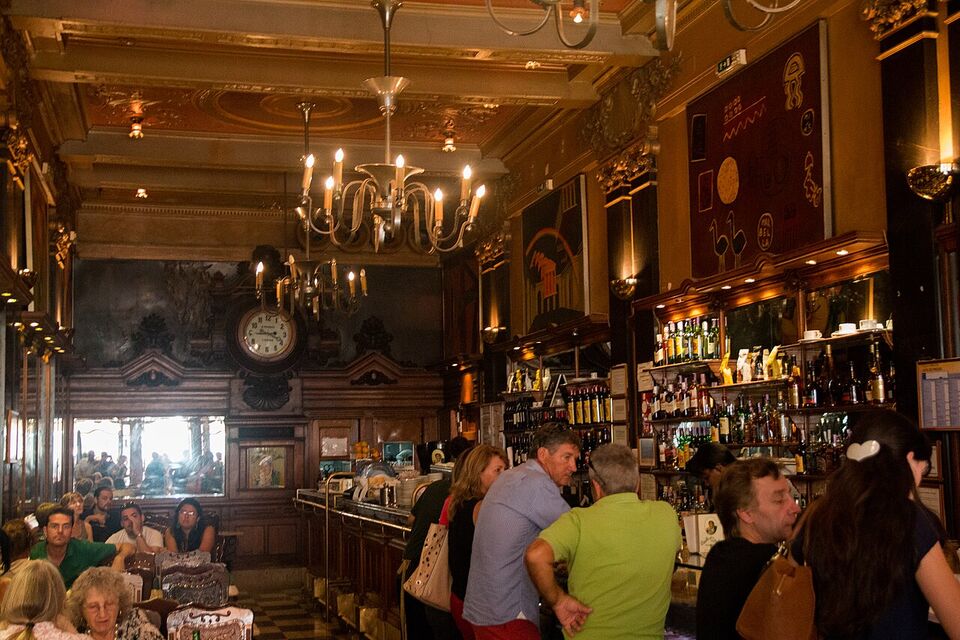
The short version
Portuguese manners are quiet, courteous and a little formal, and they are easy to follow. Greet people when you walk in, speak softly, say please and thank you, let meals take their time, and do not assume that everyone speaks Spanish. If you do those things, you will be welcomed almost everywhere.
This guide covers greetings, forms of address, meal timing, the couvert, tipping, dress, church visits, queuing, drinking habits, sensitive subjects and photography, with a do-and-do-not table at the end. Related pages: our food guide, Portuguese phrases and money and tipping guide.
Different from home
American friendliness (a loud hello, quick first names, big smiles for strangers) can read as pushy in Portugal. Calm and courteous works better. A modest hello and a quiet thank you go further than enthusiasm.
Greetings and polite words
A handshake is the safe greeting on a first meeting, with eye contact and a brief prazer ("pleasure"). Among friends and family, and often between acquaintances, people greet with two kisses on the cheek, starting on the right, with no real contact: more of a cheek touch and a sound. Women kiss women and men, and men who know each other well may embrace or shake hands. Follow the other person's lead, and do not be offended if someone offers a hand instead.
The most important habit is to greet on entering a small space: say bom dia (good morning), boa tarde (good afternoon) or boa noite (good evening or good night) when you enter a shop, café, pastry shop, bakery, small hotel lobby or doctor's waiting room, and say it again, along with obrigado (a man says this) or obrigada (a woman says this), when you leave. Walking in and asking for something without a greeting feels abrupt. Add por favor (please) and com licença (excuse me) when you pass through a crowd. The phrase table on our phrases page shows how to say each one.
Names and titles
Portuguese use titles more than Americans do. Adults you do not know are addressed as senhor (Mr. or sir) or senhora (Mrs., ma'am), and people with a university degree are often called doutor or doutora. A common polite way to speak to a stranger is to avoid "you" and use the person's title or a polite verb form, such as o senhor or a senhora. Younger people and anyone in a casual setting use first names and the informal tu. In general, wait for older people and professionals to offer first names.
Voice, space and public behavior
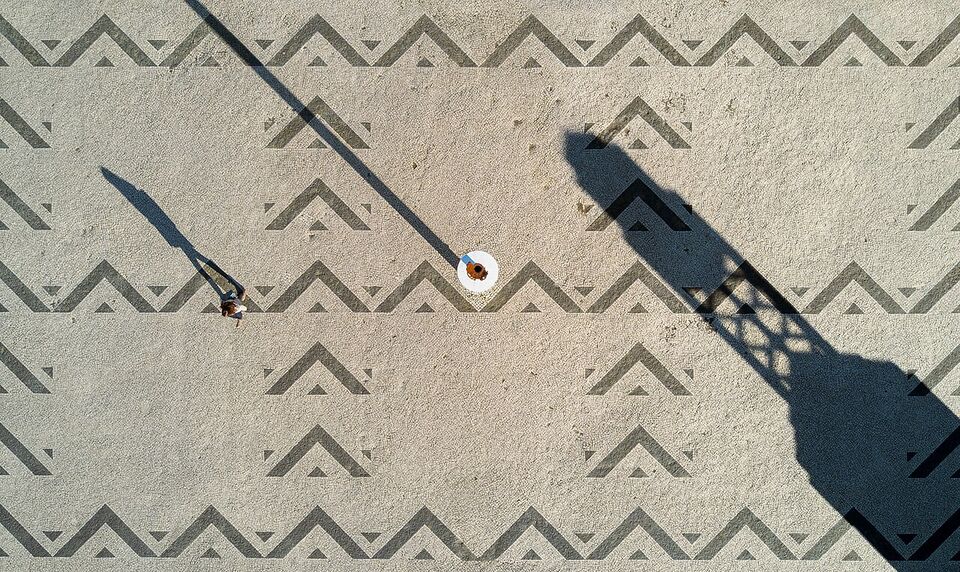
Voices are lower in Portugal than Americans are used to, particularly on trams, trains, in cafés and in restaurants. Talking loudly on a phone on public transport is rude, and hotels and apartment buildings in older neighborhoods have thin walls. Residents live above the bars and restaurants in busy areas such as Bairro Alto in Lisbon and the Ribeira in Porto, so keep your voice down on your way home at night.
Personal space is smaller than in the US: people stand closer in lines and on the metro, and touching an arm in conversation is not unusual. Open displays of anger are unusual, and a calm complaint gets better results than a raised voice. If you have a problem at a hotel or restaurant, explain it politely and ask what can be done; for official disputes, you can ask for the complaints book (livro de reclamações), which many businesses are expected to keep. Try a calm conversation first.
Time, punctuality and the pace of a day
Portugal has a relaxed sense of time in social life and a more punctual sense of time in transport. Dinners with friends start late and run long. Shop and restaurant service is unhurried, and waiting to be served is normal. Trains, ferries, flights, tours and timed tickets (for example at Sintra's palaces) are another matter: they run on schedule, and a late arrival can mean a missed slot. See our Sintra guide for timed tickets.
Meal times are later than at home. Lunch is generally served between noon and 2 p.m. and often lasts over an hour, and dinner around 8 p.m. In busy tourist districts, kitchens may open earlier. Many small businesses close on Sundays or Mondays, and some shut for a long lunch. Time zones matter for calls home: mainland Portugal and Madeira are on Western European Time, normally 5 hours ahead of New York, and the Azores are one hour behind Lisbon. The gap is 4 hours for about two weeks in March and again from late October to early November, when the US and Europe change clocks on different dates.
At the table
The couvert
At many restaurants, a waiter puts bread, olives, butter, cheese or small dishes on the table before you order. This is the couvert and it is usually listed on the menu with a price. It is not a trap: you pay only for what you eat, and you can decline it by telling the waiter, or by leaving it untouched and asking for it to be taken away. Check the price if you want to eat it. If an item you did not eat appears on the bill, say so politely. Our food guide has the details.
Ordering, sharing and pace
Do not expect the waiter to hover. Service is polite but unhurried, and the waiter will come when you make eye contact or raise a hand slightly. Say Se faz favor or Com licença to get attention; do not snap your fingers or wave. Portions are often large; it is normal to share a main dish (ask if it is "para uma ou duas pessoas," for one or two people). Dessert and coffee come after the main course, and espresso (um café) is the usual end to a meal. Clearing plates is slow on purpose: staff do not rush you out.
Asking for the check and tipping
The check arrives only when you ask for it. Say A conta, por favor ("the check, please") or make a small writing motion in the air. Paying at the table with a card is standard; the server brings a card machine. Tell the server whether you want to pay together or separately (juntos ou separados) when you order if you plan to split, as it is easier than sorting it out later.
Tipping is optional. A reasonable habit is to round up the bill at a café or leave a few coins; for a sit-down meal with good service, leaving a few euros is generous and common. Nothing close to the US norm of 18 to 20 percent is expected. For taxis, rounding up the fare is enough. For hotel porters and guides, a euro or two, or a small tip for a long tour, is appreciated but not required. Cash is the simplest way to tip. These are customs, not rules, and practice varies, so check the bill to see whether a service charge has been added.
Save money
Do not tip American-style out of habit. Doubling a modest tip because you are used to 20 percent adds up, and it can make staff uncomfortable. A smile, thanks and a few euros for outstanding service is enough.
Drinking habits
Wine and beer are normal at lunch and dinner, and Portuguese drink in moderation, with food. Getting drunk in public is looked down on, even among young people at night, and loud intoxicated groups, especially in historic neighborhoods, attract disapproval. Coffee is the usual end to a meal, and a glass of port or a small glass of ginjinha (cherry liqueur) is a common after-dinner treat. In bars, you often pay at the end or at the counter. A toast is simple: say saúde ("health"), look people in the eye, and clink. The legal drinking age is generally 18; confirm before you go. Never drive after drinking. See our wine and drinks guide for tasting etiquette, drinking age and drink-driving.
Dress
People dress neatly and a little more formally than in many American tourist spots. Shorts and sandals are fine in summer, but going shirtless or in a swimsuit outside the beach, in shops or in town is out of place. In Lisbon and Porto, smart casual works almost everywhere, including good restaurants: jeans, a clean shirt and comfortable shoes. A few upscale restaurants and fado houses appreciate a slightly dressier outfit, but jackets are rarely required. Cobbled streets and hills call for good walking shoes, not heels. In winter, a rain jacket is more useful than an umbrella. See the packing guide for a longer list.
Churches and religious sites
Portugal is a historically Catholic country, and many churches and monasteries are active places of worship as well as monuments. Dress modestly: cover shoulders and knees, remove hats, and keep phones silent. Speak in a low voice or not at all. If a service is under way (and this is common on Sundays and holy days), do not walk around, take photos or sightsee in the main nave; wait or visit another time. Some churches have separate times for visitors and worshippers. For example, at the Jerónimos Monastery, the church has shorter hours on Sundays and religious holidays, and the cloister has its own hours; check the official site.
The Sanctuary of Fátima is a major pilgrimage site where worshippers come from around the world. Be especially respectful, dress modestly, keep your distance from people praying, and do not interrupt processions or the rosary. The shrine has set times for Mass and the rosary, and winter schedules began on November 1, 2026. Entry to the shrine grounds is generally free. Churches usually welcome small donations in the box. See our Lisbon sights guide for monuments and visiting hours.
Queuing and the pastry-shop counter
Portuguese are orderly queuers, though not always in a straight line. In pastry shops, bakeries, pharmacies, banks and some government offices, you take a numbered ticket from a machine (senha) and wait for your number. If there is no machine, ask Quem é o último? ("Who is last?") and remember who is ahead of you. Do not cut in when a clerk looks at you out of turn; wait for your own turn.
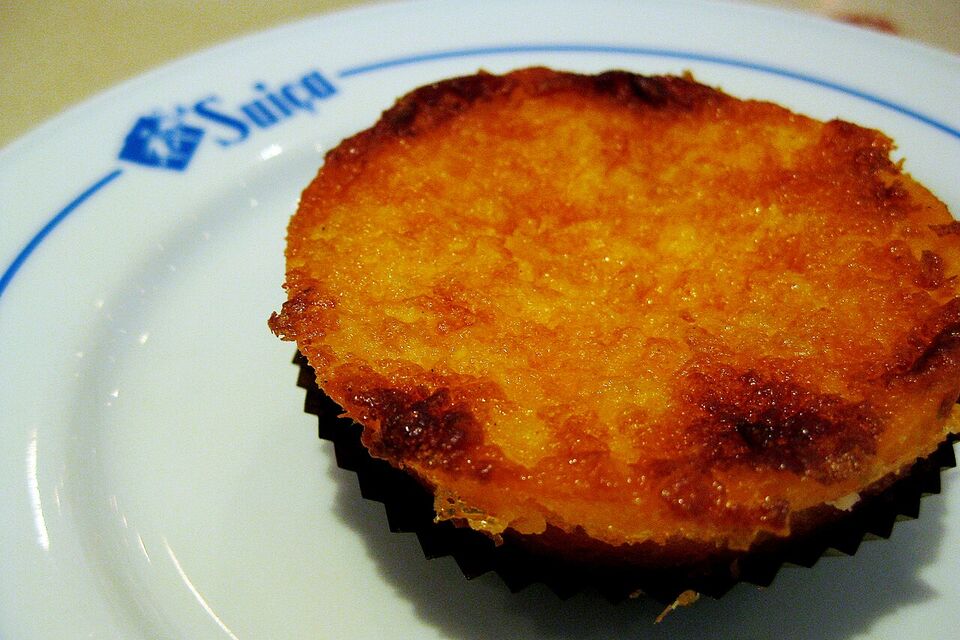
At a pastry-shop counter, the usual habit is to order at the counter, eat standing and pay at the end or at the cash register. Say para comer aqui ("to eat here") or para levar ("to take away"). A pastel de nata and a coffee at the bar are a classic mid-morning stop. Points to note: if the café has a separate cashier, you may be given a slip to pay first; sitting at a table often costs a bit more than standing at the counter in some places; and you can ask the staff what is fresh from the oven.
Football, politics and history
Football (soccer) is a national passion, and most people follow one of the big clubs. Ask a Portuguese person about the national team or their club and you may get a long, cheerful answer; avoid mocking anyone's team, especially in a bar, because rivalries between the major clubs are serious. It is better to listen than to argue.
It is wise to avoid opening with politics, religion and criticism of Portugal. Portuguese people are happy to talk about their country's problems among themselves, but outsiders who criticize can come across as rude. Sensitive history topics include:
- The dictatorship. Portugal lived under an authoritarian regime, the Estado Novo, until the Carnation Revolution of April 25, 1974. Freedom Day (April 25) is a national holiday. Many older Portuguese have personal memories. Ask questions with curiosity rather than judgment.
- The colonial past and the Age of Discoveries. Portugal's maritime history, the empire and the slave trade are discussed openly in Portugal, but views differ, and some monuments in Lisbon are debated. Do not make jokes or assume everyone sees the Age of Discoveries as a simple source of pride.
- Immigration, tourism and housing. Residents in Lisbon and Porto have strong feelings about rising rents, short-term rentals and crowds. Do not complain about locals' mood or prices in front of them, and treat residents as hosts, not as scenery.
- Spain. The two countries are close neighbors with a long and sometimes tense history. Do not treat Portugal as a part of Spain, and avoid comparing the two unless you are praising Portugal.
English, Portuguese and not mistaking it for Spanish
Many people in tourist areas, hotels, restaurants and the younger generation speak good English, and you can generally ask for help in English. Older people and people in small towns and villages may speak less. A little Portuguese goes a long way: bom dia, obrigado or obrigada, por favor, desculpe and fala inglês? ("do you speak English?") are enough. Ask first whether the person speaks English rather than launching into it.
Portuguese is not a dialect of Spanish. The two languages are related and look similar on paper, but they sound very different and are not interchangeable. Speaking Spanish to a Portuguese person, or using Spanish phrases as a shortcut, is likely to annoy people who have heard it many times. Say it in English instead, or try the Portuguese phrase. See our phrases page, which includes a section on why Spanish does not work.
Bargaining, shopping and cash
Bargaining is rare. Prices in shops, restaurants, taxis and markets are fixed, and haggling is unusual outside flea markets and craft stalls, where a small friendly discount for several items may be possible. Do not bargain for food or in shops with price tags. Many shops ask you to greet the staff, ask permission before taking photos of goods, and tell you when they close for lunch. Cards work in most places, but carry a little cash for small cafés, markets and some taxis. For VAT refunds, see our shopping guide.
Photographing people and private places
Ask before photographing people up close, especially older people, children, street vendors, fishermen and people praying. A smile and a gesture toward the camera are usually enough. Do not photograph strangers' children without the parents' permission. Inside fado houses, silence is expected during songs (the traditional call is silêncio, que se vai cantar o fado, "silence, fado is about to be sung"), so keep your phone away, turn off flash and sound, and ask before filming. Fado is a living tradition, listed by UNESCO in 2011; treat it as a performance, not background music. See our fado guide.
Some monuments forbid flash or tripods, or photography in certain rooms; follow the signs. Do not fly a drone without checking the current rules.
Do and do not
| Do | Do not |
|---|---|
| Greet staff with bom dia, boa tarde or boa noite when you enter and say obrigado or obrigada when you leave | Walk in and start ordering without a greeting |
| Shake hands on first meeting and follow the other person's lead on kisses | Go in for a hug or two kisses uninvited |
| Speak softly in public, especially at night in old neighborhoods | Talk loudly on trams, trains or phones |
| Ask for the check when you are ready | Expect the check to arrive on its own, or wave to rush the waiter |
| Check the price on couvert items; decline what you do not want | Assume the couvert is free, or call it a scam |
| Round up or leave a few euros for good service | Tip 18 to 20 percent from habit |
| Dress neatly; cover shoulders and knees in churches | Wear swimwear or go shirtless away from the beach |
| Ask Fala inglês? before using English, and try a few Portuguese words | Speak Spanish or assume Portuguese is a dialect of it |
| Take a ticket (senha) and wait your turn | Push to the front at the pastry counter |
| Be on time for tours, trains and timed tickets | Assume that relaxed also applies to transport |
| Ask before photographing people; stay silent during fado | Film or talk during a fado song |
| Show interest in history and food | Joke about the dictatorship, empire or football rivalries |
Insider tip
If you remember only one habit, make it the greeting. A simple bom dia on entering any shop, café or small hotel changes how people treat you, and costs nothing.
Add it to a route in the trip builder, or ask us to plan the hotels, trains and guides for you.