Overview
Portugal is an easy country for staying healthy. No vaccines are required, pharmacies are easy to find, and most visitors never see a doctor. The common problems are the ones that follow travelers anywhere: sunburn, blisters, stomach upsets, a twisted ankle and, on the coast, jellyfish and strong surf.
What catches Americans out is the cost and the paperwork. Your US health plan probably does not pay for care in Portugal, and a hospital stay, an air ambulance or a broken ankle on a remote island can be expensive. This page covers vaccines, insurance, how the Portuguese health system treats visitors, pharmacies, bringing medicine, sun and heat, insects, water and food, ocean hazards and a quick table for common problems. For crime, scams and emergency contacts, see our safety guide.
Vaccines and a pre-trip check-up
The CDC lists Portugal at Level 1, "Practice Usual Precautions." No vaccine is required for entry. The CDC advises:
- Routine vaccines. Make sure measles-mumps-rubella (MMR), diphtheria-tetanus-pertussis, chickenpox, polio and your yearly flu shot are up to date. A global measles notice from the CDC (dated May 28, 2025) asks all travelers to be fully vaccinated against measles.
- Hepatitis A. The CDC suggests considering it for most travelers.
- Hepatitis B. Suggested for unvaccinated travelers younger than 60.
- Rabies. Dogs with rabies are not commonly found in Portugal. Still, treat bites and scratches from any animal seriously: wash with soap and water and see a doctor.
- Yellow fever. Not recommended or required.
See your doctor or a travel clinic at least a month before you leave (the CDC's advice), and sooner if you can. Bring up any chronic condition, a plan for prescriptions and any procedure you might have just before the trip. The CDC page (wwwnc.cdc.gov/travel) is the place to check for updates. We summarize it here, as it stood in November 2026; the measles notice on it is dated May 28, 2025.
Travel insurance and medical evacuation
Medicare generally does not cover care outside the United States, and many private plans, including some Medicare Advantage and employer plans, cover little or nothing abroad, or only emergencies with high out-of-pocket costs. Call your insurer and ask exactly what is covered in Portugal, whether you must pay first and claim later, and whether they cover evacuation.
Buy a travel medical policy that includes:
- Emergency medical care with a high limit.
- Medical evacuation and repatriation. An evacuation from the Azores or Madeira to the mainland or the US is the most expensive thing that can go wrong. Make sure the policy covers it, and ask whether it applies to adventure activities such as hiking, canyoning or boat tours.
- A 24-hour assistance line that can arrange hospital admission and direct billing.
- Trip cancellation and interruption if you have prepaid trips, because storms, strikes and illness can disrupt plans.
Read the exclusions for pre-existing conditions, and note the time limits for buying a policy after your first deposit. Keep a copy of the policy number and the assistance phone number on your phone and on paper. Some cards also provide limited coverage, but check the terms. Our budget guide helps you plan for the cost.
Different from home
Portugal has a public health service, the SNS (Serviço Nacional de Saúde), and Europeans can use it with their health card. Americans cannot rely on that. Visitors without European coverage may be billed as private patients and may need to pay on the spot and claim back from their insurer. Ask for an itemized bill and a receipt in writing.
How the Portuguese health system works for visitors
Emergencies: 112
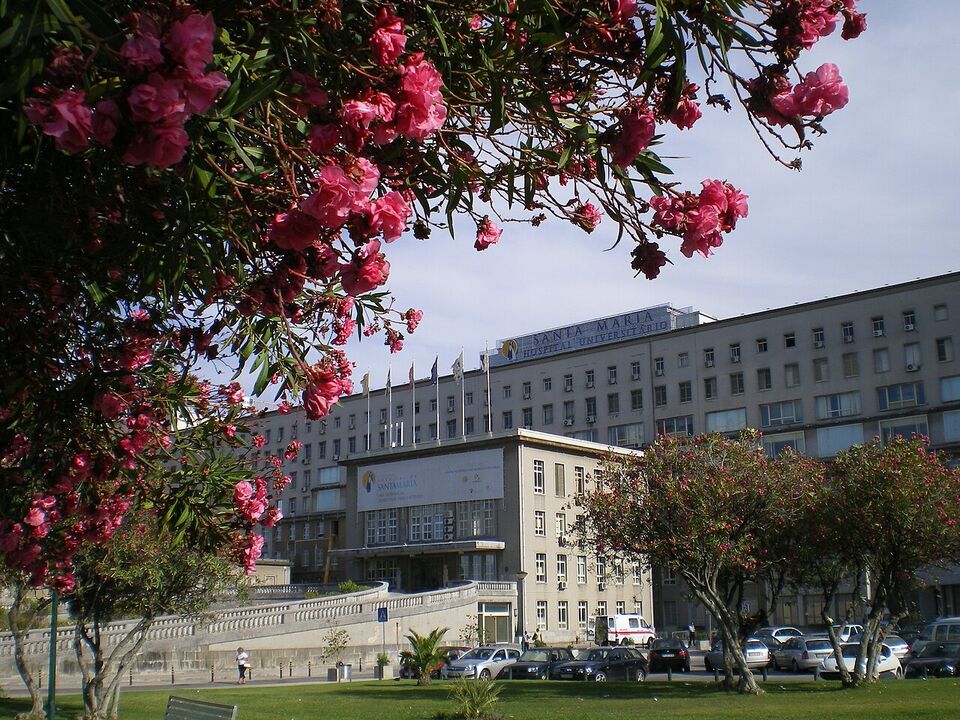
For a serious emergency, call 112 from any phone. It works across the EU and connects you to ambulance, police or fire. Say where you are, what happened and your phone number. If you are unsure, keep the line open and follow instructions. The hospital emergency departments are called urgências. Emergency departments triage by severity, so a minor problem can mean a long wait.
Non-urgent help: SNS 24
The national health line, SNS 24, is on 808 24 24 24. It advises callers and directs them to the most appropriate health unit according to their symptoms. There is also an SNS 24 app and counter service. It can be a useful first stop if you are unsure whether a problem is an emergency. English-language help may vary, so have a hotel or host ready to translate.
Public hospitals, health centers and private clinics
| Option | Best for | Notes |
|---|---|---|
| Hospital emergency department (urgência) | Serious injury or illness | Public hospitals are triaged and can be slow; you will be billed as a non-resident |
| Health center (centro de saúde) | Local primary care | Aimed at residents; may be hard for visitors to use |
| Private clinic or hospital | Same-day appointments, English-speaking staff, minor injuries | Often quicker and easier for visitors; costs vary, so ask for the price before treatment |
| Pharmacy (farmácia) | Minor ailments, advice, over-the-counter medicine | Pharmacists can advise and refer you |
We give no prices for visits, because they vary by provider. Ask what the visit, tests and any follow-up will cost. Your travel insurer's assistance line can steer you to a private provider that bills the insurer directly.
On the islands
Madeira and São Miguel have hospitals in the main towns (Funchal and Ponta Delgada), while smaller islands have limited services and may transfer serious cases. That is one reason evacuation cover matters. The Azores are one hour behind Lisbon, so allow for that when you call home or a doctor. The US consulate in Ponta Delgada can help American citizens with referrals; see the contact table in our safety guide.
Pharmacies and after-hours care
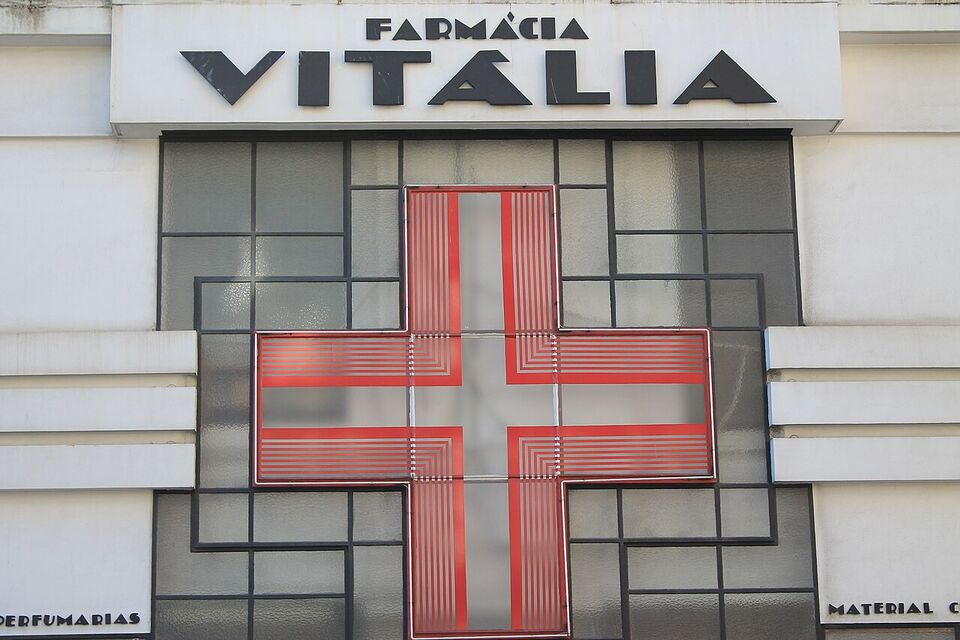
Pharmacies are marked by a green cross and the word farmácia. Pharmacists in Portugal give advice for minor problems such as colds, stomach upsets, insect bites and small injuries, and they can tell you if you need a doctor. Some medicines that are sold over the counter in the US need a prescription in Portugal, and the reverse can be true. Bring the generic (active ingredient) name of any medicine, since brand names differ from country to country.
Pharmacies keep regular shop hours, with a reduced schedule on Saturday afternoon and Sunday. Each town has an on-duty pharmacy (farmácia de serviço) that stays open after hours on a rota. The duty list is posted in pharmacy windows, and often online or in local apps. Ask at any pharmacy or your hotel for the current list.
Insider tip
Take a photo of the label of any medicine you use, with the generic name and dose. A pharmacist can often find the local equivalent from that, without a prescription for small items such as allergy tablets, pain relief or rehydration salts.

Prescriptions and bringing medicine
- Pack in your carry-on, in original labeled containers, with enough for the trip plus a few spare days in case of delays.
- Bring a doctor's letter that lists the medicine by generic name, the dose and the reason. It helps at security and customs.
- Controlled substances such as opioid painkillers, some sleep medicines and stimulants used for attention disorders can be restricted. Rules differ by drug, so check with the Portuguese regulator INFARMED, the Portuguese customs authority, your airline and the US Embassy before you fly.
- Syringes and devices. If you use insulin or injectors, carry a letter and keep supplies with you. Ask your airline about batteries and pumps.
- Refrigerated medicine. Bring a cool pack and ask your hotel for a fridge.
- Returning home. Keep medicines in original packaging, since US customs may ask questions.
Customs rules for medicines change, so verify them with the official customs site of Portugal and the CDC's guidance on traveling with medicine before you travel. Our packing guide has a checklist of what to bring, and the entry guide explains the border process.
Sun, heat and wildfire smoke
Portugal gets more sun than most of the US Northeast, and the Atlantic breeze can hide how strong it is. Lisbon averages about 340 to 350 hours of sunshine a month in July and August. Summer highs in Lisbon average about 83 to 84°F (28 to 29°C), and heat waves push temperatures well beyond that, especially inland in the Alentejo and the Douro.
- Use broad-spectrum sunscreen (the CDC suggests at least SPF 15; many people prefer SPF 30 or more), reapply after swimming and wear a hat and sunglasses.
- Seek shade in the middle of the day. Plan walks and sightseeing for morning and evening.
- Drink water often. Heat exhaustion causes headache, dizziness, nausea and heavy sweating: rest in shade, cool down and drink. If someone is confused or stops sweating, call 112.
- Check the UV index and heat warnings on IPMA, the national weather service (ipma.pt).
- Go easy on alcohol in the heat, especially if you are hiking or driving.
Wildfires occur in the dry summer and early autumn, mainly in the interior and hills. Smoke can irritate lungs and aggravate asthma and heart conditions. If you have a respiratory condition, bring your inhaler, check air-quality and fire-danger reports, and avoid outdoor exertion on smoky days. IPMA publishes daily rural-fire danger. Our when-to-go guide covers the seasons month by month.
Ticks, mosquitoes and bites
Ticks live in grass and brush, including on hiking trails and levada paths. After a walk in the countryside, check your whole body, including behind the knees, the waistline, the scalp and the groin, and remove ticks promptly with fine tweezers. The CDC suggests a repellent with at least 20% DEET for protection against ticks and mosquitoes, and permethrin on clothing. Mosquitoes can be a nuisance in summer; the CDC page does not flag a specific mosquito-borne disease warning for Portugal. Bed bugs are an annoyance, not a disease risk; inspect the mattress seams when you arrive.
If you get a fever, a spreading rash or a bull's-eye mark after a tick bite, see a doctor and mention it, even after you return home.
Tap water, food and shellfish
Tap water in Portuguese cities and towns is generally treated as safe to drink, but ask your host if you are unsure. Taste can differ from region to region. If the water is cloudy or you are in a rural place, on an island or in a very old building, ask your host or buy bottled water. Restaurants will bring still or sparkling bottled water on request, and a jug of tap water is possible if you ask, though practice varies.
Food hygiene is generally good. A few cautions help:
- Seafood and shellfish. Portugal's seafood is a highlight. Eat it from busy restaurants, where turnover is high, and avoid raw shellfish if you are pregnant or immunocompromised or have a liver condition. Shellfish gathered from the shore can carry toxins, and authorities close harvest areas at times. Do not collect your own.
- Travelers' diarrhea. The risk is lower than in many places. Wash your hands, and carry oral rehydration salts. Seek care for a high fever, blood in the stool or symptoms that last more than a few days.
- Allergies. Learn the Portuguese for your allergen and write it on a card. Fish, shellfish, nuts and gluten can appear in dishes without warning, so ask. See our Portuguese phrases page and the food guide.
- The couvert. The bread, olives, butter and cheese put on the table are charged only if you eat them. If you have an allergy, you can send them back.
Jellyfish and ocean hazards
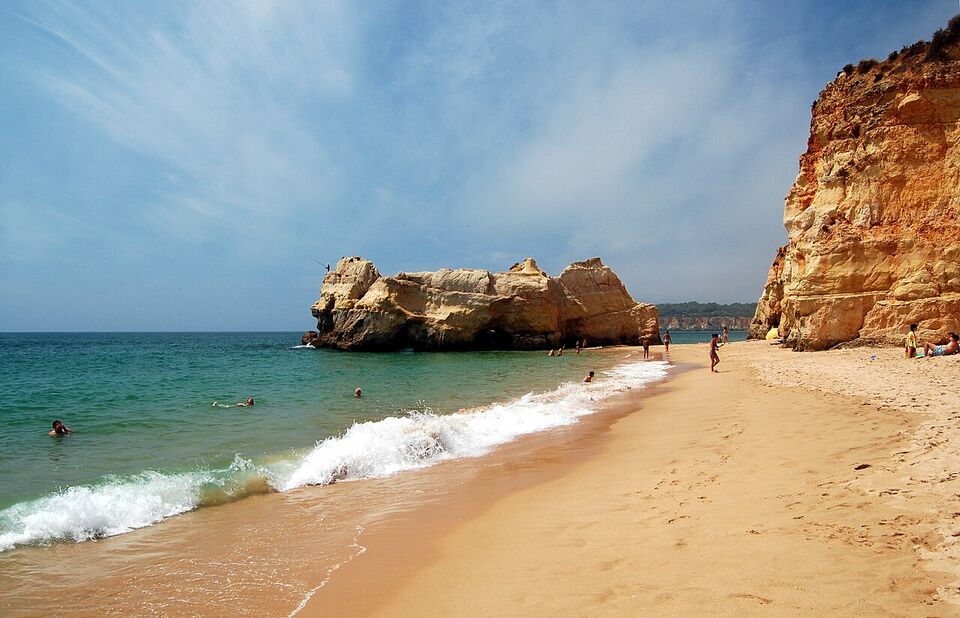
The CDC advises care around sea animals, including jellyfish. On Portugal's coasts, jellyfish and stinging creatures can appear in warm months. The Portuguese man o' war (caravela-portuguesa) sometimes washes up on beaches, and a sting can be painful. Lifeguards raise warnings when they are present. Weever fish, which hide in sand in shallow water, can also sting a bare foot.
- Do not touch stranded jellyfish, even dead ones.
- If stung, leave the water, rinse with seawater rather than fresh water, remove visible tentacles with tweezers or a gloved hand, and do not rub. Get help from a lifeguard. Hot water can ease the pain of some stings.
- Call 112 for trouble breathing, chest pain, swelling of the face or severe pain.
- Wear water shoes if you walk in shallow water on sandy flats.
Rip currents, cold water and big surf are bigger risks than animals. Swim at lifeguarded beaches and follow the flags; see our safety guide and beaches guide for details.
What to do for common problems
| Problem | What to do | When to get help |
|---|---|---|
| Sunburn or heat exhaustion | Get into shade, drink water, cool the skin, rest | Confusion, fainting, vomiting: call 112 |
| Upset stomach or diarrhea | Rehydrate with oral salts, eat plain food, ask a pharmacist | High fever, blood, or symptoms beyond a few days |
| Cold, sore throat, allergies | Ask a pharmacist for options; bring your own medicine | Trouble breathing or a high fever |
| Cut, sprain or minor injury | Clean, dress and rest; see a pharmacist or a private clinic | Deep wound, suspected break, head injury: hospital |
| Jellyfish sting | Rinse with seawater, remove tentacles, get a lifeguard | Breathing trouble or severe reaction: 112 |
| Tick bite | Remove with tweezers, clean the area, watch for symptoms | Fever, rash or flu-like symptoms |
| Lost or stolen medicine | Go to a pharmacy with a photo of the label; call your doctor or insurer | Insulin, heart or seizure drugs: urgent care |
| Not sure if it is an emergency | Call SNS 24 at 808 24 24 24, or your insurer's assistance line | If it seems life-threatening, call 112 |
Watch out
If you need hospital care, call your insurer's assistance line as soon as you can, before treatment if possible. Some policies require pre-authorization for major costs, and the insurer may arrange direct payment. Keep every receipt and medical report, and ask for copies in English.
Chronic conditions, older travelers, pregnancy and children
If you manage a chronic condition such as diabetes, heart disease or asthma, carry a short summary from your doctor in English, with your diagnosis, medicines by generic name and any allergies. Pack more medicine than you need, split between bags. Portugal's hills, cobbled streets and stairs are demanding for people with limited mobility or heart and lung conditions, and Lisbon's historic lifts are out of service (see our getting-around guide), so plan routes with fewer climbs and rest stops.
Pregnant travelers should ask their doctor about timing, airline rules and insurance limits, and check that the policy covers pregnancy-related care. For children, bring their usual medicine, a children's fever reducer and sun protection, and keep them close to cliffs and water. Pharmacies sell children's medicine, but labels and doses differ, so ask the pharmacist. More ideas are in our families guide.
Numbers to save
- 112: emergencies (ambulance, police, fire).
- 808 24 24 24: SNS 24 health advice line.
- US Embassy Lisbon: +351 21 727 3300.
- US Consulate, Ponta Delgada: +351 296 308 330.
- US citizen emergency line (24/7): +1 202 501 4444 from abroad.
- Your insurer's assistance line and your policy number.
Before you go
- See your doctor or a travel clinic at least a month ahead, and update routine vaccines, including MMR.
- Buy travel medical insurance with evacuation cover, and save the assistance number.
- Pack medicine in the original labeled bottles, with a doctor's letter and generic names.
- Check customs and controlled-drug rules for your medicines, and keep them in your carry-on.
- Pack sunscreen, a hat, repellent, a basic first-aid kit and oral rehydration salts.
- Save 112, SNS 24 and the embassy number in your phone.
- Read our safety guide and families guide.
Add it to a route in the trip builder, or ask us to plan the hotels, trains and guides for you.