Overview: how Portugal divides up
Portugal is a small country with very different regions, and the best first trip uses two or three of them rather than all of them. Most Americans start in Lisbon, add Sintra as a day trip, then choose between Porto and the Douro in the north, the beaches of the Algarve in the south, or the islands of Madeira and the Azores out in the Atlantic. This page compares every region in the guide so you can choose, with honest travel times from Lisbon and Porto.
The mainland is about 350 miles (560 km) from top to bottom but narrow, so distances look short on a map. The trap is that roads wind, trains are slower outside the Lisbon-Porto line, and a 100-mile (160 km) trip can take half a day with a stop. The islands are different again: Madeira lies roughly 620 miles (1,000 km) southwest of Lisbon, and the Azores roughly 900 miles (1,450 km) west, so both are flights, not drives.
Mainland Portugal and Madeira use Western European Time. That is 5 hours ahead of New York for most of the year, though for about two weeks in March and again from late October to early November the gap is 4 hours, because the US and Europe change clocks on different dates. The Azores are one hour behind Lisbon, so 4 hours ahead of New York most of the year. For the full planning framework, see planning your trip, and for seasons see when to go.
The regions compared
This first table shows what each region is best for, how long to give it, and how to reach it. Times are approximate and change with traffic, timetables and season, so check cp.pt for trains before you book. The one journey we have a published timetable for is Lisbon to Porto: the fast Alfa Pendular takes about 2 hours 45 minutes.
| Region | Best for | Time to give it | From Lisbon | From Porto |
|---|---|---|---|---|
| Lisbon and the Tagus coast | Hills, tiles, food, fado, museums, river views | 3 to 4 nights | You are here; airport is inside the city | About 2 hours 45 minutes by fast train |
| Sintra and Cascais | Palaces, forest, Atlantic cliffs and beaches | 1 to 2 days | About 18 to 20 miles (30 to 32 km); trains in roughly 40 minutes | A long day; base in Lisbon instead |
| The Silver Coast | Walled Óbidos, Nazaré, Peniche, surf, quieter beaches | 1 to 3 nights | About 50 to 75 miles (80 to 120 km); a car is far easier than public transport | About 2 hours by car to Nazaré |
| Porto and the Douro | River city, port lodges, terraced vineyards | 3 nights in Porto, 1 to 2 for the Douro | About 195 miles (315 km) | You are here; Pinhão is about 100 miles (160 km) away |
| The Minho and Peneda-Gerês | Braga, Guimarães, green hills, national park walking | 2 to 3 nights | Plan a day of travel | Braga and Guimarães are about 35 miles (55 km); the park is further |
| Central region and Coimbra | University town, monasteries, schist villages | 1 night to 2 days | About 125 miles (200 km); a good stop on the way north | About 75 miles (120 km) |
| The Alentejo | Évora, cork and olive country, wine, empty roads | 2 to 4 nights | Évora is about 85 miles (135 km); a car opens up the rest | A long way; go from Lisbon |
| The Algarve | Beaches, sea caves, golf, mild winters | 4 to 7 nights | About 170 to 190 miles (275 to 305 km); a train or car takes around 3 hours or a little more | About 2 hours 45 minutes by fast train to Lisbon, then about 3 hours south |
| Madeira | Levada walks, peaks, gardens, mild year-round weather | 4 to 7 nights | Flight of about 1.5 to 2 hours | Direct flights from Porto exist; check the schedule |
| The Azores | Crater lakes, hot springs, whales, green landscapes | 5 to 8 nights for one or two islands | Flight of roughly 2.5 hours to Ponta Delgada | Direct flights exist; check the schedule |
The second table covers season and cost. "Cost feel" is relative: the national average revenue per occupied hotel room was about €130 (about $146) in the second quarter of 2026 according to the national statistics office, but Lisbon, Cascais and the Algarve in summer run well above that, and the interior runs below it. Treat the labels as direction, not a quote.
| Region | Season fit | Cost feel |
|---|---|---|
| Lisbon and the Tagus coast | Good almost all year; spring and autumn are best, August is hot and crowded | Highest on the mainland for hotels in peak months |
| Sintra and Cascais | Spring and autumn for walking; summer fog can sit on the Sintra hills | Sintra tickets add up; Cascais hotels are pricey in summer |
| The Silver Coast | Late spring to early autumn for beaches; winter for big Atlantic waves | Moderate; cheaper than Lisbon |
| Porto and the Douro | Spring and autumn; September and October for the grape harvest, typically | Moderate; Douro riverside hotels can be high |
| The Minho and Peneda-Gerês | Late spring to early autumn; wetter and cooler than the south | Lower than Lisbon or Porto |
| Central region and Coimbra | Spring and autumn; hot summers inland | Lower |
| The Alentejo | Spring and autumn; July and August are very hot | Lower, but good rural stays can be dear |
| The Algarve | May to October for beaches; February to April for mild golf and walking | Swings most with season: high in summer, low in winter |
| Madeira | All year; the coast stays mild, the peaks are cool and cloudy | Moderate; rises around New Year and in summer |
| The Azores | May to October is the usual window; weather changes within minutes | Moderate; rental cars and inter-island flights add to the bill |
Lisbon, Sintra and the coast near the capital
Lisbon is the natural starting point because the airport is inside the city and the Metro runs from it. The city rewards three or four nights: the hills of Lisbon, the sights from Belém to the castle, and the neighborhoods from Alfama to Príncipe Real. Several historic funiculars and the Santa Justa Lift have carried no passengers since the accident of September 2025, so plan to walk or ride the Metro rather than count on them.
From Lisbon, Sintra is the standard day trip, and Cascais is the easy seaside add-on by train. The day trips from Lisbon page compares the rest, including Évora, Óbidos and Nazaré, and says which are realistic without a car. If you are landing in Lisbon, read the airport transfer guide too.
The honest limit: Sintra and Cascais are close, but their palace tickets and traffic rules have changed repeatedly, so book the palaces for a specific date and time and read the Sintra page before you go. Sintra is a full day, and trying to add Cascais to the same day usually means rushing both.
Porto, the Douro and the north
Porto is the second pole of most itineraries. It is hilly, granite and tile, and built along the river, with port lodges across the water in Vila Nova de Gaia. The Porto guide covers the city and the sights page covers the individual stops. Give it three nights.
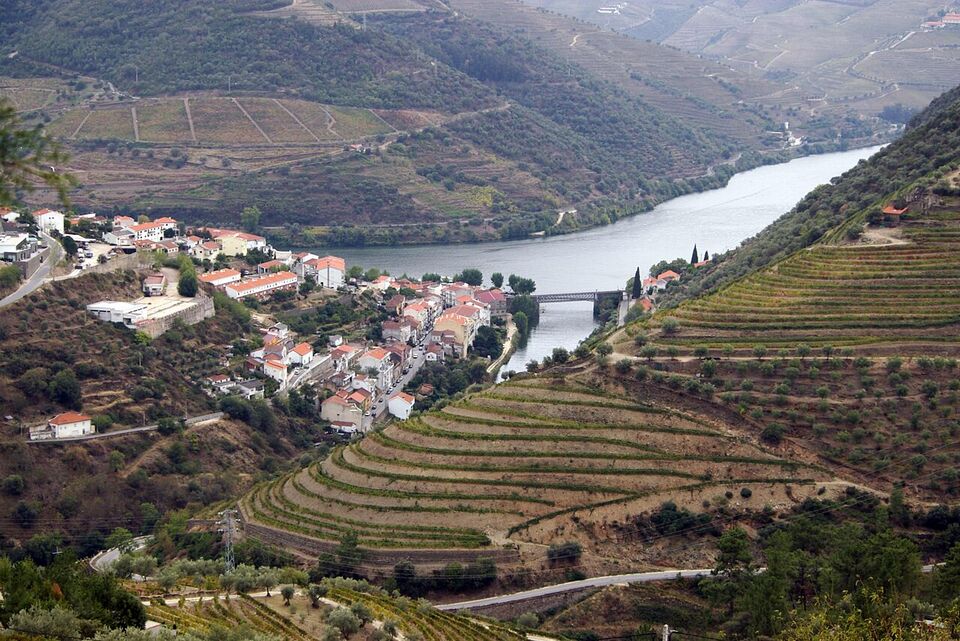
The Douro Valley is the wine country upriver, with terraced vineyards around Pinhão. It is a long day from Porto by road or rail, so one or two nights inside the valley is far more relaxing. Many visitors also see it by river cruise, which is covered on our cruises page.
North of Porto, Braga and Guimarães are about 35 miles (55 km) away and make easy day trips or one-night stops. The Peneda-Gerês national park is further and needs a car, a full day, and a clear forecast. If you are tempted to add Spain from here, see beyond Portugal, but check the border and rail options before assuming it is a quick hop.
Coimbra, Óbidos and the Silver Coast
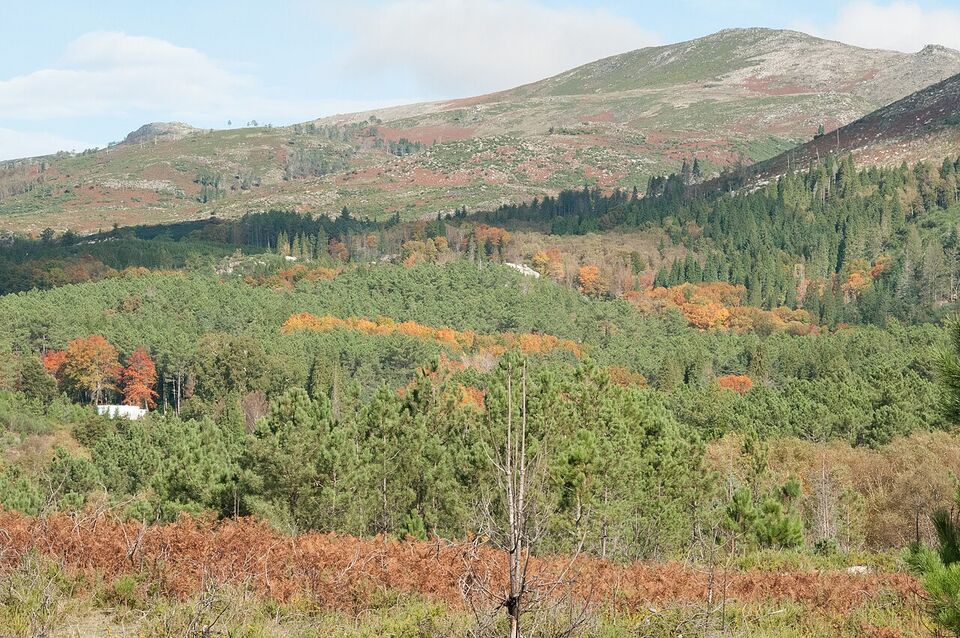
Between Lisbon and Porto lies the central strip. Coimbra is a university town on a hill above the Mondego River, and it works as a half-day stop or one night between the two big cities. Óbidos and Nazaré sit on the Silver Coast, about 50 and 75 miles (80 and 120 km) north of Lisbon. Óbidos is a walled village that you can see in an afternoon; Nazaré is a fishing town known for winter surf, with the biggest swells typically from autumn to early spring.
This region is where a rental car pays for itself. Trains and buses link some of the towns, but connections are thin and the coast itself is spread out. A reasonable plan is to collect a car on the way out of Lisbon, take two or three nights on the coast, and drop it in Porto, or give it up in Coimbra and finish by train.
The Alentejo and the Algarve
The Évora and Alentejo page covers the large, quiet south-central plain: Roman and medieval Évora, cork oaks, olive groves and wine estates. It is the one region where distance, not crowds, is the story. Évora is a reasonable day trip from Lisbon, but the pleasure of the region is slowing down and staying a night or two.
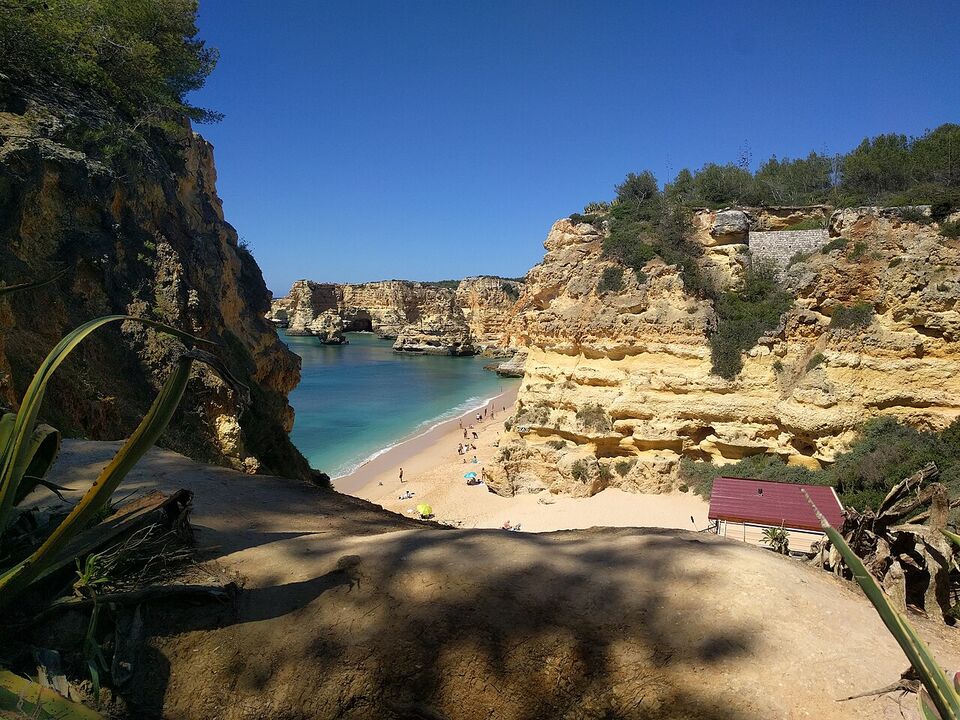
The Algarve is the beach coast, with golden cliffs, sea caves and the mildest winters on the mainland. Lagos and the west Algarve have the dramatic rock formations; Faro is the main airport. The Algarve runs on a different rhythm from the rest: it is busy and expensive in July and August, and calm and cheap from November to March. The beach side of this is also covered by our beaches guide. Note that the A22 motorway across the Algarve has been toll-free since January 1, 2025, which helps if you rent a car.
A common mistake is to treat the Algarve as a day trip from Lisbon. It is about 170 to 190 miles (275 to 305 km) each way, around three hours or more, so give it a base for at least three nights.
Madeira and the Azores
The two island groups are the most different from the mainland and the hardest to compare, so pick one unless you have two weeks or more. Madeira is one mountainous island with a mild coast, irrigation-channel walks called levadas, steep roads and a long season. The Azores are nine islands spread across about 370 miles (600 km) of ocean, famous for crater lakes, hot springs, whale watching and weather that changes within minutes.
Both are reached by air. EES biometric registration applies at Funchal and Ponta Delgada airports as it does at Lisbon, Porto and Faro. Madeira keeps Lisbon time; the Azores are one hour behind Lisbon, so Ponta Delgada is 4 hours ahead of New York most of the year. Limited seasonal nonstops from the US exist to some island airports, but most visitors connect through Lisbon or Porto; verify routes on airline sites, and see our flights guide.
Watch out
Do not treat the islands as a one-day add-on to a mainland trip. Madeira's airport is subject to wind limits that cause delays and diversions, and Azores inter-island flights and ferries cancel in rough weather. Build a buffer day before your flight home.
How to choose two or three regions
Use this short process. It takes ten minutes and prevents the most common mistake, which is trying to see everything.
- Count your nights. Subtract one night per flight or long transfer. A week gives you about two regions; ten to fourteen days gives you three.
- Start with Lisbon. Most trips arrive and leave there. Give it three or four nights, with Sintra as a day trip.
- Pick one "second" region by the trip you want. Cities, food and wine: Porto and the Douro. Beaches and golf: the Algarve. Hiking and mild weather: Madeira. Wild landscapes and whales: the Azores. Quiet countryside: the Alentejo.
- Check the season. The Algarve is poor for beaches in January, the Azores are unpredictable in winter, and the Alentejo is very hot in midsummer. See when to go.
- Add a third only if it is on your route. Coimbra, Óbidos or Évora can be one-night stops between the big places. Do not add a third region that requires backtracking.
- Decide car or no car. Lisbon, Porto, Coimbra and the rail corridor work without one. The Alentejo, Silver Coast, Douro villages, Madeira and the Azores are easier with one. See getting around and driving.
Sample combinations
One week: Lisbon and Porto
The classic first trip. Lisbon with a Sintra day trip, then the train north. You can do it all without a car and fly home from Porto, though check whether an open-jaw ticket costs more.
Ten days: Lisbon, Coimbra, Porto and the Douro
Adds a university town on the way north and two nights in wine country. Trains cover Lisbon, Coimbra and Porto; the Douro is easier by rail or on a river cruise than by car.
Ten days: Lisbon and the Algarve
Best from May to October. Fly or take the train south, base in Lagos or Faro, and choose between beach days, the sea caves and golf.
Two weeks: Lisbon, Alentejo and Algarve
A road trip through Évora and the cork country to the south coast. Return the car in Faro. Avoid July and August for the Alentejo.
Ten days: Lisbon and Madeira
Pair the capital with an island of walks. Fly Lisbon to Funchal; keep a spare day at the end in case wind affects flights.
Ten days: Lisbon and the Azores
Add an island if you have a week or more, and plan for rain. Remember the Azores are one hour behind Lisbon.
Insider tip
When you price flights, compare "open-jaw" tickets that arrive in Lisbon and depart from Porto, or the reverse. They can cost little more than a round trip and save a full day of backtracking, so compare both prices.
Distances and mistakes to avoid
- Portugal looks smaller than it drives. Winding roads and slow trains mean 100 miles (160 km) is often 2.5 to 3 hours, and the Douro and the Minho are slower still.
- Rail is excellent on one line. The Lisbon-Porto corridor via Coimbra is fast. Outside it, services are slower and less frequent, so check cp.pt before you plan around a train.
- Do not stack day trips. A castle and a lunch in one town and a beach in the next sounds easy until the car park is full.
- Allow for borders and airports. The EES biometric check applies at Lisbon, Porto, Faro, Funchal and Ponta Delgada, and queues at Lisbon have been long at times, so allow extra time before connections. For entry rules see entry requirements.
- Book where there is a cap. Sintra palaces, Pena in particular, need a booked date and time; Madeira's classified trails need online booking.
Different from home
Do not plan Portugal the way you would a US road trip, where a day of driving covers a state. The mainland is compact, but towns are closer together than roads are fast, and many of the best places are reached by train or bus, not by interstate. Think in "bases" of two or three nights, not one-night stops.
Budget and the next step
Costs vary more by season than by region. Lisbon and the Algarve spike in summer; the interior and the north stay cheaper. The budget guide works through a daily cost, and where to stay compares neighborhoods and base towns. Remember local tourist taxes: Lisbon charges €4 (about $4.50) per person per night, up to 7 nights, for visitors 13 and older; Porto charges €3 (about $3.40). Many other towns charge €1 to €4 a night, so check the council.
Once you have chosen your regions, open each page in order and read the practical sections first: how to arrive, where to stay and what to book. Then use the trip builder to turn your picks into a day-by-day plan.
Add it to a route in the trip builder, or ask us to plan the hotels, trains and guides for you.