Overview
Portugal is an easy country to visit with children. People are warm toward families, distances are short, and there is a lot to do outdoors: beaches, castles, gardens, an aquarium and a marine park. The main challenges are physical. Old Lisbon, Porto and Sintra are built on hills, with cobbles and stairs, and summer heat can be strong. With the right gear and a modest itinerary, a family trip works well.
This page covers what to expect with a stroller, the best kid-friendly sights, calm and wavy beaches, restaurants and meal times, car seats, trains, baby supplies, sun and heat, ideas by age and which regions are easiest. Prices and age limits change, so we point to each venue's own site and give numbers only where an official page shows them.
The stroller reality
If you picture pushing a stroller through Lisbon's Alfama or up to a hilltop castle, think again. Many of the most interesting streets are steep, narrow and paved with small stone cobbles (calçada). The pavements can be narrow or blocked by parked cars, and many buildings have steps at the door. Even a good stroller can be hard work.
- Bring a compact stroller with large wheels. A lightweight fold-up stroller is easiest on trams, buses and in restaurants. Large wheels roll better on cobbles.
- Bring a carrier for babies. A soft carrier lets you climb stairs and use crowded transport. It is often the best choice for Sintra and old town streets.
- Use flat areas. Lisbon's Belém riverfront, the Parque das Nações district around the Oceanarium and the Cascais seafront are flatter and stroller-friendly.
- Expect stairs at transport. Metro stations often have lifts or escalators, but not always, and tram steps are high. Be ready to fold the stroller and carry your child.
- Check lifts before you go. Lift status changes. If you need step-free access, check the transport operator's site on the day.
Lisbon's historic hill lifts are not an option. As of November 2026, the Glória, Bica and Lavra funiculars and the Santa Justa Lift have carried no passengers since September 2025. Only the Graça funicular runs, and its status can change, so check Carris the day before. See our Lisbon sights guide for current information.
Kid-friendly sights
Lisbon Oceanarium
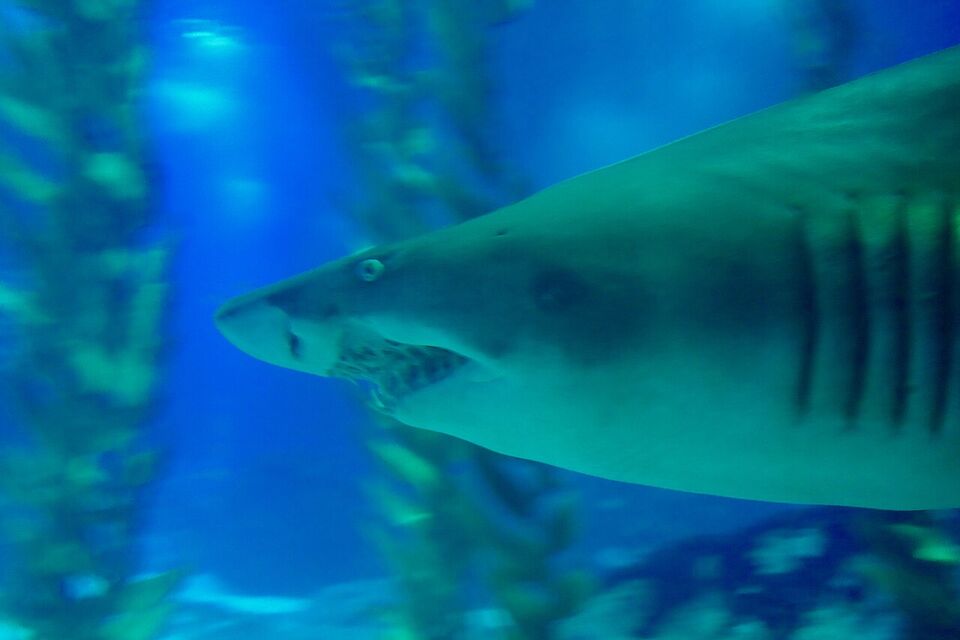
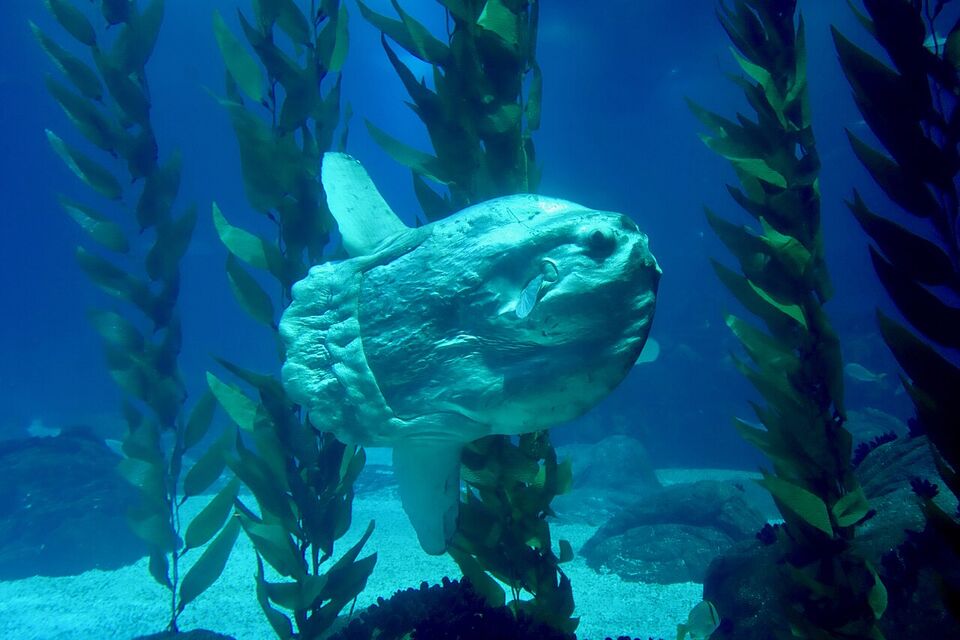
A large aquarium, set in the modern riverside district built for the 1998 world fair. It is flat and stroller-friendly, with a large central tank and exhibits of different ocean habitats. Check the official site for prices, hours and the age rules for discounts, and book online.
Portugal dos Pequenitos
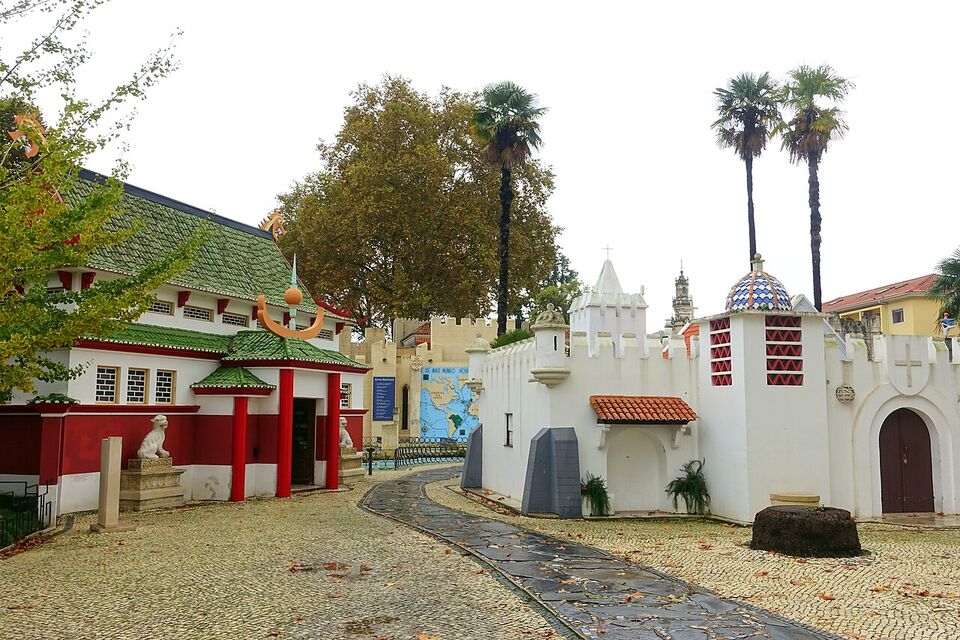
A park of child-sized houses and scale models of Portuguese monuments, built for children to walk through and explore. It is outdoors and has shade, but allow for the city's hills. Combine it with a stop in Coimbra. Check the official site for hours and ticket prices.
Science museum
Lisbon's hands-on science center, the Pavilhão do Conhecimento, is aimed at families with school-age children. Check its site for opening days, exhibits and prices before you go, and confirm that it is open on your dates.
Zoomarine
A marine park with animal shows, pools and rides, a popular rainy-day or hot-day plan on the Algarve. It includes shows with marine animals, which some families prefer to skip, so look at the program first. Check the official site for opening season, ticket prices and height or age rules.
Castles and walls
Children enjoy ramparts and towers, but check for steep stairs and drops. São Jorge Castle in Lisbon costs €17 (about $19) for adults; check the site for child prices and hours. The walls at Óbidos have no handrails in places and are not suitable for toddlers without close supervision.
Tile workshops
Some workshops let children paint a tile (azulejo) to take home. Offerings change, so check opening days and whether bookings are needed. A tile-painting session is a good quiet activity on a rainy day.
Insider tip
Book timed tickets for popular venues online, and arrive early. Children get tired by early afternoon, so put the main sight in the morning and keep the afternoon for a playground, a pool or a beach.
Sintra with children
Sintra is full of palaces and forest paths that look like a storybook, but it is steep and busy. For families, choose one or two sights rather than trying to see everything. See our Sintra guide for the full picture and the day trips from Lisbon page for other options.
| Site | Adult | Youth (6-17) | Family (2 adults + 2 youth) |
|---|---|---|---|
| Pena Palace and Park, Essential Visit | €20 (about $22) | €18 (about $20) | €65 (about $73) |
| Pena Park only | €12 (about $13) | €10 (about $11) | €40 (about $45) |
| Monserrate Park and Palace | €12 (about $13) | €10 (about $11) | €33 (about $37) |
| National Palace of Sintra, Essential Visit | €13 (about $15) | €10 (about $11) | €35 (about $39) |
| Moorish Castle | €12 (about $13) | Check the site | Check the site |
Children under 6 are free at the National Palace of Sintra. Pena Palace requires a booked date and time for the palace, and its park paths are steep, so the park alone is a gentler option with young children. A shuttle runs between the entrance and the palace, but check the price and times on the official site. Private cars are not allowed up to Pena; use the bus or a taxi.
Watch out
Sintra has narrow roads, queues for buses and, in busy periods, traffic limits. Reports say new measures for tour buses and ride-hailing pick-ups began in July 2026, so allow extra time and check Parques de Sintra for current notices.
Calm beaches and wavy beaches
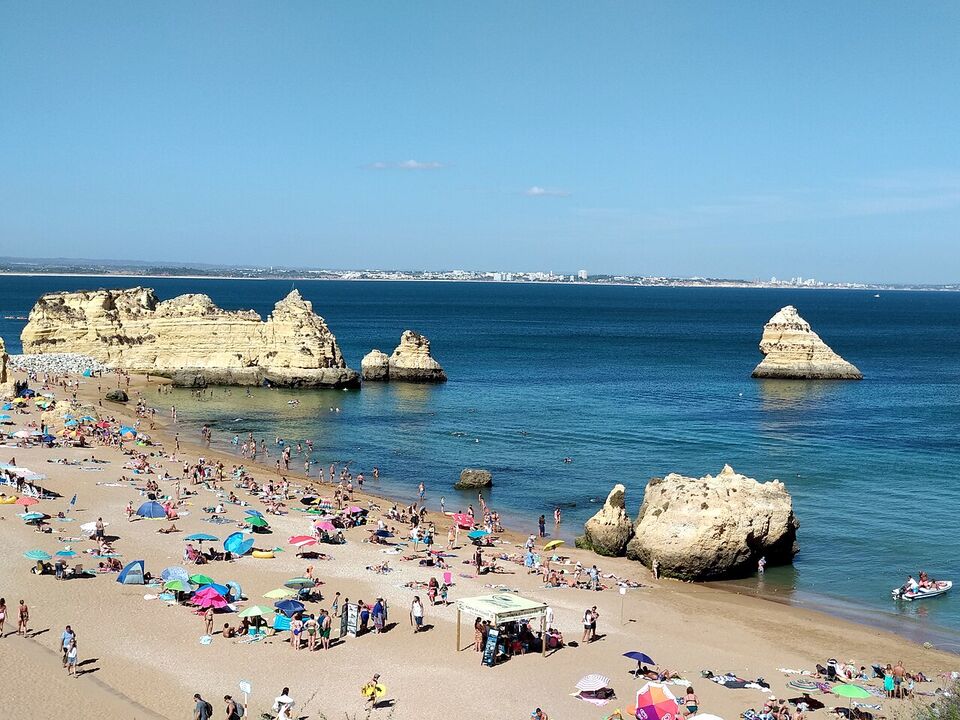
The Atlantic coast is the key difference from many US family beaches. Beaches on the west coast and around Cascais can have large waves and strong currents. The south coast of the Algarve is generally calmer, with sheltered bays and wide sandy beaches. Ask local lifeguards about the day's conditions.
| Area | Typical conditions | Good for |
|---|---|---|
| Algarve south coast and lagoon islands | Calmer water, warmer in summer | Toddlers and young children |
| Algarve sheltered bays near Lagos | Protected from swell, rock formations | Splashing and snorkeling for older kids |
| Cascais bay beaches | Moderate; easy by train from Lisbon | Day trips from the city |
| Costa da Caparica, Carcavelos | Surf beaches; waves vary | Older children, with supervision |
| West coast and Guincho | Strong waves, wind and currents | Watching, not swimming |
| Madeira and the Azores | Often pebbly or rocky; pools exist | Natural pools and short walks |
Water temperature near Lisbon is about 61°F (16°C) in winter and 68°F (20°C) in August. On the Algarve the sea reaches about 72 to 75°F (22 to 24°C) in August and September. Colder water means short swims for little ones. More beach advice is in our beaches guide and the Algarve guide.
Check the beach flag before children enter the water. Green usually means calm, yellow means caution and red means do not swim. Lifeguards are usually on duty in the summer bathing season, but dates vary by beach, and outside that season there may be none. Never leave children unattended at the water's edge. Our safety guide has more.
Restaurants and meal times
Children are welcome in most restaurants, and staff often make a fuss over them. The main difference is time. Lunch is usually from about noon to 2 p.m. and dinner often begins after 7:30 p.m. In tourist areas, many places open earlier. If your children are hungry early, plan a big lunch and a lighter dinner, or look for places that open at 6 or 6:30 p.m.
- Half portions: ask for a meia dose (half portion) of a main dish. Many restaurants offer them, and it is often enough for a child. Some also have a children's menu.
- High chairs: ask for a cadeira de criança. Many restaurants have them, but not all, so call ahead in small places.
- The couvert: bread, olives, butter and cheese are put on the table, and you are charged only for what you eat. If you do not want them, say so. Check the menu price.
- Familiar food: grilled fish and chicken, rice, soup, French fries and eggs are available almost everywhere. Bakeries (pastelarias) have snacks and pastries all day.
- Payment: cards are widely accepted, but small cafes may prefer cash.
See our food guide for more about meals and tipping.
Car seats, taxis and driving
Portuguese law requires child restraints in cars for young children, and the rules depend on age, height and seat position. Exceptions for taxis differ, so check the official road safety authority (IMT) or ask your rental company. The safe approach is to use a proper seat for your child's weight and height whenever you can. Many families bring their own seat or booster, since American seats may not meet European approval rules; confirm with your airline, car rental company and the seat's manufacturer.
If you rent a car, book child seats in advance, as supply can be limited. In taxis and ride-hailing cars, a seat may not be available, so ask when you book. For a short trip, a stroller with a car-seat adapter or a lightweight booster that you can carry may be the most practical solution. See our driving guide for rental advice.
Trains, metro and buses
The Portuguese train operator, CP, runs suburban lines to Sintra and Cascais and long-distance trains to Porto, Coimbra and the Algarve. Children's fares and discounts exist; check the age bands on CP before you travel. Lisbon's Metro lets children up to age 3 ride free; check the Metro site for other discounts.
- Trains to Sintra and Cascais can be crowded on weekends and in summer. Stand near the doors with a stroller, and fold it if asked.
- Long-distance trains have space for strollers and bags, but book seats ahead.
- Buses and trams may be crowded, with steps. Be ready to carry your child.
- Strikes happen. Check operators before travel; see getting around.
Save money
Many attractions have family tickets that cost less than separate adult and child tickets. Ask at the ticket desk, or check the site before you buy. A city pass with a child option may or may not be worth it; add up the sights you actually plan to visit before buying.
Baby supplies and pharmacies
Supermarkets and pharmacies sell diapers, wipes, baby food and formula. Brands differ from US ones, so if your child needs a specific formula, bring enough for the first days. Pharmacies (farmácias) are marked with a green cross and can give advice on minor problems. Each area usually has an on-duty pharmacy at night and on Sundays, with the rota posted on the door. For health care and what to do if a child falls ill, see our health guide. The national health advice line, SNS 24, is 808 24 24 24, and 112 is the emergency number.
Bring your child's regular medicine in its original package, with a doctor's note if possible. Check vaccinations with your pediatrician before you fly; the CDC lists Portugal at Level 1 and recommends that all travelers be fully vaccinated against measles, mumps and rubella.
Sun and heat safety
Summer is hot and sunny. Long-term normals show average highs of about 83 to 84°F (28 to 29°C) in Lisbon in July and August, and about 85°F (29°C) in Faro, with hotter days in the interior. Children burn quickly at the beach, where the breeze hides the heat.
- Use high-SPF sunscreen, reapply often and bring hats and rash vests.
- Plan the day around the heat: outdoor sights in the morning, a pool or shade at midday.
- Carry water, and look for fountains and shade in old towns.
- Check the fire-risk and heat warnings published by the Portuguese weather service, IPMA.
Ideas by age
| Age | Ideas | Tips |
|---|---|---|
| Babies and toddlers (0-3) | Calm Algarve beaches, gardens, a short Oceanarium visit | Carrier over stroller on hills; free Metro under 4 |
| Preschool (4-6) | Portugal dos Pequenitos, beach days, the Oceanarium, playgrounds | Short outings; midday rest; shade and water |
| School age (7-11) | Zoomarine, castles, Sintra's gardens, tile painting, science museum | Choose one big sight a day; let them pick one |
| Tweens (12-14) | Surf lessons, bike rides, climbing towers, boat trips | Check minimum age at schools; see surfing |
| Teens (15+) | Walks, markets, day trips, water sports, city food | Give some free time; adult prices may apply |
Which regions are easiest
- The Algarve: the most straightforward for families. Resort towns are flat, beaches are calm, and there are family hotels and apartments. A car helps. See Algarve.
- Lisbon and Cascais: a city stay with a beach day by train. Lisbon is tiring with small children, but its flat riverside areas help; Cascais is easier.
- Porto and the north: beautiful but hilly; a short stay works with older children. See Porto.
- Madeira: mild weather, gardens and cable cars, but steep roads. Mainland and Madeira use the same time zone. See Madeira.
- The Azores: nature trips for older children. The Azores are one hour behind Lisbon. See Azores.
Lodging matters as much as location. Apartments with a kitchen and a washing machine make life easier, and many hotels have family rooms; see where to stay. Some towns charge a tourist tax per night, usually only for guests above a certain age; in Lisbon it applies from age 13, so younger children are normally exempt. Check the council.
A sample week with children
A relaxed first trip combines a short city stay with a beach week. Here is one way to pace it. Adjust the order to your flights, and keep a spare half day for tired children or bad weather.
- Days 1-3
Lisbon, flat and slow
Spend the first morning outdoors to adjust to the time difference, then visit the Oceanarium in Parque das Nações on day two, when it is flat and easy. Keep the old hills for one short evening walk.
- Day 4
Sintra or Cascais
Pick one: a morning at the Pena park and one palace, or a train to Cascais for a beach and an ice cream. Do not try both on the same day.
- Days 5-8
Algarve beach base
Pick a flat resort town with a calm beach. Add one day at Zoomarine and one boat or lagoon trip, and leave the other days open for the sand and pool.
Most flights from the US East Coast take roughly 6 to 8 hours. Mainland Portugal is 5 hours ahead of New York most of the year, so expect early waking for a few days; our flights guide covers arrivals and the entry process at the airport, and the entry guide explains passports and border checks for children.
Before you go
- Bring a compact stroller with large wheels and a baby carrier.
- Check child car seat rules and book seats with the rental company.
- Book timed tickets for popular sights and check family prices on each venue's site.
- Pack sun hats, high-SPF sunscreen and swim shirts.
- Save SNS 24 (808 24 24 24) and 112 on your phone.
- Check each venue's age rules and opening days; several have changed recently.
Add it to a route in the trip builder, or ask us to plan the hotels, trains and guides for you.