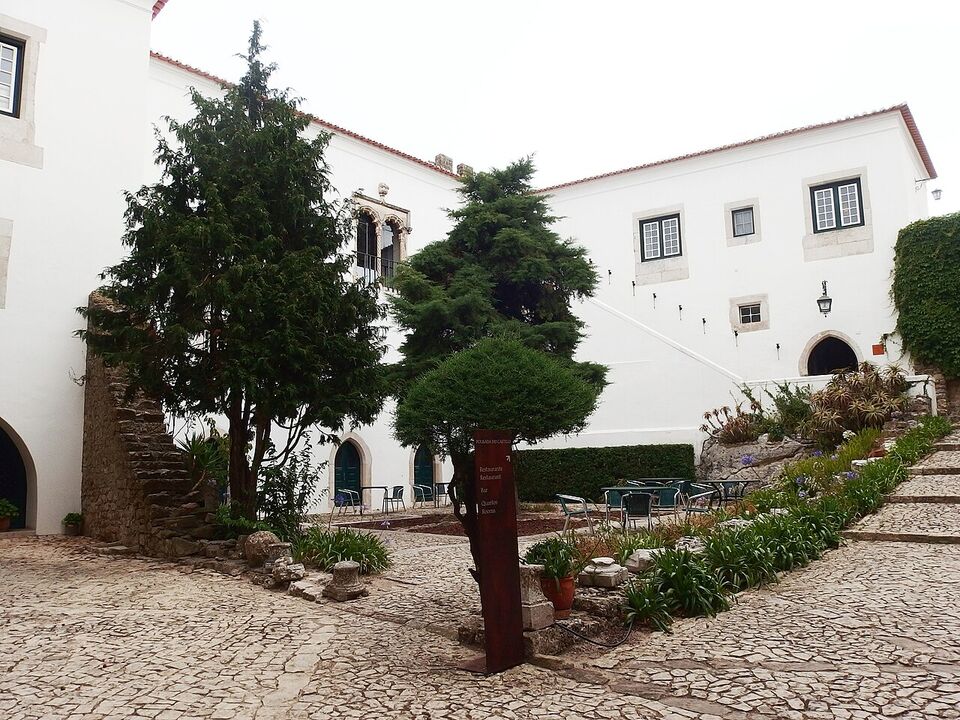
How to choose where to sleep in Portugal
Portugal has a stay for almost every kind of trip, from a hostel bunk in Lisbon to a wine-estate suite in the Douro. The best choice depends less on price than on three practical things: how many nights you will stay, whether you will have a car, and how well you cope with stairs and summer heat. A city break without a car favors a central hotel or apartment near the Metro. A countryside trip favors a place with parking, a quiet setting and a restaurant nearby.
This page covers the main types of lodging, the pros and cons of each, what to check before you book, the tourist taxes and the best bases in Lisbon, Porto and the Algarve. For Lisbon in detail, see Lisbon Neighborhoods. For a rough budget, see Budget and Money in Portugal.
The price marks below are rough tiers, not quotes for specific hotels. Use the tier marks as a guide: $ is under $120 a night for a double, $$ is $120 to $300, and $$$ is over $300.
Stay types compared
| Type | Typical tier | Best for | Watch for |
|---|---|---|---|
| City hotel | $$ to $$$ | Short city stays, lifts, air conditioning | Small rooms in old buildings |
| Guesthouse (pensão or small inn) | $ to $$ | Budget stays, local feel | Stairs, thin walls, no lift |
| Apartment (AL) | $ to $$ | Families, longer stays, kitchens | Noise rules, stairs, hidden fees |
| Pousada or manor house | $$ to $$$ | Historic setting, rural trips | Often needs a car |
| Quinta (wine estate) | $$ to $$$ | Douro and Alentejo trips | Remote, harvest-season demand |
| Hostel | $ | Solo travelers, budget | Dorm noise, curfews, lockers |
| Unusual stay | $$ to $$$ | One special night | Remote, limited services |
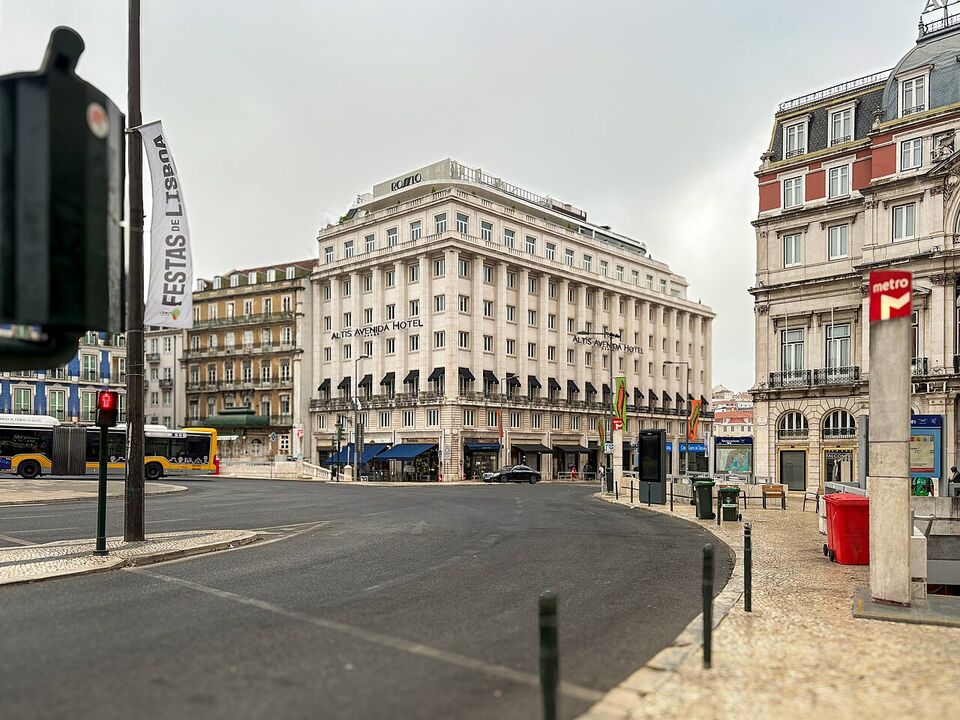
Hotels and guesthouses
Hotels are the simplest choice: a front desk, regular cleaning and, usually, air conditioning and a lift. In Lisbon and Porto, many hotels are in converted townhouses, so rooms can be small and the lifts tiny. Larger chains cluster in business districts and near the airport. Guesthouses (pensões, residenciais or small inns) are smaller, usually cheaper and sometimes family-run. They suit travelers who value a human welcome over amenities.
The national average revenue per occupied room in the second quarter of 2026 was about €130 (about $146), according to figures the Portuguese government published from the national statistics office. That is a national figure for all types of tourist accommodation, not a price you will see in any one city; Lisbon and the Algarve in summer are usually higher, and inland towns often lower. Check the date you want on the hotel's own site.
Prices are lowest in winter outside Christmas and New Year, and highest from June to September, around Easter and during local festivals and conferences. Booking directly with a hotel often gives you a clear cancellation policy and, sometimes, a small perk such as breakfast. Check whether the rate includes breakfast and the city tourist tax.
Apartments and Alojamento Local
Apartments and rooms rented to visitors are called Alojamento Local, abbreviated AL. A legitimate AL listing has a registration number. Apartments can be good value for families or longer stays, and a kitchen and washing machine help. They also bring trade-offs: you may share a building with residents who want quiet, and you may climb stairs with no lift.
Local rules and neighbor complaints matter. In recent years Portuguese cities have tightened rules on short-term rentals, and European rules on registration are also being introduced. Details differ by town, so check the municipal pages and ask the host to confirm the registration number. If neighbors complain about noise, a host can be fined, and a stay can end badly for you. Treat the building like someone's home: be quiet on the stairs and late at night, follow the house rules and do not host parties.
- Ask for the AL registration number and the exact address.
- Ask which floor the unit is on, and whether there is a lift.
- Ask whether there is air conditioning and whether the bedroom faces the street.
- Ask how check-in works, how late you can arrive and how the tourist tax is collected.
- Read the house rules and the cancellation policy.
Watch out
An apartment priced far below its neighbors may be hiding a fourth-floor walk-up, a noisy street or hidden cleaning and tax fees. Read the full price at checkout before you decide.
Pousadas, manor houses and quintas
Pousadas are historic lodgings in castles, convents, palaces and old buildings, a tradition that began as a state-run network of inns. Today they operate as a hotel brand, and the buildings are a major part of the appeal. Expect atmospheric rooms, good restaurants and, in rural places, the need for a car. Prices vary widely by property and season, so we give only the tier, $$ to $$$.
Manor houses (solares and country houses) offer a similar atmosphere on a smaller scale, often with a host who lives on site and a breakfast made from local ingredients. They are popular in the north, the Douro and the Alentejo. Book early for weekends and holidays; many have only a handful of rooms.
In the Douro valley, quintas are wine estates that rent rooms, with views of terraced vineyards and, at some, a pool and tasting room. The harvest typically runs from late August to early October, and rooms fill early then. You will usually need a car or a driver, since public transport is thin and the roads are winding. See The Douro Valley and Wine for how to plan a visit.
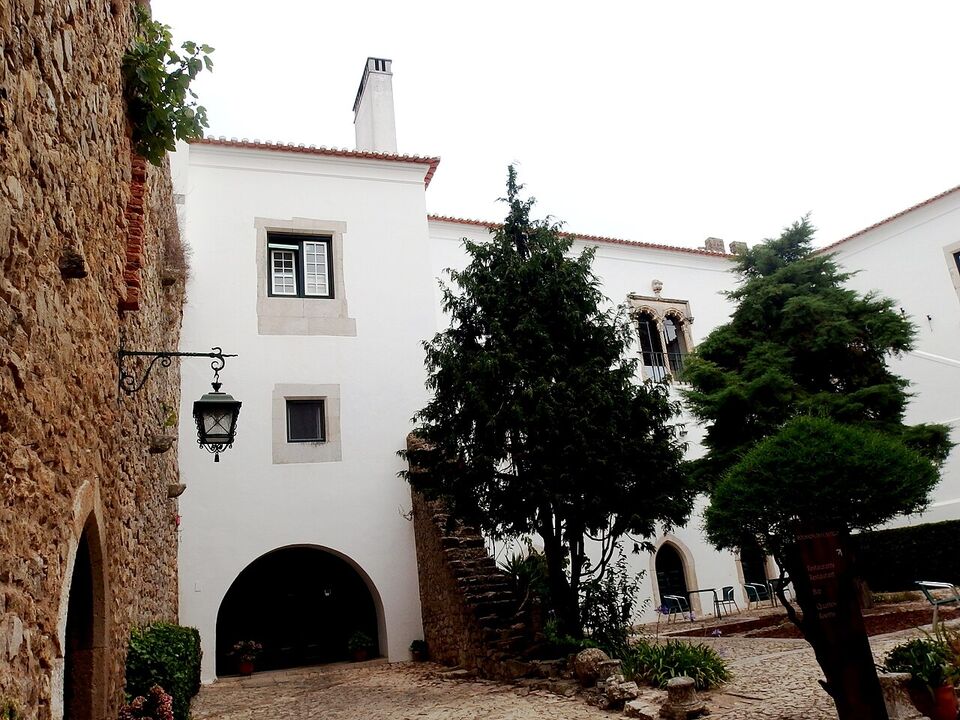
Hostels and unusual stays
Hostels are common in Lisbon, Porto and the Algarve, and many offer private rooms as well as dorm beds. They are the cheapest option and the easiest way to meet other travelers. Check the dorm size, the lockers and whether there is a quiet-hours rule. Hostels in nightlife areas can be loud.
For one special night, consider a converted convent or monastery, a lighthouse, a windmill, a cork-farm cottage in the Alentejo or a rural guesthouse in the Azores. They are usually remote and book out early. Read the access description carefully: a lovely place down a dirt road is hard with a rental car at night. For more ideas by region, see Regions of Portugal.
Stairs, elevators and luggage on hills
Portugal's historic centers are old, steep and often stepped. In older buildings the ground floor is marked R/C (rés-do-chão), and the "1st floor" is the one above it. A "third floor" is therefore three flights up, and many buildings have no lift or a very small one. Cobbled streets are hard on wheeled suitcases, and some lodgings can only be reached on foot from the last square.
Before you book, ask: Is there a lift, and does it reach your floor? How many steps from the nearest taxi stop? Can I leave my bag if I arrive early? If you are bringing heavy luggage, travel with children or have limited mobility, choose a ground-floor room or a lift-served hotel in a flat area. Pack light for hill towns. See Packing for Portugal.
Air conditioning, noise and breakfast
Air conditioning is the most common comfort question in summer. In Lisbon, average highs reach about 84°F (29°C) in August, and heat waves go higher. Many modern hotels are air conditioned, but older guesthouses and some apartments rely on fans or thick walls. If you are traveling from June to September, make air conditioning a requirement and confirm it in the listing, not just in a photo. Check that it works quietly: some units are loud.
Noise is the other summer problem. In warm weather you may want the windows open, which lets in the street. Ask which way the room faces, and ask for a courtyard or an upper floor if you are a light sleeper. Earplugs help. Near nightlife, such as Bairro Alto and Cais do Sodré in Lisbon, noise can continue until the early hours on weekends.
Breakfast in Portugal is usually light: coffee, a pastry or toast, juice, sometimes ham and cheese. Hotels offer a buffet, often at an extra charge, and many travelers prefer a neighborhood cafe, where a coffee and a pastry cost far less. Check whether breakfast is included in your rate.
Different from home
Most hotels ask for your passport at check-in and file a guest registration form. This is routine. Keep your passport handy, and do not be surprised if the desk photocopies or scans it.
Base-by-base advice
Lisbon
The Baixa and Chiado suit first-timers, Príncipe Real and Estrela suit people who want quiet, and Bairro Alto and Cais do Sodré suit night owls. Parque das Nações is easy for families and early flights. See Lisbon Neighborhoods and Lisbon.
Porto
The Ribeira, along the Douro, is the postcard area, but it is steep and busy. The Baixa and the streets around Aliados and São Bento station are central and convenient. Cedofeita and Miguel Bombarda are quieter, with galleries and cafes. Across the river, Vila Nova de Gaia has the port lodges and a view back to the city, and Foz is a calm seaside district farther out. See Porto.
The Algarve
Lagos has a walkable old town and nearby beaches and suits travelers without a car. Tavira is quieter and more traditional. Albufeira is large and lively, with a busy old town and many resorts. Faro is useful for the airport and trains, and Sagres is remote and popular with surfers. The Benagil and Carvoeiro area suits drivers. Hotels near beaches fill early in July and August. See The Algarve and Lagos.
Elsewhere
In Sintra, staying overnight lets you see the palaces early, before the day-trip crowds; see Sintra. In Madeira, Funchal is the main base. In the Azores, São Miguel's main town is Ponta Delgada; note that the Azores are one hour behind Lisbon (UTC-1), which matters for flights and ferries. See Madeira and The Azores.
What a room costs by season
This table describes the seasonal pattern rather than giving prices. Use it to decide when to book and when to expect a discount, then compare real prices for your dates on the hotels' own sites.
| Period | Demand | What to expect |
|---|---|---|
| January to February | Low (except Carnival weekends) | Lowest prices in most cities; some Algarve properties close for the season |
| March to May | Rising | Good weather, moderate prices; Easter week is expensive and booked early |
| June to August | Highest on the coast | Beach towns and Lisbon at their most expensive; book months ahead |
| September to October | High, then easing | Warm and popular; Douro harvest fills quintas |
| November to mid-December | Low to moderate | Good rates; conferences can lift Lisbon prices in early November |
| Christmas to New Year | High in cities and Madeira | Festive programs and fireworks; book early |
Weekends cost more than weekdays in popular places, and festivals can double demand in a town for a few days. Examples include the Lisbon Santos Populares in June and Porto's São João around June 23-24. For dates, see Festivals and When to Go.
Families, accessibility and longer stays
Families usually do best in an apartment or a hotel with connecting rooms or a family room. Check the bed sizes, because "sleeps four" sometimes means two sofa beds, and ask whether a crib is available. A kitchen helps with early dinners, since many Portuguese restaurants serve dinner late. See Families in Portugal.
Travelers with limited mobility should ask direct questions about steps, the width of the lift and the route from the street. Photos rarely show these things. Newer hotels and the flat parts of Lisbon and Porto are the easiest places to start. In older towns, expect cobbles and steps almost everywhere, and consider a taxi from the station to the door.
For stays of a week or more, an apartment outside the tourist core is often cheaper and quieter, and a car is rarely needed if it is near the Metro or a train. For stays of a month or more, see Long Stays.
A short checklist before you book
- The total price, including breakfast and the city tourist tax.
- The cancellation deadline and what is refundable.
- The floor, the lift and the distance from the nearest taxi stop or station.
- Air conditioning for June to September, and which way the bedroom faces.
- For a rental car: parking, its cost and the access to the building.
- Check-in times, and whether the desk is staffed if your flight lands late.
- Recent reviews that mention noise, cleanliness and the real distance to the sights.
Arrival day and luggage
Many flights from the US land in the morning, long before a standard check-in time of mid-afternoon. Write to the property a few days ahead, ask about early check-in and, if that is not possible, ask whether it will hold your bags. Many hotels do this without a fee. Guesthouses and apartments with self check-in may have a lockbox code that only works from a set hour, so confirm the arrival instructions in writing.
If you arrive late at night, tell the property in advance so someone is there. Some small places have no staff after about 10 p.m. Keep the address, the phone number and a screenshot of the directions on your phone, since a lane in an old quarter can be hard to find. For the trip in from the airport, see Lisbon Airport Transfers.
Booking timing and cancellation
For summer, Easter, Christmas and New Year, book as soon as your dates are set. For the Douro harvest and for small manor houses and quintas, book months ahead. For shoulder seasons and winter, a few weeks is often enough. Prefer a rate with free cancellation if your plans may change, and read what is refundable and by when. If you pay in advance, check the cancellation date in the confirmation.
Many properties ask for a deposit or full payment, and some charge the tourist tax at check-in. Card payment is common. When a terminal offers to charge you in dollars, choose euros. For general money advice, see Money in Portugal.
Tourist taxes
Many Portuguese towns charge a tourist tax per person per night, usually collected by the lodging. The amounts differ by town, and they change, so check each council's site. Rates as reported by a 2025 tax guide, with no change found as of November 2026: Lisbon charges €4 (about $4.50) per person per night, up to 7 nights, for visitors aged 13 and over, a rate in force since September 2024. Porto charges €3 (about $3.40) per person per night, up to about 7 nights, since December 1, 2024.
Many other towns, including some in the Algarve and Madeira, charge about €1 to €4 a night, with seasonal differences and age exemptions. We do not list those rates, because they change; check the council's site. Ask your lodging what it will charge, and whether the tax is on top of the room rate. For Lisbon, see lisboa.pt.
Save money
Stay one or two streets from the main sights, not in the middle of them. Travel outside July and August, book breakfast-free rates and eat at a neighborhood cafe, and choose a room with a kitchen for stays of a week or more. Compare the total price including tax, not just the nightly rate.
Add it to a route in the trip builder, or ask us to plan the hotels, trains and guides for you.