Overview: start with what you love
Greece rewards trips built around one or two interests rather than a checklist. Someone who cares about archaeology should spend their days on the mainland and Crete; someone who wants beaches should choose a Cyclades or Ionian island and stay put; a couple celebrating a wedding might want a small island with good restaurants and no cruise-ship crowds.
This page gives a short section for each interest, with what to expect, when to go and where to read more in our guide. Nothing here replaces the destination pages, but it helps you decide which ones to read first. If you are still unsure about timing, see When to Go to Greece, and for route ideas that mix interests, Plan Your Trip to Greece.
Ancient history and mythology
The core of an ancient-history trip is Athens (the Acropolis, the Ancient Agora and two big museums), the Peloponnese (Mycenae, Epidaurus and Olympia), Delphi in central Greece, and Knossos on Crete. Each costs €20 (about $22) or, at the Acropolis, €30 (about $34), and each is much better in the early morning. Tickets are sold on the official store, tickets.hh.gr; site details are on hh.gr.
Our Ancient Sites and Museums page has a table of prices and hours, free days, the heat and a seven-day route. For Athens specifically, see Athens Sights; for the mainland, The Peloponnese and Delphi and Meteora. Mythology is easier to remember when you know where the stories happened: Theseus and the Minotaur at Knossos, Apollo's oracle at Delphi, Zeus and the first games at Olympia.
Byzantine Greece
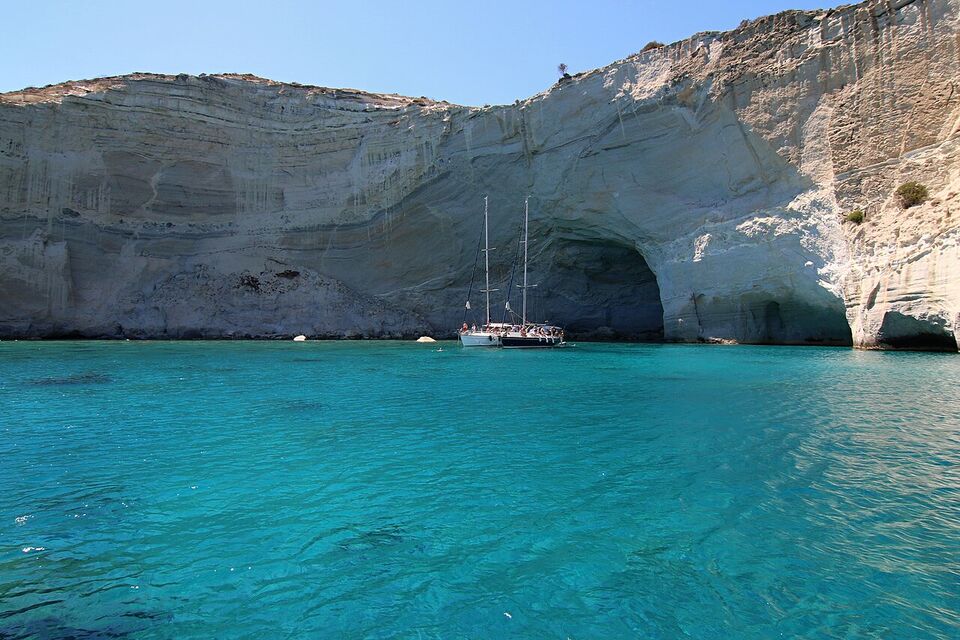
Byzantine Greece is less visited by Americans than the classical sites, but it is where much of Greek Orthodox identity comes from. Four places stand out.
Thessaloniki
The city has early Christian and Byzantine churches that are UNESCO-listed, including the Rotunda and Hagios Demetrios, along with a good Byzantine museum. Its metro and waterfront make it easy to walk. See Thessaloniki and Northern Greece.
Mystras
A ruined hillside city of churches and frescoes near Sparta, steep and shadeless in summer. Go early and wear shoes with grip. The ticket is €20 (about $22) as of 2026.
Meteora
Six monasteries stand on rock pillars. Entry is about €5 (about $6) each, in cash, and each closes one day a week. Women wear skirts below the knee and everyone covers shoulders; wraps are lent at the gate.
Mount Athos
Women are excluded by law. Men need a permit (diamonitirion) from the Pilgrims' Bureau in Thessaloniki, with only 10 non-Orthodox visitors allowed each day. Book months ahead. Women can see the coast on boat cruises from Ouranoupoli.
Byzantine churches often close at midday and have dress rules: covered shoulders and knees. Monastery hours are posted at the gate and sometimes change; ask at your hotel before driving far. See Greek Etiquette for dress and behavior.
Beaches
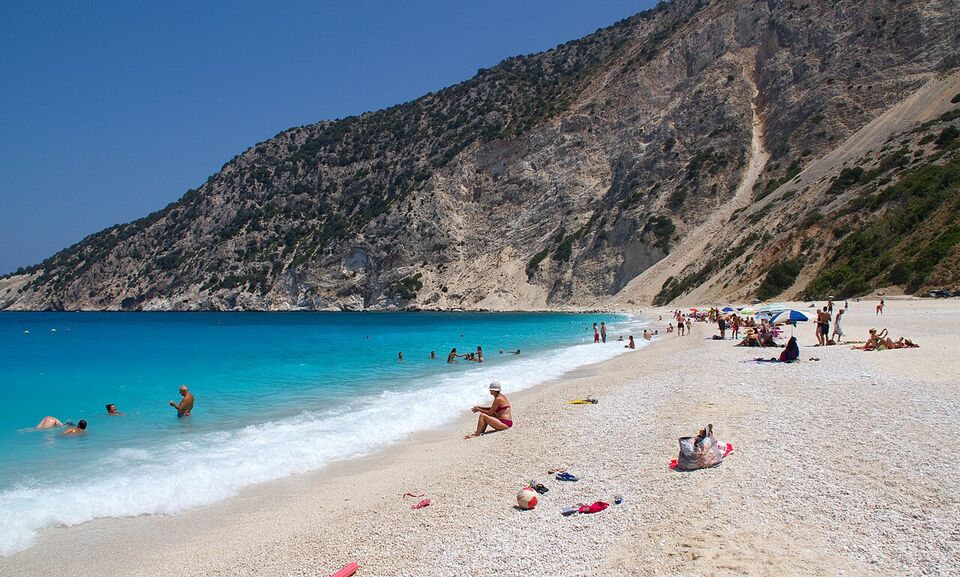
Greece has a lot of coastline and a wide range of beaches: pebbles in the Ionian, white sand in Crete and the Cyclades, and organized beaches with sunbeds as well as quiet coves. In 2026 Greece had 624 Blue Flag beaches, second in the world after Spain. Separately, 251 beaches in protected areas are classed as "untouched," with no sunbeds, music or rentals.
The sea warms slowly. It is usable for swimming from about late May and is warmest in August and September, when temperatures are in the mid to upper 70s°F (24-26°C) in the south. In the Cyclades the meltemi wind in July and August can make some beaches rough, so choose a sheltered side of the island.
Our Beaches in Greece page covers the best beaches by island, sunbed rules and sea safety. For picking an island, see Which Greek Island Is Best for You? and Naxos, Paros and the Cyclades.
Food and wine
Food is a reason to travel in itself in Greece. Crete is often chosen for its produce and olive oil, Athens for its range of tavernas and markets, and Thessaloniki for its street food and meze culture. Regional dishes change more than visitors expect, so try the local cheese, greens pie or fish rather than repeating the same order.
Wine travel centers on a few regions. Santorini is known for the white grape Assyrtiko, the Nemea area in the Peloponnese for red Agiorgitiko, and the north around Naoussa for red Xinomavro. Many wineries accept visitors by appointment, so book a tasting rather than turning up unannounced, and arrange a driver. Greece's drink-drive limit is 0.05%, and police run checks.
For what to order, how tavernas work, bread charges and tipping, see Greek Food; for wines, ouzo and coffee, Greek Wine, Ouzo and Coffee; and for the capital, Food and Drink in Athens.
Sailing
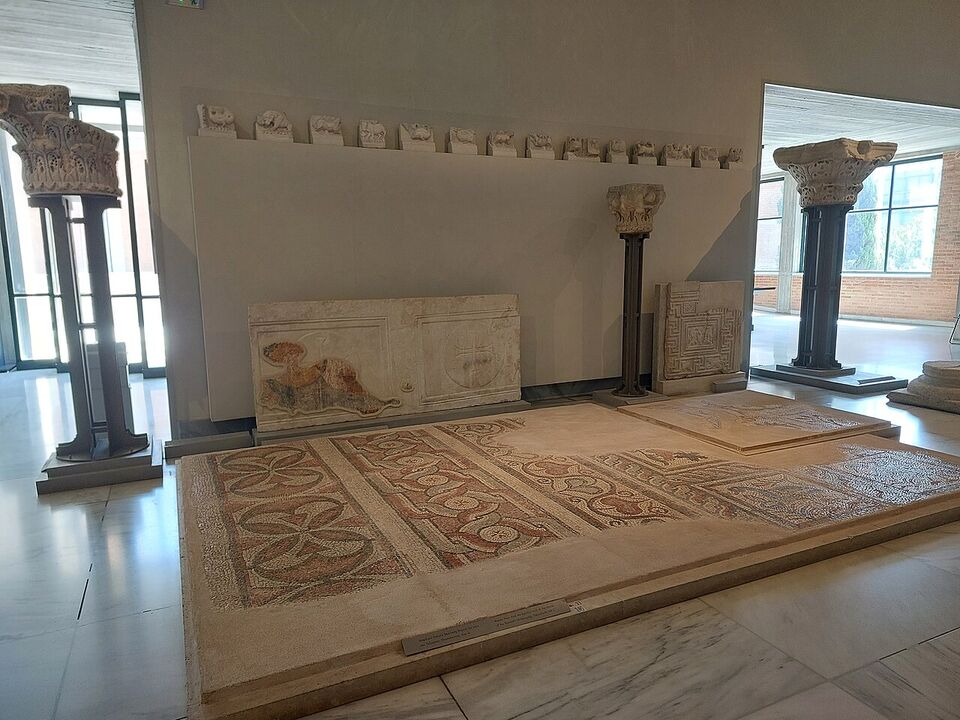
Sailing in Greece ranges from a week on a crewed yacht to a one-day boat trip. Skippered charters need no license; a bareboat charter (you sail it yourself) requires proof of competence. Charter bases generally accept the ICC and the RYA Day Skipper, among others, and often accept certain US Sailing certificates, so ask the base which they accept before you book. Rules about boat power and extra crew vary by company.
The main season is May to October. July and August bring the meltemi, a strong north wind in the Aegean that suits experienced sailors but can be stressful for beginners; the Ionian is calmer and a better first choice. For a taste of the sea without the commitment, consider a day cruise or a small-ship voyage. See Hiking, Sailing and the Outdoors and Greek Island Cruises.
Hiking
Hiking in Greece is at its best in spring and autumn. The Samaria Gorge in Crete, a 16-km (10-mile) walk taking 5 to 7 hours, is closed for the season from November 1, 2026 to April 9, 2027, and normally opens in May depending on weather (full opening in 2026 was May 19). The Vikos Gorge and the Zagori villages in the northwest are walkers' country, and Mount Olympus has refuges that run in summer. Island trails on Naxos, Milos and Crete are good in spring.
Summer heat makes midday hikes unsafe, so start at dawn, carry plenty of water and tell someone your plan. Wildfire risk is high from late spring to autumn, and open flames are banned in many areas. Details are on Hiking, Sailing and the Outdoors and Epirus and the Zagori Villages.
Watch out
Wildfire and heat rules apply to hikers and campers: open flames are banned in many areas in summer, and starting a fire, even by accident, is a criminal offense. Follow the 112 alerts on your phone and the advice of local authorities.
Families
Greece suits families well. Restaurants welcome children at almost any hour, beaches have shallow water, and the ruins come with stories. Under-18 visitors enter the Acropolis free, which saves money; other state sites have their own rules for young visitors.
- Beaches: Choose sandy beaches with gently sloping water. Naxos, Paros and parts of Crete and Corfu are common choices for families. Bring water shoes for rocky entries and for sea urchins.
- Sites kids like: The Acropolis in the first slot, the stadium at Olympia, the theater at Epidaurus and the open ruins of Delos. The Acropolis Museum has family-friendly displays.
- Ferries: Fast boats are quicker but can be bumpy in July and August wind; conventional ferries have open decks, cafes and room to move. Book seats with a child's seasickness in mind and bring medicine.
- Pace: One base for a week, with day trips, beats moving every two days. Keep hot afternoons for the pool or a nap.
See Greek Ferries and Island Hopping for booking and Where to Stay in Greece for family rooms and apartments. For stories to tell at the ruins, the mythology cards on Ancient Sites and Museums help.
Honeymoons and romantic trips
Three islands lead for couples. Santorini offers caldera views and sunsets; it is also crowded in summer, so a quieter spot in October or May suits honeymooners better. Milos has dramatic volcanic coves reached by boat. Folegandros is small, with a cliff-top village and few crowds. All three work best from May to June and from September to early October, when weather is warm and ferries run often.
Book rooms with caldera or sea views early, and be wary of rates that look cheap: they may exclude fees. Hotels charge a climate resilience fee per room per night at check-out, from €0.50 in winter up to €15 for a five-star hotel in summer. Santorini has had cruise crowds in the middle of the day, so enjoy Oia early or late. See Santorini, Mykonos and Naxos, Paros and the Cyclades, and for a choice between the two most famous, Santorini vs Mykonos.
Insider tip
If you are marrying in Greece rather than celebrating after a wedding at home, ask the municipality or a wedding planner about paperwork well ahead, because legal rules for foreigners and documents take weeks to arrange.
LGBTQ travelers
Greece legalized same-sex marriage in February 2024, and the main tourist places are widely welcoming. Mykonos has the longest-standing gay scene, with beaches and bars, mostly from June to September. Athens has bars and clubs in several central districts and an Athens Pride march, usually in June.
Outside the cities and big islands, attitudes can be more conservative, especially in some villages and around religious sites. Public affection is generally fine in tourist areas, but use judgment elsewhere. Venues and events change from year to year, so check current listings before you go. For wider safety guidance, see Is Greece Safe?.
Accessible travel
Greece is improving access, but old towns, stairs and uneven stone remain the main challenges. At the Acropolis there is a lift and a route for visitors with limited mobility; the museum below is fully accessible. Other sites involve steps and steep paths, so research each one in advance.
A growing number of beaches offer access aids, including Seatrac systems that let a wheelchair user enter the sea, though availability varies by beach and season, so confirm with the municipality or hotel. Airports provide assistance if you request it with your airline in advance, and larger ferries have accessible cabins and ramps. In Santorini, Hydra and other hilly villages, plan for stairs or donkey paths, and consider accommodations on level ground.
Hire a vehicle with a ramp if you need one, and book early. For site-level detail see Ancient Sites and Museums and for transport Getting Around Greece.
Faith travel: in the footsteps of Paul
Christian pilgrims often follow the journeys of the Apostle Paul in Greece, which are described in the Acts of the Apostles. A route covers five main places:
- Athens: Paul spoke at the Areopagus, the rock below the Acropolis, where a plaque with the text of his speech stands.
- Corinth: He spent 18 months in the ancient city, where the ruins include the agora and the bema, the judgment platform.
- Thessaloniki: The city has churches linked to Paul's early mission and the later Byzantine saints.
- Philippi: Near Kavala, the ruins include a baptistery associated with Lydia, Paul's first European convert.
- Patmos: The island of John's Revelation, with the Cave of the Apocalypse and the fortified Monastery of St. John, both UNESCO-listed.
Easter is the great event of the Orthodox year; see Easter in Greece for the 2027 date, May 2. Dress modestly for churches, and ask before photographing inside. Monastery hours vary and many close in the afternoon.
Diving and snorkeling
Recreational diving in Greece is available through registered dive centers on many islands, including Crete, the Cyclades, Rhodes and the Ionian, and since 2020 the law has allowed designated diving parks. Certification from international agencies such as PADI is generally accepted, but check with the center. Visibility can be good outside the busiest months.
Some parks and marine reserves restrict activities, and removing artifacts from the seabed is a crime. Do not fly within the period your certification agency recommends after diving, usually at least 18 hours. For snorkeling, local beaches and boat trips are enough. See Hiking, Sailing and the Outdoors and Health and Medical Care.
Different from home
Greek rules about sunbeds, sacred sites and drones differ from US norms. Beaches often rent sunbeds by the day, monasteries enforce dress codes with borrowed wraps, and drones need permission near sites. When in doubt, ask first.
Photography
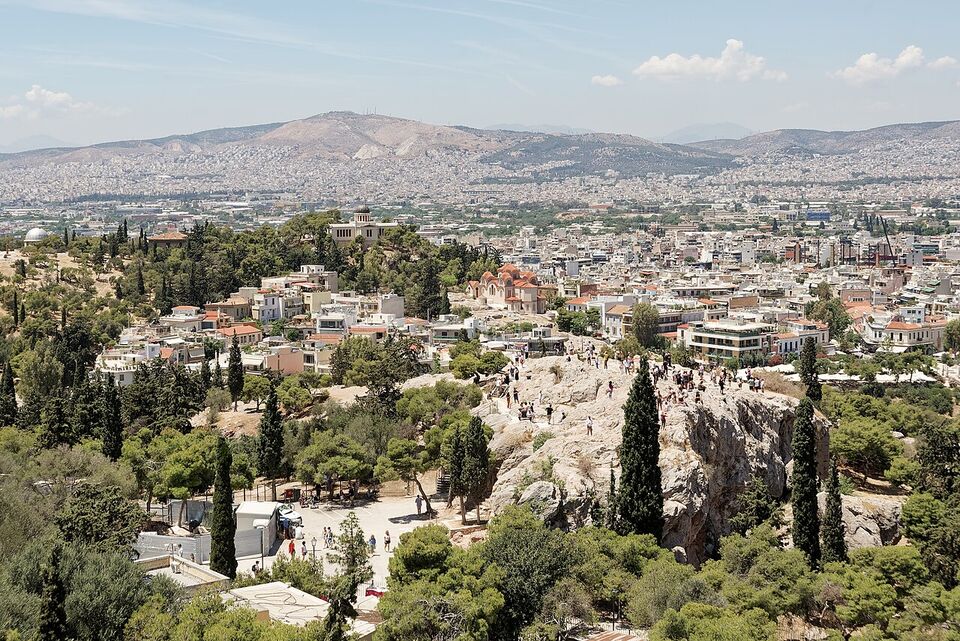
The best light is at sunrise and in the last hour before sunset. The Acropolis from Filopappou Hill, Oia's alleys at dawn, Meteora from the viewpoints and the windmills of Mykonos in the evening are classic subjects. Early morning also avoids crowds in the narrow streets.
Tripods and professional equipment may require permits at archaeological sites, and drones are tightly restricted near sites and airports. Ask the Ministry or the site before bringing one. Respect people's privacy in churches and villages, and ask before photographing locals. Carry a lens cloth against dust and salt spray on ferries.
Combining interests in one trip
Most travelers have more than one interest, and Greece lets you combine them if you keep the number of bases low. Here are four pairings that work on a ten-day trip, each with a logic you can adapt.
- History and beaches: Three nights in Athens for the Acropolis, the Agora and the museums, then a ferry or short flight to one Cyclades island for beach days. Nafplio, Mycenae and Epidaurus fit in as a two-night mainland stop before the islands.
- Food and wine with hiking: Base in Crete, with a car, for olive oil, cheese and village tavernas, and walk a gorge in spring or autumn. The Samaria Gorge is closed until April 2027, but shorter gorges stay open.
- Families with history: Athens, then Nafplio as a base for the sites, with a beach town nearby. The distances are short and kids can swim after each ruin.
- Honeymoon with a cultural stop: Two nights in Athens before or after a week on one or two islands. Avoid island-hopping every second day, since packing and ferries use up the romance.
As a rule of thumb, we suggest no more than three bases in ten days, and no more than two islands in a week. Ferry times and winter schedules matter more than distance on a map; see Greek Ferries and Island Hopping and Trip Builder.
Save money
Interests that depend on summer weather, such as beaches and sailing, cost the most in July and August. Shifting to May, June or September cuts room rates on popular islands and avoids the worst heat and crowds. Museums and ruins cost the same all year.
Choosing the season by interest
The best months differ by interest. History travelers do best in April to June and late September to October, when the sun is bearable. Beach travelers should aim for June and September for warm water without the peak crowds. Hikers want spring wildflowers or autumn, while food and wine lovers can go any time, though harvest in September and October adds events. Winter suits city breaks and mountain villages, since many island hotels close from November.
If you are traveling in the shoulder season, check which hotels, restaurants and ferries are running before you book, because island seasons are shorter than most Americans expect. See Greece in November for a snapshot of what a winter-edge trip looks like.
Add it to a route in the trip builder, or ask us to plan the hotels, trains and guides for you.