The short version
Greeks are relaxed about most things and strict about a few. Be warm and unhurried, say hello when you walk into a shop, cover up in churches, never take anything from an ancient site, and put used toilet paper in the bin. Almost everything else is forgiven, especially if you smile and try a word of Greek.
Americans tend to get the big things right (politeness, patience) and stumble on small ones: the pace of a meal, the "no" gesture, the rule about toilet paper, or the idea that a free dessert is an insult if you refuse it. This page covers what to do and what to skip. For phrases to go with it, see Useful Greek Phrases, and for how restaurants work, see the food guide.
Different from home
In the US, a stranger who starts a conversation on a bus or at the next table may seem odd. In Greece it is normal. Older shopkeepers, taxi drivers and waiters will ask where you are from, whether you have family in Greece, and what you think of the food. Chat back. It is how business is done.
Greetings and everyday manners
Say kalimera (good morning) until about noon or early afternoon, kalispera (good evening) from the late afternoon on, and kalinychta (good night) when you leave for bed. Yassas works at any hour and is polite to one person or a group. Yassou is the informal version for friends and children. You can find all of these, with pronunciation, on the Useful Greek Phrases page.
- Do greet shopkeepers, hotel staff and the person at the next table in a small taverna when you walk in. Skipping the greeting reads as cold.
- Do shake hands when you meet someone, with eye contact. Friends and relatives often kiss once on each cheek. Wait for the Greek to lean in first.
- Do use titles with older people until invited to use first names. A first-name basis comes quickly, though.
- Don't be surprised by direct questions about your age, job, children or salary. They are friendliness, not prying. You can answer vaguely.
- Don't expect Swiss punctuality. A bus or a dinner companion may be 15 minutes late. Ferries and flights, of course, are timed, and you should be early for those.
Greeks speak loudly and gesture a lot, and interruptions are part of lively conversation. A loud argument at the next table may just be two friends agreeing about football.
Two touchy subjects are worth knowing. Calling the coffee "Turkish" will get a polite correction: in Greece it is Greek coffee (ellinikos kafes). And relations with Turkey, the Cyprus question and the name of North Macedonia are charged topics. Listen more than you comment.
Hospitality, meals and the free dessert
Greek hospitality (filoxenia, literally "love of the stranger") is not a slogan. Hosts and restaurant owners often bring something you did not order. The usual gift is a kerasma: a plate of fruit or a sweet, or a small carafe of raki or tsipouro (grape spirit) at the end of the meal. Accept it, say efharisto (thank you), and take at least a bite or a sip. Refusing everything can look like a rejection of the host. If you do not drink alcohol, a smile and "no, thank you, but it looks lovely" is fine.
Meals are slow and social. Dinner often starts at 9 p.m. or later in summer, and a taverna table is yours for the evening. Nobody will hand you the bill to hurry you. You have to ask for it: say to logariasmo, parakalo or make a writing gesture in the air. A few more points:
- Plates are shared. Order several mezedes (small plates) and put them in the middle, then add grilled fish or meat if you like.
- A basket of bread arrives automatically and is often charged as a small cover fee, commonly about €1 to €2 (about $1 to $2) a person (check the menu). It is legal and not a scam.
- Splitting the bill by item is unusual. Most groups divide it evenly, or one person pays and the others pay back later. If you want separate checks, say so when you sit down.
- If you are invited to a Greek home, bring a small gift such as pastries, flowers or a bottle of wine, and expect to be fed past the point of fullness. Eating a little of everything is polite.
Tipping
Prices on a menu include tax and service, and no service charge is added at the table, so the tip is yours to give. Tipping is appreciated, not required. In a taverna, round the bill up or leave about 5 to 10% in cash on the table; if you pay by card, leave coins, since the card terminal may not add a tip for the server. In a fine-dining restaurant 10% is generous. For taxis, round up to the next euro or two. Hotel porters and housekeeping get €1 to €2 (about $1 to $2). Tip guides and drivers on private tours a little more, usually €5 to €10 (about $6 to $11) a person for a day's work if they were good. Treat all of these as guidelines, not rules.
Insider tip
Fish is sold by weight, not as a fixed price, so ask the price per kilo and have the fish weighed before it is cooked. It prevents the most common restaurant bill shock. The same goes for lobster, which is nearly always priced by weight. More on this in the safety guide.
Dress codes for churches and monasteries
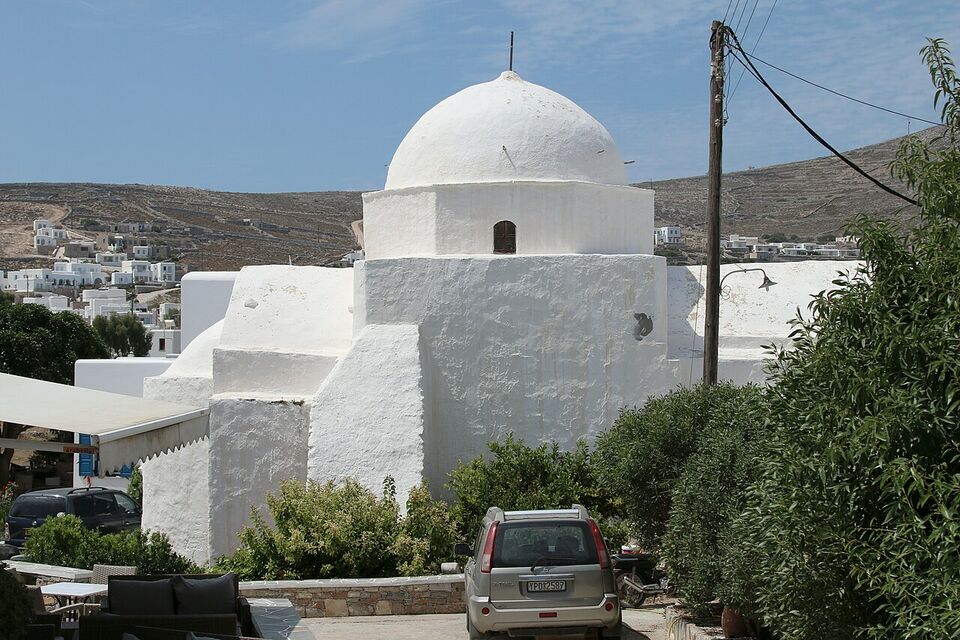
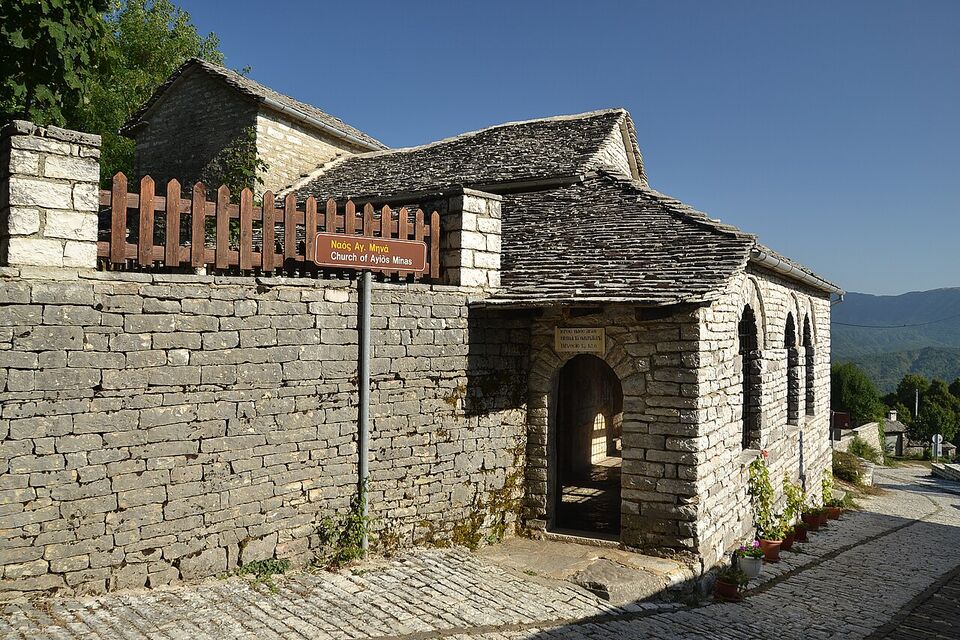
Greek Orthodox churches and monasteries are active places of worship, not just sights. Dress as you would for a funeral, not for the beach. The standard rule is shoulders covered and knees covered, for everyone. Hats off for men inside. Phones silent.
| Place | What to wear | Notes |
|---|---|---|
| Village and town churches | Covered shoulders and knees; no swimwear or very short shorts | Often open mornings and evenings, locked mid-day; a small donation or a candle (about €1, or $1, or less) is customary |
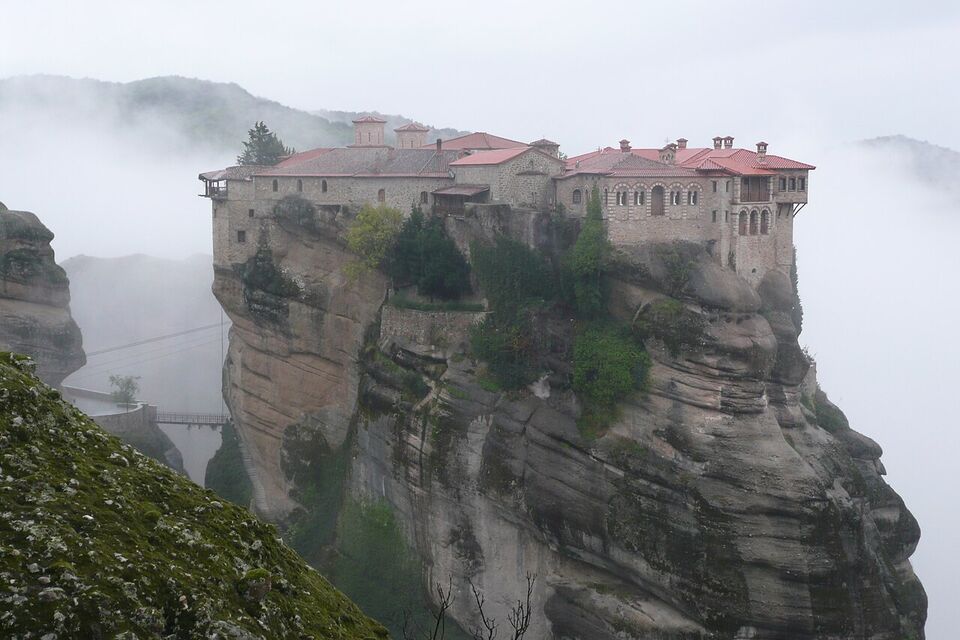
| Meteora monasteries | Women: skirt below the knee; men: long trousers; no sleeveless tops | Wraps or skirts are lent at the entrance of several monasteries; each is about €5 (about $6, cash) and closed one or more days a week. See the Delphi and Meteora guide |
| Other monasteries | Same: long skirt or trousers, shoulders covered | Rules are posted at the gate; staff may hand you a wrap |
| Mount Athos | Strict monastic rules | Men only; visitors need a permit (diamonitirion) from the Pilgrims' Bureau in Thessaloniki, limited to 10 non-Orthodox visitors a day; women can see the monasteries from boat cruises out of Ouranoupoli |
Photography inside churches is often discouraged or forbidden, especially of icons, services and people at prayer. Look for a sign or ask. Never use flash. During a service, stay at the back, keep your voice down and do not walk in front of the congregation. If you want to light a candle, drop a coin in the box and place the candle in the sand tray.
The sign of the cross, made right to left, is common when passing a church, and you will see passengers on a bus or ferry do it. You do not need to copy it. Just do not stare.
Watch out
Pack a light scarf or a pair of lightweight long trousers in your day bag. A summer sundress with thin straps is fine on the street, but you cannot go into a monastery in it, and wraps from the entrance are sometimes out of stock in busy hours.
Quiet hours and the afternoon rest
The old afternoon siesta is fading in Athens, but it survives on islands and in small towns. In a village you may find shops closed from about 2 or 3 p.m. to 5 or 6 p.m. in summer, and hotels ask guests to keep noise down through the mid-afternoon. In many places there is also a quiet period overnight, in tourist areas often from about 11 p.m. or midnight, though bars and clubs are exempt. Local rules vary, and the details are set by town or hotel, so check the notice at your hotel.
- Do not play music from a phone speaker on a ferry deck, a beach or a hotel balcony.
- Do not call or run a drone near people. Drones need permits at archaeological sites, and flying one over a village or beach can get you into trouble.
- Do not plan shopping or errands in a small town between roughly 2 and 5 p.m. Big supermarkets and tourist shops in resorts stay open.
- On islands, loud scooters at night annoy residents. Walk or ride quietly late.
Mid-day closures vary by town and shop, so ask at your hotel. Public holidays (see the planning guide) close almost everything, and Easter week is the main one: many places shut from Good Friday to Easter Monday.
Gestures, body language and the "yes/no" trap
This is where Americans cause the most confusion without meaning to.
The moutza
The moutza is an open palm with spread fingers pushed toward someone's face. It is a serious insult in Greece, similar to flipping someone off. Americans commonly do it by accident when they wave at a waiter or say "stop" to a driver. Keep your fingers together if you wave, and do not hold up your palm to someone at close range. Wave with a relaxed hand, palm to the side.
Yes and no
Nai (yes) sounds like "neh" and ochi (no) sounds like "OH-hee". To a first-time visitor, nai sounds like "no", and the situation gets worse because the gesture for "no" is a quick upward lift of the chin or eyebrows, often with a click of the tongue, and "yes" is a slow tilt of the head sideways or down. Nodding up and down does not always mean yes, and a head shake can mean "I don't know". If a yes/no matters (price, a ferry ticket, a bus stop), say it in words and repeat it back.
Other gestures
- The thumbs-up is fine. The "OK" circle is fine in most contexts, but can be taken as rude in some.
- Pointing with the hand is fine. Beckoning with the palm up and fingers curling in is used for pets and children, not for waiters. Call a waiter by catching their eye and saying parakalo (please/excuse me).
- Touching: Greeks stand close and touch an arm in conversation. Step back politely if it bothers you.
- Do not blow your nose loudly at the table. Go to the restroom.
Hand gestures are cheerful and abundant. When in doubt about what a gesture means, assume it means "slow down" or "good food".
Toasts and drinking
The toast is yamas (yia mas, "to us", pronounced YAH-mahs). Raise the glass, say it, and look the other person in the eye as you clink. Skipping eye contact is said to bring bad luck and is, at the least, impolite. At a big table, make eye contact with each person near you as you clink, and tap the base of the glass lightly on the table if you are the host.
Greeks drink with food, not instead of it. Wine, beer and ouzo arrive with mezedes, and a Greek will rarely order a drink without something to eat. Being visibly drunk is looked down on. Ouzo is sipped slowly; add water or ice and it turns cloudy. Tsipouro and raki are often shared from a small carafe among the table.
Drinking in public is not a crime in itself, but it is rude to be loud and drunk in a village square or on a ferry. Glass bottles left on a beach are a danger to bare feet, and broken glass is a wildfire hazard in dry countryside, so take them with you. Rules on selling alcohol to teenagers have been tightened in recent years, so carry ID if you look young. For more on drinks, see the drinks guide.
Different from home
In the US, "to-go" is the default. In Greece, almost nobody takes food or coffee away. Even a quick coffee is drunk sitting down, and the frappe or iced freddo cappuccino can occupy a table for an hour. You will not be rushed, and nobody will ask you to leave.
Smoking
Smoking is banned in enclosed public places, including indoor restaurants, cafes and bars, but it is common on terraces and outdoor tables, and in practice some indoor enforcement is uneven, particularly late at night. Greece has had a poor record with this rule for decades, and inspections are stepped up from time to time. Expect to sit near smokers at many outdoor tables. Some cafes now mark smoke-free zones.
- If smoke bothers you, ask for an indoor table in cooler months or for a table at the edge of a terrace upwind.
- Never throw a cigarette butt out of a window, off a balcony or on dry ground. Wildfire risk is high from spring to autumn, and starting a fire, even by accident, is a crime. See the safety guide.
- Vaping is covered by similar rules indoors, and signs say so.
Photos at sites, drones and tripods
The Greek state treats archaeological sites as protected monuments, and guards will blow a whistle at behavior that damages them. The rules are simple:
- Do not climb, sit on or lean on ancient walls, columns or statues, and do not pose on monuments for a photo.
- Stay behind ropes and on marked paths. Do not step on ancient floors or mosaics.
- Selfie sticks, tripods, large camera bags, drones and professional equipment are restricted at many state-run sites. A hand-held phone or small camera is fine. Commercial shoots and sometimes tripods need a permit from the Ministry of Culture. Check the rules at the gate or on the site's page on the Ministry's Hellenic Heritage site (hh.gr) before bringing a tripod or drone.
- Taking photos in museums is usually allowed without flash, but some rooms and special exhibitions forbid it. Look for signs.
- Photographing military installations, ships and vehicles, and border areas is illegal and has led to arrests, so keep your camera down near a naval base or an airfield.
Ask before photographing people, especially older villagers, monks, nuns and children. Most people will say yes with a smile. Priests and monks are generally comfortable being photographed from a distance, but ask close up. See the ancient sites guide for visiting rules and opening hours.
Never take stones, shards or sand
Do not take any stone, pottery shard, marble fragment or other object from an archaeological site, and do not take sand or pebbles from beaches, especially protected ones. It is illegal in Greece. Antiquities offenses can lead to prosecution, and the fines can be large. Airport inspectors do check bags, and a pocketful of sand that seemed harmless can turn into a long afternoon at a police station. Take a photo instead.
The same caution applies to buying "ancient" objects from a seller on a beach or a street. Genuine antiquities cannot be exported without a Ministry of Culture permit, and the souvenir you bought may be a fake anyway. Buy a licensed museum-shop replica. More on what you can bring home is in the shopping guide.
Watch out
Tourists have been stopped at airports with pebbles, shells, bits of marble or sand from Elafonisi, Balos and other protected spots. Some of these are protected as part of Natura 2000 areas, where collecting is banned. If it came from the ground at a protected place, leave it there.
Beach etiquette
Greek beaches are public by law. Sunbed concessions must leave part of each beach, and a strip along the waterline, free for everyone, so you can always lay your towel in the free zone. The government's MyCoast app lists licensed concessions and lets you report violations. Some 251 "untouched" beaches in protected areas allow no sunbeds, music or rentals at all, so bring water, shade and a bag for your trash. Details and a beach guide are in the beaches guide.
- Space and noise: Greeks pack in at popular beaches, but keep a polite distance from other towels, keep music low, and watch the ball games.
- Sunbeds: A pair of sunbeds and an umbrella costs money in summer at an organized beach, often with a minimum drink order at beach bars. Ask the price before sitting down, and see if you may use your own towel in the free section.
- Topless and nude: Topless sunbathing is common and accepted at many beaches, particularly on the islands. Full nudity is tolerated on certain remote beaches and legal on designated ones, and illegal elsewhere. Dress normally on family beaches. Do not photograph other bathers.
- Trash: Carry out everything you bring. Cigarette butts are the main litter problem.
- Wildlife: Do not disturb sea turtle nests. Beaches such as Zakynthos have marked zones that are closed to people at night. Keep out of fenced areas.
- Cover up when you leave the beach: shirts in shops and restaurants are expected, and a swimsuit at the table of a village taverna looks out of place.
Everyday rules that surprise Americans
Paper in the bin
In most of Greece, you do not flush toilet paper. The pipes are narrow and older, and paper clogs them. Look for the small bin next to the toilet and put used paper in it, including in hotels. The sign is in English in most places. It sounds odd on day one and feels normal by day three. Flushable wipes and feminine products should also go in the bin, never down the toilet. A few new hotels and city buildings have modern plumbing and say so, but follow the sign.
Shops, cash and queues
- A queue is a loose idea. Step up and say me syghoreite (excuse me). Be polite, but be assertive at a crowded counter.
- Most businesses must accept cards by law, but small kiosks (peripteros) and ferries sometimes prefer cash. Carry some. See the money guide.
- Bargaining is not usual in shops. At a flea market or for a large purchase from a rug or jewelry seller, you may politely ask for a better price.
- Sunday trading is limited. Many small shops close Sunday, while tourist shops remain open.
Taxis and ferries
Say hello when you get into a taxi, and confirm the meter is running or agree the flat fare first. A taxi driver may take a second passenger going the same direction. This is normal. On ferries, sit in your assigned seat if your ticket has one. Vehicles and passengers board in a scramble, so be ready, keep your bags with you, and do not block stairways.
Save money
A free glass of water arrives with nearly every meal. Take it. Bottled water at a table is charged separately. A taverna's "house wine" in a carafe (hima) is usually good and much cheaper than bottles from the list.
A quick do and don't list
| Do | Don't |
|---|---|
| Say kalimera or kalispera when you enter a shop | Walk in and start with a question in English |
| Cover shoulders and knees in churches | Wear swimwear or tank tops into a monastery |
| Accept the free dessert or raki with thanks | Refuse and look offended |
| Make eye contact when you toast | Look away as you clink |
| Say "yes" and "no" in words | Trust a nod or head tilt alone |
| Keep your palm closed or sideways when you wave | Show an open palm near someone's face |
| Put toilet paper in the bin | Flush it unless a sign says you may |
| Take photos from the path | Climb or pose on monuments |
| Leave stones, shards and sand where they are | Pocket a souvenir from a site or protected beach |
| Ask before photographing people | Photograph military sites |
If you do break a rule by mistake, an apology and a smile (signomi) goes a long way. Greeks tend to forgive visitors who show respect. To make the rest of the trip smoother, read the safety guide for scams and local risks, and the planning guide for planning.
Add it to a route in the trip builder, or ask us to plan the hotels, trains and guides for you.