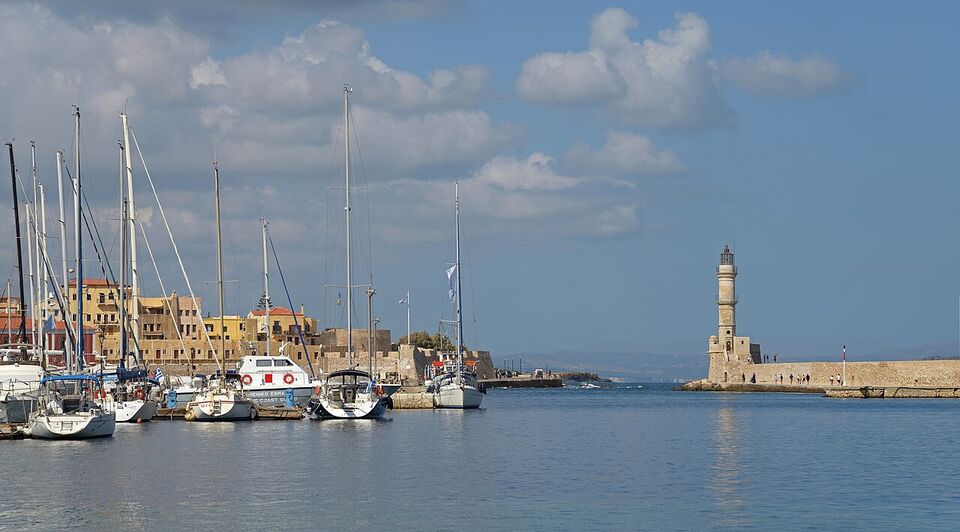
Overview: the 90-day limit and the options beyond it
Americans can stay in Greece for up to 90 days in any 180-day period without a visa. Staying longer needs a long-stay visa or a residence permit, and the right choice depends on whether you work remotely, have savings or income, or plan to buy property. Most people who "live in Greece" for a season either move between Schengen and non-Schengen countries, or apply for one of the visas below.
This page explains the main routes, plus the practical steps once you are there: tax number, social security number, renting, utilities, health insurance, banking and learning Greek. Immigration rules change often. We have checked them as of November 2026, but you should confirm everything with the Greek Ministry of Migration, a Greek consulate or an immigration lawyer before you commit to any money or plans.
The 90/180 rule in practice
The 90/180 rule covers the whole Schengen area, which includes Greece, Italy, Spain, France, Germany and most other EU members. Days in all of them add up. On any day, look back 180 days: the number of days you spent in Schengen in that window cannot exceed 90.
The rule is rolling, not a calendar reset. If you spend 90 days in Greece, you cannot return to Schengen after a short trip to Turkey or the UK. You need to stay out long enough for your days in the previous 180 to fall back to 90 or fewer. Since April 10, 2026, the EU's Entry/Exit System records your entries and exits digitally with fingerprints and a photo, so the border officer sees your history automatically. See Entry Requirements for Americans.
- Your passport must be valid at least 3 months beyond the date you leave Schengen and issued within the last 10 years. The State Department recommends 6 months.
- The days of arrival and departure both count.
- Overstaying can lead to fines, deportation and an entry ban, and it gets recorded.
- ETIAS, the EU's planned travel authorization, is not required yet and no start date has been announced; when it starts it will cost €20 (about $22) and the EU will give several months' notice.
A useful plan for slow travelers is to split a long season between Greece and a non-Schengen country such as Albania, Turkey, Cyprus or the UK. Plan the arithmetic carefully and use an online Schengen calculator, but treat the result as a check, not a guarantee. See Greece and Its Neighbors.
Watch out
Greece does not offer a simple way to extend a tourist stay once you hit 90 days. Do not assume you can "visa run" to a neighboring country for a day and come back: the 180-day window keeps counting. Count carefully before booking a long rental.
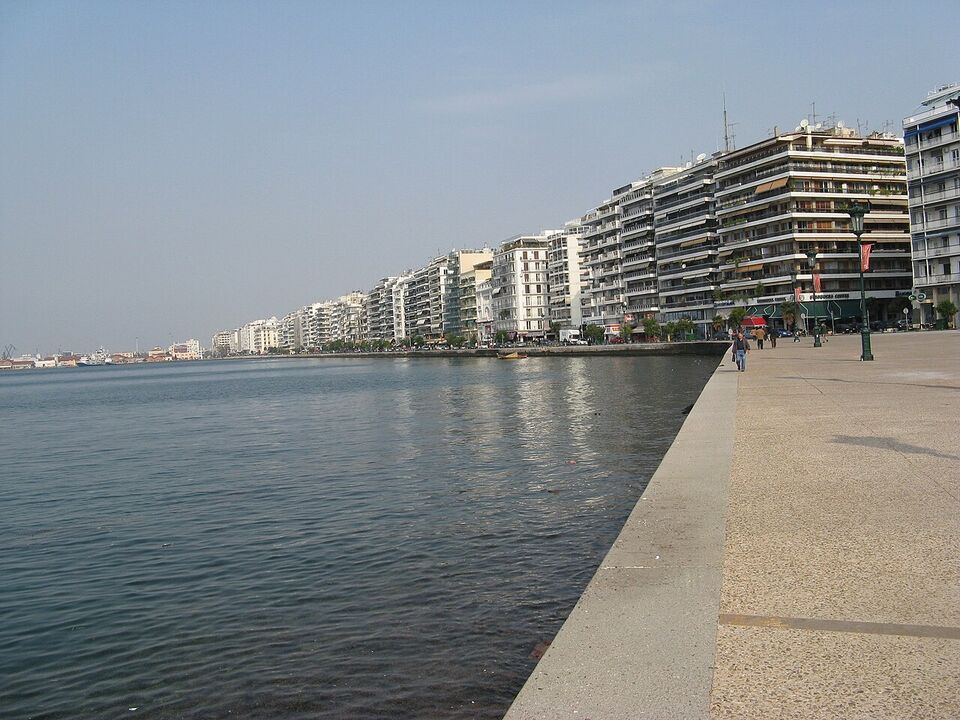
The digital nomad visa
Greece offers a digital nomad visa for remote workers employed by or contracting with companies outside Greece. The main requirement is net income of at least €3,500 (about $3,920) a month. Reports say higher amounts apply for a spouse (about 20 percent more) and for each child (about 15 percent more); confirm the current figures with the consulate.
Under a law passed in February 2026 (Law 5275/2026), you now apply for the initial one-year entry visa at a Greek consulate in your country of residence, before you travel. Applying from inside Greece on a tourist stay is no longer possible. After arrival you convert to a two-year renewable residence permit. Expect to show proof of income, a remote-work contract or client contracts, health insurance, a clean criminal record and accommodation in Greece.
A tax benefit has been widely reported: a 50 percent reduction in income tax for up to seven years for people who move their tax residence to Greece. Tax residence generally follows time spent in the country, with 183 days as the usual line. This is where professional advice matters, because US citizens remain subject to US tax on worldwide income and must file with the IRS, so a Greek tax break does not remove American obligations.
The financially independent person visa
Greece also has a visa for people with stable passive income, such as pensions, rents or investment income, who do not plan to work in Greece. It is often called the "financially independent person" or "retirement" visa. Requirements usually include proof of regular income above a set monthly amount, health insurance, a clean record and a place to live.
We could not confirm the current income threshold or the rules on days spent in Greece from an official source. One secondary source mentioned a figure of €3,500 and a 183-day presence rule, but this is unclear, so do not rely on it. Check with the Ministry of Migration and the consulate that serves your area, and ask whether the visa lets you live in Greece part of the year or requires a longer stay.
The Golden Visa
The Golden Visa is a residence permit for investors, mainly through real estate. It was reformed in 2024 under Law 5100/2024, and thresholds now depend on where the property is.
| Where | Minimum investment |
|---|---|
| Attica, Thessaloniki, Mykonos, Santorini and islands with over 3,100 residents | €800,000 (about $896,000) |
| Elsewhere in Greece | €400,000 (about $448,000) |
| Conversions of commercial buildings to residential use and restoration of listed buildings | €250,000 (about $280,000) |
The investment must be in a single property (you cannot add up smaller units), and built property needs main areas of at least 120 square meters; the €250,000 conversion route has no minimum size. The permit is a renewable five-year residence permit with no minimum-stay requirement. Golden Visa properties may not be rented short term, for example on Airbnb, and penalties are heavy. The permit lets you live in Greece and travel in Schengen, though it does not itself give citizenship.
Because the rules were reformed in 2024 and implementing decisions and circulars have followed since, use a licensed Greek lawyer and verify every figure against the current law. Property purchase also brings taxes, fees and due diligence on titles; do not sign anything without independent advice.
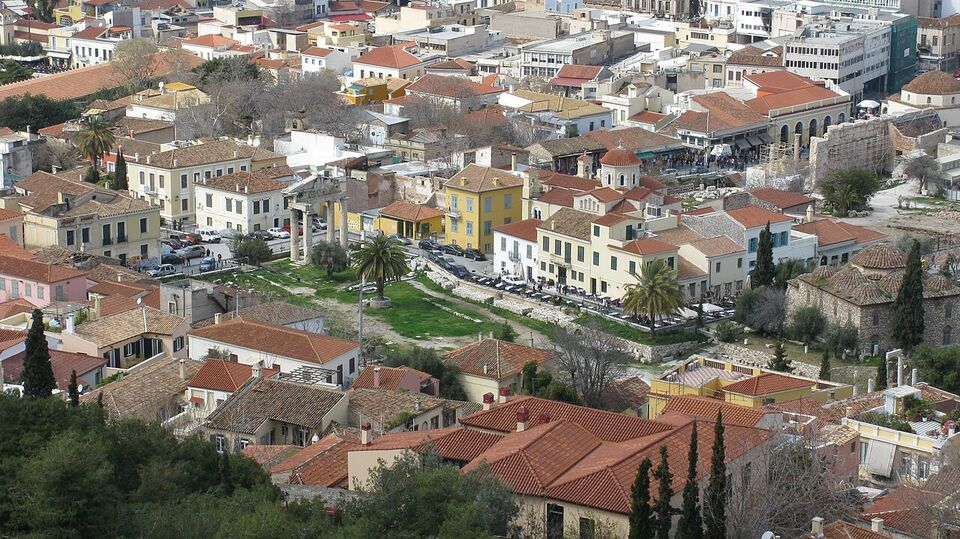
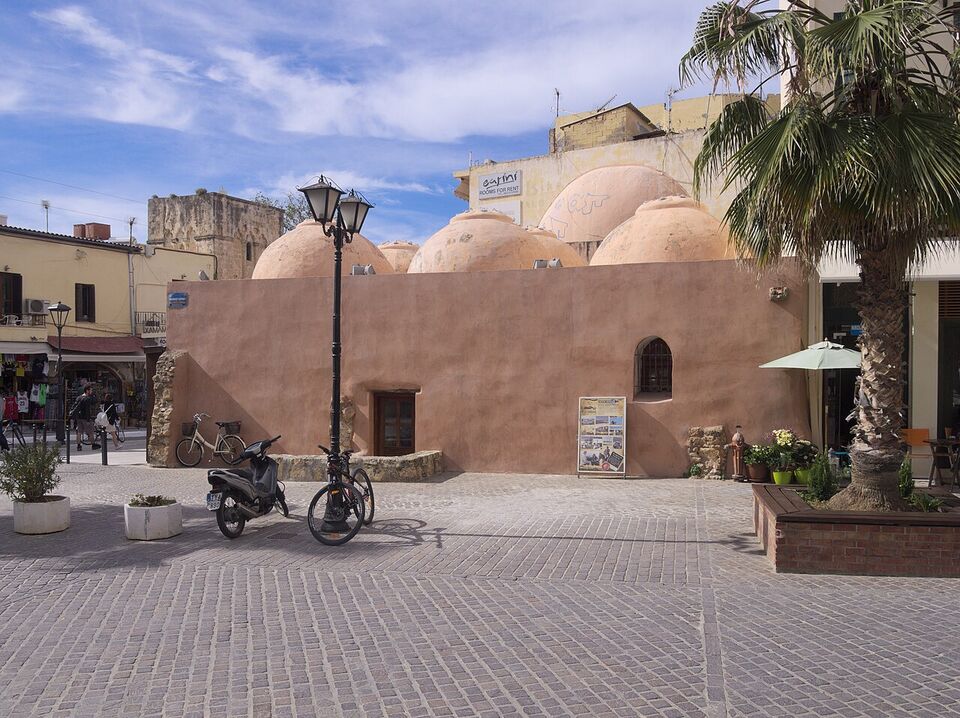
Tax number (AFM) and social security number (AMKA)
The AFM (tax registration number) is the key that opens everything else in Greece. You need it to sign a long-term lease, set up utilities, open a bank account, buy a car or register a phone line in your name. It is issued by the tax authority, AADE, at a local tax office (DOY) or online with a Greek representative. Foreign residents often use a lawyer or accountant to handle it, for a modest fee.
The AMKA is the social security number, used for public health care and prescriptions. Eligibility for it generally depends on residence status, so a tourist does not qualify. Residence-permit holders can usually apply. Without an AMKA you rely on private insurance. Neither number is required for a short visit.
Renting a home
For stays of a few months, furnished apartments and mid-term rentals are available in Athens, Thessaloniki and island towns, often at lower monthly rates in winter. Short-term rental rules have tightened: Athens has extended a ban on new short-term rental registrations in central districts through 2026, which has pushed some owners toward longer leases.
- Contracts: Long leases are registered electronically with the tax authority by the landlord. Ask for a copy, and check that the AFM of both parties appears.
- Deposits: A deposit of one to two months' rent is common. Agree the terms for returning it in writing, and note the apartment's condition with photos on day one.
- Heating and cooling: Winters can be cold in apartments with no central heating, and August needs air conditioning. Ask what the heating is, how it is paid for, and who pays building fees.
- Scams: Never send a deposit for a listing you have not seen, and be wary of owners who cannot meet you or show a contract.
Different from home
Many apartments are in older buildings with elevators that may be small or absent, and floors are counted from the ground floor up. Ask which floor and whether there is a lift. Window screens, laundry lines and small refrigerators are normal.
Prices vary widely by area and season, so compare listings on several sites and ask residents. See Where to Stay in Greece for hotel and apartment basics for shorter trips.
Utilities, health insurance, banking and Greek
Utilities. Electricity, water, gas and internet are billed separately, usually by the account holder, and most providers need the AFM and a copy of the lease. Many landlords keep bills in their name and pass costs on; ask which applies. Mobile service is easy to arrange with a prepaid SIM; see Phones, Data and Power.
Health insurance. Medicare does not cover you in Greece. Visa applications usually require private health insurance valid in Greece or in Schengen, and the State Department recommends medical evacuation cover. Public hospitals are inexpensive but can be crowded, and care outside major cities can be limited; many expats use private clinics. See Health and Medical Care.
Banking. A Greek bank account needs an AFM, a passport, proof of address and often proof of income. Americans can find that banks ask extra questions because of US tax-reporting rules, so allow time. Many long-stayers keep a US account with low foreign-fee cards and use a Greek account only for rent and bills. Cards and bank transfers are widely accepted for rent and bills.
Learning Greek. English is widely spoken in tourist areas, but daily life, offices and doctors in small towns run in Greek. Learn the alphabet first, which takes a weekend, then take a class or use an app. See Useful Greek Phrases. Local language schools and online tutors are widely available.
Add it to a route in the trip builder, or ask us to plan the hotels, trains and guides for you.