Overview
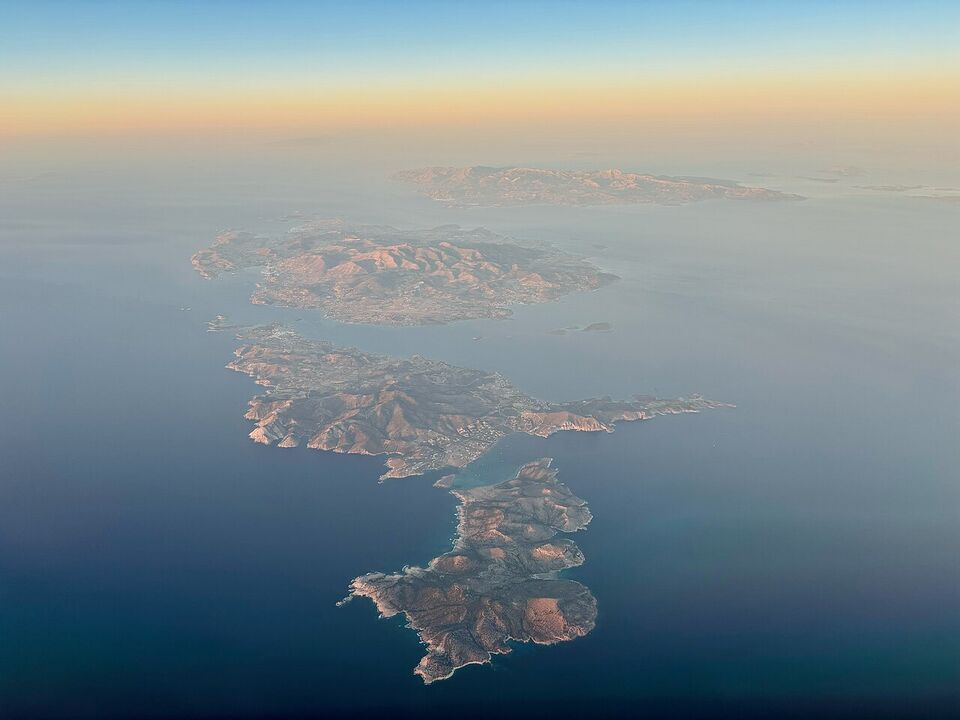
Greece is a small country with a very long list of places to go. This page is the hub for all of them: a short guide to each destination, how far it is from Athens by ferry, plane or road, and how many days it deserves. Use the map at the top of this page to see where each place sits, then use the cards and tables below to decide what fits your dates.
Most trips are built around Athens, which has the main international airport and the ferry ports of Piraeus and Rafina. From there, the country splits into a few clear directions: south and east by sea to the islands, west and south on the mainland to the Peloponnese and Delphi, and north to Thessaloniki and the mountains. Each direction takes a different kind of time, so it helps to think in travel hours and not in miles.
A good rule: give each place at least two nights, and count the day of travel to it as lost. A ferry that takes 5 hours leaves little time for anything else. For a first trip, we suggest our trip-planning guide, which turns this list into six sample routes.
Athens and the places close to it
Athens is the arrival point for nearly everyone, and the three guides below start from it. They cover the capital itself, the one-day outings, and the islands you can reach in about an hour or two.
Athens
The Acropolis, museums, neighborhoods and food. Start here and spend longer than you think. Read our Athens guide for where to stay and how the airport transfer works.
Day trips from Athens
Cape Sounion (about 43 miles, 70 km), Delphi, Nafplio and Mycenae, Marathon and the Saronic islands. See day trips from Athens for times and tickets.
Saronic islands
The closest islands, by ferry from Piraeus in roughly 40 minutes to 2 hours depending on the island and boat. Car-free Hydra is the famous one. See Hydra, Aegina and the Saronic islands.
The islands
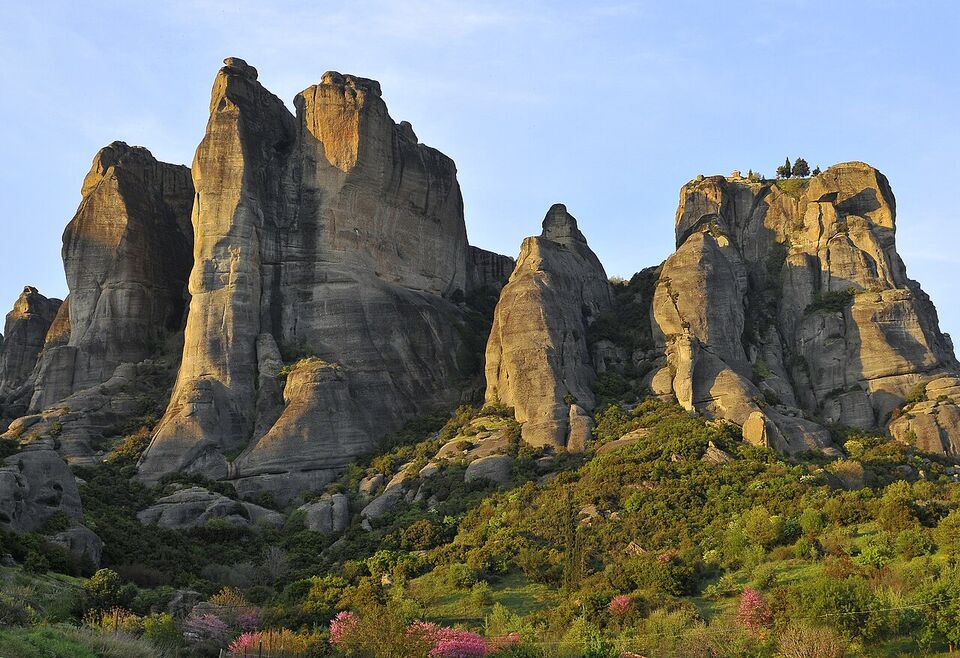
The islands are what most people picture when they think of Greece. They are also where seasons matter most: many hotels and restaurants close from the end of October until spring, ferries thin out and the high-speed boats mostly stop. For dates, see when to go.
Santorini
Caldera views, Oia and Fira, Akrotiri and wineries. Flight under an hour or ferry 5 to 8 hours. Santorini guide.
Mykonos
Town, windmills, beach clubs and Delos. Flight under an hour or high-speed ferry from 2 hours 40 minutes. Mykonos guide.
Naxos, Paros and the Cyclades
Bigger, greener, cheaper islands with long beaches and villages. Also Milos, Sifnos and Folegandros. Cyclades guide.
Crete
Knossos, Chania, the Samaria Gorge, beaches and food; you need a car. Flight about an hour or overnight ferry. Crete guide.
Rhodes and the Dodecanese
A medieval walled town, Lindos and the smaller islands of Symi, Kos and Patmos. Rhodes and the Dodecanese.
Corfu and the Ionian islands
Venetian old town, green hills, Paxos, Kefalonia and Zakynthos. A different climate from the Aegean. Corfu and the Ionian islands.
If you cannot choose between the two best-known islands, see Santorini vs Mykonos. For a pick by interest or trip type, which Greek island is best for you compares the options.
The mainland
The mainland is easy to underestimate. It has the oldest sites, some of the best food, mountain villages and beaches, and it stays open all year when the islands go quiet. A rental car helps in most of it; read driving in Greece first.
The Peloponnese
Nafplio, Mycenae, Epidaurus, Olympia, Monemvasia and the Mani. About 2 hours by car or KTEL bus to Nafplio. Peloponnese guide.
Delphi and Meteora
The sanctuary at Delphi (about 3 hours from Athens by bus) and the cliff-top monasteries at Meteora. Delphi and Meteora.
Thessaloniki and the north
A food-focused city, the Byzantine churches, Vergina, Mount Olympus, Halkidiki beaches and Mount Athos. About 1 hour by plane. Thessaloniki and northern Greece.
Epirus and the Zagori villages
Stone villages, the Vikos Gorge, Ioannina, Metsovo and Parga. About 5 hours by road. Epirus and Zagori.
How far is each place from Athens?
These are typical journey times, and ferries and flights change by season. Times for ferries come from booking sites and operators and vary by boat; always check the timetable for your date. Flights from Athens to most islands take under an hour.
| Destination | From Athens | Days to give it |
|---|---|---|
| Saronic islands | Ferry from Piraeus, about 40 min to 2 hr | 1 day to 2 nights |
| Delphi | About 110 miles (180 km); KTEL bus about 3 hr | 1 day or 1 night |
| Nafplio and Mycenae | About 90 miles (145 km); KTEL about 2 hr 10 min | 2 to 3 days |
| Mykonos | Flight under 1 hr; ferry from 2 hr 40 min (high-speed) to about 5 hr | 2 to 3 nights |
| Santorini | Flight under 1 hr; ferry about 5 to 8 hr | 2 to 3 nights |
| Naxos and Paros | Flight under 1 hr; ferry about 3 to 5.5 hr | 3 to 5 nights |
| Crete | Flight about 1 hr; overnight ferry to Heraklion about 9 to 10 hr | 4 to 7 nights |
| Rhodes | Flight under 1 hr; ferry 13 hr or more | 3 to 5 nights |
| Corfu | Flight under 1 hr; or drive to Igoumenitsa then ferry about 1.5 hr | 3 to 6 nights |
| Meteora | About 220 miles (350 km); KTEL via Trikala about 4.5 to 5.5 hr | 1 to 2 nights |
| Thessaloniki | Flight about 1 hr; train about 4.5 to 5.5 hr; drive about 5 hr (300 miles, 500 km) | 3 to 5 nights |
| Ioannina and Zagori | About 270 miles (435 km); drive about 5 hr; flights to Ioannina | 3 to 4 nights |
For ferry operators, ports and fares see our ferries guide; flights and airports are in flights to Greece. Rail and bus options are summarised in getting around Greece.
Insider tip
The ferry times above are one-way and range widely because fast boats cut the time in half. If you have only a week, the faster boat or a flight is usually worth the extra cost, because it returns most of a day to you. Check the ferry timetable before you book hotels.
What is open, and when
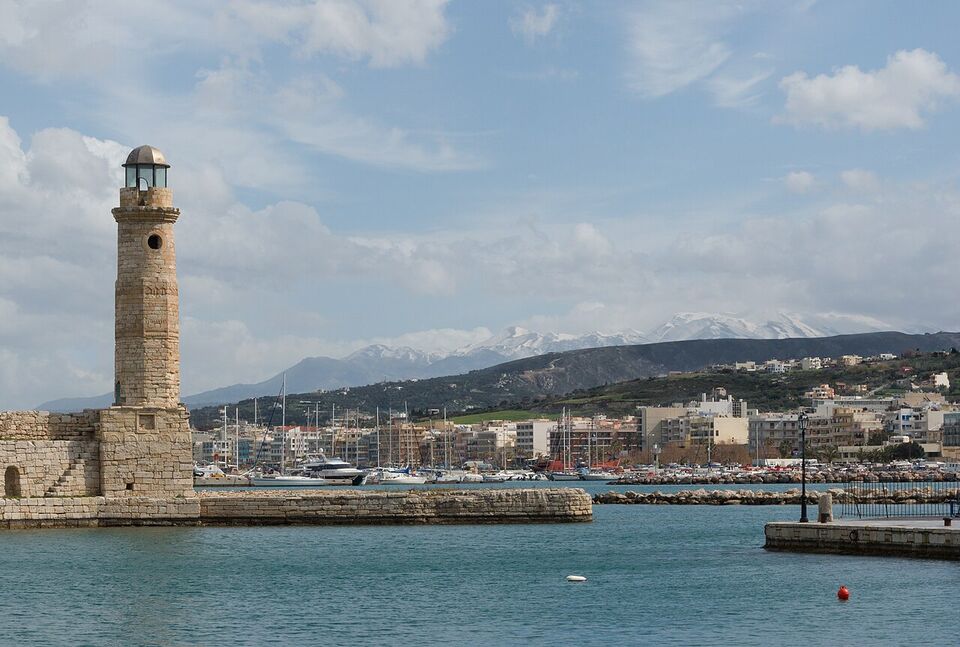
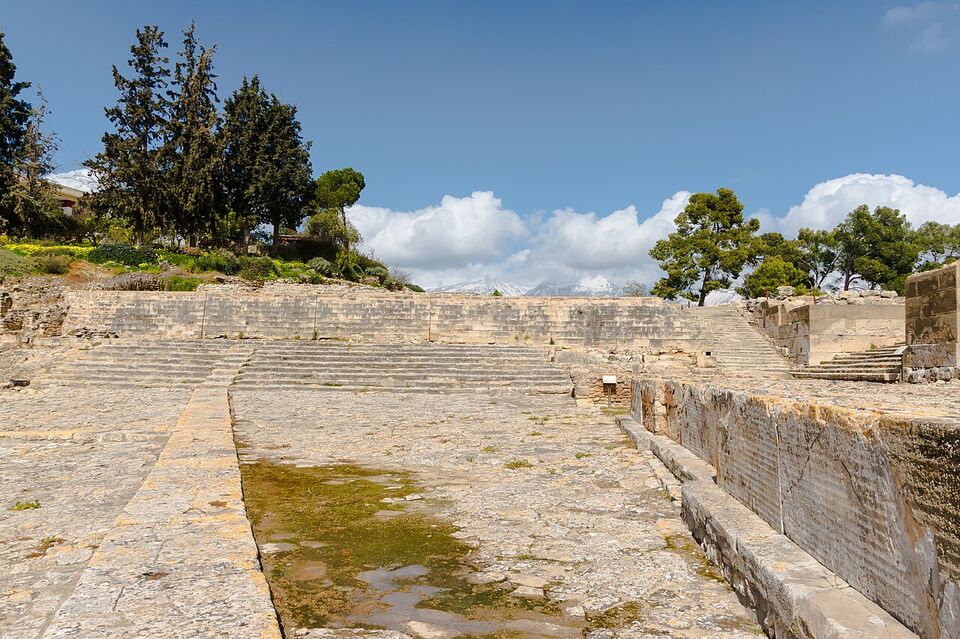
The big split in Greece is between places that run all year and places that shut for the winter. Athens, Thessaloniki, Nafplio, Ioannina and the main towns of Crete, Rhodes and Corfu are working towns that stay open in every month. Beach-area hotels, beach clubs and small-island tavernas follow the tourist calendar and close in autumn.
As a rough guide, based on closing patterns reported for the 2026 season: caldera hotels on Santorini stay open through October while the beach villages of Kamari and Perissa close at the end of October. On Mykonos most businesses stop between November and March. On Naxos and the smaller Cyclades, many hotels close in the third week of October. On Crete the main towns stay open but most large resort hotels close from early November until late March. On Rhodes the Old Town stays lively while the beach resorts around Lindos and Faliraki mostly close. On Corfu, villages such as Agios Gordios are nearly shut by the end of October, though the Corfu-Igoumenitsa ferries run daily all year. Exact dates differ by property, so confirm before booking.
Spring is the other half of the pattern. Hotels, restaurants and ferries ramp up from late April through May, and some places open only in late May. If you travel in April or early May, pick bigger towns and check that the sea route you want is running.
Different from home
Americans often expect resort areas to be open "on demand." In Greece, an island can have flights but no open hotel in your village. Check that your specific hotel and restaurant are open for your dates, not only the island. Our November and December pages explain what works in winter.
Beyond this list
This guide gives full pages to the thirteen destinations above, but Greece has more. The Sporades (Skiathos, Skopelos, Alonissos) are green islands north of Athens, reached by ferry from the mainland ports of Volos and Agios Konstantinos, or by flight to Skiathos. The North Aegean islands (Lesvos, Chios, Samos) are large and less touristed. The Dodecanese go well beyond Rhodes: Kos, Patmos, Symi and Karpathos each have their own ferry links. You can reach most from Athens by air or ferry; start with the nearest guide above and use the ferry operators' timetables from there.
The Ionian islands follow a different pattern from the Aegean. They sit on the western side of the country, face Italy rather than Turkey and have a wetter, greener climate. Corfu is the easiest to reach; Kefalonia, Zakynthos and Lefkada have airports or bridges, and Paxos is reached by boat.
What things cost, in general
We do not print exact price ranges here, because costs vary by season, but the pattern is consistent. Santorini and Mykonos are the most expensive places in Greece in July and August. Naxos, Paros, Crete and Corfu cost less for similar beaches. Athens is moderate, Thessaloniki and the mainland towns are cheaper, and the mountain villages of Epirus cost less again. Ferries and flights add the same fixed cost to every plan, so the cheapest trips are those with fewer transfers.
Hotel bills in Greece include the climate resilience fee, charged per room per night. It is higher in the April to October season than in the winter. The full table is in money in Greece.
Common mistakes
- Trying to see Athens, three islands and the mainland in a week. Fewer stops make a better trip.
- Booking a ferry on the day of an international flight. Add a buffer night.
- Assuming Crete is a quick stop. It is the largest island, and driving between Chania and Heraklion is a few hours.
- Skipping the mainland. Delphi, Nafplio and Meteora are excellent and close to Athens.
- Visiting in the heat. In July and August, plan sites for early morning and the beach for midday.
- Picking a car for Athens or Santorini town. Take taxis, buses and the metro there; rent a car only where roads are the point.
Choose by trip type
First trip, one week
Athens (3 nights) plus one island group: Santorini or Mykonos, or Naxos and Paros for a quieter pace. That is two bases and one transfer. The shorter your trip, the more you gain by flying one way.
History and ancient sites
Athens, then a loop through the Peloponnese (Nafplio, Mycenae, Epidaurus, Olympia), then Delphi, and, if you have time, Meteora. Thessaloniki adds Byzantine and Macedonian history. See ancient sites and museums for tickets and hours.
Beaches
The Cyclades (Naxos, Paros, Milos), Crete, the Ionian islands and Halkidiki all have good beaches. The Aegean is breezier in July and August; the Ionian is calmer. See our beaches guide for rules, sunbeds and sea safety.
Hiking and mountains
Crete (the Samaria Gorge), Epirus (the Vikos Gorge and Zagori), Mount Olympus near Thessaloniki, and island trails on Naxos and Andros. Season and heat matter more than distance; see hiking, sailing and the outdoors.
Food
Thessaloniki for the best mix of markets and small plates, Crete for local produce and Athens for variety. The mountains of Epirus are the place for pies and grilled meat.
Families
Choose bases with a beach, calm water and a way to stay put for several nights: Naxos, Paros, Corfu and parts of Crete. Avoid island hopping every other day with children.
Winter trips
Athens, Thessaloniki, the Peloponnese, Delphi and the mountain villages of Epirus stay open all year. Many beach resorts and small-island hotels close from late October. For month-by-month detail, see when to go.
Sample combinations
| Trip length | Combination | Why it works |
|---|---|---|
| 7 days | Athens 3 nights, Santorini or Naxos 3 nights | One transfer, one island, time to see the Acropolis properly |
| 10 days | Athens 3, Naxos or Paros 3, Santorini 3 | Three bases with short ferry hops |
| 10 days (mainland) | Athens 3, Peloponnese 3, Delphi and Meteora 3 | No ferries, good for spring and autumn and for winter |
| 14 days | Athens 3, Cyclades 6, Crete 4 | Adds a larger island with sites and gorges |
| 14 days (north) | Athens 3, Thessaloniki 4, Epirus 3, Corfu 3 | A mountain-and-coast route, little overlap with the island circuit |
Watch out
Do not plan an early flight out of Greece after a ferry the same day. Weather and delays happen, especially with the summer meltemi wind. Leave a buffer night in Athens or on the airport island before an international flight.
For the cruise ship view of the same places, see Greek island cruises. For themes that cut across destinations, see Greece by interest.
How to choose between them
Start with the season. In summer, islands win, and the mainland sites are hot in the middle of the day. In spring and autumn, both are good. In winter, stay on the mainland and larger towns. Then decide how much time you can afford to lose in transit, and remember that more stops always cost days. Finally, decide whether you want a car: it is useful on Crete, the Peloponnese, Halkidiki and Epirus, and a burden on Hydra, Santorini town and Athens.
When you are ready to book, the ferry guide and flight guide cover the logistics, and where to stay covers hotels, fees and areas.
Add it to a route in the trip builder, or ask us to plan the hotels, trains and guides for you.