Overview
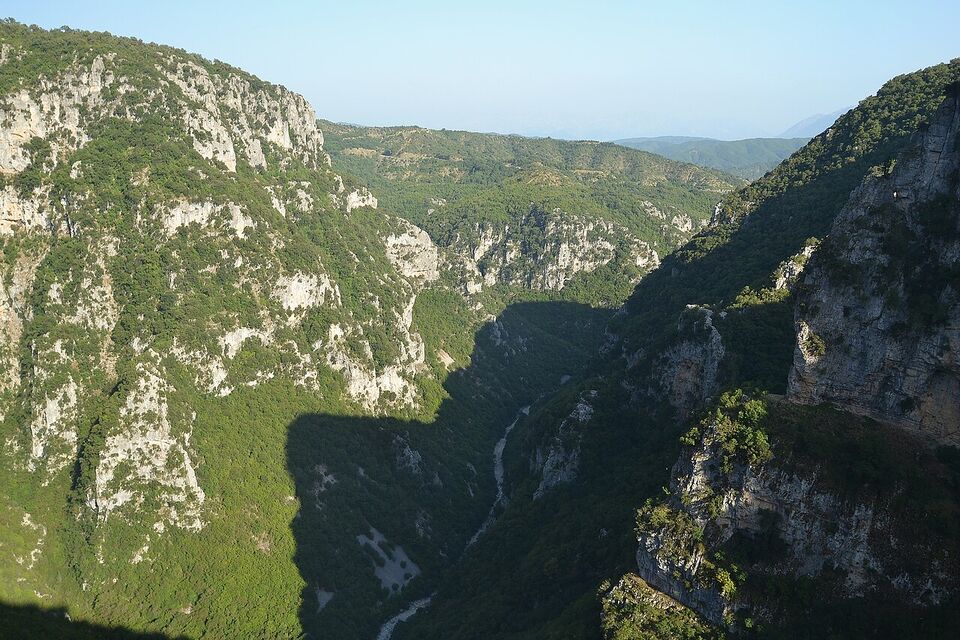
Epirus is Greece's mountain northwest, and the Zagori villages are its main draw. The region has about 46 stone villages scattered across the Pindus mountains, linked by old cobbled paths and arched stone bridges, with a limestone gorge that is one of the deepest in the world for its width. In September 2023 UNESCO added the "Zagori Cultural Landscape" to the World Heritage List.
It is a very different trip from the islands. There are no big hotels, no beach clubs and no ferries. Instead you walk, drive winding roads, eat pies and grilled meat, and sleep in stone guesthouses with fireplaces. The pace is slow, the crowds are small by Greek standards, and the pleasure is mostly in the scenery and the villages.
This page covers the villages, the Vikos Gorge hike, the viewpoints, Dragon Lake, Ioannina, Metsovo, Parga and the Acheron river, plus how to get there, where to stay and when to go. For the other mountain-and-monument route on the mainland, see Delphi and Meteora; for the north-east, see Thessaloniki and northern Greece.
Is Epirus worth the trip?
Yes, if you like hiking, small villages and food that is not about seafood. It suits travelers on a second or third trip, or anyone who wants a few days of green, cool landscape after the islands. It is easy to combine with Corfu through the port of Igoumenitsa, about an hour from Parga and about two hours from Ioannina by road.
It is less suited to a short first visit to Greece, because the travel time is long. From Athens it is about 270 miles (435 km), which is five hours or more by road. If you have a week or less, spend it in Athens and the islands, and keep Epirus for a later trip. If you do come, give it at least three nights; two days of driving for a single night is not worth it.
Different from home
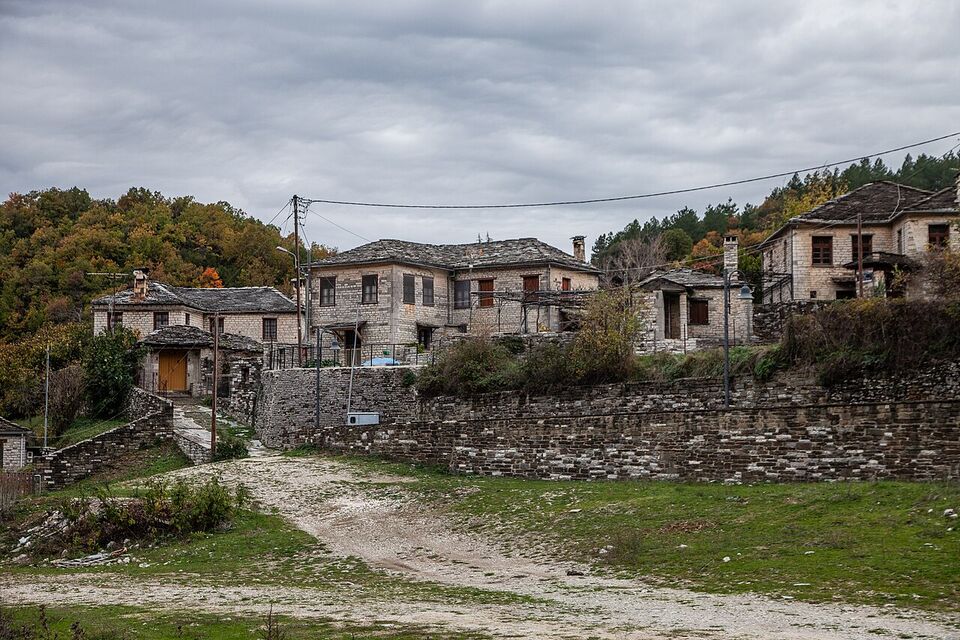
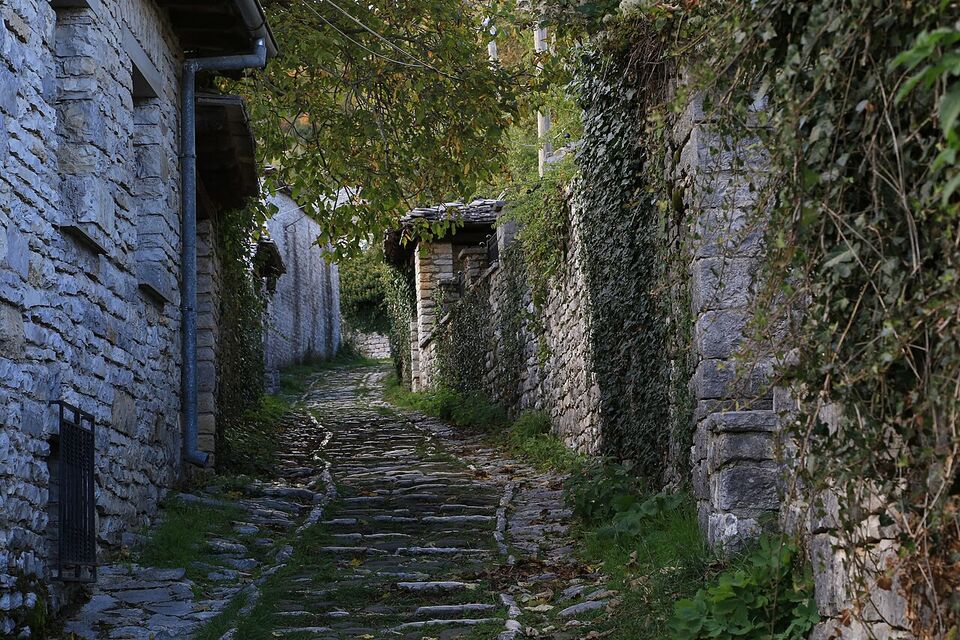
Think Appalachian villages, not Greek island whitewash. Stone houses with slate roofs, steep lanes and cold nights, even in summer at the higher villages. Bring a warm layer in any month, and rain gear for spring and autumn.
The Zagori villages
Zagori is a cluster of villages north of Ioannina, split into Central, East and West Zagori by tradition. They were wealthy in the 18th and 19th centuries, when local merchants sent money home from abroad, and they built mansions (archontika), churches, schools and bridges in stone. Cars were kept out for centuries, which is why the villages feel old.
Monodendri
The gateway village for the gorge, with cobbled lanes and the Agia Paraskevi monastery perched on the gorge edge. It has a good range of guesthouses and tavernas.
Papingo
Two villages (Great and Little Papingo) under the Astraka cliffs of Mount Tymfi. The natural rock pools (Ovires) about a short walk away are cold, and the trails to Dragon Lake start here.
Kipi (Kipoi)
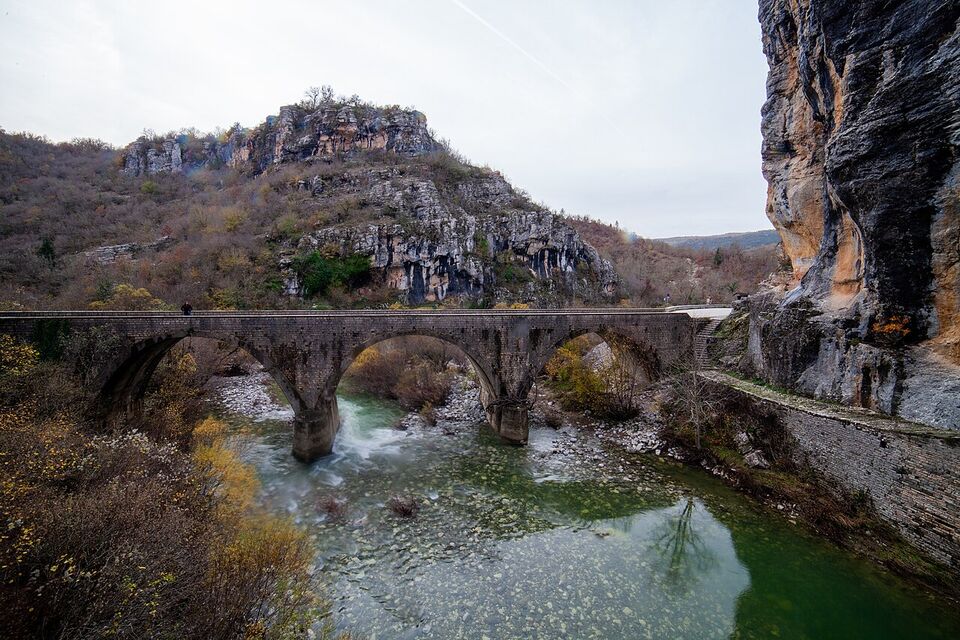
A village known for its cluster of arched stone bridges, including the triple-arched Kalogeriko bridge nearby. Easy to visit without a long hike.
Kapesovo and Vradeto
Linked by a cobbled stairway called the Steps of Vradeto, a climb of about 1,000 stone steps. The Beloi viewpoint is close to Vradeto.
Tsepelovo and Aristi
Smaller villages with fewer day visitors. Aristi sits near the Voidomatis river and is a base for rafting and river walks in season.
Zagori has over 160 old stone bridges across the region, mostly built in the 18th and 19th centuries. Several are easy to reach: the Kokkoris bridge, the Plakidas (Kalogeriko) triple-arched bridge near Kipi, and the Kontodimos bridge near Aristi. Look at them early or late, when the light is low and few people are around.
Vikos Gorge hike
The Vikos Gorge is the main hiking route in Zagori. The gorge itself is a long cut through the limestone of Mount Tymfi, with walls that rise 1,000 m (about 3,300 ft) or more. Published figures differ for the length of the whole canyon, around 20 to 24 miles (32 to 38 km), but the walkable route most people do is shorter.
The classic route: Monodendri to Mikro Papingo
The standard hike goes from Monodendri down a steep, stony path to the gorge floor, follows the river bed north to the Voidomatis springs area, then climbs to Mikro Papingo. It is about 8 miles (13 km) and takes 6 to 8 hours, with a drop of roughly 1,600 ft (500 m) and a climb of about the same on the far side. It is a hard day, not a stroll.
The trail is marked but rough. Part of it follows the dry river bed, which can flood after rain. Go with plenty of water, a map or offline GPS, and boots with good grip. A taxi from Mikro Papingo back to Monodendri is the usual way to close the loop; arrange it ahead, since service is limited.
Seasons and safety
The best months are May-June and September-October. In April snowmelt can make the lower gorge wet and sections hard to cross. In July and August the sun is intense, the stream is mostly dry in many sections and you must carry all your water. In winter and in snow the route is not for casual hikers. Check the forecast the day before, start by 8 a.m. and turn back if storms build, since the gorge floor can flood with little warning.
Watch out
Mobile signal is poor inside the gorge. Tell your guesthouse when you start and when you expect to finish. The emergency number is 112, which works across the EU and has English-speaking operators.
If the full route is too much, shorter options exist: walk down to the Klidonia bridge area or the Vikos spring and back, or hike a section from Vikos village. Our outdoors guide covers heat, water and gear for all of Greece's trails.
Vikos and Beloi viewpoints
If you do not hike, you can still see the gorge from the viewpoints. The Oxia (Oxya) viewpoint is a platform above the deepest part of the gorge, reached by a road from Monodendri of several miles (published distances vary, so ask your guesthouse for the current route). The Beloi viewpoint is on the eastern side of the gorge, a short walk from the village of Vradeto.
Both give a long view into the canyon and across to the cliffs of Mount Tymfi. Go in the morning, when the air is clearest, and in autumn when the forest colors turn. Watch the edges: there are few railings.
Dragon Lake (Drakolimni)
Dragon Lake is a small alpine lake high on Mount Tymfi, at about 6,700 ft (2,050 m). The hike starts at Mikro Papingo and climbs steeply to a mountain refuge area and then to the lake, taking about three to four hours each way. It is a long, strenuous day, with a risk of cold weather and storms even in summer.
Plan it for July to September, when the snow has gone from the upper slopes. Check refuge opening and conditions with your Papingo guesthouse before you set out, because snow can remain in June. Bring a warm layer and rain gear. If you cannot do the full climb, the lower paths above Mikro Papingo give excellent views without the full commitment.
Ioannina
Ioannina is the capital of Epirus and a good base for a day or two. It sits on Lake Pamvotis, with a walled old town on a peninsula (the castle), a small island in the lake, and a handful of Ottoman-era buildings. It has a university and a lively evening scene.
The lake and the island
Small boats run from the lakeside to the island (known as Nisi), a short ride. The island has a village with tavernas, bakeries and small churches, and the monastery of St. Panteleimon, where the Ottoman ruler Ali Pasha spent his last days; it is now a museum. Timetables vary by season, so check at the quay.
The castle and silver
The castle area is the old heart of the city. Its inner citadel, Its Kale, houses the Fethiye Mosque, Ali Pasha's tomb and a Byzantine museum, and a silversmithing museum covers a craft for which Ioannina is known across Greece. Silver jewelry and decorative pieces are sold in shops in the old town. Entry prices for the castle and museums are set by the Ministry of Culture and may change; check before you go.
Save money
Ioannina is cheaper than the islands for food and lodging. If you buy silver, ask for a receipt and hallmark information, and keep it for customs and the VAT refund rules explained in our shopping guide.
Metsovo
Metsovo is a mountain town at about 3,800 ft (1,160 m), roughly an hour from Ioannina by road, on the main route between Epirus and Thessaly. It is the center of Greece's Aromanian (Vlach) community, with stone houses, folk costume and a long tradition of cheese and wine. Look for smoked Metsovone cheese, which is easy to carry home if it is sealed, and for the local Katogi wine.
Metsovo has a small ski center and is busy at weekends in winter. In summer it is cool, which makes it a nice stop between Meteora and Ioannina. A few hours are enough for the town and a meal; stay overnight if you want a quiet evening in the mountains. Our Delphi and Meteora guide covers the monasteries on the other side of the Pindus.
Parga and the Acheron river
Parga is a small seaside town on the Ionian coast, about 55 miles (90 km) from Ioannina, with a harbor, a hilltop castle and colorful houses stacked above a small bay. It has several beaches, including Valtos and Lichnos, and is a popular summer stop for Greek holiday-makers. Outside summer it is very quiet, and many hotels and tavernas close.
Inland from Parga, the Acheron river runs through a gorge and springs, and in ancient times it was the river of the underworld. The Necromanteion, an ancient sanctuary of the dead, stands nearby. In summer you can wade up the cold Acheron springs near Glyki, a popular half-day trip; wear water shoes and expect a crowd at midday. Check river conditions before you go, since high water after rain closes access.
Parga makes a good beach break at the end of a mountain trip, and it is close to the ferry port of Igoumenitsa, so you can continue to Corfu. See Corfu and the Ionian Islands for the crossing and the island.
What to eat in the mountains
Epirus cooking is built on pies (pites), made with thin hand-rolled phyllo and filled with greens, cheese, leeks or pumpkin, and on meat from the hills: lamb and goat, grilled or slow-baked. Most village tavernas also serve local cheeses, hearty bean dishes and trout from mountain streams where it is in season. Portions are generous and prices are lower than in the Cyclades.
Ask what the day's pie is, and order a few dishes to share. In winter, a wood stove and a glass of tsipouro (a grape spirit) are part of the picture. Outside summer, many village kitchens open only in the evening or on weekends, so ask your guesthouse to book dinner. More on how Greek menus and tipping work is in our Greek food guide.
Getting there
By car
From Athens to Ioannina is about 270 miles (435 km), and about five hours without long stops. The usual route crosses the Rio-Antirrio bridge, a toll bridge over the Gulf of Corinth, then follows the Ionia Odos motorway north. The other route goes via the A1 and the Egnatia Odos (the A2) across the north. From Thessaloniki, the Egnatia runs west toward Ioannina in about three to three and a half hours. Tolls apply on both; keep cash or a card handy. Our driving guide covers permits, rentals and mountain roads.
By air
Ioannina has a small airport, with flights from Athens that take around an hour. Schedules and airlines vary by season, so check Aegean Airlines or Sky Express for the 2026-27 winter timetable when you plan. A rental car is available at the airport or in town.
By bus
KTEL buses run from Athens to Ioannina and from Ioannina to the larger Zagori villages. Journey times are long (six hours or more from Athens) and village services are infrequent, sometimes only once or twice a day. Buses suit a single-village stay, not a multi-village trip.
Insider tip
Pick up the rental car at Ioannina rather than in Athens, if you can fly. You save a day of driving and can use the time for the villages. See getting around Greece for how internal flights and rental cars fit together.
Where to stay
The traditional choice is a stone guesthouse, usually 5 to 15 rooms in a restored mansion, with a fireplace, wood floors and a breakfast table. Many are in Monodendri, Papingo, Aristi, Tsepelovo and Kapesovo. Prices are typically in the $ to $$ range for a double room, depending on the season (check current rates), and weekends in winter fill early.
Choose by the base you want. Monodendri suits the Vikos hike and the Oxia viewpoint. Papingo suits Dragon Lake and the rock pools. Aristi or Kipi suit the bridges and river. Ioannina suits a mix of city and day trips, with the widest choice of hotels and restaurants. A guesthouse that is closed in the off-season will often tell you on its own site; call ahead outside July and August.
Your hotel bill includes the climate resilience fee, which is small in winter and larger from April to October; see money in Greece for the current rates.
Winter vs summer
Summer in Epirus is warm in Ioannina and cooler in the mountains. It is the time for river walks, rafting in some seasons and swimming at Parga. July and August see more Greek holiday traffic, especially on weekends. Wildfires affect the region in some years, so check conditions.
Autumn is the best season for walking and photographing the forests. Winter turns the villages into snow scenes; roads can need chains, some guesthouses close, and the gorge trail is not suitable for casual hikers. Spring brings green hillsides and high water. Pack for rain in any shoulder season.
A simple plan:
- Day 1
Ioannina
Arrive, walk the castle and silver shops, take a boat to the island. Dinner in the old town.
- Day 2
Central Zagori
Drive to Monodendri, see the Oxia viewpoint, the Kipi bridges and, if you have time, a short gorge walk. Stay in a village.
- Day 3
Vikos Gorge or Papingo
The full gorge hike, or a Papingo day with rock pools and a walk toward Dragon Lake. Stay in Papingo.
- Day 4
Metsovo or Parga
Drive to Metsovo for cheese and a mountain meal, or to Parga and the Acheron springs for the coast.
For the broader picture of what to combine with Epirus, see Greece's destinations.
Add it to a route in the trip builder, or ask us to plan the hotels, trains and guides for you.