Overview
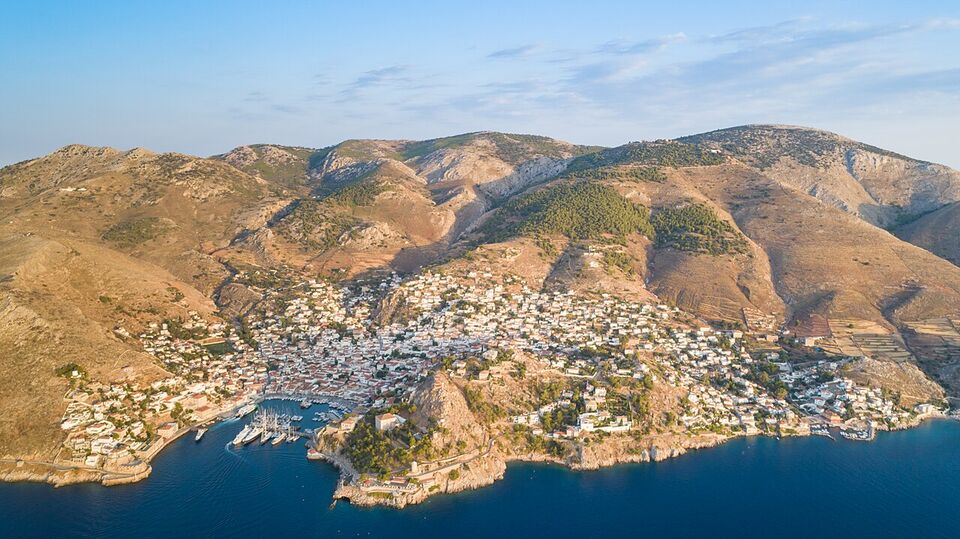
The Saronic islands are the Greek islands closest to Athens: Aegina, Poros, Hydra, Spetses and little Agistri sit in the gulf south and west of Piraeus, 40 minutes to 3 hours away by boat. Hydra is the most atmospheric, Aegina the easiest, Poros the quietest and Spetses the best for a longer beach stay. Boats leave Piraeus daily all year, so this is the one island group you can sensibly visit on a short Athens trip.
These islands are not the Cyclades. The beaches are smaller, the water is a bit cooler, and the villages are more Greek weekend retreat than postcard. That is part of the appeal: Athenians go here on summer weekends, and prices reflect it. If you want white cubes, big beaches and cliffs, see our Cyclades guide and our best islands guide instead.
Which island suits you
Aegina
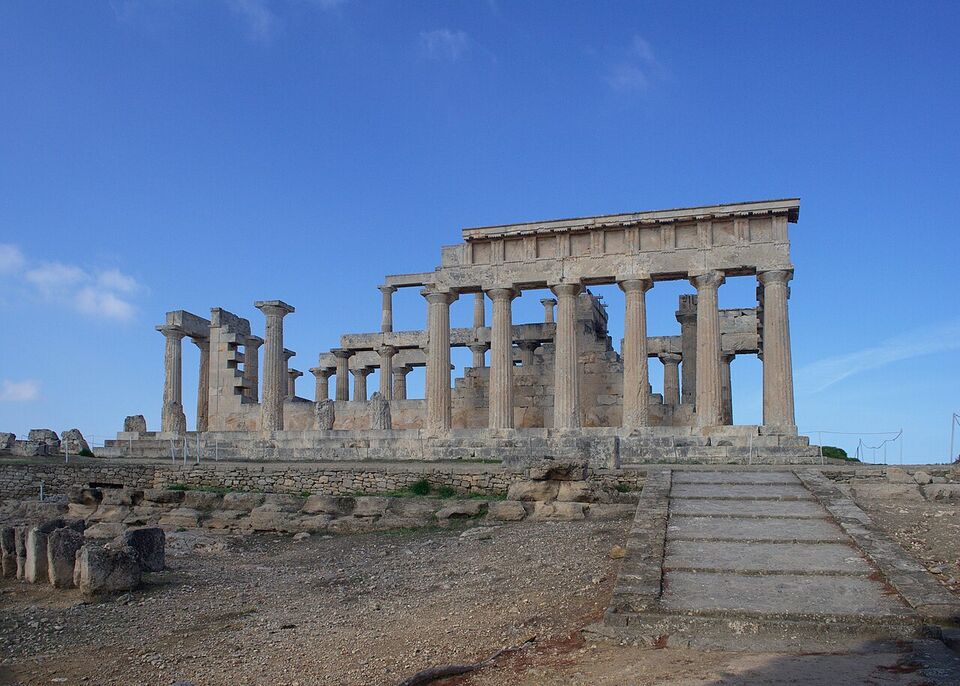
The nearest and the easiest. You get a real ancient temple, a pilgrimage monastery, a working fishing harbor and good seafood. Best for a first island day.
Hydra
A stone harbor town with captains' mansions, donkeys and swimming off rocks. Best for atmosphere. Not for beach lovers, as it has pebble coves rather than long sand.
Poros
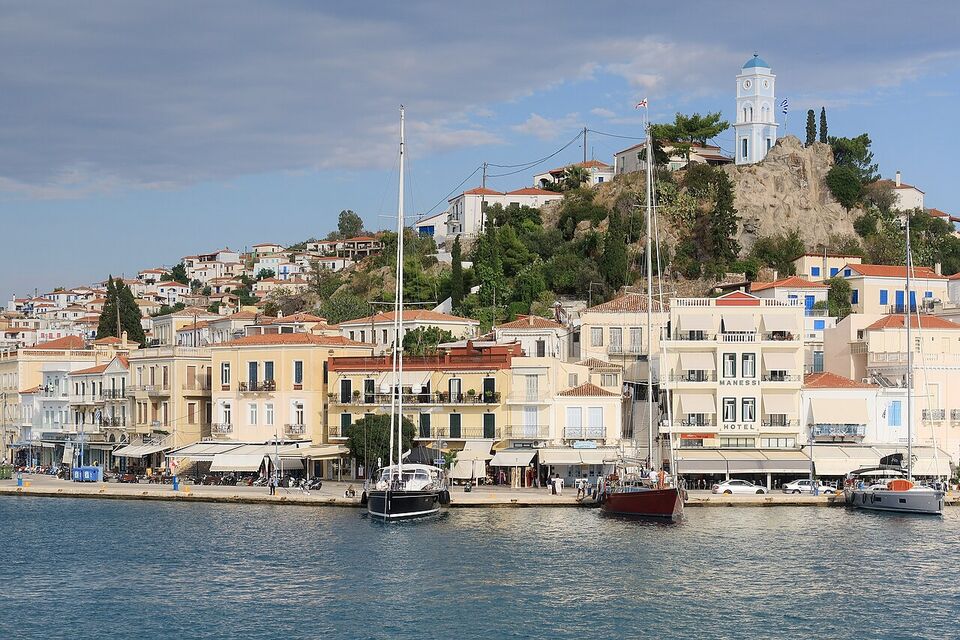
A green island separated from the mainland by a narrow channel, with a hillside town and a clock tower. A calm, low-key base.
Spetses
The farthest of the main four, with pine-backed coves and an elegant old harbor. Cars are restricted for visitors, so people use bikes, scooters and horse-drawn carriages.
Agistri
Small, pine-covered and relaxed, with clear water. Basic facilities and few visitors outside July and August.
Getting there from Athens
All the main routes leave from Piraeus port, 25 to 40 minutes from central Athens by metro Line 1 (green) to the last stop, Piraeus. Cabs are an option but the metro is cheaper and not subject to traffic. The ferry gate (the "E" gates on the main harbor) varies by operator and sailing, so read the gate on your ticket and allow extra time to find it. Our ferries guide explains tickets, boarding and seasonal schedules in detail.
| Island | Typical time from Piraeus | Typical one-way fare | Notes |
|---|---|---|---|
| Aegina | About 40 min fast; about 70 min conventional | €8 to €16 (about $9 to $18) | First boats around 7 a.m., last return roughly 9 to 10 p.m. |
| Poros | About 55 min fastest; up to about 2 hr 35 min | €17 to €42 (about $19 to $47) | Daily all year; some sailings via Aegina |
| Hydra | About 1 hr 10 min to 2 hr | €35 to €42 (about $39 to $47) | Fast boats only; first departure about 8 a.m., last around 7:30 p.m. |
| Spetses | About 1 hr 55 min to 2 hr 50 min | €40 to €55 (about $45 to $62) | Last departure from Piraeus around 8 p.m. |
| Agistri | Via Aegina or direct sailings; check | Check the operator | Often easiest by a short hop from Aegina |
Times and fares above are typical ranges from booking sites, not official timetables. Operators we saw listed for Hydra and Spetses were Alpha Lines and Magic Sea Ferries, and Poros has Blue Star Ferries services as well. Always check the operator's own timetable for your date: in summer there are many daily sailings, but from October to May there are only a handful a day, and rough weather can cancel the fast boats. Weekend and Sunday-evening return boats sell out in summer, so book those a week or two ahead.
Insider tip
Take the slower conventional ferry to Aegina at least once. It costs less, has an open deck, and the extra half hour is the view. Save fast boats for Hydra and Spetses, where the time saved is larger.
Aegina
Aegina is where most people start. It is close enough for a single day, and it has enough on it to fill one: a harbor town with fishing boats and pistachio stalls, a famous temple, and a monastery for pilgrims. The ferry usually docks at Aegina town; some sailings use Agia Marina on the other side of the island, so check the port on your ticket.
The Temple of Aphaia
The Temple of Aphaia, built about 500 BC, stands on a pine-covered hill on the east side of the island. A full ticket costs €10 (about $11), reduced €5 (about $6), and covers the site and the small Scientific Collection. The site is open daily 8 a.m. to 8 p.m. from April to August, closing earlier in autumn, and 10 a.m. to 5:30 p.m. from November to March (last entry 20 minutes before closing). It is closed on January 1, March 25, May 1, Orthodox Easter Sunday, and December 25 and 26. Buses run from the terminal near Aegina harbor in about 30 minutes, and taxis are available for a fixed price; ask before you board.
Agios Nektarios, pistachios and Perdika
The Monastery of Agios Nektarios is a large pilgrimage church for the saint canonized in 1961. Entry is free, and modest dress (covered shoulders and knees) is expected. It is a short ride from Aegina town. The island is famous for its pistachios (the Aegina pistachio has European protected status). The harvest is in late summer, and you can buy nuts, brittle and pistachio sweets year-round. Prices for good nuts are in the range of €10 to €20 a kilo (about $11 to $22), but check at the shop.
The fishing village of Perdika, on the south coast, has seafood tavernas, and small boats run from there to the islet of Moni for swimming. A return boat costs about €5 to €8 (about $6 to $9) and takes around 15 minutes in the season. In winter the boats may not run.
Hydra
Hydra is a car-free island. There are no cars, scooters or bicycles in the town, and luggage goes by donkey, mule or handcart. The harbor is a horseshoe of stone mansions built by the island's sea captains, and the town climbs the hills behind it. It is the island Athenians go to for a weekend, and for good reason: there is nothing to do except walk, swim and sit by the water.
Plan your day around three things. First, the harbor and the stone mansions, which you can see on foot in an hour. Second, a swim: there are no big beaches, so people swim off the rocks beside the town (ladders are built into the rocks) or take a water taxi to a cove. Third, a walk up the hill paths; the hillside above the town has views back over the harbor and the gulf. Wear shoes with grip, as the lanes are stone steps.
If you are staying the night, book a hotel at the harbor or near it. The streets are steep, so ask whether the hotel arranges luggage transport. A donkey or mule handler is usually arranged in advance. Hydra has no airport and no cars, so there is no way to arrive late once the last boat has left.
Different from home
On Hydra the "taxi" is a boat. Water taxis run from the harbor to the beaches and coves, and the fare is set per boat, not per person. Agree it before you step on.
Poros
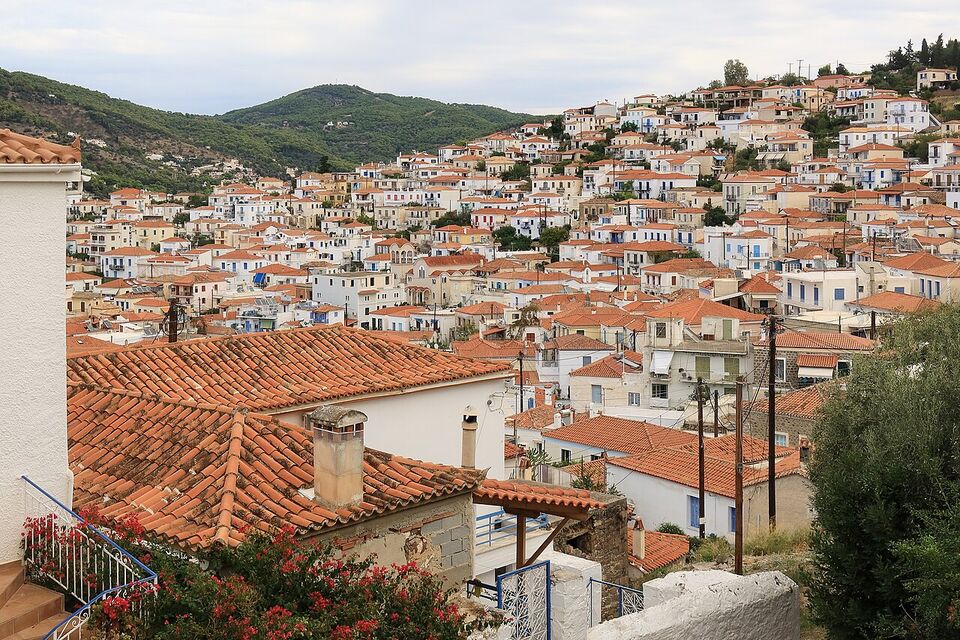
Poros is two small islands joined by a bridge, separated from the Peloponnese mainland by a channel only a few hundred yards wide. The town climbs a hill from the harbor to a clock tower. It is a calm place with a short promenade and small beaches along the coast. It is not the island for a first trip, but it is a good base if you want to rent a car on the mainland side and visit Epidaurus, which our Peloponnese guide covers.
The ferry from Piraeus takes about 55 minutes by the fastest boat and up to about 2.5 hours by slower sailings, at about €17 to €42 (about $19 to $47). Poros makes sense as an overnight, not a day: the crossing is long enough that the day is mostly boat.
Spetses
Spetses is the farthest of the four main islands. The old harbor (Dapia) has horse-drawn carriages, and the island is known for pine-backed beaches and its role in the Greek revolution (the heroine Bouboulina came from here, and a museum tells her story). Cars are restricted for visitors, so people hire bikes, scooters or e-bikes, or use taxis and water taxis.
The ferry takes roughly 2 to 3 hours from Piraeus (the fast boats are the shorter end), about €40 to €55 (about $45 to $62). That makes it a true overnight, ideally two. The island has an annual festival in September, the Armata, that commemorates a naval victory of 1822; the dates vary, so check them if you want to see it.
Agistri
Agistri is the smallest, calmest option: pine forests, clear water and a handful of villages (Skala is the main one). It is a half-hour hop from Aegina by small boat, so you can combine the two. It suits swimmers who want quiet more than nightlife or sights. Facilities are basic and many places close from October. Check ferry times with the operator before you commit.
Day trip or overnight?
- Aegina: day trip. Everything is within one bus ride of the port.
- Hydra: a day trip works if you take the early boat. An overnight is far better: the day-trippers leave at 4 or 5 p.m., and the island becomes calm.
- Poros: overnight. The boat time is a big share of a day trip.
- Spetses: overnight, ideally two nights.
- Agistri: overnight or a half day from Aegina.
If you only have one day, choose Aegina for ease or Hydra for beauty. For a two-island weekend, pair Hydra and Aegina or Hydra and Spetses, depending on the connections available that day.
One-day, three-island cruises
The popular day cruise visits Hydra, Poros and Aegina in about 12 hours by boat from Piraeus. It usually includes a lunch on board. Time on each island is short, commonly about an hour on Poros and a bit more on Hydra and Aegina, and the rest of the day is on the water.
Our honest view: the cruise is convenient, not good. You tick off three islands, but you see each only from the harbor. It suits people who want an organised day, do not want to book ferries and are happy with a quick look. If you can manage one island at a normal pace, you will see far more of it. Prices vary widely by operator and season (often around €100 or more per adult with lunch, which is more than two ferry tickets to Hydra), so compare what the price includes, and check cancellation terms because rough seas can change the route.
When to go and what to expect
June to September is the swimming season and also the busiest, with Athenian weekenders filling Hydra and Aegina on Fridays and Sundays. May and early October give warm days, quieter harbors and good light. From November to March the islands are quiet: boats run, but with fewer sailings, and many hotels and some tavernas close. It can still be a pleasant day trip to Aegina or Hydra in winter, as long as you check the return boat time. See our when to go guide.
The meltemi, the strong summer north wind, is most active in July and August and can delay or cancel fast boats. It matters more for Hydra and Spetses than for Aegina.
Add it to a route in the trip builder, or ask us to plan the hotels, trains and guides for you.