Overview
Greece is a country of mountains, gorges and sea routes, and most of it can be explored on foot, by boat or on skis. Hiking is best in spring and autumn. Sailing is a summer activity with its own rules. Diving, snorkeling and kayaking depend on the sea and the wind. Skiing is a winter option that surprises many visitors. This page brings those activities together, with the seasons, the licences and the rules that apply.
The same few facts shape every outdoor plan. Summer heat is serious. Wildfires are a real risk from spring to autumn. Trails are often rough, with few signs and little mobile signal. And rules protect both the land and the water, from the gorge closure dates to the ban on wild camping. If you read nothing else, read the sections on heat and fire.
For place guides that link to the routes below, see Crete, Epirus and Zagori and Thessaloniki and northern Greece. For trip themes across Greece, see Greece by interest.
Hiking in Greece
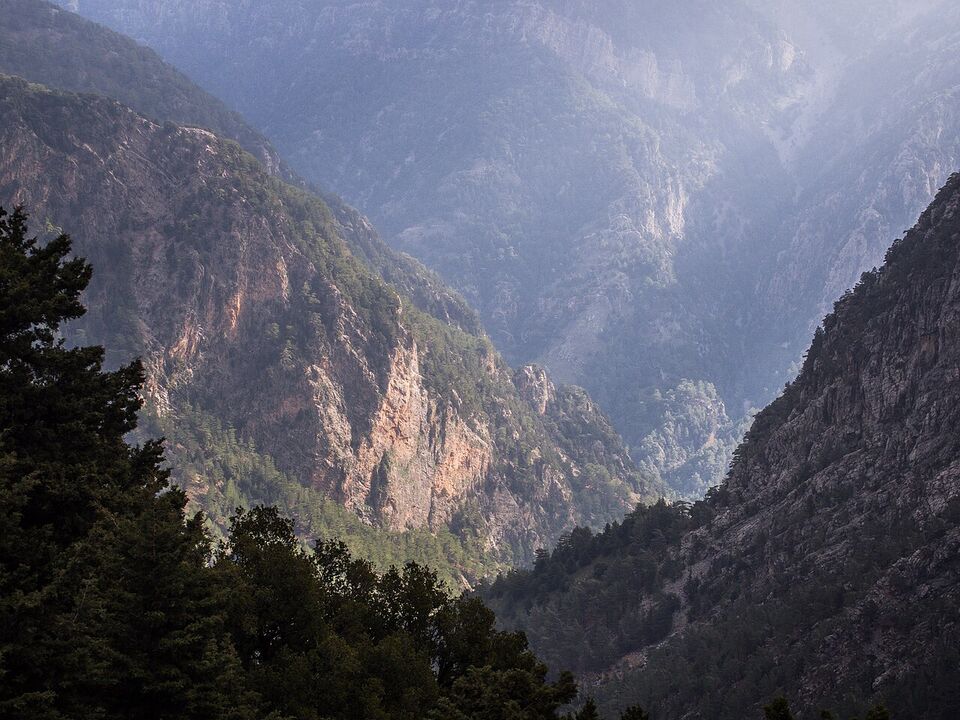
Greek hiking ranges from short island walks along old paths to long mountain days with serious exposure. The three best-known routes are the Samaria Gorge in Crete, the Vikos Gorge in Zagori and Mount Olympus. Each has a season, a risk and a way to book.
| Route | Distance and time | Season | Notes |
|---|---|---|---|
| Samaria Gorge, Crete | 16 km (10 miles), 5 to 7 hr, one way | May to October; closed Nov 1, 2026 to Apr 9, 2027 | Entry ticket; ferry and bus to return |
| Vikos Gorge, Zagori | About 8 miles (13 km), 6 to 8 hr, Monodendri to Mikro Papingo | May-June and September-October | Rough trail, taxi back to start |
| Mount Olympus | Two-day climb to Mytikas, 9,573 ft (2,918 m) | Late June to September for the summit | Refuge booking by phone; exposed scramble at the top |
Samaria Gorge, Crete
The Samaria Gorge is the best-known hike in Greece. The trail runs about 16 km (10 miles) from the plateau at Omalos, about 4,000 ft (1,200 m) above sea level, down to the sea at Agia Roumeli, and takes 5 to 7 hours. The gorge narrows at the "Iron Gates", where the walls are only a few meters apart. At the bottom you must catch a boat from Agia Roumeli to Sougia or Chora Sfakion, then a bus back to your base, so book transport and check the last boat.
The gorge is in a national park and has a fixed season. The official ticket site shows it closed from November 1, 2026 to April 9, 2027, and it opens in the warm season, depending on weather. In 2026 the full opening was May 19. It can close at short notice in bad weather, and high water after rain makes the route unsafe. An entry ticket is required; the fee was €10 (about $11) in 2025, and you should check the current rate. Free helmets are offered at the entrances. Our Crete guide covers the island and the base towns.
Vikos Gorge, Zagori
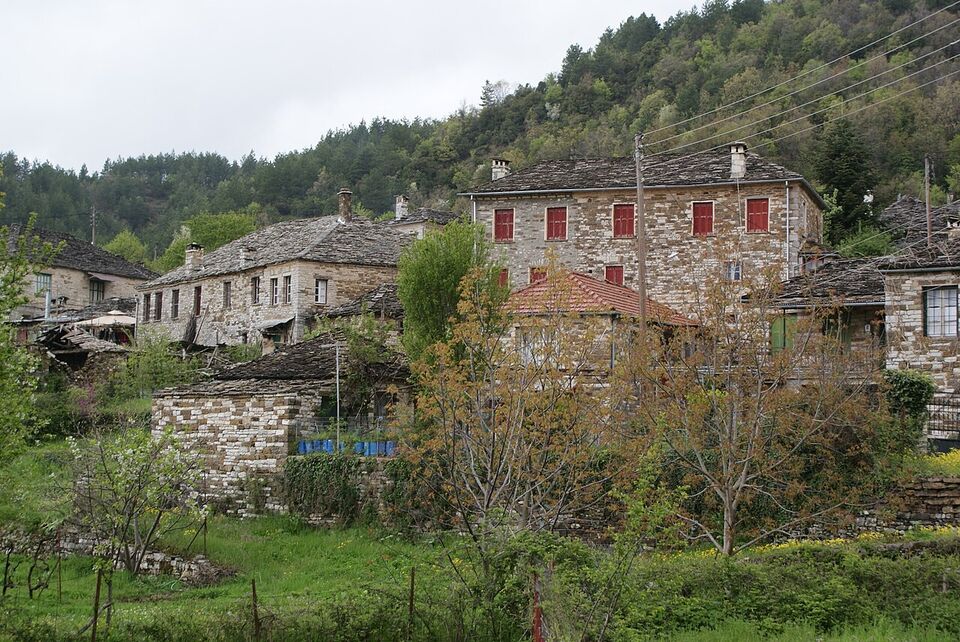
The Vikos route runs down into a limestone canyon and out again over 6 to 8 hours. It is covered in detail, with seasons and logistics, in Epirus and the Zagori villages. In short: go in May-June or September-October, start early, carry all your water and arrange a taxi back from Mikro Papingo.
Mount Olympus
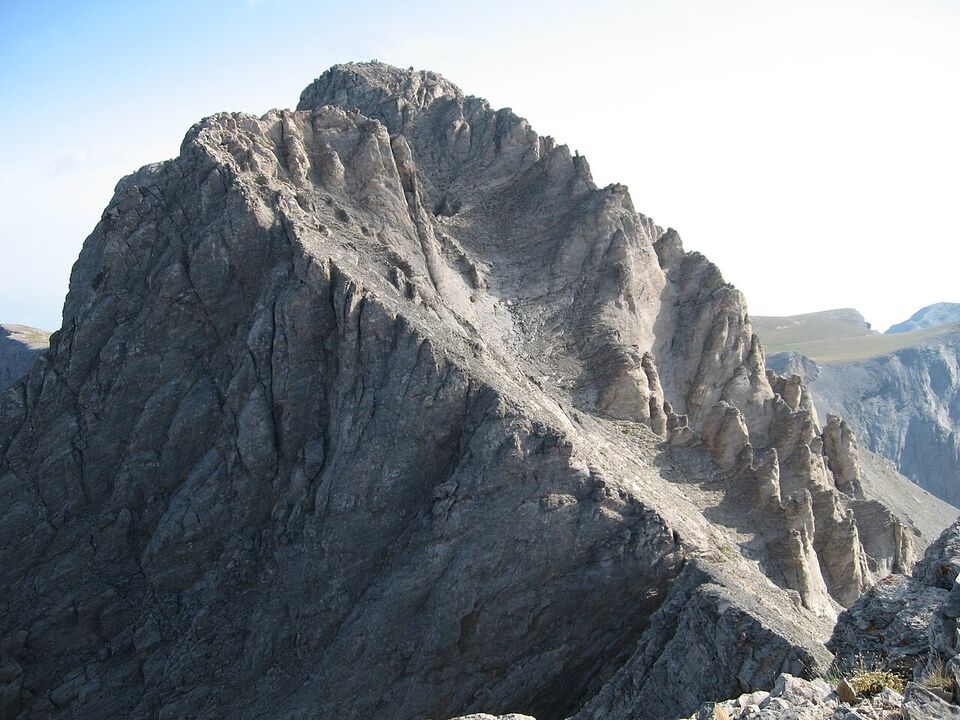
Greece's highest mountain is climbed from Litochoro and the Prionia trailhead at about 3,600 ft (1,100 m). Most people spend a night at a refuge such as Spilios Agapitos (about 6,900 ft, 2,100 m) and summit the next morning. The national parks authority listed several refuges as open from early May or June to the end of October in January 2026, with a few open year-round by arrangement, and dates can change. The top involves an exposed scramble. See Thessaloniki and northern Greece for access.
Island trails
Islands have some of the most pleasant walking in Greece, along old footpaths between villages and beaches.
Naxos
Marked footpaths link villages and the interior, with Mount Zas, the highest peak in the Cyclades, at about 3,300 ft (1,000 m). See Naxos, Paros and the Cyclades.
Andros
A network of certified, signed walking routes (Andros Routes) across the island, reached by ferry from Rafina. It is a good choice for a walking week.
Corfu Trail
A route of about 180 km (112 miles) running the length of the island, usually done in 10 to 12 daily sections. See Corfu and the Ionian islands.
Paros and Milos paths
Short coastal and village paths, good in spring and autumn when the heat is lower.
Waymarking on Greek trails varies. Some routes are signed and maintained, others are old mule tracks that fade into scrub. Download an offline map before you go, and tell someone your route. Check the details of each trail's current condition with the local tourist office or your hotel before setting out.
Heat safety and seasons
Athens averages a high of about 94°F (34°C) in July and August, and heat waves bring far more. In July 2026 a heat wave pushed forecasts to about 109°F (43°C) in Athens, with Civil Protection declaring the highest fire-risk category, closing Lycabettus Hill and banning open flames in Attica. The Ministry of Culture typically closes outdoor archaeological sites in the middle of the day in severe heat, commonly from about noon to 5 p.m. Island hikes can be as hot, with less shade and no water.
Rules for hot days
- Start before 8 a.m. and finish by early afternoon.
- Carry at least 2 liters of water per person, more for long routes, and refill when you can.
- Wear a hat, sunglasses and sunscreen, and cover your shoulders.
- Know the signs of heat exhaustion: headache, nausea, dizziness, stopping sweating. Rest in shade and drink; call 112 for serious cases.
- Check the weather and fire-risk map for the day before you go.
- Avoid exposed routes in the afternoon.
For health advice more broadly, see health and medical care and is Greece safe.
Seasons at a glance
| Activity | Best months | Notes |
|---|---|---|
| Hiking (lowlands and islands) | March to May, September to November | Summer is hot; winter is wet |
| Hiking (high mountains) | June to September | Snow at altitude in other months |
| Sailing | May to October | Meltemi winds peak in July and August |
| Swimming and snorkeling | June to September | Sea is warmest in August and September |
| Skiing | About December to March | Depends on snow |
Watch out
Heat kills more hikers than falls do. If the forecast is above 95°F (35°C), pick a short walk, a swim or a museum. Do not try a long exposed trail because you are on a schedule.
Sailing and chartering
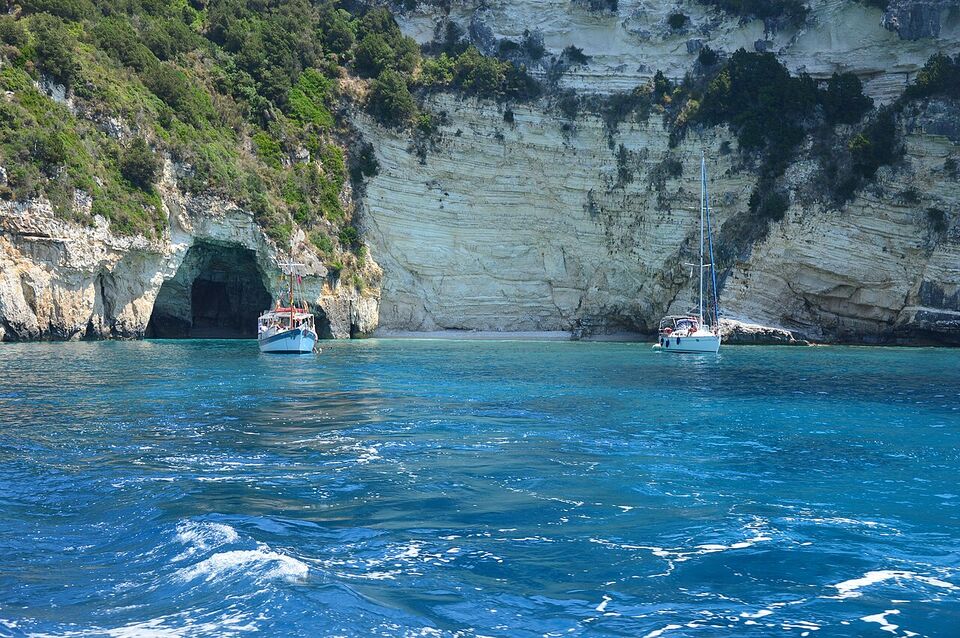
Sailing is one of the best ways to see the islands, and Greece has charter bases across the Saronic Gulf, the Ionian, the Cyclades, the Sporades and the Dodecanese. The season runs roughly from May to October, with peak demand in July and August.
Bareboat and skippered charters
A bareboat charter means you sail the boat yourself. The charter company will ask for proof of experience, usually a recognized licence. Credentials commonly accepted include the International Certificate of Competence (ICC), the RYA Day Skipper or Yachtmaster Coastal, the US Sailing Bareboat Cruising certificate and most EU national licences, with some American Sailing Association credentials also accepted by certain companies. The language should be English or Greek, or the certificate should come with a translation, and the charterer is usually at least 18 and must show ID and insurance. Some bases also want a VHF radio licence or a second experienced person aboard.
A skippered or crewed charter needs no licence at all: a professional skipper takes the helm, and you sail as a guest. Many first-time visitors choose this, because it takes away the pilotage, the mooring and the weather decisions. The licence list comes from charter-broker information, not the Ministry of Shipping, so ask your base which credentials it accepts before you pay a deposit. Boat size and engine power rules also vary, so confirm with the base.
Winds and where to sail
The meltemi is a strong north wind that blows from about June to September, strongest in July and August, with gusts that can reach gale force. It builds in the morning and fades at sunset. Large ferries mostly keep sailing, while small harbors see delays and high-speed craft are the first to stop. The Cyclades are exposed to it. The Saronic Gulf is closest to Athens and good for a short trip. The Ionian side is usually gentler, which is why many beginners choose it. For a ship instead of a charter, see Greek island cruises.
Insider tip
If you have never sailed in a strong wind, plan a skippered week or a shorter route in the Saronic or Ionian islands. Build in spare days for weather, since harbors can hold boats for a day or two in a blow.
Snorkeling and diving
Greece has clear water and rocky coasts, and snorkeling is easy from almost any beach with rocks. Bring a mask, and wear water shoes or reef shoes because of sea urchins, which sit in the shallow rocks and cause painful spines. Jellyfish appear in some years and some places; ask locals if the beach has had them recently, and see our beaches guide for sea safety.
Scuba diving is organized through licensed diving centers, which provide equipment, boats and guides. Beginners can take a try-dive, and certified divers should bring their card. Diving centers follow rules on where you can dive, since many sites near wrecks and archaeological remains are protected, and it is illegal to remove any artifact from the sea or the shore. Rules change, so book with a licensed center and ask which sites are open. Some areas, such as the Peristera shipwreck off Alonissos, are open only for guided visits; check the arrangements locally.
- Use only a licensed diving center, and ask to see its licence.
- Do not touch or take anything from wrecks, ruins or the seabed.
- Watch for boat traffic. Swim near the shore or with a bright float.
- Do not fly for at least 18 to 24 hours after diving; dive centers will tell you their rule.
- The coast guard number is 108; the EU emergency number is 112.
Kayaking
Sea kayaking is popular on calm days, especially around Milos, where the volcanic coast has sea caves, arches and white rock formations. Guided kayak tours run from the main harbors and beaches in the season, and some paddle to coves that are hard to reach by road. Pollonia and the Adamas area are common starting points. See the Cyclades guide for the island.
The meltemi limits kayaking. Mornings are best, and a good operator will cancel or change a route if the wind rises. Wear a life jacket, bring water and a hat, and do not paddle alone beyond the shore. Operators run only in warm months, so confirm the season before you arrange a trip.
Skiing
Greece has several ski centers, and they are an easy winter add-on to a trip to Athens or Thessaloniki.
Parnassos
The largest ski area in Greece, with the Kellaria and Fterolakka sectors and 17 lifts listed on the resort site. Arachova is the usual base. The resort's own page lists current prices and lifts.
Kalavryta
A smaller center that is practical for a day or a weekend. The cog railway from Diakofto to Kalavryta is a scenic way to arrive; check the timetable.
Vasilitsa
A larger mountain center in the north, closer to Thessaloniki and Ioannina than to Athens. A good option if you are already in the north.
The season depends on snow, so it typically runs from about December to March, with the best snow in January and February. Check the resort site for current opening. Check the resort sites for 2026-27 lift prices rather than relying on older figures. In holidays and at weekends the slopes fill with Greek families, so weekdays are quieter. Metsovo and a few other small centers add local options. For winter planning see Greece in December and Greece in January.
Camping and fire rules
Camping
Wild camping is illegal in Greece. You may not pitch a tent or sleep in a campervan outside a licensed site, in forests, on beaches or in protected areas. Greece has many licensed campsites on the mainland and islands, with pitches for tents, caravans and campervans. Campsites are exempt from the climate resilience fee. Book in July and August, and ask whether the site is open outside the main season.
Fire rules
Wildfire is the biggest outdoor risk in summer. Fire risk is highest from spring to autumn, and in the 2026 season about 35,000 hectares burned, with 11 deaths reported. The Civil Protection authority publishes a daily fire-risk map. On the highest-risk days, open fires, barbecues and sometimes forest access are banned, and parks can close.
- Never light a fire or barbecue in a forest, park or near dry grass, even where it seems allowed.
- Do not throw cigarettes; do not park a car on dry grass.
- Follow the 112 alerts on your phone and the @112Greece account.
- If you see smoke or fire, call 112 (EU emergency) or 199 (fire service) and move away.
- Follow evacuation orders at once.
Causing a fire, even unintentionally, is a criminal offence, and summer fines can be heavy. We do not quote amounts, because they depend on the case. See our safety guide for more, and driving in Greece for the rules on parking in dry areas.
Different from home
In the US you can often camp on public land and light a fire in a ring. In Greece the default is the opposite: camping is limited to licensed sites, and fire rules are strict in summer. Ask first.
Planning checklist
- Choose the season to fit the activity: May-June and September-October for most hiking.
- Check route closures: the Samaria Gorge closes Nov 1 to Apr 9.
- Book mountain refuges and boat returns early.
- Confirm which sailing licence your charter base accepts.
- Use licensed diving centers and guided kayak tours.
- Carry offline maps, extra water and a charged phone with 112 available.
- Take travel insurance that covers hiking and any sport you plan, since policies often exclude some activities.
For packing, see the Greece packing list, and for the best months across the whole country, when to go to Greece.
Add it to a route in the trip builder, or ask us to plan the hotels, trains and guides for you.