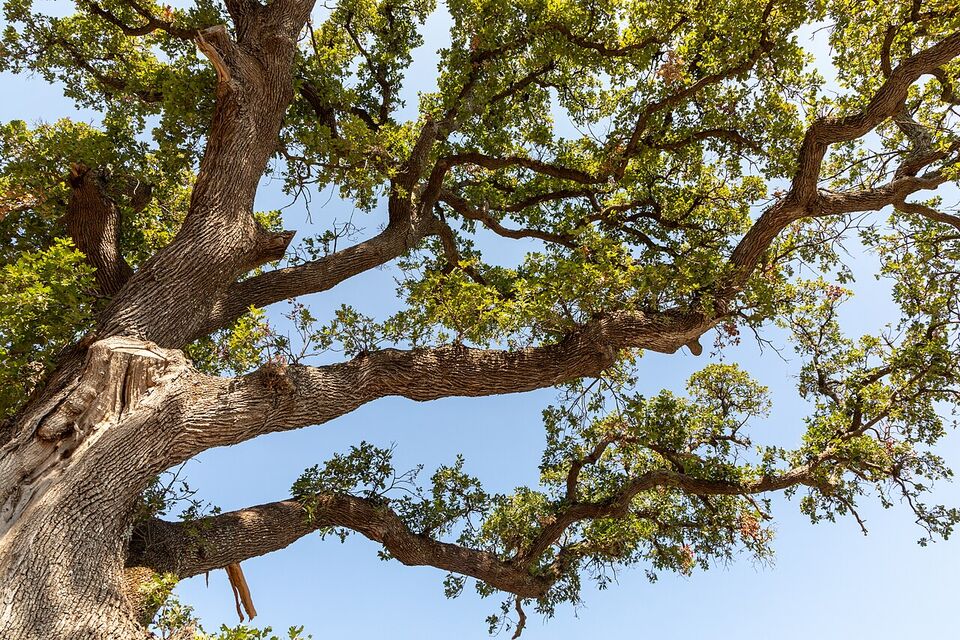
Overview: the green side of Greece
The Ionian Islands lie off Greece's west coast, facing Italy rather than Turkey. They are greener, wetter and more Venetian in style than the Aegean islands, with cypress and olive groves, pastel buildings and a long history under Venice, France and Britain that shaped the towns, the food and even the sport of cricket on Corfu. The best-known islands are Corfu, Paxos, Lefkada, Kefalonia, Ithaca and Zakynthos (also called Zante).
Unlike the Cyclades, the Ionian Islands are not on a single ferry loop. You usually reach each island separately, so choose one or two. Corfu is the easiest first island, and the others suit a car-based trip on the mainland coast. For other island groups see Greece's Destinations and Which Greek Island Is Best for You?. Prices below are in euros with dollars at €1 = US$1.12.
How to get there
Flights
Corfu, Kefalonia and Zakynthos each have an airport with seasonal European flights and links to Athens, which take under an hour (Aegean with Olympic, and Sky Express). Charter flights from Europe thin out in late October. Lefkada has no airport of its own; people fly to Preveza-Aktion on the mainland, about half an hour away, or to Kefalonia. From the US, you fly into Athens first and connect; read Flights to Greece.
Ferries and driving
The ferry from Igoumenitsa on the mainland to Corfu takes about 1 hour 10 minutes to 1.5 hours, with about 20 sailings a day on Kerkyra Lines and Kerkyra Seaways (first around 3:30 a.m., last around 10:30 p.m.). A foot passenger pays about €6.50 to €7 ($7 to $8) one way, and a car about €33 ($37) on average. Igoumenitsa is roughly five hours' drive from Athens on the motorway; allow tolls and fuel. The Kyllini-Kefalonia and Kyllini-Zakynthos ferries run all year, daily, from the western Peloponnese; the Zakynthos crossing takes roughly 1.5 hours. Seasonal inter-island ferries in the group, such as the Azimut boats, stop in late September, so a trip between islands in October needs a flight or a mainland route. Confirm times with the operators; see Greek Ferries and Island Hopping and Driving in Greece.
Insider tip
If you want Corfu plus the southern islands, fly into Corfu and out of Kefalonia or Zakynthos (or the reverse) to avoid backtracking. Open-jaw tickets cost about the same as return tickets on many European carriers.
Corfu Town
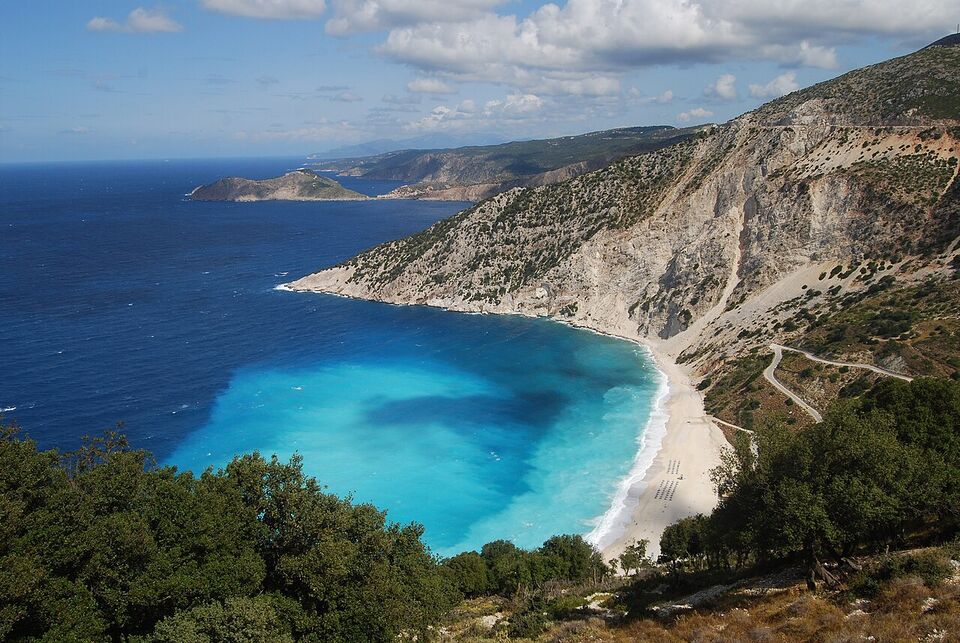
Corfu Town is listed by UNESCO and is one of the most atmospheric towns in Greece. It has four layers of history: Venetian fortresses and tall lanes (the kantounia), French-built arcades, British public buildings and a Greek feel in the food and festivals. The old town is compact and walkable, so a base here lets you do without a car for the first days.
- The Liston: An arcade of cafés built by the French in the style of Paris's Rue de Rivoli, facing the Spianada, the large green square used for cricket and concerts. A coffee here is pricier than in the lanes behind it, so treat it as a sit-down and people-watching stop.
- Old Fortress: The older Venetian fortress sits on a rocky peninsula east of the center, with a moat, a lighthouse and views over the town and the Albanian coast. Entry requires a ticket; check hh.gr or the site for current prices and hours; official tickets are sold at tickets.hh.gr.
- New Fortress: A later Venetian fortress on the other side of the old town, with tunnels and ramparts and the old harbor below. Ticketing rules differ from the Old Fortress and prices change; confirm on arrival or online.
- Achilleion: The palace built in the 1890s by Empress Elisabeth of Austria (Sisi), in Gastouri village about 6 miles (10 km) south of town. Reports in 2026 give an admission price of about €7 ($8), but the building is partly under restoration and interior access varies by year, so ask before you go. Ground-floor gardens are often open when the interior is not.
Beyond the main sights, spend an evening wandering the lanes between the Liston and the New Fortress, where tall pastel buildings, laundry lines, small churches and the Jewish quarter and its synagogue give the town its character. The Municipal Gallery and the Palace of St. Michael and St. George, a British-built mansion on the Spianada, hold the Museum of Asian Art. South of town, Mon Repos park and the Vlacherna monastery on its causeway are easy, short outings. Corfu Town is also the island's bus hub, with local routes to the west coast beaches and to Kassiopi. Allow a full day for the old town and a second morning if you want both fortresses.
Different from home
Corfu's Easter is among the most distinctive in Greece, with pots thrown from balconies on Holy Saturday morning and large processions. In 2027 Orthodox Easter is May 2. Book far ahead if you go then. See Easter in Greece.
Corfu's beaches and villages
Corfu has the most varied coast in the Ionian. The west coast faces the sunsets and has dramatic cliffs and waves, the north-east is rocky and wooded with small bays facing Albania, and the south has long sandy beaches.
Paleokastritsa
A cluster of small bays under a hillside monastery, about 15 miles (25 km) from Corfu Town. Good for swimming and boat trips to sea caves. It fills quickly in July and August.
Glyfada
A long beach with organized sunbeds and water sports. It is easy to reach from Corfu Town by bus or car, and busy in summer.
North-east coast
Pebble coves with clear water and tavernas on the shore, backed by cypress and olive trees. The roads are narrow and parking is limited. This is the part of Corfu many people prefer for a quieter stay.
Kassiopi
A small fishing harbor with a ruined castle and rocky beaches. It is a good base for the north and for boat trips to Albania's coast (check entry rules before going).
South coast
Long sandy beaches and dunes in the south, more exposed to wind. Good for families and kite-surfing.
Rent a car for the north and west, but be prepared for narrow village streets. Buses run from Corfu Town to the main resorts, with fewer services in the evening. Read Beaches in Greece for sunbed and access rules.
Paxos and Antipaxos
Paxos is a small, quiet island south of Corfu, with olive groves, a small harbor town (Gaios) and two fishing harbors, Lakka and Loggos. Antipaxos is a smaller islet to the south with two sandy beaches, Voutoumi and Vrika, set in vineyards. Both are reached by boat. A day trip from Corfu Town on an excursion boat takes several hours each way, which makes for a long day. For a better experience, stay a night on Paxos. Excursion boats also run from the mainland (Parga) and from Gaios to Antipaxos.
Paxos has no airport. Ferry frequency is lower in spring and autumn, and seasonal boats run in summer only, so check that your dates match the schedule.
Kefalonia and Ithaca
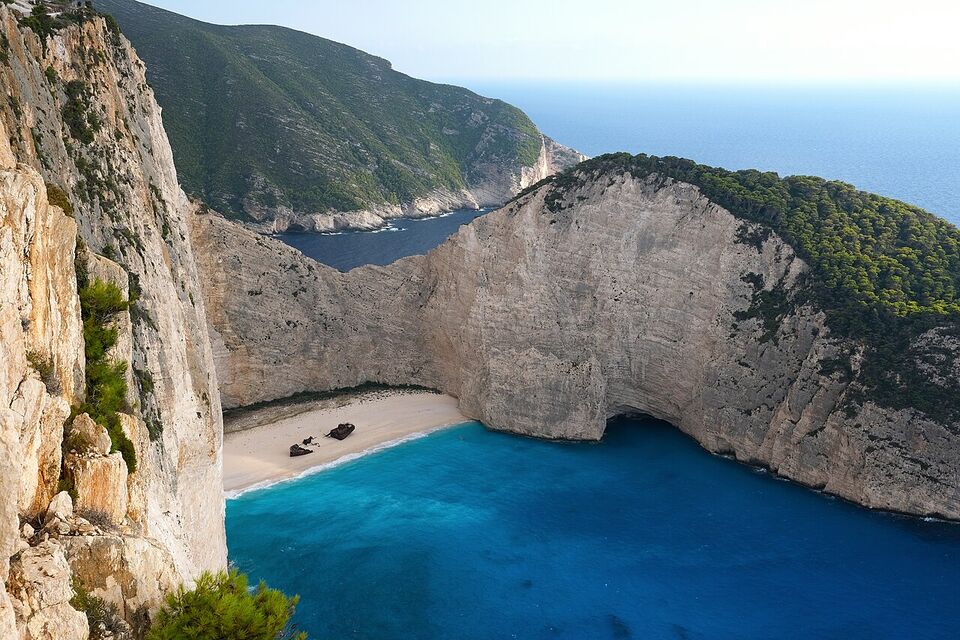
Kefalonia is the largest Ionian island, with mountains, villages and a coast of white pebble beaches. A car is necessary: sights are spread out.
- Myrtos: A long white-pebble beach under steep cliffs, viewed from a roadside lookout. The road down is steep with tight bends, and in strong wind or after rain it can be unpleasant to swim. Come in the morning for calmer water.
- Melissani: A cave with a lake whose water glows blue when sunlight enters through the collapsed roof. Visitors take a short boat ride across the lake. Hours and ticket prices vary; check locally.
- Assos: A small village on a narrow spit with a Venetian fortress on the hill above. A lovely place for an evening meal.
- Fiskardo: A pastel harbor village in the north that survived the 1953 earthquake, which destroyed much of the island; the capital Argostoli was rebuilt in a modern style.
Ithaca, a short ferry ride from Kefalonia, is the island of Odysseus in Homer's story. It is rocky and quiet, with harbor villages (Vathy, Kioni, Frikes), walking paths and small beaches. It does not have an airport, so it is reached by boat from Kefalonia (Sami to Piso Aetos) or from the mainland.
Zakynthos and Navagio Beach
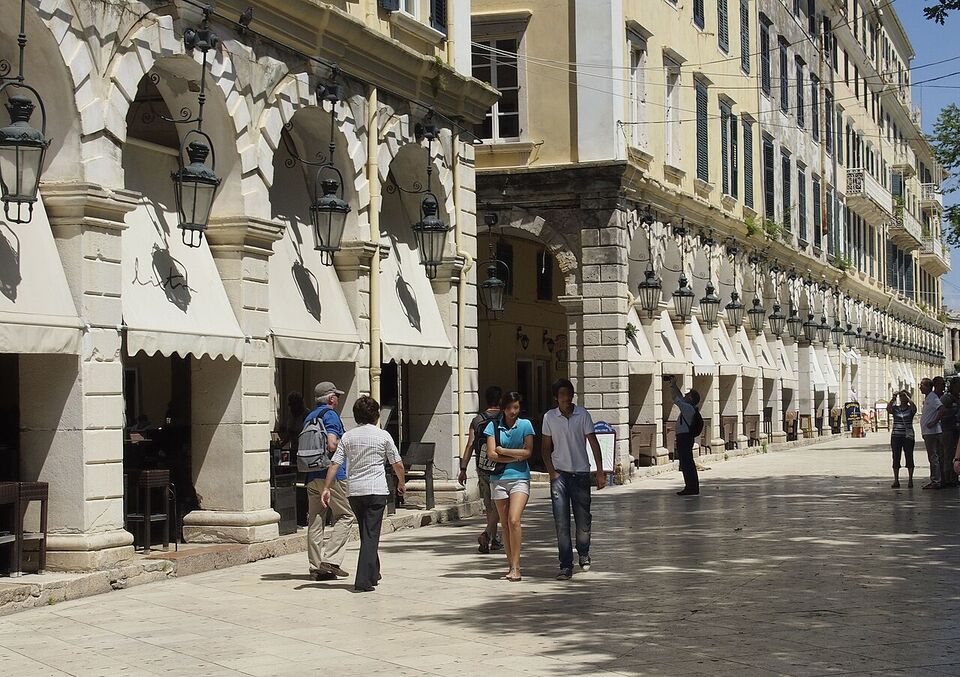
Zakynthos (Zante) has a lively resort side on the south and east and wilder cliffs on the west. Its best-known image is Navagio, also called Shipwreck Beach, a small cove enclosed by cliffs with the rusting wreck of a freighter on the sand. It is reached only by sea or from a viewing platform above.
Watch out
Navagio is closed to the public. A Joint Ministerial Decision for 2026, in force until October 31, 2026, banned access to the beach itself and the controlled-access zone around it, banned swimming in the cove, and allowed boats no closer than 50 meters (about 165 ft) from the shoreline. Visitors could use only the upper viewing platform once its fencing was finished. These measures followed rockfalls. The restrictions have been extended year after year, so check the Zakynthos municipality or the Ministry notice for the 2027 rules before you plan the trip around it.
If you want sea views, boat tours still run to the Blue Caves on the north-east tip and to other beaches on the island, and some tours show the cliffs from outside the restricted zone. Be wary of operators who sell trips that land on the beach: landing is a violation, and enforcement falls on the municipality and police. Other things to see are the beaches of Gerakas and Dafni on the south coast, which are nesting sites for loggerhead sea turtles and have restricted hours and rules in the nesting season, and the port town of Zakynthos.
Lefkada
Lefkada is joined to the mainland by a short causeway with a floating bridge, so you can drive there from Preveza and the Aktion airport. It has the best beaches in the Ionian, on the west coast: Porto Katsiki, a white-pebble beach under tall cliffs, reached by steps from a parking area or by boat, and Egremni, farther south.
Egremni is reached by a long flight of steps, and in 2026 reports indicate that a rockfall after February storms damaged the stairs and made the path unstable. Local sources recommend visiting by boat from Vasiliki instead; check the current situation before you go. Vasiliki, on the south coast, is known for windsurfing because of the steady afternoon wind. Lefkada Town has a small marina and pretty lanes, and the interior villages are a quiet contrast.
Food, wine and local customs
Ionian cooking shows its Venetian past. On Corfu, look for pastitsada (rooster or beef with pasta in a spiced tomato sauce, usually served on Sundays), sofrito (veal in garlic and white wine sauce), bourdeto (a peppery fish stew) and pastitsio. The island also has kumquats, used in a liqueur and in sweets, and ginger beer, a legacy of the British. Kefalonia is known for its meat pie and its Robola white wine, and Zakynthos for almond sweets and mandolato nougat. Olive oil from the groves is excellent; if you buy a tin, check that it is sealed and that you can pack it in checked luggage (see Shopping and Shipping Home). More on dishes is in Greek Food, and on wine and spirits in Greek Wine, Ouzo and Coffee.
Most island tavernas open for dinner at 7 or 8 p.m. and keep going late. Lunch is later than in the US, often around 2 p.m. In the villages of the north-east coast, a table at the water's edge may book out in July and August, so call ahead.
What to book ahead
- Rental car for July and August, and an International Driving Permit from AAA before you leave
- Ferry or flight connections between islands, especially in the shoulder season when schedules thin
- Boat tours to Paxos, Antipaxos, the Blue Caves or sea caves, and check the cancellation policy for wind
- Rooms in Corfu Town, Kassiopi and the north-east for any trip around August 15 or Orthodox Easter (May 2, 2027)
- Sites you need tickets for, such as the fortresses, through the official e-ticket store where it is offered
Save money
The Ionian Islands are cheaper outside July and August. Consider June or September for beaches, when rental cars and rooms can cost much less. In Corfu Town, eat a street or two back from the Liston for lower prices.
Weather, seasons and planning
The Ionian climate is milder and wetter than the Aegean. Corfu has about 122 rainy days a year, from October to March, with wet days in November (about 15) and December (about 17). Summer days are dry and warm: July averages a high of about 88°F (31°C), with cooler nights than in the Cyclades. In winter, expect highs near 57°F (14°C) and lows near 41°F (5°C). The wetter months are why the islands are green, and why the best time for beaches is late May to September. See When to Go to Greece and Greece in November.
The season is short in villages: many close by October 31, and charter flights end in late October. Corfu Town stays active and the Corfu-Igoumenitsa ferries run daily all year.
- 4 days
Corfu
Day 1 Corfu Town and the Old Fortress; day 2 Paleokastritsa and the west; day 3 north-east coast and Kassiopi; day 4 Achilleion and a boat or beach day.
- 7 days
Corfu and Paxos
Four nights in Corfu, a ferry or excursion to Paxos, and two or three nights there (summer only).
- 10 days
Corfu, Lefkada and Kefalonia
Four nights on Corfu, a flight or drive south, three nights on Lefkada or Kefalonia, and three on a second island. Plan it as a car trip.
Practical tips and costs
- Hotels: $ under $120 a night for a double, $$ $120 to $300, $$$ over $300. The climate resilience fee is added at check-out (2026 rates: €2 to €15 a night per room from April to October, less in winter). See Where to Stay in Greece.
- Driving: You need your US license and an International Driving Permit. Rental cars should be booked early for July and August. Mountain roads are narrow; see Driving in Greece.
- Cruise days: Corfu is a cruise port. The fee at ports other than Santorini and Mykonos is €5 ($6) per passenger from June to September. If big ships are in, the old town is crowded; see Greek Island Cruises.
- Money: Cards are widely accepted. Carry cash for beach cafés and small boats.
Add it to a route in the trip builder, or ask us to plan the hotels, trains and guides for you.