Entry and documents
Do I need a visa for Greece?
No. With a valid US passport you can visit Greece as a tourist for up to 90 days in any 180-day period without a visa. Greece is in the Schengen area, so the 90 days are shared with every other Schengen country you visit. See Entry Requirements for Americans.
How long must my passport be valid for Greece?
The EU rule is that it was issued within the last 10 years and is valid for at least 3 months after the day you plan to leave the Schengen area. The State Department recommends 6 months, which is the safer target. See Entry Requirements for Americans.
Is ETIAS required for Greece?
Not yet. ETIAS, the EU's planned travel authorization, is not required and no start date has been announced. When it starts it will cost €20 (about $22), and the EU will give several months' notice. See Entry Requirements for Americans.
What is the Entry/Exit System, and will it slow me down?
The EES has been fully operational since April 10, 2026, including at Greek airports and ports. On your first entry you give fingerprints and have a face photo taken (children under 12 give the photo only). It is free and there is nothing to do in advance, but allow extra time at passport control. See Entry Requirements for Americans.
Can I take a stone or sand from an ancient site or beach?
No. Taking any stone, shard or piece of marble from an archaeological site is a crime in Greece, and so is removing sand from protected beaches. Fines can be large, and antiquities offenses can mean prosecution. See Entry Requirements for Americans and Shopping and Shipping Home.
Money and tipping
Do I need cash in Greece?
Some. Cards work in most hotels, shops, restaurants and taxis, but carry €50 to €100 (about $56 to $112) for kiosks, small tavernas, beach bars, island buses and tips. See Money in Greece.
What is the best way to get euros?
Use an ATM at a bank branch (Alpha, Eurobank, Piraeus, National Bank) and avoid standalone Euronet machines. If the machine asks whether to charge you in dollars or euros, always choose euros. See Money in Greece.
How much should I tip in Greece?
Tipping is customary but not required. Round up the bill or leave about 5 to 10% at a taverna if service was good, and leave it in cash on the table, because tips added to a card payment often do not reach the staff. See Money in Greece and Greek Etiquette.
What is the climate resilience fee on my hotel bill?
It is a per-room, per-night charge on Greek accommodation, paid at the hotel at check-out. The 2026 rates run from €0.50 to €15 (about $0.56 to $17) depending on star rating, season and type of property. Campsites and youth hostels are exempt. See Where to Stay in Greece and Money in Greece.
How much does a day in Greece cost?
Our rough planning ranges per person, before flights, are €90 to €130 (about $100 to $146) on a budget, €150 to €250 (about $168 to $280) mid-range and €300 to €500 or more (about $336 to $560) for comfort. Santorini and Mykonos cost more, especially in July and August. These are guides, not quotes. See Money in Greece and Greece Trip Budget Calculator.

Flights, ferries, buses and trains
Are there nonstop flights from the US to Greece?
Yes, to Athens. In summer 2026 nonstops were reported from nine US airports, but most are seasonal, so there are far fewer in winter. New York to Athens is roughly 9.5 to 10 hours nonstop. We could not confirm any regular US nonstops to the islands, so plan to connect. See Flights to Greece.
How do I get from Athens airport to the city center?
Take Metro Line 3 for €9 (about $10), about 40 minutes to Syntagma. The X95 express bus costs €5.50 (about $6) and takes an hour or more in traffic. A taxi is a flat €40 (about $45) by day and €55 (about $62) at night. See Flights to Greece and Athens.
Can I fly from Athens to the islands?
Yes. Aegean (with Olympic) and Sky Express fly from Athens to most island airports, usually in under an hour. Fly when your time is short, and take a ferry for short hops between neighboring Cyclades. See Getting Around Greece and Flights to Greece.
Which port do ferries leave from, and how much do they cost?
Most leave from Piraeus, with Rafina serving Andros, Tinos and Mykonos. Deck fares to the Cyclades start from about €40 (about $45) one way and rise to €100 or more for high-speed boats or peak dates. Athens to Santorini takes about 5 to 8 hours, and Piraeus to Mykonos about 2 hours 40 minutes by high-speed boat. See Greek Ferries and Island Hopping.
Should I book ferries in advance, and do they run in winter?
In July and August, book popular sailings weeks ahead. In spring and autumn you can often buy a few days ahead. Winter has far fewer sailings, and high-speed boats mostly stop. Strong wind can delay or cancel sailings at any time, and the conventional ferry is steadier if you get seasick. See Greek Ferries and Island Hopping.
Are there trains and buses in Greece?
Buses go almost everywhere: each region has its own KTEL company, and long routes are cheap (roughly €15 to €35; check the KTEL site). Trains are few. Hellenic Train runs Athens to Thessaloniki in about 4.5 to 5.5 hours, sometimes with bus sections, and rail to Kalambaka has had long disruptions since 2023, so check before relying on it. See Getting Around Greece and Delphi and Meteora.
Driving
Do I need an International Driving Permit in Greece?
Yes, carry one with your US license. The State Department advises it, rental companies routinely ask for it, and police can fine you without one. Get it from AAA before you leave. See Driving in Greece.
Can I rent a scooter or ATV with a US license?
Only with the right license category: a motorcycle license or endorsement on your IDP. Helmets are compulsory, and scooter and ATV crashes are a major cause of tourist injuries and are often excluded from insurance. See Driving in Greece and Is Greece Safe?.
How much do gas and tolls cost in Greece?
Gas was about €2.10 a liter in November 2026 (about $9 a US gallon). Main motorways have toll plazas every 30 to 60 miles, typically a few euros each, and Athens to Thessaloniki adds up to around €25 or more in all. Carry cash and a card. See Driving in Greece.
What is the drink-driving limit in Greece?
It is 0.05% blood alcohol, and 0.02% for new drivers and motorcyclists. That is lower than the 0.08% limit in most US states, so one glass of wine can put you near it. See Driving in Greece.
Athens and the Acropolis
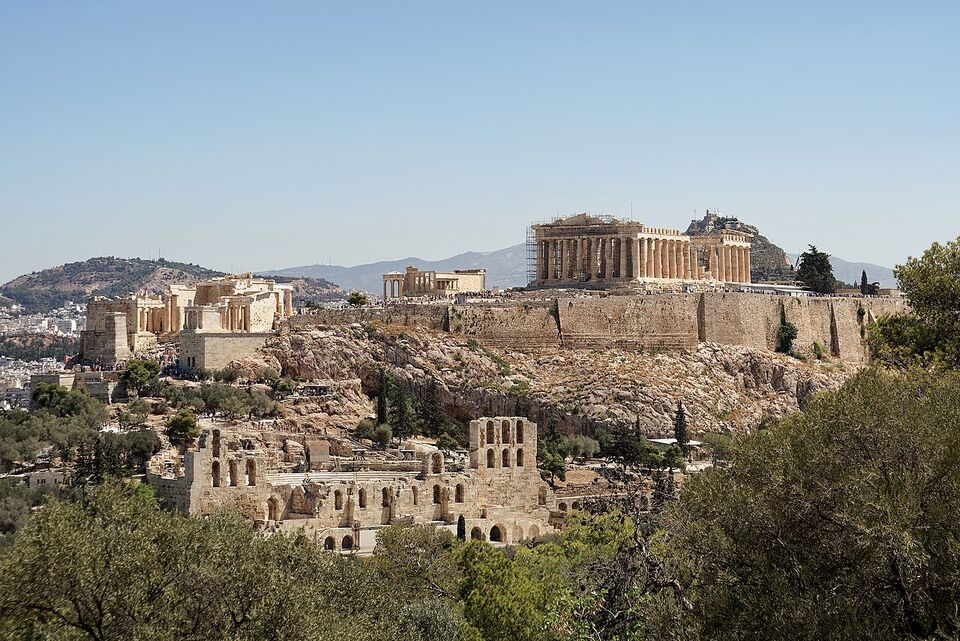
How much is an Acropolis ticket?
€30 (about $34) for adults, one price all year. Visitors under 18 of any nationality are free, as are EU citizens under 25. The old combined ticket for Athens sites was abolished in April 2025, so each site now has its own ticket. See Acropolis Tickets.
Do I need to book Acropolis tickets in advance?
Yes. Entry is by timed one-hour slot, so buy online at tickets.hh.gr, the official Hellenic Heritage store, and avoid marked-up resellers. In spring and summer, book days or weeks ahead. See Acropolis Tickets.
Is the Acropolis open in winter, and when is it closed?
Yes. From November 1 to March 31 it is open 8 a.m. to 5 p.m., with last entry at 4:40 p.m. It is closed on January 1, March 25, May 1, Orthodox Easter Sunday, and December 25 and 26. In heat waves it can close in the hottest hours, typically noon to 5 p.m. See Acropolis Tickets.
How many days do I need in Athens, and where should I stay?
Three days covers the Acropolis, the museums, the old town and a rooftop evening. Plaka, Makrygianni and Koukaki are all a 5 to 15 minute walk from the Acropolis and have a metro station nearby. Add one or two days for Delphi, Nafplio or the Saronic islands. See Athens and Athens Sights.
The islands
Which Greek island is best for a first trip?
Santorini if you want the classic caldera views, and Naxos if you want beaches, villages, food and lower prices. Both are easy to reach from Athens by plane or ferry. See Which Greek Island Is Best for You?.
How many islands should I visit?
Plan about one island for every three nights away from Athens. A week usually means one island and at most two, ten days two or three, and two weeks three or four. Each ferry day costs most of a day, and summer winds can delay boats. See Plan Your Trip to Greece and Which Greek Island Is Best for You?.
Should I pick Santorini or Mykonos?
Choose Santorini for caldera views, sunsets and a romantic trip. Choose Mykonos for beaches, nightlife and an easy old town. Neither is cheap, and if you want quiet or lower prices, consider Naxos or Paros instead. See Santorini vs Mykonos.
Is Santorini safe after the 2025 earthquakes?
Tourism operates normally. A strong earthquake swarm in early 2025 eased from mid-February 2025, and scientists reported no sign of an imminent eruption. Follow alerts from 112 on your phone. See Santorini and Is Greece Safe?.
Is Naxos or Paros better?
Naxos is larger, greener and better for families, walkers and a rental car. Paros is smaller and more polished, with a livelier evening scene in Naoussa. They are 40 to 60 minutes apart by ferry, so many people combine them. See Naxos, Paros and the Cyclades.
Do I need a car in Crete?
For beaches, mountain villages and gorges, yes. Crete is big (about 160 miles, or 260 km, end to end), and buses between the main towns are fine but do not reach most beaches or villages. Five days is the minimum for one base with day trips. See Crete.
Are the Greek islands open in winter?
Mostly not. Most Cyclades hotels and restaurants close from about November to March, and Santorini and Mykonos are largely shut. Athens, the main towns of Crete, Rhodes town, Naxos town and Syros stay open all year, but ferries and flights run thinner schedules. See Plan Your Trip to Greece and Greece in November.
Sites and tickets
Where do I buy tickets for ancient sites, and what do they cost?
Buy online at tickets.hh.gr, the official Hellenic Heritage store, or at the gate for most sites outside Athens. In 2026 the Acropolis is €30 (about $34), and Knossos, Delphi, Olympia, Mycenae, Epidaurus and the Ancient Agora are €20 (about $22) each. Smaller sites cost less. See Ancient Sites and Museums and Athens Sights.
Are there free days at Greek sites?
Yes. State sites are free on the first and third Sunday of each month from November through March (the next is November 15), and on March 6, April 18, May 18, the last weekend of September and October 28. Expect crowds, especially at the Acropolis. The Acropolis Museum has its own, shorter list of free days. See Ancient Sites and Museums.
Can I visit Delos in winter?
No. Delos is closed from December 1 to March 31. In other months, boats leave Mykonos from the old port and take roughly 30 minutes to an hour. The boat ticket does not include the €20 (about $22) site ticket, and strong winds can cancel sailings. See Mykonos and Greece in December.
How much does Meteora cost, and what should I wear?
About €5 (about $6) per monastery, paid in cash at the entrance, and no monastery is open every day. Women need a skirt below the knee and covered shoulders (wraps are lent at the entrance), men need long trousers, and nobody may wear sleeveless tops. See Delphi and Meteora.
Food and drink
What is a typical Greek meal?
Several shared small plates (mezedes) such as tzatziki, fava, grilled cheese and salad, then one or two mains, with bread, water and house wine. Everything lands in the middle of the table. As our estimate, a taverna dinner with wine runs €20 to €35 (about $22 to $39) per person. See Greek Food and Food and Drink in Athens.
Why was I charged for bread?
Most places add a small cover charge for bread and the table setting, often €0.50 to €2 a person. It appears on the bill as "kouver" or "bread" and is legal. See Greek Food.
How does fish pricing work?
Whole fish is priced by the kilo, and the menu price is per kilo of raw weight. Ask the waiter to weigh it at the table and tell you the total before cooking. See Greek Food.
What is the drinking age, and can I take Greek wine home?
The legal age to buy and be served alcohol is 18, and bars can ask for ID. US Customs allows 1 liter of alcohol duty-free per adult 21 or older, and more is dutiable, so pack bottles in checked bags. See Greek Wine, Ouzo and Coffee.
Safety, health and phones
Is Greece safe for American tourists?
Yes. The State Department rates Greece Level 1, "Exercise normal precautions," its lowest-concern category. Violent crime against tourists is uncommon. The usual problems are pickpockets (on Metro Line 1, around Omonia and Monastiraki, and at busy sites), heat and fire in summer, and road and sea accidents. See Is Greece Safe?.
What number do I call in an emergency in Greece?
Call 112 for police, ambulance and fire; operators speak English. Other numbers are 100 (police), 166 (ambulance), 199 (fire), 108 (coast guard) and 171 (tourist police). See Is Greece Safe?.
Are wildfires a danger to tourists?
They are a real risk from about April to October, mainly in hot, windy weather. Most visitors are never affected, but you should enable emergency alerts, follow evacuation orders at once and never light a fire. Causing a fire, even by accident, is a criminal offense. See Is Greece Safe? and Hiking, Sailing and the Outdoors.
Do I need travel insurance, and does my US health plan work?
We strongly recommend travel insurance with medical evacuation cover. Medicare does not pay abroad, US visitors pay for treatment, and serious cases on the islands may be flown or shipped to a bigger hospital. Make sure the policy covers scooters and any activities you plan. See Health and Medical Care.
Is the tap water safe to drink?
In Athens and most cities, yes. Some islands rely on desalinated or brackish water that is safe to wash with but tastes salty, and many residents drink bottled. Ask your hotel, and buy bottled water if in doubt. See Health and Medical Care.
Will my US phone work, and do I need a plug adapter?
Yes to both, with a little setup. An eSIM installed before you fly is the easiest option, or use your carrier's international plan or day pass. Greece uses 230 V and Type C and F sockets, so you need an adapter. Most phone and laptop chargers handle 230 V, but many US hair dryers do not. See Phones, Data and Power.
Culture and etiquette
Is it true that Greeks nod for no?
Greeks say "no" (ochi) with a quick upward tilt of the head, often with a "tsk" sound, and "yes" (nai) with a slight sideways tilt. The word nai sounds like the English "neh", which can sound like "no" to an American ear, so use the words as well. See Greek Etiquette and Useful Greek Phrases.
What is the free dessert at the end of a meal?
Many tavernas end a meal with a free plate of fruit, a sweet or a small carafe of raki, called a kerasma (a treat). It is hospitality, not an upsell, so accept it with thanks. See Greek Etiquette.
What should I wear to a church or monastery?
Cover your shoulders and knees. Men wear long trousers and women a skirt below the knee at the strictest places, such as Meteora, where wraps or skirts are lent at the entrance. At Patmos, both men and women should avoid shorts and sleeveless tops. See Greek Etiquette and Rhodes and the Dodecanese.
Seasons and events
What is the best month to visit Greece?
September is hard to beat: the sea is warm, the crowds thin and everything is open. Late April to early June and early October are close behind. Most visitors find the sea comfortable from June to October. See When to Go to Greece.
Is Greece too hot in July and August?
It can be. Athens averages a high of 94°F (34°C), and heat waves can push it much higher. The meltemi, a strong northerly wind, blows from June to September, hardest in July and August, and it can delay or cancel ferries. See When to Go to Greece.
When is Orthodox Easter in 2027?
Sunday, May 2, 2027. Good Friday is April 30, Holy Saturday is May 1 and Easter Monday (a public holiday) is May 3. Western Easter that year is March 28. Banks, most shops and the Acropolis are closed on Easter Sunday. See Easter in Greece.
Is Greece worth visiting from November to January?
Yes for Athens, the mainland and the larger island towns, with mild days, short lines and low prices. It is a poor choice for a beach holiday or Santorini and Mykonos. Athens averages a high of 66°F (19°C) in November and 56°F (13°C) in January, with about 11 to 13 rainy days a month. State sites close on December 25 and 26 and January 1. See Greece in November and Greece in December and Greece in January.
Packing and planning
How many days do I need in Greece?
Seven days works for Athens plus one island. Ten days lets you add a second island or the mainland sights, and two weeks is comfortable for Athens, Crete and Santorini without feeling rushed. See Plan Your Trip to Greece and Greece's Destinations.
What should I book months ahead?
Transatlantic flights, Santorini and Mykonos hotels for July and August (6 to 9 months ahead for the best choice), rental cars in summer, Acropolis timed tickets in peak season, and any festival performances you want. See Plan Your Trip to Greece and Where to Stay in Greece.
Do I need water shoes, and what do beach sunbeds cost?
Water shoes are worth packing, because sea urchins are common on rocks and many beaches are pebbly. A pair of sunbeds with an umbrella is often about €10 to €30 (about $11 to $34) on organized island beaches, and from €50 to well over €100 at beach clubs. These are estimates. You may also put a towel down on any free part of any beach. See Beaches in Greece.