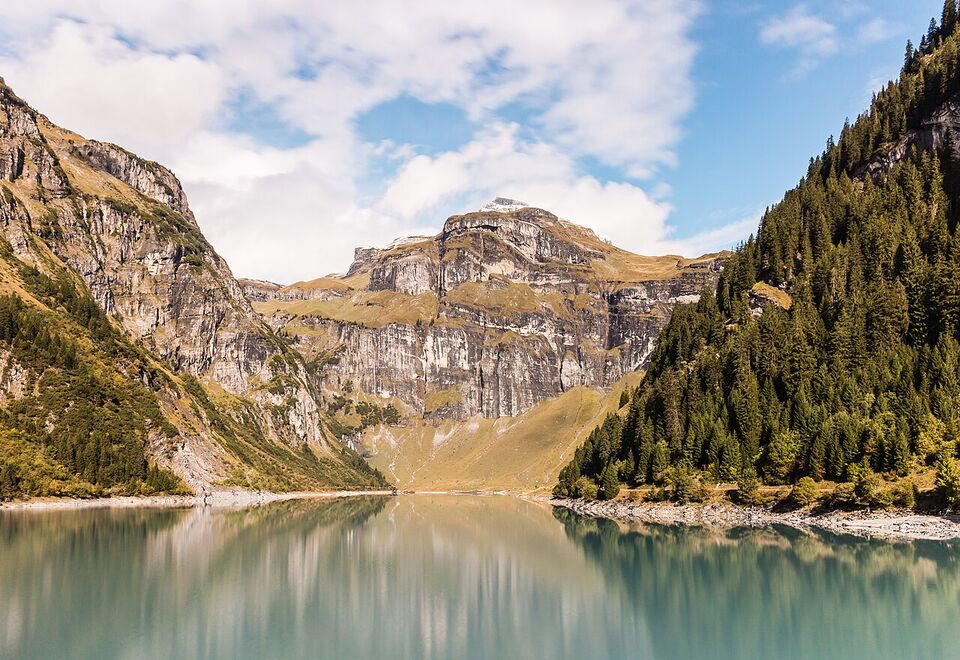
Overview: ten regions, three kinds of trip
Switzerland is easiest to plan if you stop thinking of it as one place. It is a country of about 26 cantons that share a railway timetable but not a language, a menu or a climate. For a trip, we find it useful to group those cantons into ten travel regions, then choose two or three of them. This page explains what each region is for, what language you will hear, when it is at its best, and how to combine them.
The short version: Zurich, Lucerne and the Bernese Oberland make the classic first trip; Zermatt, Lake Geneva and Bern are the usual second layer; Ticino and the Engadine suit travelers who want Mediterranean light or big alpine scenery and have a few extra days. Basel and eastern Switzerland reward people who like art, old towns and quieter country.
Each region has its own page in this guide, and we avoid repeating them here. Think of this page as the map: it tells you which pages to open next. For the day-by-day side, see Plan Your Trip to Switzerland.
Languages: what you will hear and read
Switzerland has four national languages: German, French, Italian and Romansh. About three in five residents speak German at home, a little over one in five French, and around one in twelve Italian; Romansh is spoken by well under 1% of the population. The German-speaking area covers the north, centre and east, the French-speaking area (la Romandie) is in the west, and Italian is spoken in Ticino and some southern valleys of Graubünden. Romansh survives in parts of Graubünden, including some Engadine villages.
Two things matter for a visitor. First, the spoken German of the north is Swiss German, a dialect quite different from the standard German on signs and in announcements; you will read standard German and hear dialect. Second, the cantons of Bern, Fribourg and Valais are officially bilingual, so place names change on the way: Biel is Bienne, Fribourg is Freiburg, and the town the French call Sion is Sitten in German. The signs on the train show both.
English is widely used in hotels, stations and tourist offices, and many staff switch to it without being asked. A few words in the local language are still welcome; see Phrases in German, French and Italian for the ones we think matter most.
Different from home
The same station can have three names. You will see Genève on French-language signs, Genf on German ones and Geneva on English booking sites. Zurich is Zürich HB (Hauptbahnhof, main station), Lucerne is Luzern and Basel's main station is Basel SBB. Search by the local form in the SBB app if the English one gives odd results.
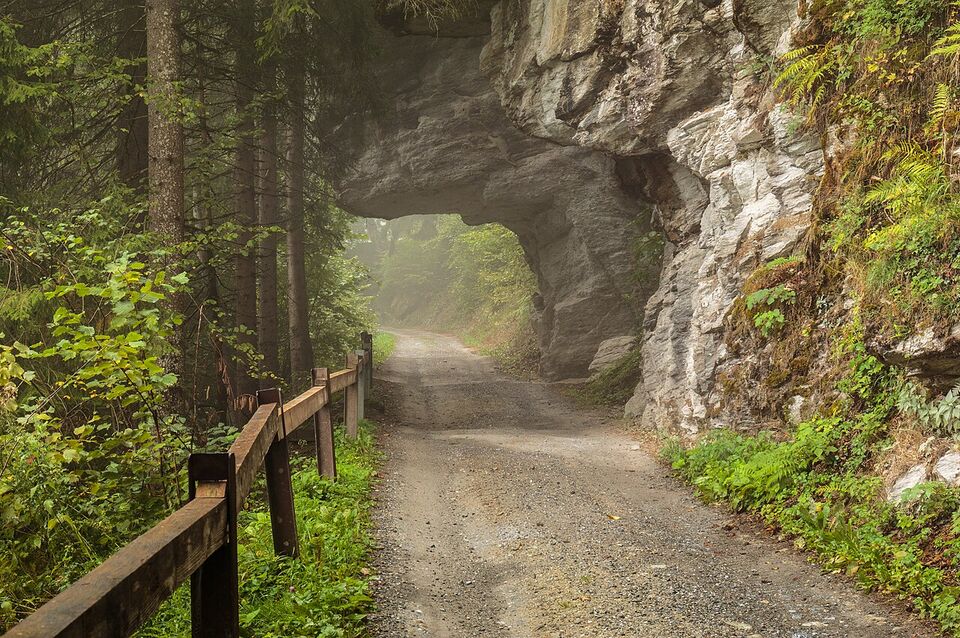
The German-speaking north and centre
Zurich and the north-east
Zurich is the country's largest city and the gateway for most flights from the US. It works well as a first or last night, and as a base for museums, the old town on the Limmat river, lake swimming in summer and train day trips. The language is German (Swiss German dialect). The north-east also holds Schaffhausen and the Rhine Falls, which are an easy half day; the official Rhine Falls site lists boats to the rock in the falls and a "Winter Magic" light show at Schloss Laufen from November 13, 2026 to January 3, 2027. See Zurich and Day Trips.
Central Switzerland and Lucerne
Lucerne has a covered wooden bridge, an old town and a lake ringed by mountains, which is why it is the most popular small city for first-time visitors. Around it sit Mount Pilatus, Mount Rigi, Stanserhorn, Engelberg and Lake Lucerne with its paddle steamers. German is the language. It is a fine base for travelers who want mountain views without a long uphill transfer, and it works in rain because there are museums and covered walks. See Lucerne and Lakes and Boats.
Bernese Oberland
This is the classic Alps region around Interlaken, Grindelwald, Lauterbrunnen and Mürren, with the Jungfraujoch railway (the highest station in Europe reached by rail, at 11,332 ft or 3,454 m), Lake Thun and Lake Brienz. German is spoken here. Interlaken is a practical base because trains and boats meet at its two stations, while villages such as Grindelwald and Lauterbrunnen put you in the valleys but cost more time on the way in and out. The operator gives the journey from Interlaken Ost to the Jungfraujoch as 1 hour 30 minutes. See Interlaken and the Jungfrau Region.
Bern and the Mittelland
The capital sits in a loop of the Aare river and is the main city of the Swiss Plateau (Mittelland), the hilly farmland between the Jura and the Alps. Its old town is a UNESCO World Heritage site, and the city works as an easy stop between Zurich and Interlaken. German is spoken, though the canton is officially bilingual with French. Nearby Fribourg and Gruyères begin the French-speaking cheese country. See Bern.
Basel and the Jura
Basel stands where Switzerland meets France and Germany, on the Rhine. It is known for art (Kunstmuseum Basel, Fondation Beyeler, Art Basel), a handsome old town and its carnival, whose Morgestraich opens at 4 a.m. on Monday, February 15, 2027. It is also the starting point for Rhine river cruises and a convenient arrival point via EuroAirport. German is spoken, with French spoken in the nearby Jura. See Basel and River Cruises.
Eastern Switzerland
Eastern Switzerland covers St. Gallen, Lake Constance (Bodensee), the Appenzell hills and the Säntis massif. The Appenzell region is the best known for its painted farmhouses, cheese and hiking in the Alpstein range. German (with a strong local dialect) is spoken. It is the quietest of the German-speaking regions, which makes it a good choice for people who have done the classics. See Appenzell.
The French-speaking west and the Valais
Lake Geneva
Geneva, Lausanne, Vevey and Montreux line the shores of Lake Geneva (Lac Léman), with the vineyard terraces of Lavaux between Lausanne and Vevey and the Château de Chillon near Montreux. French is the language. This is the region for lake walks, wine, boat trips and a mild winter, with Christmas markets: Geneva's "Noël au Quai" runs November 19 to December 24, 2026, and Montreux Noël runs November 20 to December 24, 2026, with more than 150 chalets. See Geneva and Lausanne and Montreux.
Valais and Zermatt
The Valais (Wallis in German) is the upper Rhône valley, with the highest peaks in the country and the car-free village of Zermatt beneath the Matterhorn. The canton is officially bilingual; Zermatt itself is in the German-speaking part, while towns lower in the valley speak French. Zermatt is a high-season mountain resort, with a ski season that the lift company says runs from November 1, 2026 to May 2, 2027 on the main ski pass. It is a destination to base in for at least two nights, not a stop to squeeze between trains. See Zermatt.
The south and the east: Ticino and Graubünden
Ticino
Ticino is the Italian-speaking canton south of the Alps, around Lugano and Lake Maggiore (Locarno and Ascona). Palm trees, piazzas, lakeside lidos and a menu of risotto and polenta make it feel closer to Italy than to Zurich, and the climate agrees: Lugano's average November high is about 53°F (11.6°C), against about 46°F (7.6°C) in Zurich. The Gotthard Base Tunnel has made the train from Zurich quicker than it used to be. Ticino also has a visitor scheme: the Ticino Ticket gives free public transport and discounts to guests staying in participating places. See Lugano and Ticino.
Graubünden and the Engadine
Graubünden (Graubünden in German, Grigioni in Italian, Grischun in Romansh) is the largest and most thinly populated canton, and the only one with three official languages. The Engadine valley, with St. Moritz, is the best-known part: high, bright, and the home of Romansh. The area is the setting for the Rhaetian Railway, including the Glacier Express and Bernina Express, and a deep ski culture: one snow-report aggregator lists a preliminary St. Moritz season from October 24, 2026 to May 2, 2027, which depends on snow. See The Engadine and St. Moritz and Scenic Trains.
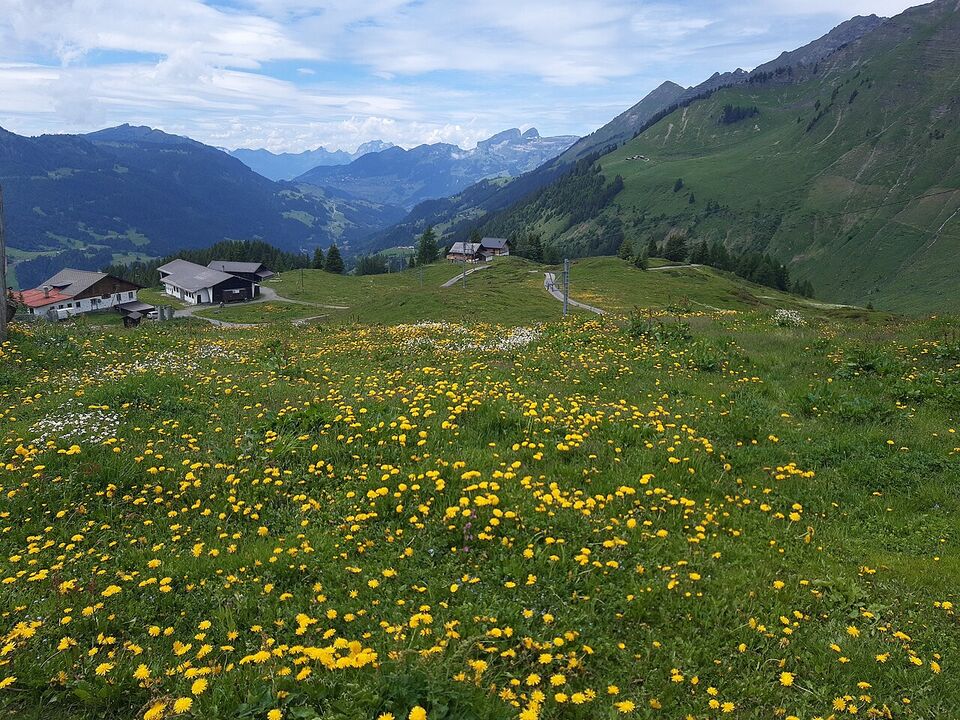
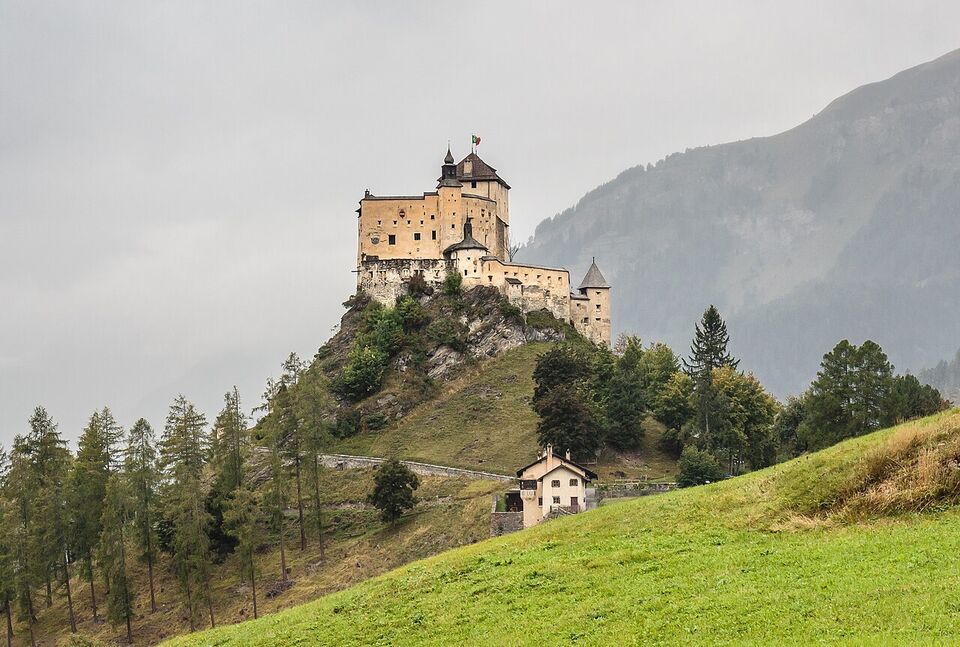
Summary table
Use this to compare regions at a glance. Journey times are rough bands for the train from Zurich Hauptbahnhof, not timetable figures. The exact time depends on the train you catch, so check the SBB app before booking anything non-refundable.
| Region | Main bases | Language | Best for | Best seasons | Rough rail time from Zurich (check SBB) |
|---|---|---|---|---|---|
| Zurich and the north-east | Zurich, Schaffhausen, Winterthur | German | City break, museums, lake, flights | Year-round; May-September for the lake | Starting point |
| Central Switzerland | Lucerne, Engelberg | German | Lake, old town, Pilatus and Rigi | May-October; December for markets | Under 1 hour |
| Bernese Oberland | Interlaken, Grindelwald, Lauterbrunnen | German | Jungfrau excursions, lakes, hiking | June-September; winter for snow | About 2 hours |
| Bern and the Mittelland | Bern, Fribourg | German, French | Capital, old town, easy stopover | Year-round | About 1 hour |
| Lake Geneva | Geneva, Lausanne, Montreux | French | Lake, vineyards, mild winters | May-October; late November-December for markets | 2 to 3 hours |
| Valais and Zermatt | Zermatt, Visp, Brig | German and French | Matterhorn, high-altitude hiking and skiing | July-September; December-April | 3 hours or more (change at Visp) |
| Ticino | Lugano, Locarno, Ascona | Italian | Lakes, piazzas, mild spring and fall | April-October; November milder than the north | 1.5 to 2 hours |
| Graubünden and the Engadine | Chur, St. Moritz, Pontresina | German, Romansh, Italian | Scenic trains, high valleys, winter sports | June-September; December-March | 3 to 4 hours |
| Basel and the Jura | Basel | German, French | Art, Rhine, carnival, cruises | Year-round; February for carnival | About 1 hour |
| Eastern Switzerland | St. Gallen, Appenzell, Lake Constance | German | Quiet hills, abbey library, Säntis | May-October | 1 to 1.5 hours |
Which season suits which region
Most of Switzerland is open all year, but the mountains have two main seasons separated by off-seasons in which many lifts, mountain hotels and boats shut down. A lift that runs in July may close for maintenance for several weeks in April-May or November, so we advise reading the operator's own timetable before building a day around one. The page on When to Go to Switzerland goes month by month; Switzerland in November covers the quiet weeks of November 2026.
- Summer (June-September): hiking in the Oberland, Valais and Engadine, lake swimming in Zurich, Lucerne and Ticino, and boat days on every lake. The busiest and most expensive weeks are July and August.
- Autumn (late September-October): clear days, larch color in the high valleys, and fewer visitors. Some mountain lifts begin to close in late October or November, and boats thin out.
- Winter (December-March): skiing and snow villages in the Oberland, Valais and Engadine, Christmas markets in the cities, and lowland fog. Ticino is the exception: Lugano averages about 6 rainy days in December against 11 to 12 in Zurich.
- Spring (April-June): flowers and the first high-altitude walks, but late snow keeps higher trails closed, and some lifts do not reopen until May or June.
Watch out
Do not build a trip around a specific mountain railway, cable car or boat without checking its dates. Closures in November and April-May are common, and some lifts reopen only after a seasonal maintenance break. Confirm on the operator's site, not on a blog or booking page.
A first-trip route
This route covers six regions in about a week and a half, with three hotel bases. It assumes you arrive in Zurich, which has the most nonstop flights from the US; see Flights to Switzerland. If you land in Geneva, run the same route in reverse.
- 2 nights
Lucerne (central Switzerland)
Train from Zurich Airport to Lucerne, with a stop in Zurich if you wish. Spend the first full day in the old town and on a boat, and keep the second for Pilatus or Rigi if the weather is good. Lucerne is a gentle base for jet lag.
- 3-4 nights
Interlaken or a Jungfrau valley (Bernese Oberland)
Continue by train over the Brünig pass and along Lake Brienz. Use one day for the Jungfraujoch (clear weather matters, so keep a spare day), one for a lake and village, and one for a walk. See Mountain Excursions.
- 2-3 nights
Zermatt (Valais), or Lake Geneva
For the Matterhorn, take the train to Visp and change for Zermatt, a car-free village. If you would rather have vineyards, Lausanne or Montreux put you on the lake. Finish with a train to Geneva or back to Zurich for your flight.
If you have only four or five days, take just Lucerne and the Oberland, with a Zurich night at each end. If you have two weeks, add Ticino (two nights in Lugano or Locarno) and either Bern or the Engadine. A pass or a Half Fare Card can lower costs on this kind of route; the comparison is on the Swiss Travel Pass page.
How to choose: bases, not stops
Our rule is to pick two or three bases and make day trips, rather than changing hotels daily. Moving takes more time than the train schedule suggests: you check out, carry bags to the station, change trains with luggage, and check in again. Three nights in one place is a good minimum; two is acceptable if the next base is only an hour away. The country is compact enough that most sights can be reached from a base within one or two hours, and the trains run on a regular pattern, so day trips need little planning. Choose a city base for variety (Zurich, Lucerne or Bern), one alpine base for mountain days, and if the trip is long enough, a third in the lake or southern region for contrast. If you want to see Zermatt and Interlaken, pair them rather than adding more places between them. Where you can, ship your suitcases ahead; see Trains and Transit in Switzerland for luggage options.
Insider tip
Choose the base by the train network, not the map. A town on a main line, such as Lucerne, Bern or Interlaken, gives you many more same-day options than a beautiful village at the end of a branch line. Save the village for a night or two, once you know what the days will look like.
Common mistakes when choosing regions
- Trying to see everything. A week cannot cover Zurich, Lucerne, Interlaken, Zermatt, Geneva and Lugano without long days on trains. Drop one or two regions.
- Treating Zermatt and the Jungfrau as day trips from Zurich. Both are possible but long; base closer.
- Ignoring the language border. Crossing from German into French territory changes menus, opening habits and station names. It is part of the interest, but it can confuse a first visit.
- Booking Ticino for November without a plan B. It is milder, but some boats and lifts reduce service. Check before you go.
- Forgetting the weather. Mountain views disappear in cloud. Keep a flexible day and see Hiking for how to read the forecast.
For hotel types by region, see Where to Stay; for how long everything takes in the trains, see Trains and Transit in Switzerland.
Add it to a route in the trip builder, or ask us to plan the hotels, trains and guides for you.