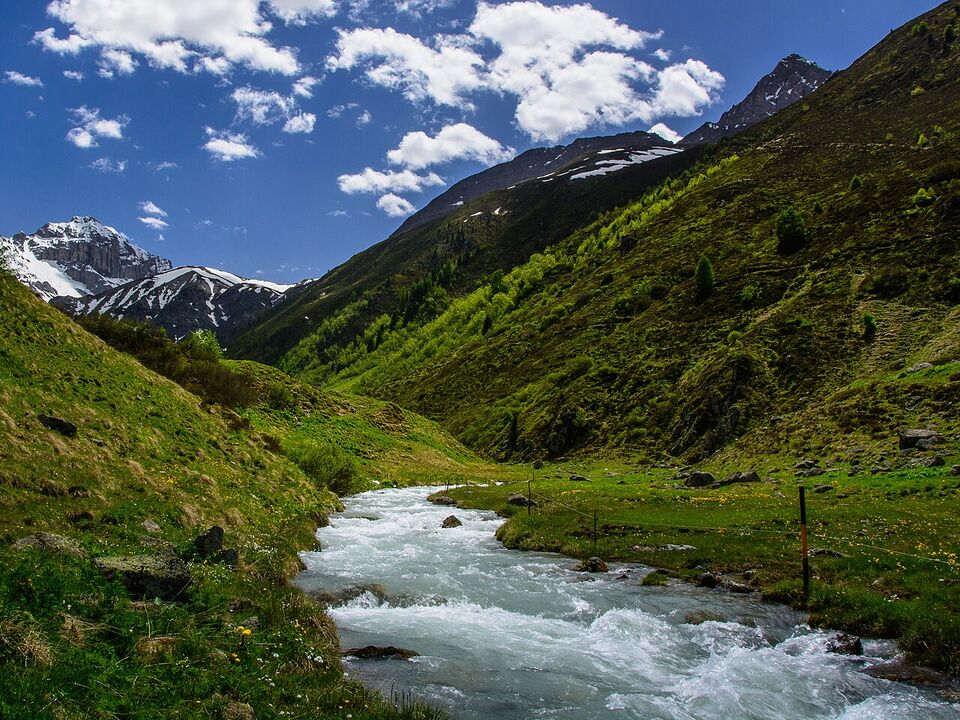
How to use this page
Switzerland is small, but it does several different trips well, and the best base for a hiker is not the best base for a family or a train fan. This page starts from what you like to do and sends you to the right part of the guide, with one line on why each place fits. For the deep detail (prices, hours, how to get there) we link to the destination and topic pages instead of repeating them here.
If you are still deciding on the overall shape of the trip, start with how to plan a trip to Switzerland and the destinations overview, then come back here to choose what to add. If you have two or three interests, read the table below first: most trips mix a city, a lake and one mountain base, and several interests overlap.
A word on timing. Mountain railways, cable cars and boats run on seasons, and many pause for maintenance in November and again in spring. Where a recommendation depends on a lift or a scenic train, check the operator's timetable for your dates before you build a day around it. This page was checked in November 2026.
Interests, destinations and seasons at a glance
| Interest | Best base or destination | Best season | Go deeper |
|---|---|---|---|
| Hiking | Interlaken and the Jungfrau region; Zermatt | Late June to September; Ticino in spring and fall | Hiking |
| Scenic trains | Chur, Lucerne or Interlaken | Summer for full routes; winter for snow views, if the route runs | Scenic trains |
| Food and wine | Lake Geneva, Ticino, Appenzell | Fall for vineyards; winter for fondue | Food |
| Culture and history | Zurich, Bern, Basel, Geneva | Any month; museums suit November to March | Destinations |
| Families | Lucerne, Interlaken, the lakes | May to September; December for sledding | Families |
| Skiing and winter | Zermatt, Jungfrau Ski Region, St. Moritz | Mid-December to March | Skiing |
| Romance | Lake Geneva, Lugano, Lucerne | May to October; December for lights | Lausanne and Montreux |
| Photography | Zermatt, Lauterbrunnen, Lavaux | Clear fall days; winter for snow | Mountain excursions |
| Budget travel | Bern, Lucerne, Lugano as bases | Shoulder months | Budget tips |
| Wellness | Lucerne region, Ticino, the Engadine | Late fall to March | January |
| Car-free travel | Zurich, Lucerne, Bern, Zermatt | Any month | Trains and transit |
For hikers
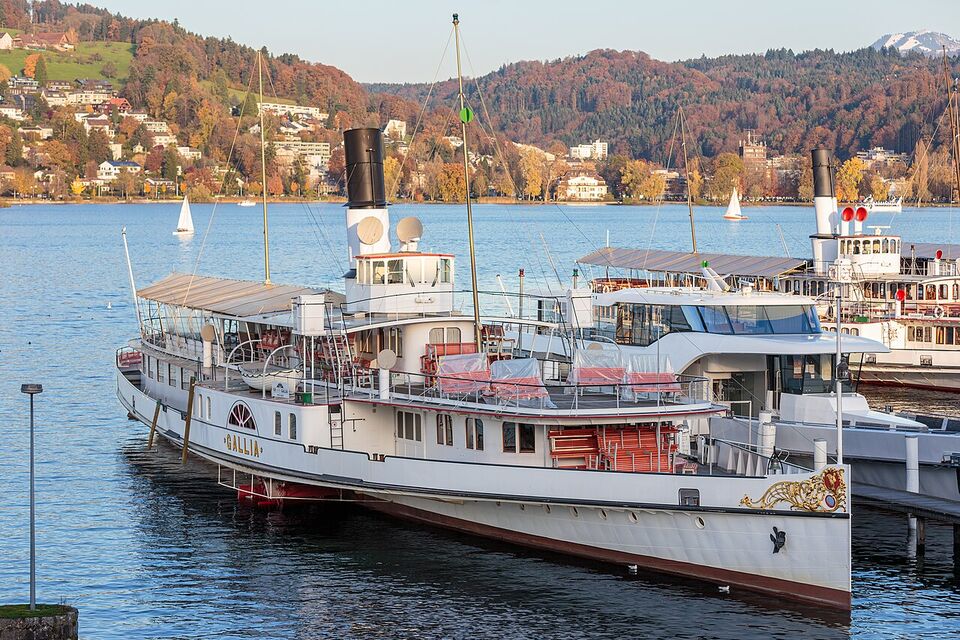
Switzerland is easy to hike because a train or lift takes you to the trail and another takes you home. You do not need a car or a campsite, and you can match the walk to the weather on the day. Our hiking guide covers trail signs, snow dates, safety and what to carry. These are the places we would start.
- Interlaken and the Jungfrau region: the best mix of easy valley walks and big mountain views, with lifts to start a high walk and a downhill return on foot. See Interlaken and the Jungfrau region.
- Zermatt: a car-free village with trails that look straight at the Matterhorn, so even a short walk has a payoff. See Zermatt and the Matterhorn.
- St. Moritz and the Engadine: a high, sunny valley with lakes, long gentle trails and the Swiss National Park. See the Engadine.
- Ticino: lower and milder, so it works in spring and fall when the high trails elsewhere are still under snow or already shutting down. See Lugano and Ticino.
- Appenzell: rolling green hills and cheese-dairy country, good for walkers who want a quieter, lower-key region. See Appenzell and the East.
Watch out
High trails keep snow late and can close early, and weather changes fast. Check MeteoSwiss for the forecast and the operator's site for the lift before you commit. In winter, check the avalanche bulletin on slf.ch before leaving marked routes.
For train lovers
For many visitors the trains are the trip. The network is dense and punctual, and the scenic routes are real working railways rather than museum pieces. If trains are your main interest, the scenic trains guide explains reservations and supplements, and the Swiss Travel Pass guide explains when a pass pays off.
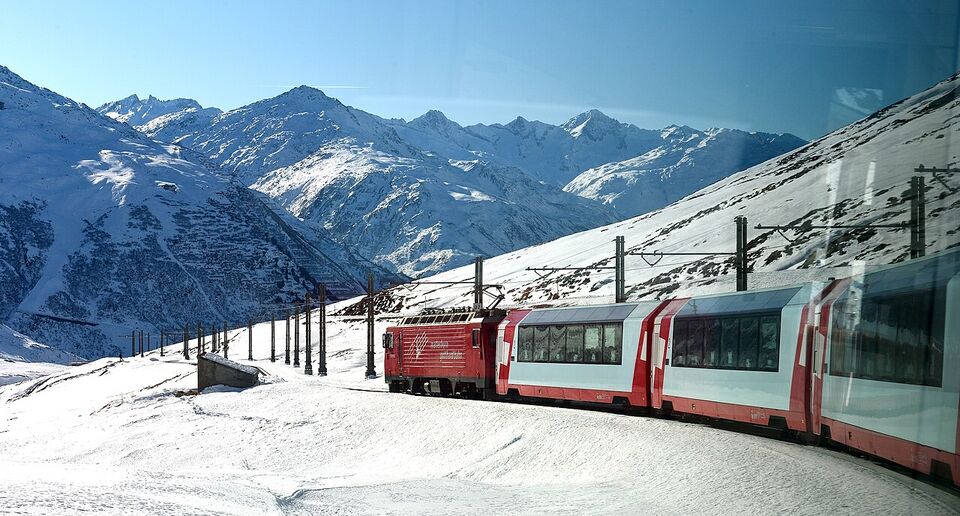
- The Glacier Express: the long, slow, famous route between Zermatt and St. Moritz, about eight hours, because it is the classic way to cross the Alps in one sitting. A seat reservation with a surcharge is required even with a pass.
- The Bernina Express: Chur or St. Moritz to Tirano in Italy, a high-altitude ride that ends on the other side of the Alps in a different country.
- The GoldenPass line: Lake Geneva to the Bernese Oberland, a scenic crossing that links two regions many first-time visitors want to see.
- The cogwheel railways: Pilatus, Rigi and the Gornergrat, each a short, steep ride up to a summit. Pilatus calls itself the steepest cogwheel railway in the world. Rigi is covered by the Swiss Travel Pass.
- The Jungfraujoch railway: the line through the Eiger and Mönch to Europe's highest railway station, a high-cost, high-reward day for engineering fans. See mountain excursions.
Lake steamers are a gentler version of the same pleasure. See lakes and boats for the paddle steamers and how the timetables work.
For foodies
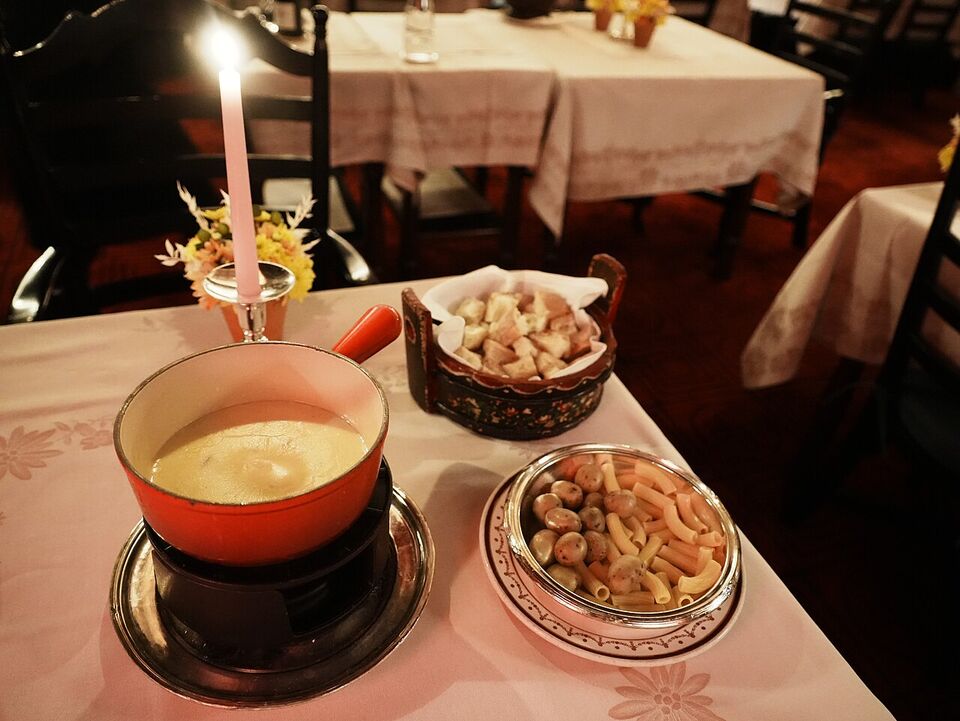
Swiss food is regional, and the language border is also a plate border: rösti and sausage in the German-speaking north, fondue and white wine around Lake Geneva, risotto and polenta in Ticino. Eating well is easiest when you choose the region first. Start with the Swiss food guide, then add the chocolate and cheese and wine and drinks pages.
- Lake Geneva and Lavaux: terraced vineyards that are a UNESCO World Heritage site, with tastings and a lakeside setting for a long lunch. See Lausanne and Montreux.
- Geneva: fondue by the lake and a French-speaking restaurant culture. See Geneva.
- Lugano and Ticino: Italian food and wine, with piazza cafés and grotto-style lunches. See Lugano and Ticino.
- Gruyères and the cheese country: dairies and a medieval town, a natural day trip for cheese and chocolate. See chocolate and cheese.
- Appenzell: a cheese region with its own food traditions. See Appenzell and the East.
Different from home
Service is normally included in Swiss menu prices. Rounding up or leaving a few francs for good service is appreciated but not expected, so you do not need to calculate a percentage as you would at home.
For culture and history lovers
Switzerland's cities are compact and well connected, which makes it easy to see a lot in a few days without long transfers. Museums are strongest in Zurich, Basel and Geneva, and the old towns of Bern and Lucerne are the best places to walk through history. For help with choosing, use the destinations overview.
- Zurich: the Kunsthaus art museum and the Swiss National Museum are the two big anchors, in a city that is also a good transport hub. See Zurich.
- Bern: a medieval old town of arcades and fountains that is small enough to see on foot in a day. See Bern.
- Basel: a strong concentration of art museums, including the Kunstmuseum and the Fondation Beyeler. See Basel.
- Geneva: the international city, with the lake, the old town and free CERN visits if you register ahead. See Geneva.
- Château de Chillon: the castle on Lake Geneva calls itself Switzerland's most visited historical monument, and it is an easy add-on to Montreux. See Lausanne and Montreux.
If you plan to visit many museums, compare the Swiss Travel Pass (which includes more than 500 museums) with the Swiss Museum Pass before you buy either. Both are explained on the Swiss Travel Pass page and the budget tips page.
For families
Switzerland suits children because the transport is part of the fun: boats, funiculars, cogwheel trains and cable cars are rides in themselves, and distances are short. Children aged 6 to 15 travel free on public transport when they are with a parent holding a Swiss Travel Pass and the free Swiss Family Card, and children under 6 travel free. Our full families guide covers what works at each age, strollers, lodging and safety.
- Lucerne: lake boats, a walkable old town and easy mountain trips, all within short rides of one another. See Lucerne.
- Interlaken and the Jungfrau region: playgrounds and viewpoints reached by a short lift or funicular, so there is little time lost on the way. See Interlaken.
- The lakes: a boat ride is a child-friendly way to see a lot without hiking. See lakes and boats.
- Zurich: a good first or last stop because the airport is close and the city has museums and a zoo that suit rainy days. See Zurich.
- Day trips: short outings from one base keep the number of hotel changes down, which helps with young children. See day trips.
For skiers and winter travelers
Winter in Switzerland is not only skiing. Sledding runs, winter walks, snowshoeing and spa days all work for people who do not ski, and the trains run all winter. The skiing and winter guide covers choosing a resort, lift tickets, lessons and getting to the slopes by train. Planned season dates depend on snow and can change, so confirm with the resort.
- Zermatt: high, long season and a car-free village, with the Matterhorn as the backdrop. See Zermatt.
- The Jungfrau Ski Region: Grindelwald, Wengen and Mürren together, with the Lauberhorn races at Wengen planned for January 15-17, 2027. See Interlaken and the Jungfrau region.
- St. Moritz and the Engadine: sunny and high, with World Cup events and the White Turf races on the frozen lake planned for February 2027. See the Engadine.
- December and January: choose your month early, because the holiday weeks are busy and the weeks after are quieter. See Switzerland in December and Switzerland in January.
- Christmas markets: a city-based winter trip with no skis at all. See Christmas markets.
For romantic trips
The romantic Switzerland is a quiet table, a lake view and a train ride, not a checklist. The best places combine water, mountains and a town that is pleasant to walk after dinner. For longer stays, where to stay explains the types of hotel and how to choose a base.
- Lake Geneva and Montreux: terraced vineyards, a lakeside promenade and a Belle Époque feel. See Lausanne and Montreux.
- Lugano: Italian-style piazzas and a mild lakeside climate that keeps the season long. See Lugano and Ticino.
- Lucerne: a lit-up old town, the Chapel Bridge and evening boats on the lake. See Lucerne.
- Zermatt: a village without cars, with views of the Matterhorn that change through the day. See Zermatt.
- St. Moritz: a polished, high-altitude resort with lakes and winter events. See the Engadine.
For photographers
Switzerland photographs well because the scale and the light change within a few miles. The common mistake is to plan a single day around one viewpoint and then meet fog. Build in slack, watch the forecast and webcams, and keep a second subject in the same area in case the first is clouded in.
- The Matterhorn from Zermatt: viewpoints reached by rail and lift above the village. The ones that work depend on season and weather, so check what is running. See Zermatt.
- Lauterbrunnen and the Jungfrau region: a deep valley with waterfalls, plus high viewpoints and sunset trips from Interlaken. See Interlaken and the Jungfrau region.
- Lavaux: vineyard terraces falling to Lake Geneva, best on a clear day with a boat or train along the shore. See Lausanne and Montreux.
- Lucerne: the Chapel Bridge, the old town roofs and the lake, with Pilatus and Rigi for wider views. See Lucerne.
- Scenic trains: a window seat and a camera suit the Glacier Express and Bernina Express. See scenic trains.
Insider tip
Mountain weather decides everything. Plan the high-altitude day for a flexible point in the trip, not the last day, and use the operator's webcam and the MeteoSwiss forecast on the morning to decide. If the summit is in cloud, switch to a lake or city day and try again later.
For budget travelers
Switzerland is expensive, and the way to manage that is by choosing what to pay for, not by skipping the country. The budget tips guide goes through where the money goes and which excursions are worth it, and the budget calculator lets you price your own trip.
- Half Fare Card: the Swiss Half Fare Card costs CHF 150 (about $180) for a month and halves most train, bus, boat and mountain-railway fares, which suits a trip with many separate rides.
- Saver Day Pass: with a Half Fare Card, discounted day passes start from CHF 29 (about $35) in 2nd class, and earlier booking is cheaper. See trains and transit.
- Cheaper bases: Bern, Lucerne and Lugano are usually easier on the wallet than the headline resorts and are well connected, but compare lodging for your dates. See destinations.
- Free and included sights: the Swiss Travel Pass includes Rigi, Stanserhorn and Stoos excursions and free entry to more than 500 museums, so a pass can cover a lot of sightseeing.
- Picnics and supermarkets: a bakery breakfast and a supermarket lunch cut the food bill sharply, and public fountains offer free drinking water in most towns unless marked otherwise.
Save money
Do the arithmetic before buying a pass. A pass is convenient, but for a trip with only a few long rides a Half Fare Card or point-to-point tickets can cost less. The Swiss Travel Pass page walks through the comparison, and the 2026 prices on it may change in 2027.
For wellness and spa travelers
Wellness is easy to add to a Swiss trip, particularly in the cold months when a warm pool with a mountain view beats another gray lowland afternoon. We do not name individual spas here because hours, treatments and prices change; check each hotel or bath before you plan around it, and use the destination pages to pick a region first.
- The Lucerne region: Lucerne Tourism promotes wellness and spa options with lake and mountain views within easy reach of the city. See Lucerne.
- Ticino and Lugano: a milder climate that keeps outdoor pool time pleasant later into the year. See Lugano and Ticino.
- The Engadine: high-valley resort hotels with spa areas, set among lakes and winter trails. See St. Moritz and the Engadine.
- January: a quiet month with cold clear days, so spa days fit naturally between winter walks. See Switzerland in January.
- Hotel choice: when a spa is the point, choose the hotel first, then the town. See where to stay.
For car-free travelers
You do not need a car in Switzerland, and for most trips in this guide a car is a cost and a parking problem. Trains and buses reach nearly every place we describe, and many hotels will help with luggage. The trains and transit guide covers tickets and apps. The driving page is for the cases where a car does make sense.
- Zermatt: car-free by design. Visitors park at Täsch and continue by shuttle train, or arrive by rail directly. See Zermatt.
- Lucerne: a compact old town, boats and mountain excursions all reachable without a car. See Lucerne.
- Bern: a small center that is easy on foot and a hub for trains to the Alps. See Bern.
- Zurich: trams, trains and the airport station make it the easiest arrival city. See Zurich.
- Luggage forwarding: SBB's station-to-station service costs CHF 12 (about $14) per item at the time of writing, so you can ride light between bases. See trains and transit.
More specialist trips
A few interests have their own pages. Christmas markets covers the main city markets and how to combine them with rail travel, and festivals and holidays covers the rest of the calendar. River cruises explains Rhine itineraries that start or end in Basel. If you want to stay longer than a normal trip, read long stays, and if a dog or cat is coming with you, read traveling with a pet before you book flights, because the paperwork has lead time.
For help turning these ideas into a route, try the trip builder, or send us your dates and interests through the contact page.
Combining interests
Most travelers have more than one interest, and the usual answer is a base for each. A week might put two nights in a city, three in a mountain base, and a night on a lake. Choose one anchor per interest, accept that you will not do everything, and leave a half day free for weather. The table at the top of the page is a quick filter, and the individual guides give the detail.
Two combinations work particularly well. Trains plus food suits a Zurich-Lucerne-Lugano line, since the Gotthard route links the German- and Italian-speaking regions. Hiking plus wellness suits the Engadine or Ticino, where a day on the trail ends in a warm pool. If you are not sure where to begin, when to go will tell you which months suit which kind of trip.
Add it to a route in the trip builder, or ask us to plan the hotels, trains and guides for you.