Overview
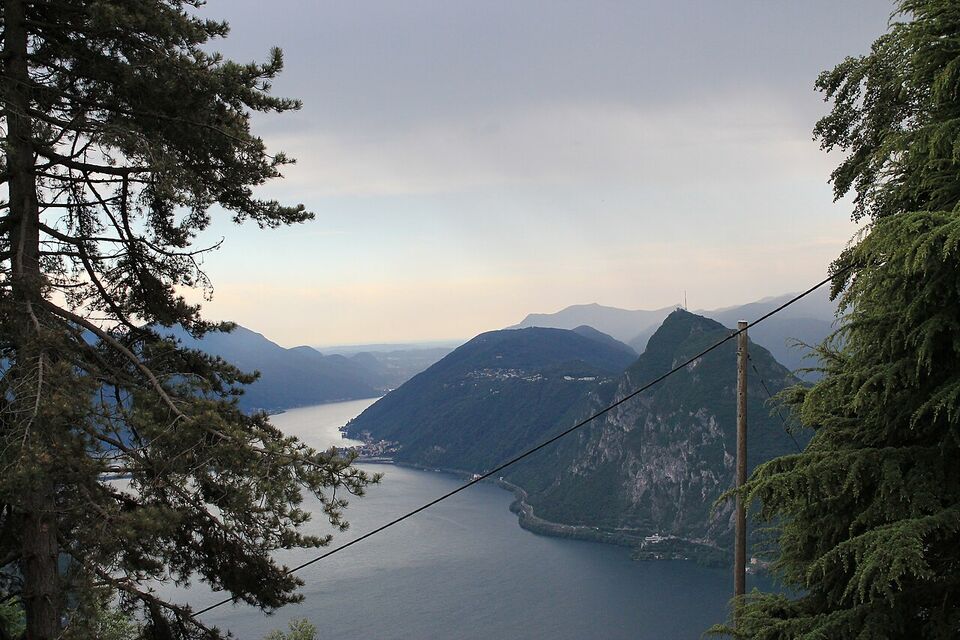
Ticino is the Italian-speaking south of Switzerland, and for many travelers it feels like a different country. After the Alps comes a landscape of lakes, palm trees, terracotta roofs, chestnut woods and stone villages. People speak Italian, the coffee is an espresso, lunch is a long meal and the piazza is where the town meets. The Ticino tourist board calls it the most Mediterranean of the Swiss cantons.
Lugano, with about 64,000 people (63,691 at the end of 2025), is the largest city in Ticino and the largest in the Italian-speaking region. It lies on Lake Lugano, together with the adjacent town of Paradiso, in a bay ringed by steep hills. Locarno, on Lake Maggiore, is the second hub, and Bellinzona, the canton's capital, has three castles on the UNESCO World Heritage list. Between them are valleys with swimming holes, villages and grotto restaurants.
This page covers Lugano, Locarno, Bellinzona, the Verzasca valley, the Lake Maggiore islands, the funiculars, Ticino food, how the region feels after the Alps, the trains through the Gotthard and the connection to Milan. It is a good place to add three or four days to a trip that otherwise stays in the German-speaking north. See our regions page for the whole map.
How Ticino feels after the Alps
The first thing you notice is the language. Signs are in Italian, and so are menus, announcements and most conversation. In hotels and tourist offices English is widely used, but in smaller shops and valley villages you will do better with a few words of Italian: buongiorno (good morning), grazie (thank you), il conto, per favore (the bill, please). Our phrases page has a short list.
The second is the weather. Lugano's average highs are 44.8°F (7.1°C) in January and 81.1°F (27.3°C) in July, with lows near freezing in winter, and it records far fewer rainy days in winter than the north: about 5 days with at least 1 mm of rain in January and February, against about 9 to 10 in Zurich. Over a year Lugano has about 100 such days against 130 in Zurich. The rain, when it comes, can be heavy. Summers are hot and humid. In November the highs average 52.9°F (11.6°C).
The third is the pace. Ticino sits closer to Lombardy than to Zurich in its habits: an aperitivo before dinner, late meals, a long lunch on Sunday. Shops close on Sundays, as in the rest of the country, except in tourist places. Prices are Swiss, in francs, and you will not find the Italian discount on a hotel or restaurant bill just because the menu is in Italian. Our money page explains cards and cash.
Different from home
Ticino is part of Switzerland, not Italy, so you pay in Swiss francs and the rules are Swiss. A short drive or train ride south puts you in Italy, where you pay in euros and customs rules change. Carry your passport on both sides of the border.
Getting there: the Gotthard and the Milan connection
For most visitors, the trip south is part of the experience. The Gotthard Base Tunnel, completed as part of the new railway link through the Alps, is the longest railway tunnel in the world at 35.5 miles (57.1 km). It runs under the Gotthard massif, and it allows fast trains between Zurich and Lugano without the old climbing route. We could not confirm the current journey times or the fares, so check sbb.ch or the SBB app for your date, and our getting around page explains how fares and passes work.
Scenic options
The Gotthard Panorama Express is a combination of a boat and a train between central Switzerland and Ticino. It starts on Lake Lucerne by paddle steamer and continues by train over the old Gotthard line toward Bellinzona and Lugano. A seat reservation is required even if you hold a Swiss Travel Pass. We could not confirm the 2026-27 season, the fare or the reservation fee, so check gotthard-panorama-express.ch. See our scenic trains page.
By car
The Gotthard pass road is closed for winter from November 5, 2026, but the road tunnel under it is a separate route and stays open. Queues can form on busy weekends and holidays, so check traffic before you leave. San Bernardino, Nufenen and the other high passes are closed or limited in winter, and the status changes daily. A Swiss motorway vignette is required: CHF 40 (about $48) for the 2026 sticker, valid to January 31, 2027. See our driving page.
From Milan
Lugano is a short ride from the Italian border, and from Milan there are trains over the border via Como and Chiasso. This makes Ticino easy to add to an Italian trip, or the other way round: a day or two in Milan is possible from Lugano. We did not confirm times or fares, so check sbb.ch and Trenitalia. Carry your passport; Switzerland and Italy are both in Schengen, so there is no routine passport check at the land border, but officers may spot-check trains. For Italian prices you pay in euros, which our site converts at €1 = US$1.12.
Watch out
If you shop in Italy and return to Switzerland, Swiss customs rules apply because Switzerland is not in the EU. You may bring in goods worth up to CHF 150 (about $180) per person without Swiss VAT, and you owe Swiss VAT above that. Meat, dairy and alcohol have their own limits, so check bazg.admin.ch before you stock up, and declare anything above the limit.
Most visitors arrive by train from Zurich or from Milan, whose airports are the main gateways. See our flights page and beyond Switzerland page.
Lugano: the lakefront and the old town
Lugano's center sits on a bay of Lake Lugano, with a long promenade, a park and a historic core of arcaded streets behind it. The best way to see it is to walk. The main square, Piazza della Riforma, is the place to sit with a coffee and watch the town go by. We could not confirm opening hours or prices for individual churches and museums, so check lugano-tourism.ch or each site.
- The lakefront. A promenade along the water with palm trees, flower beds and views to the mountains. In the evening, it is where the town walks.
- The old town. Lanes and arcades leading uphill from the lake, with shops, cafes and small churches.
- Boats. Lake Lugano has passenger boats to villages such as Gandria and Morcote, which are reachable on the water. Winter service is limited; check the boat operator's timetable and whether your pass covers it.
- Paradiso. The adjoining town on the same bay, with a lakefront of its own and the base of Monte San Salvatore.
Lugano is a financial center as well as a resort, and the shops on the main streets are Swiss-priced. Hotels range widely; we could not confirm 2026-27 room rates, so check dates. As a guide, central lakefront hotels are often in the $$$ tier, with simpler hotels, hostels and guesthouses in the $ and $$ tiers. Ask your hotel about the Ticino Ticket.
Monte Brè, San Salvatore and the lifts
Two mountains frame Lugano, and both have funiculars with views over the lake and the city. Monte San Salvatore rises from Paradiso, and Monte Brè rises on the east side near Cassarate. At the top are viewpoints, restaurants and short walks. Both are usually done in a half day, with a clear day the one thing that matters.
These lifts have seasons and maintenance closures. A secondary guide lists Monte San Salvatore as closed from November 9 to December 4, 2026, and Monte Generoso, a 5,581 ft (1,701 m) peak at the southern end of Lake Lugano, as having stopped for the season on November 8. We could not confirm the Monte Brè status. Treat all of this as a hint, not a fact, and check the operators' sites for running days and prices before you plan around any lift.
Locarno's lift, from Orselina up to Cardada, is listed in the same guide as closed from November 9 to December 18, 2026. In winter, the clouds that sit over Ticino can hide the view even when the lift runs, so look at the webcams on ticino.ch before you pay.
Insider tip
Pick your lift by the weather. In Ticino, a day of low cloud can mean sun on a summit and fog in the town, or the reverse. The tourist board posts webcams for the region; check them in the morning.
Locarno, the Piazza Grande and Lake Maggiore
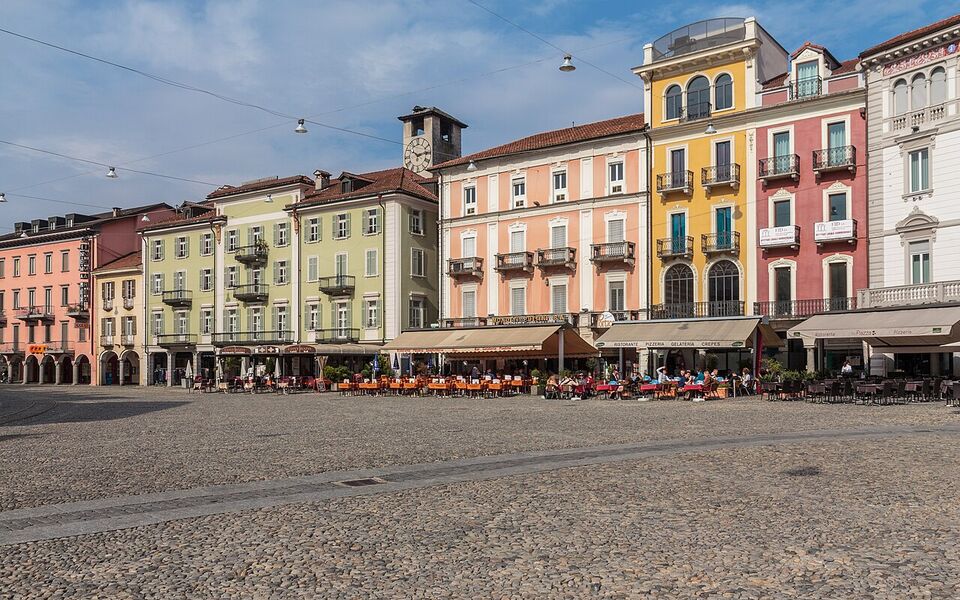
Locarno lies at the northern tip of Lake Maggiore, about the same size as a large town, with a lakefront, an arcaded old quarter and the Piazza Grande, a long square that becomes an open-air cinema during the Locarno Film Festival. The festival is typically in early to mid-August; we could not confirm the 2027 dates, so check the festival's site before you book.
Above the town on a rock sits the pilgrimage church of Madonna del Sasso, reached by a short funicular or a steep path. Across the water, the town of Ascona is a smaller, quieter lakeside resort with a promenade and a tangle of narrow lanes.
The islands
Lake Maggiore has islands on both the Swiss and the Italian side. The Brissago Islands, near the Swiss shore, are known for a botanical garden, and boats go from Locarno and Ascona. The grander Borromean islands, such as Isola Bella, are in Italy, near Stresa, and need more planning. Boats and gardens are seasonal and many close for winter, and we could not confirm the 2026-27 schedule. Check the boat operator and the garden's own site before you plan the day. If you cross into Italy by boat, take your passport.
Bellinzona and its three castles
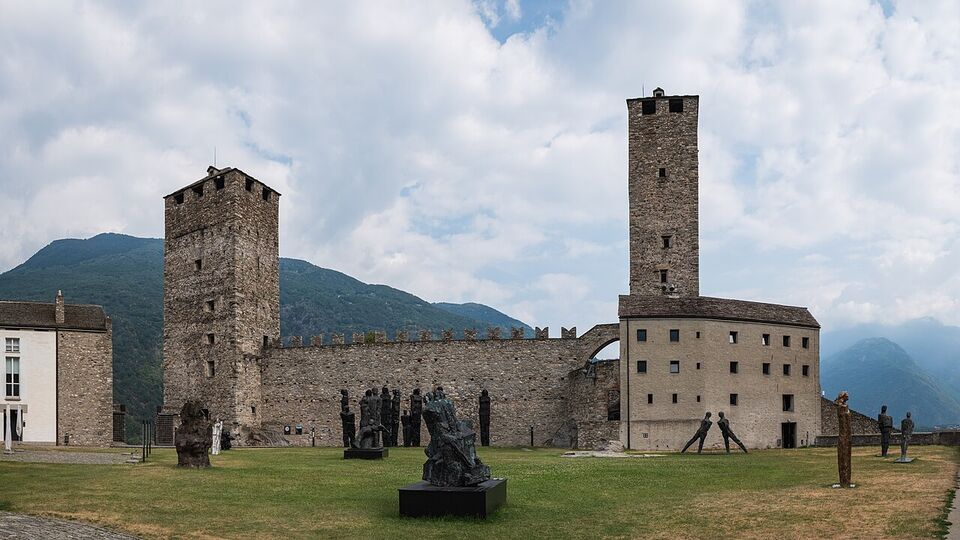
Bellinzona is the capital of Ticino and has the Castles, Wall and Ramparts of Bellinzona on the UNESCO World Heritage list. Three fortresses stand on hills above the town: Castelgrande, Montebello and Sasso Corbaro, joined by walls across the valley. The Gotthard and San Bernardino routes meet here, which explains why the town was fortified.
It is an easy stop on the train line between Zurich and Lugano, and a half day is enough for a castle and the old town. We could not confirm the opening hours or ticket prices of the castles, which can change by season, so check the Bellinzona tourist office or ticino.ch. The town has a large market on Saturdays, which is a well-known local event; confirm the day before you plan around it.
The Verzasca valley and the dam
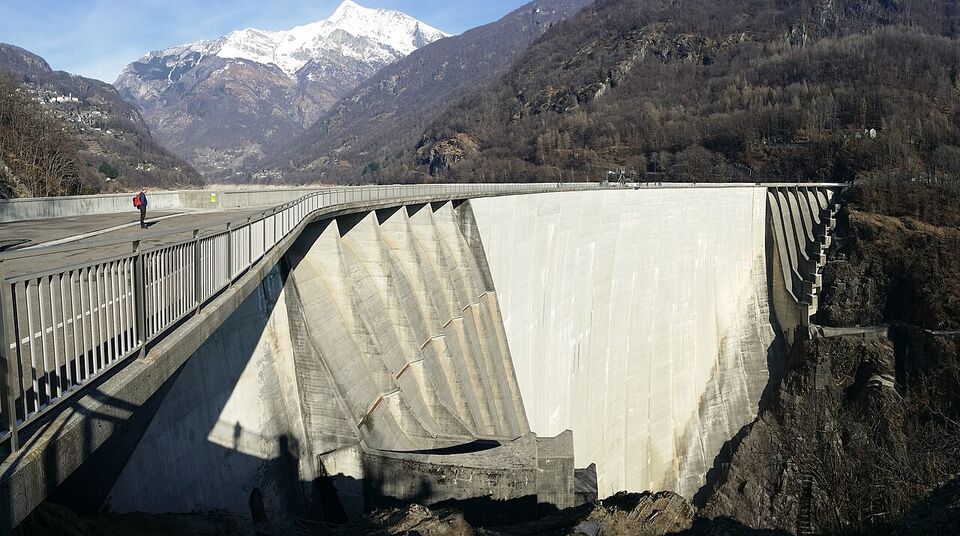
The Verzasca valley runs north from Lake Maggiore near Locarno, a deep side valley with a clear green river, granite boulders and stone villages. The most visited spots are the Verzasca Dam, a tall arch dam made famous by a James Bond film, and the stone bridge at Lavertezzo. A bungee jump operates from the dam in season; check the operator.
The river is very clear and inviting in summer, and it is dangerous. The valley can see sudden rises in water after rain upstream, and the rock is slippery. Never swim where signs say not to, and do not go in after storms. Because the valley is popular in summer, rules about parking, traffic and access can apply on busy days. We could not confirm the current access rules for the Verzasca, so check ticino.ch and the Locarno tourist office before you go, especially for a summer weekend.
PostBus runs from Locarno into the valley. Check postauto.ch for the winter timetable and whether your guest card or pass covers it. By car the road is narrow in places. In winter many facilities in the valley are closed.
Ticino food and wine
Ticino food is Lombard and Piedmontese in spirit with Swiss ingredients. Food histories note that maize reached Ticino in the 18th century and led to polenta being eaten for breakfast, and that risotto is an Italian dish now common in Switzerland. In practice, you will see:
- Risotto, often with mushrooms or with the local Merlot wine.
- Polenta, served soft with braised meat or stew, or fried.
- Local sausages and cured meats, including a pork sausage called luganighetta.
- Cheeses from the valleys, including zincarlin, a cheese from the Muggio valley that Ticino Tourism says was recently rediscovered, and the first Ticino gin from the same area.
- Merlot del Ticino, the red wine of the region. See our wine page.
Grotto dining
A grotto is a rustic restaurant, traditionally a stone-built cellar, with long tables outside under trees. Many serve a set of local dishes, such as polenta, braised meat and cold cuts, with wine in a ceramic bowl. Most are seasonal and some close from late autumn to spring, and many are cash-friendly, so carry some francs. Check the hours before you travel, especially outside summer. See our food page.
Italian habits apply at table. A coffee is an espresso, and you drink it standing or sitting briefly; cappuccino is for the morning. Service is normally included in menu prices, and rounding up is appreciated.
Lugano or Locarno as a base, and when to go
Lugano is the better base for a first visit. It is larger, has more restaurants and hotels, sits on the main rail line and has the funiculars on its doorstep. Locarno and Ascona suit a quieter stay on Lake Maggiore, with easy access to the Verzasca valley and the islands, and Bellinzona suits a short stop between the two. All three are linked by train, so you can sleep in one and visit the others on day trips.
The warm season is the main one. Lugano's July highs average 81.1°F (27.3°C), the lake is warm enough for swimming and the grottos are open. Spring and early autumn bring mild days around 62°F to 72°F (17°C to 22°C), based on the April and September averages, and fewer visitors. Winter is quiet, with some hotels, boats and grottos closed, but the lake towns remain pleasant on a dry day, and the January average high of 44.8°F (7.1°C) is mild by Swiss standards. See our November page and December page for what is open in the off-season.
Plan for rain at any time. The region sees heavy showers and thunderstorms, especially in spring and autumn, and the mountains above the lakes can be in cloud while the shore is dry. Bring a light rain jacket, and check the MeteoSwiss forecast at meteoswiss.admin.ch. If you hike, follow the safety advice on our hiking page and check conditions before you set out.
Guest cards and getting around
The Ticino Ticket is the useful one. Guests who stay overnight in any of more than 500 partner places receive free public transport and discounts on attractions and boats, according to the Ticino tourist board. Ask when you book whether your hotel takes part and what the pass includes. We could not confirm the terms or the validity, so check ticino.ch.
The Swiss Travel Pass covers trains, buses and boats across the country, with discounts on many mountain railways; see our Swiss Travel Pass page. If you hold a Ticino Ticket, check what overlaps before you buy a separate ticket. In 2026, the Swiss Travel Pass costs CHF 254 (about $300) for three days in second class.
Within the region, trains link Lugano, Bellinzona and Locarno, buses serve the valleys, and boats cross the lakes. The three main towns can each be a day trip from the others.
A three-day plan
- Day 1
Arrive and Lugano
Take the train south through the Gotthard, check in and walk the lakefront and the old town. Have an aperitivo on the Piazza della Riforma. If the sky is clear and the lift is running, go up Monte Brè in the afternoon.
- Day 2
Bellinzona and Locarno
Take the train to Bellinzona for a castle in the morning, then continue to Locarno. Walk the Piazza Grande and the lakefront. Visit Madonna del Sasso or, in season, take a boat to the islands.
- Day 3
Verzasca or Milan
In summer, go to the Verzasca valley by PostBus after checking the access rules. In winter or bad weather, take the train to Milan for the day, or stay near Lugano and take a boat to Gandria or Morcote if service runs.
For the German-speaking cities that come before or after, see our Lucerne page and Zurich page. For the best time of year, see our when to go page.
Add it to a route in the trip builder, or ask us to plan the hotels, trains and guides for you.